Science at theUM [S02-ep15]: From Chronic Pain to the 3D Microtomograph
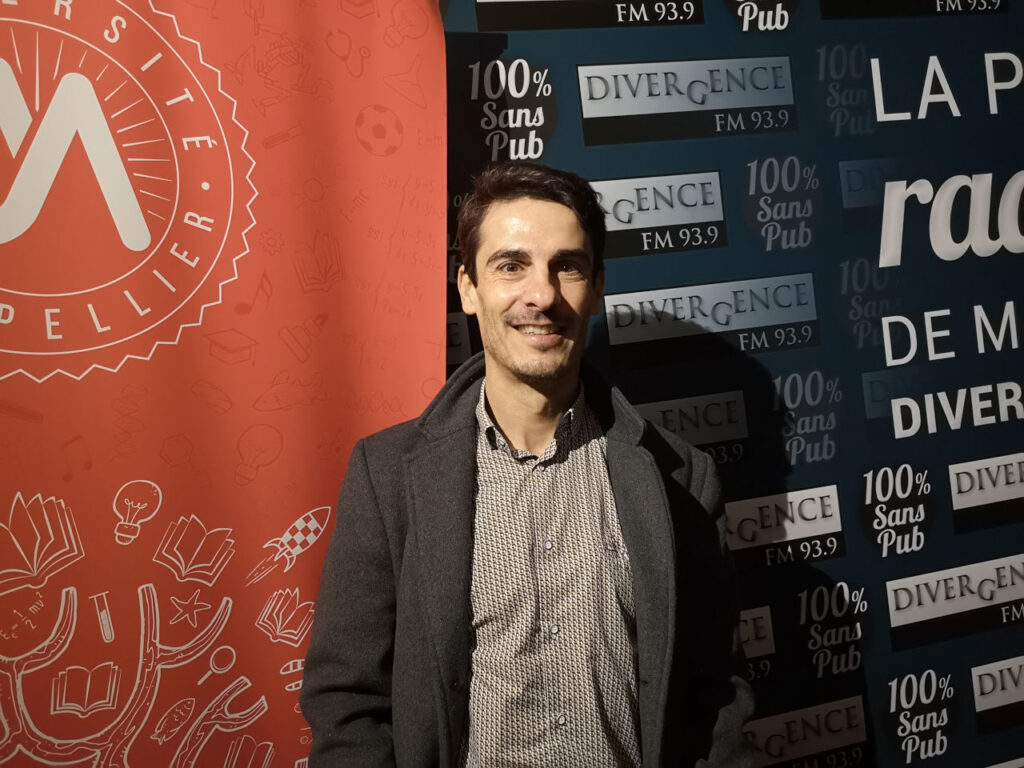
This week on *A l’UM *—the science segment—Cyril Rivat, a researcher atthe INM, joins us to explain the mechanisms of chronic pain. Our report takes you inside a 3D micro-CT scanner. Finally, Agnès Pesenti reveals the theme of the next *Bar des sciences*. The show airs on Divergence FM 93.9 every Wednesday at 6 p.m.
Like me, you’ve probably heard the saying,“What doesn’t kill us makes us stronger.” Like me, perhaps you’ve wondered about the validity of this saying. Indeed, just as a plate that has cracked after being hit will always remain more fragile than one that hasn’t been hit, it seemed to me as I was growing up that every new stroke of bad luck, every new blow—far from making us more resilient—only served to reopen old wounds, causing not only apprehension but also a kind of hypersensitivity.
What if the same were true for pain? What if exposure to repeated pain, rather than desensitizing us to it, actually made us more sensitive to it? In 2014, a large-scale survey reported that 20 million French people were affected by so-called chronic pain. Of those 20 million, 40% reported experiencing direct repercussions at work, and 28% said the pain was sometimes so severe that it caused them to have morbid or suicidal thoughts.
Proof that sometimes what doesn't kill us just makes us want to die.
For about thirty years now, public authorities have been addressing the issue of pain by establishing a legal framework to improve its management. Science has also made significant progress. In 2019, researchers at the Montpellier Institute of Neuroscience shed light on the mechanisms responsible for the onset and persistence of chronic neuropathic pain by identifying the role played by the FLT3 receptor and its partner, molecule F (When Pain Persists).
To take their research a step further, this team focused this time on the transition from acute pain to chronic pain and on the link between repeated exposure to pain and depressive disorders. Cyril Rivat is a researcher at the Montpellier Institute of Neuroscience; he is a co-author of this study, which was published in *Progress in Neurobiology* last January.
Read the study:“Activation of neuronal FLT3 promotes exaggerated sensory and emotional behaviors associated with pain, facilitating the transition from acute to chronic pain”
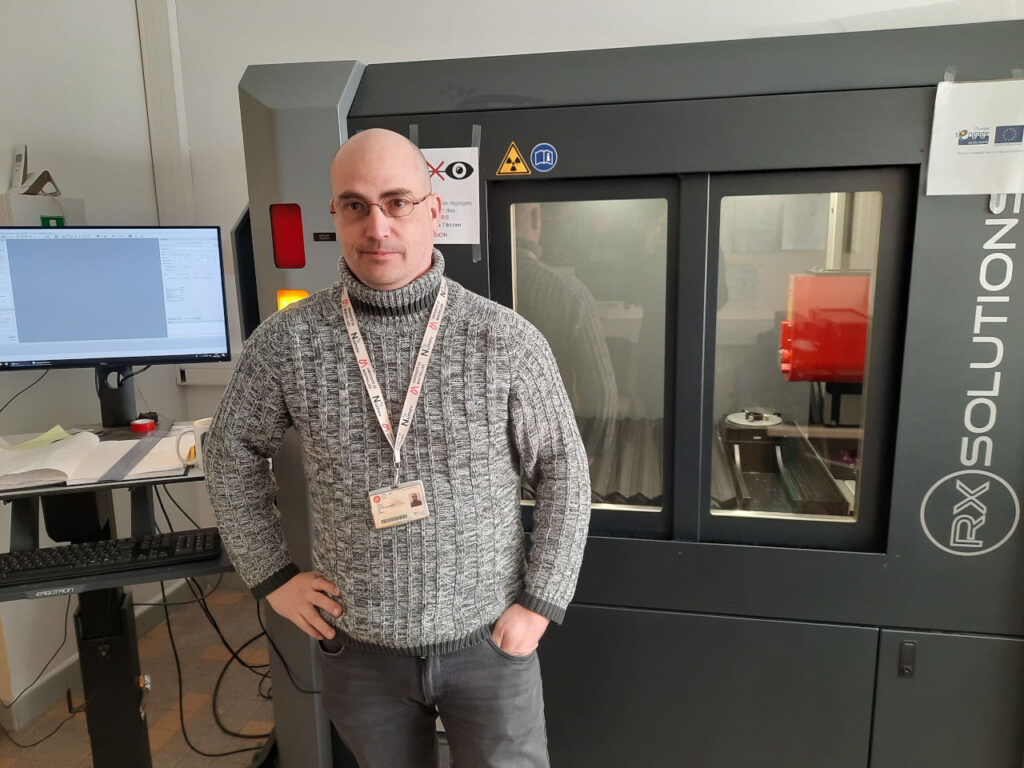
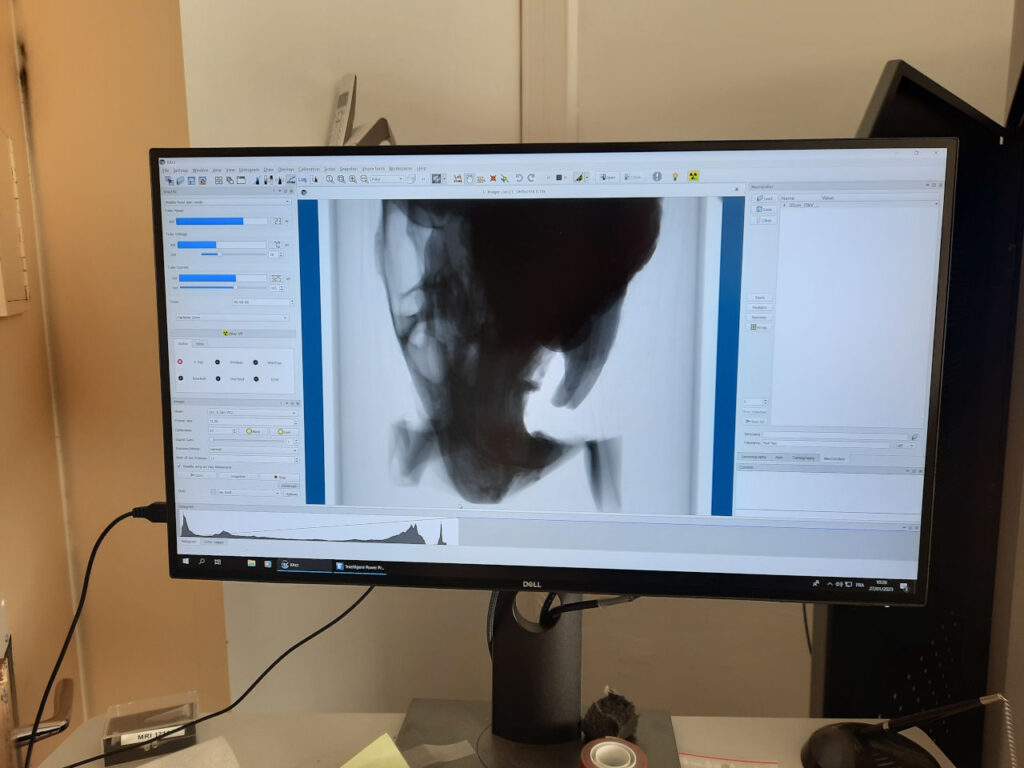
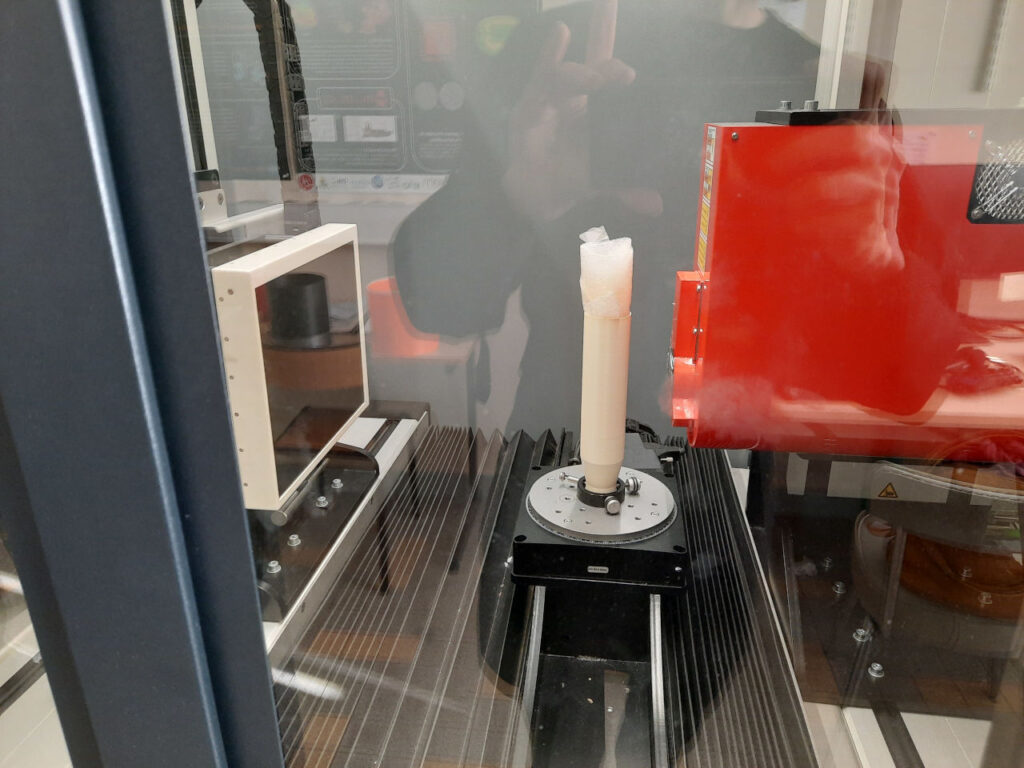
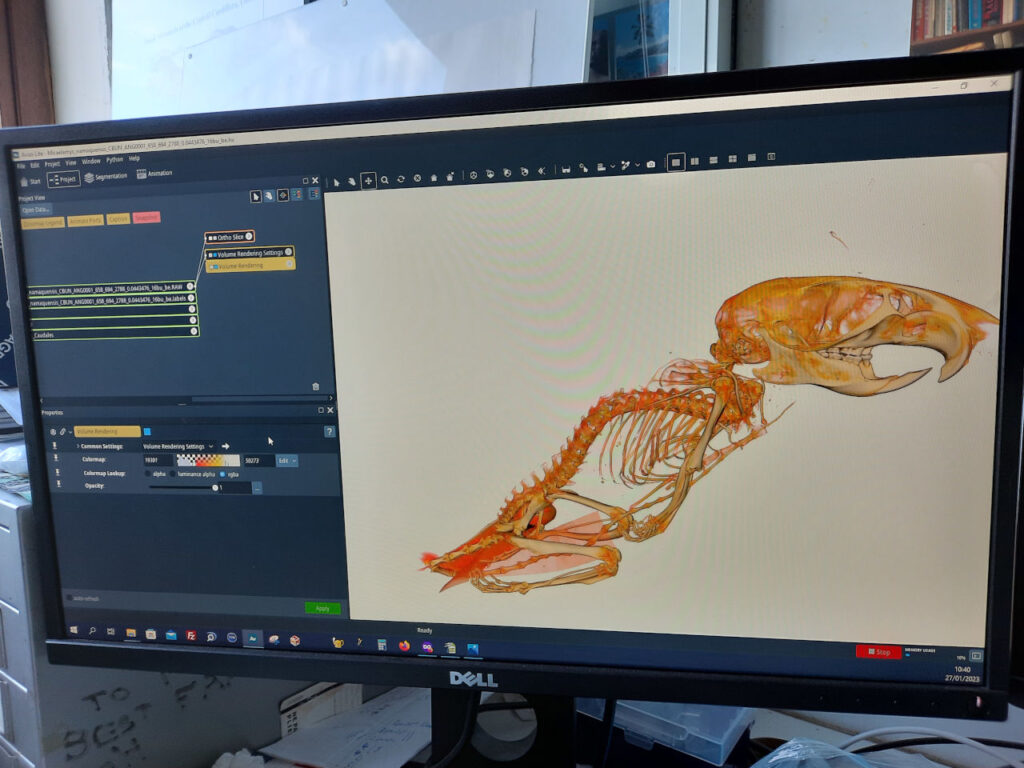
In the second half of the program, we’ll visit the Institute of Evolutionary Sciences in Montpellier to learn how a 3D micro-CT scanner works.
Finally, our last-minute guest—who’s now a regular—Agnès Pesenti from the science outreach program, will be joining us to present the next Science Bar, which will explore the question:“Where is quantum physics hidden in our daily lives? ” See you on February 16 at 8:30 p.m. at Le Dôme.
At "UM : Science," here's the lineup—let's get started!
Co-production: Divergence FM / University of Montpellier
Host: Lucie Lecherbonnier
Interview: Lucie Lecherbonnier / Aline Périault
Reporting and editing: Aline Périault
Director: Tom Chevalier
Listen to the show “A l’UM la science” on Divergence FM 93.9

Check out theUM podcasts, now available on your favorite platform (Spotify, Deezer, Apple Podcasts, Amazon Music, etc.).