"At theUM , Science" [S03-ep07]: Understanding Oenology
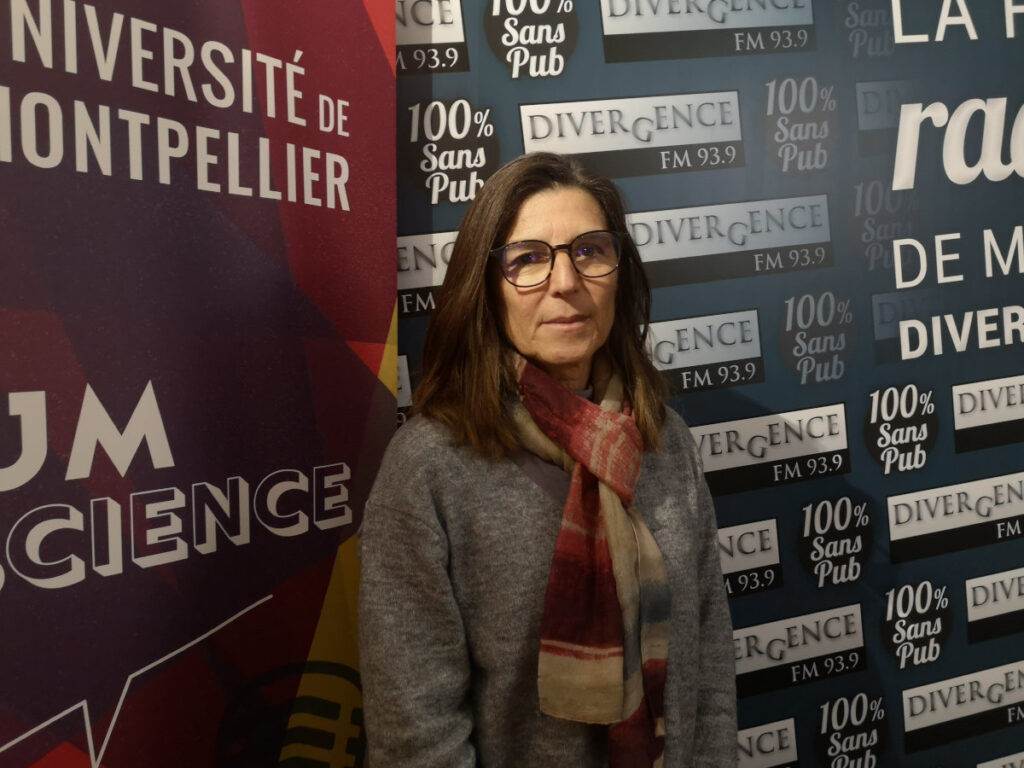
This week on *A l’UM * la science, Fabienne Remize, a biology researcher and director of theUMR Sciences for Oenology , introduces us to the book she co-authored with her colleague Véronique Cheynier: *Wine: 60 Keys to Understanding Oenology*. In the second half of the program, Hadrien Blayac, a biological technician at the SMEL, introduces us to the routine at sea. A program broadcast every Wednesday at 6 p.m. on Divergence FM 93.9.
So wine is on our menu today. Whether it’s red, white, or rosé; sparkling or mulled; natural or as mysterious as “wine de voile”—we drink it right down to the dregs.
But then again, how long has this love affair between humans and the vine been going on? The earliest evidence of wild grape seeds dates back more than 50 million years, but it wasn’t until 11,000 B.C. that viticulture first emerged in the Caucasus and the Fertile Crescent during the Stone Age.
Ever since then, this beverage has continued to captivate our bodies and minds. It appears in numerous myths and legends all over the world. In the West, it was Noah who planted the first vineyard; a little further east, it was Gilgamesh. Wherever it takes root, the vine and wine are symbols of wisdom, spirituality, and even divinity. Wine is also often associated with blood, as in Christianity or among the Egyptians, where it is considered the blood of giants. Of course, it is also a source of turmoil and danger—an ambivalence that defines Dionysus and the Bacchanalia of his Roman counterpart, and which justifies its prohibition in Islam. On the medical front, in 460 B.C., Hippocrates recommended its “limited but beneficial” use—a debate we have still not resolved 2,500 years later.
So, to help you become experts on the subject at the next Christmas dinner, we’re joined today by a biologist. Fabienne Remize specializes in microorganisms found in wine and heads the UMR Sciences for Oenology. Together with her colleague from the SPO, Véronique Cheynier, she has co-authored a book for the general public titled *Le Vin: 60 Keys to Understanding Oenology*, published by Quae.
Learn more:
- Listen: “A l’UM : Science— From Bird Decline to Laboratory Yeasts for Oenology.” (May 25, 2023).
- Read: Profile of Fabienne Remize, “A Good Vintage.”
In the second half of the program, we continue our tour of the Mediterranean Coastal Environment Station, and this time we’ll explore the Marine Operations Department with its manager, Hadrien Blayac, a biological technician.
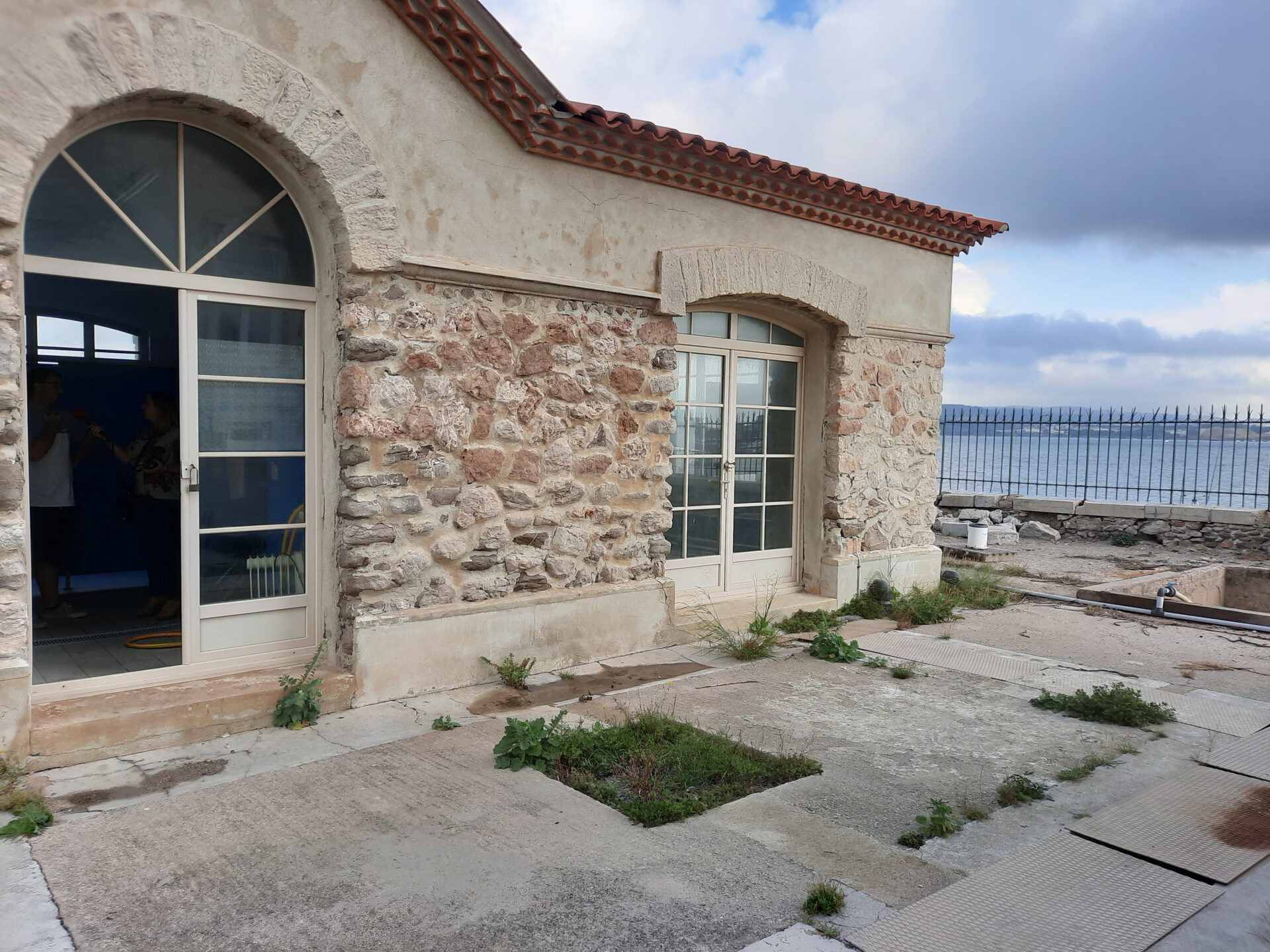
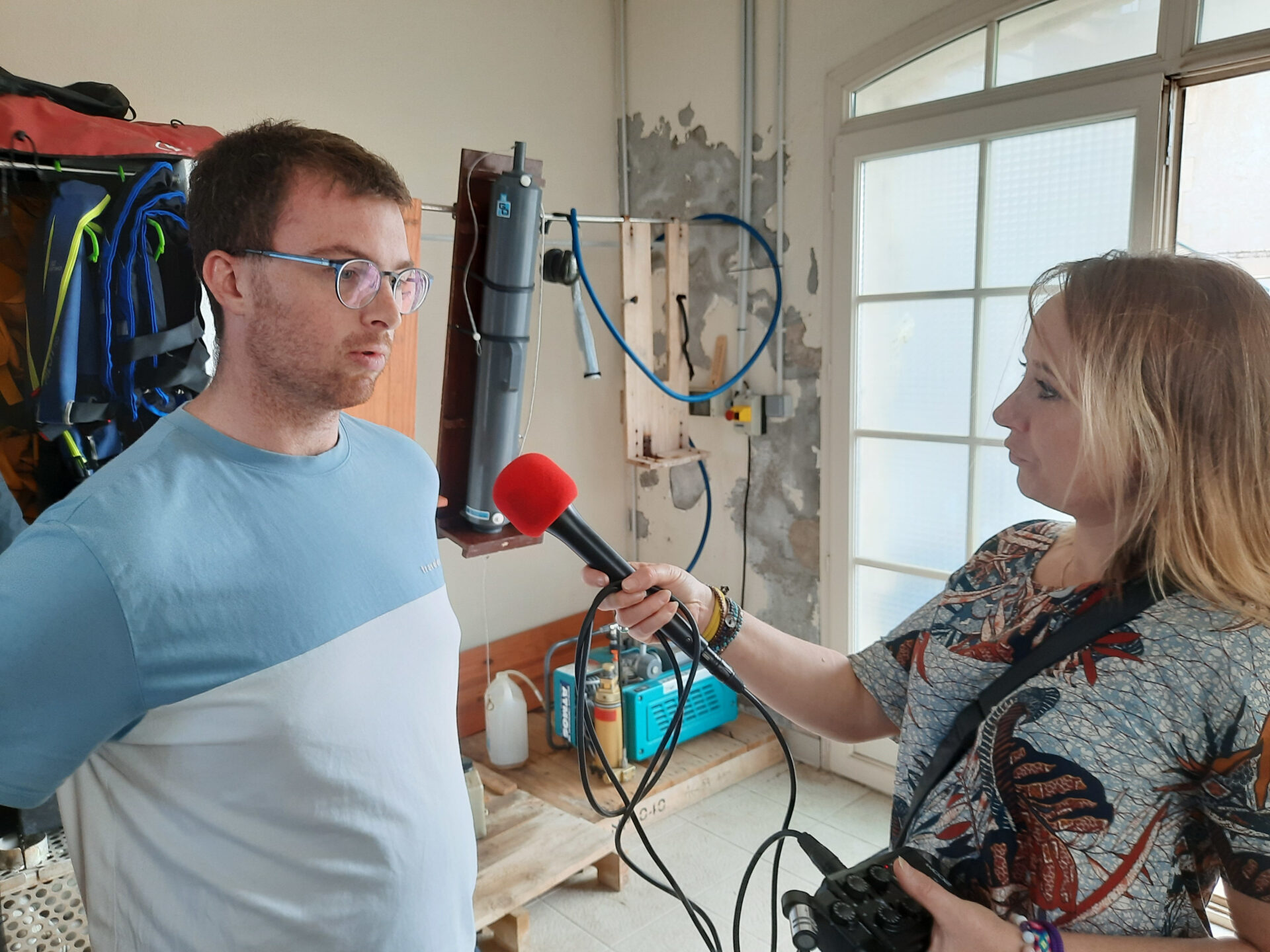
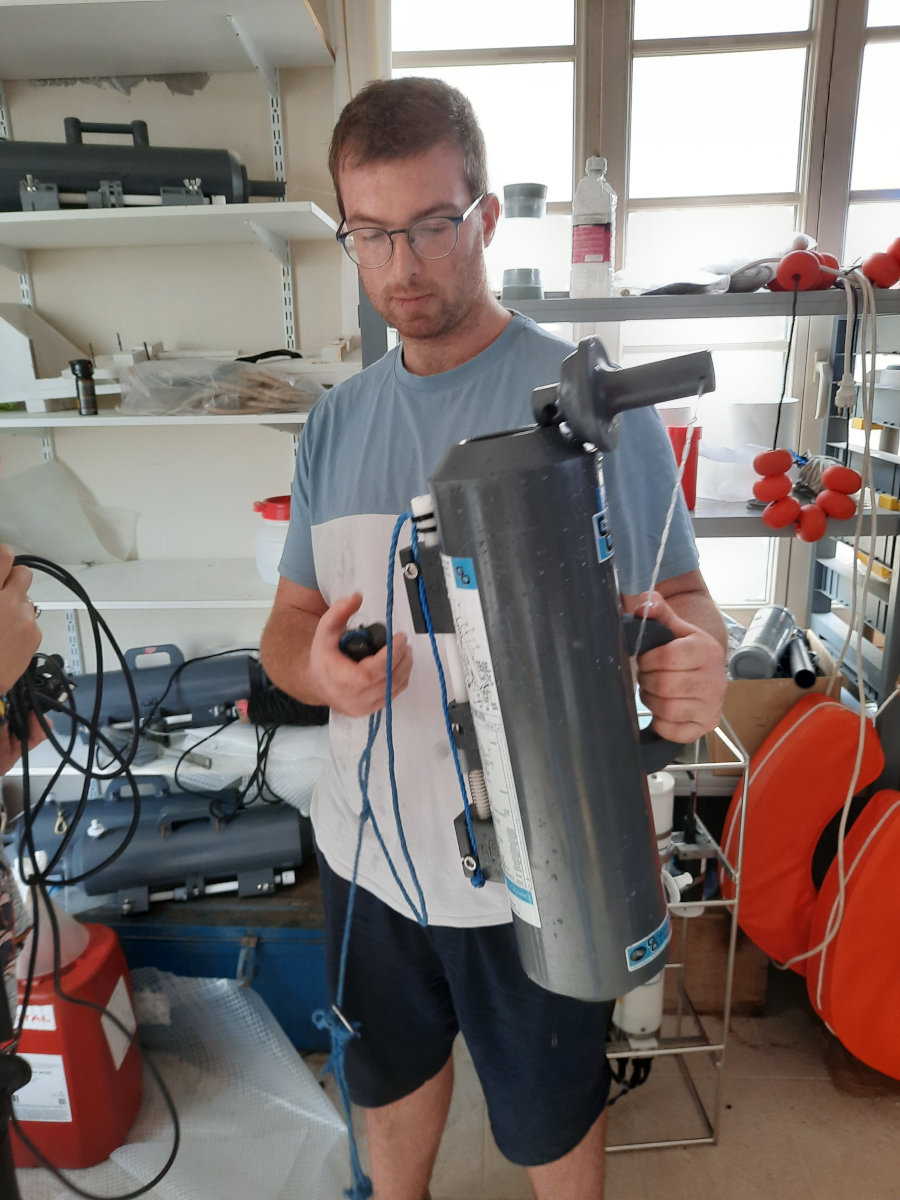
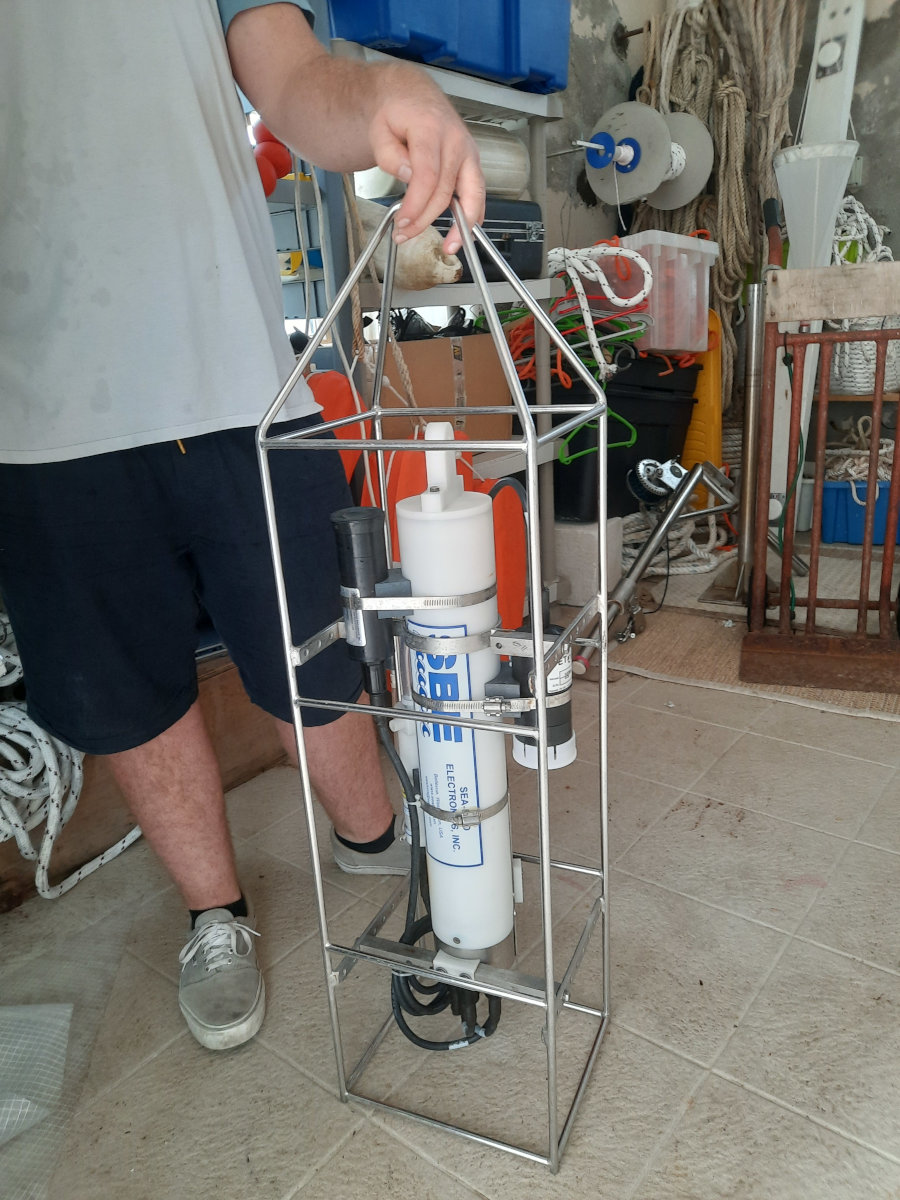
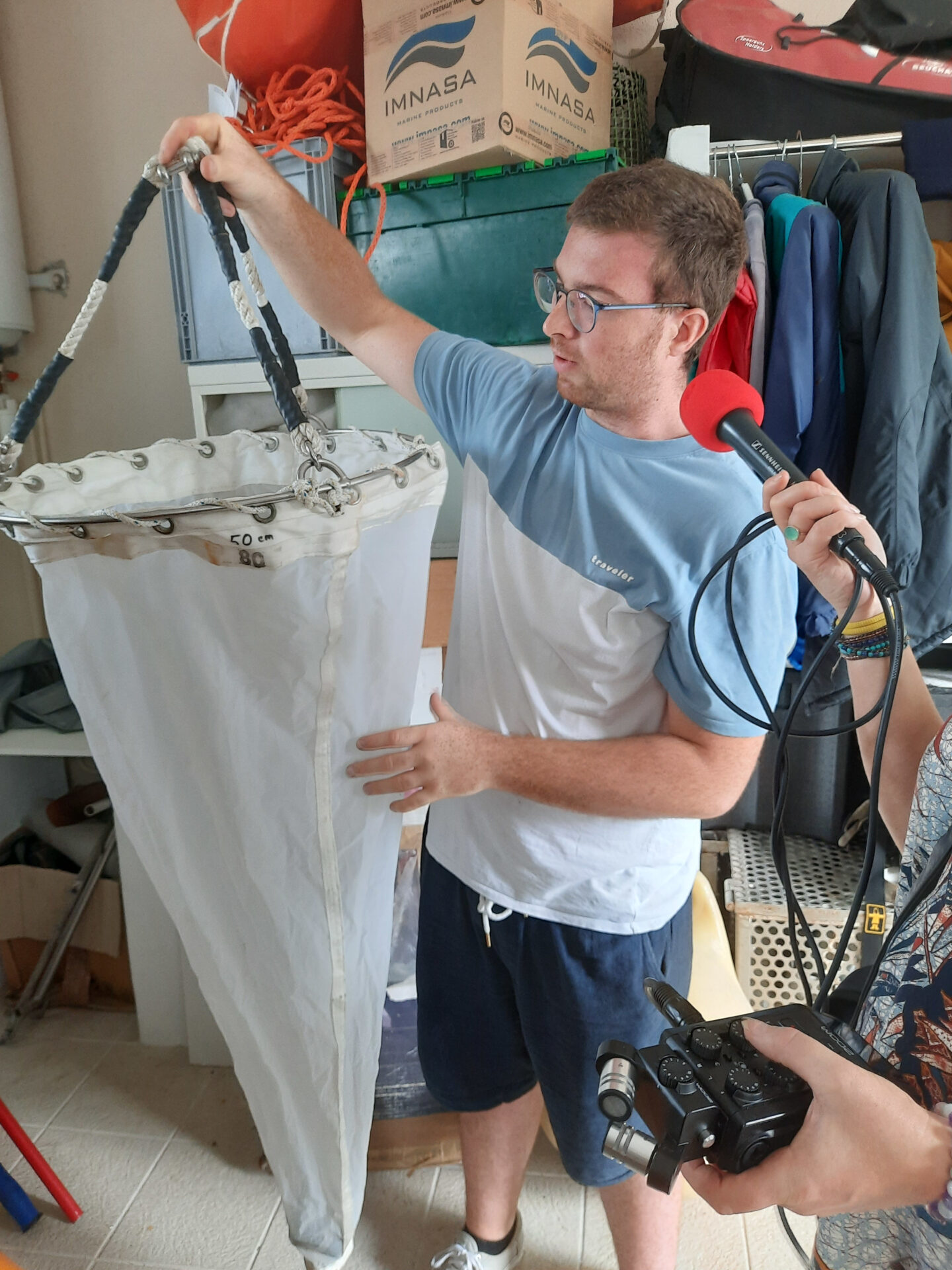
At "UM : Science," here's the lineup—let's get started!
Co-production: Divergence FM / University of Montpellier
Host: Lucie Lecherbonnier
Interview: Aline Périault / Lucie Lecherbonnier
Reporting and editing: Aline Périault / Lucie Lecherbonnier
Director: Alice Rollet
Listen to the show “A l’UM la science” on Divergence FM 93.9
Check out theUM podcasts, now available on your favorite platform (Spotify, Deezer, Apple Podcasts, Amazon Music, etc.).