At theUM of Science [S04-ep06]: Generative AI for Fracture Analysis
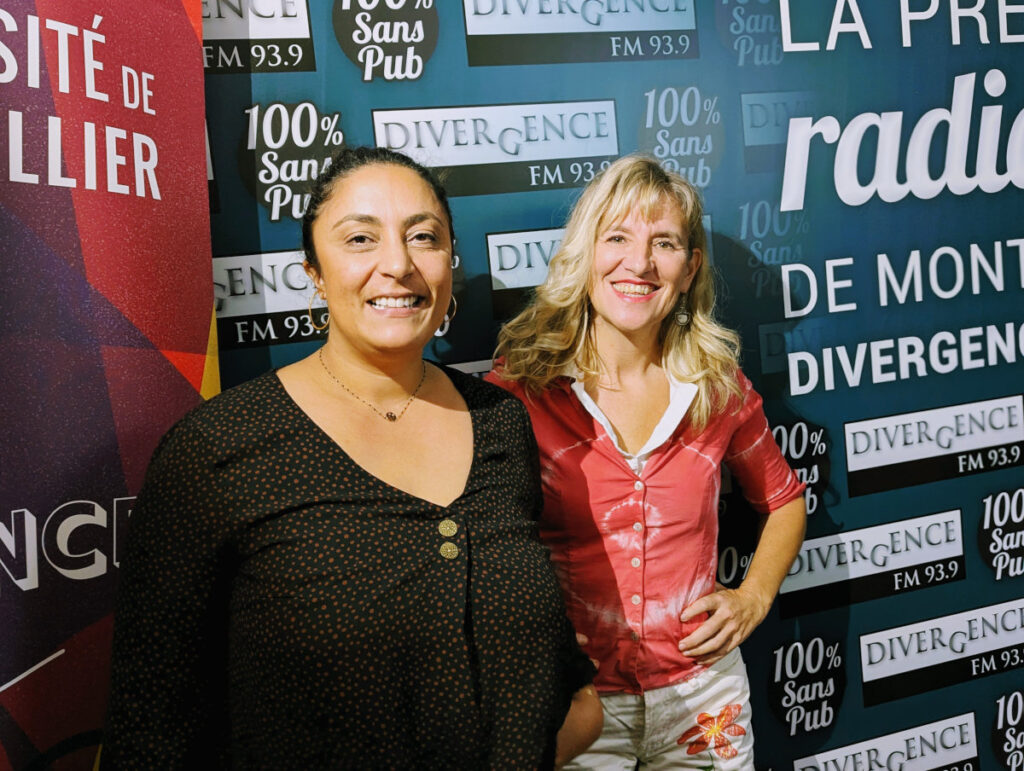
This week on *A l’UM * science, Florence Rodhain and Saloua Zgoulli, researchers at the MRMlaboratory , talk to us about generative artificial intelligence in higher education. The segment takes us to the physics and metallurgy lab with Thierry Martiré. Finally, we wrap up with a presentation of the exhibition “Cabine de curiosité.”A program co-produced and broadcast onDivergence Radio every Wednesday at 6 p.m.
In November 2022, the American company OpenAI launched its first large language model. Put that way, it might not ring a bell, but you’re actually familiar with it—just under a different name: ChatGPT. In just three months, this generative AI system had amassed more than 100 million users. Just one year after it became available to the general public, more than half of French people, according to Ipsos, said they were familiar with and understood ChatGPT—a percentage rising to over 70% among those under 35 and to over 80% among executives. Among them, 40% said they used it at least once a week. So what do people use ChatGPT for? For help writing notes, letters, and research grant proposals; for generating images; and if you have children, perhaps you’ve already caught one of them in the midst of “digital slavery.”
In short, it didn’t take long for ChatGPT to make a name for itself. But where there’s light, there’s also shadow, and the controversy has been just as intense as the hype. As early as January 2023, New York City authorities banned ChatGPT in schools, and Sciences Po Paris soon followed suit. In Italy, the local data protection authority quickly accused the chatbot of failing to comply with the GDPR. The city of Montpellier also banned its use by city employees and contractors on the grounds of protecting the confidentiality of its data.
So, are we going to work with or in spite of AI? That is the question researchers at Montpellier Research in Management—including Florence Rodhain and Salloua Zgoulli, along with Bernard Fallery—have asked themselves in the face of what they call a “tsunami.” In early 2023, they launched a Delphi study—which we’ll come back to—on generative artificial intelligence systems in higher education: controversial risks and conflicting scenarios. And as you’ll see, the study reveals that this AI generates not only text and images but also division.
This program is part of the launch of the new LUM magazine, Issue 22, titled “Portraits of AI,” which can be viewed on the website of theUM and is available for free at numerous distribution points throughout the city—including, of course, Radio Divergence —as well as on college campuses.
See also:
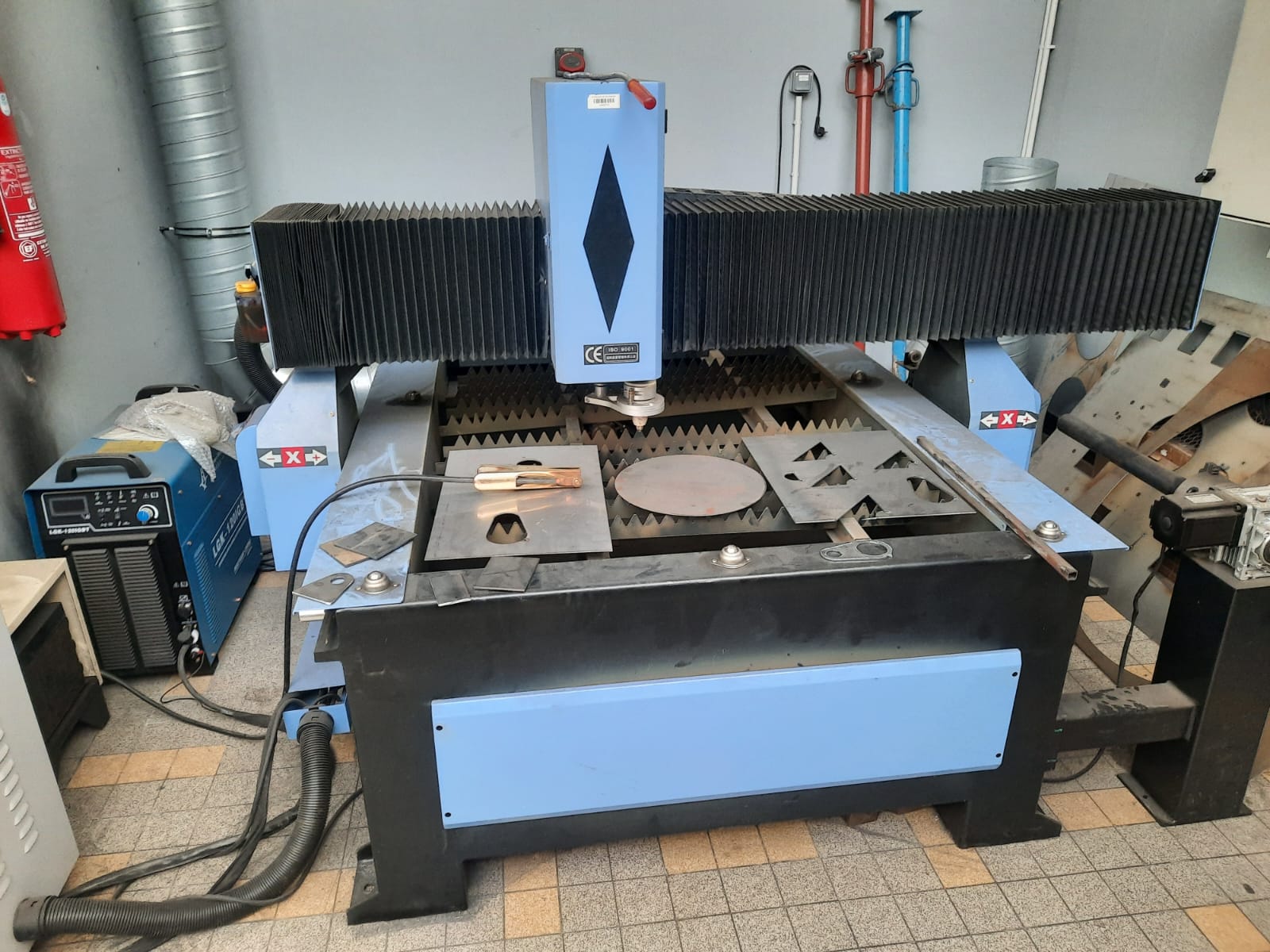
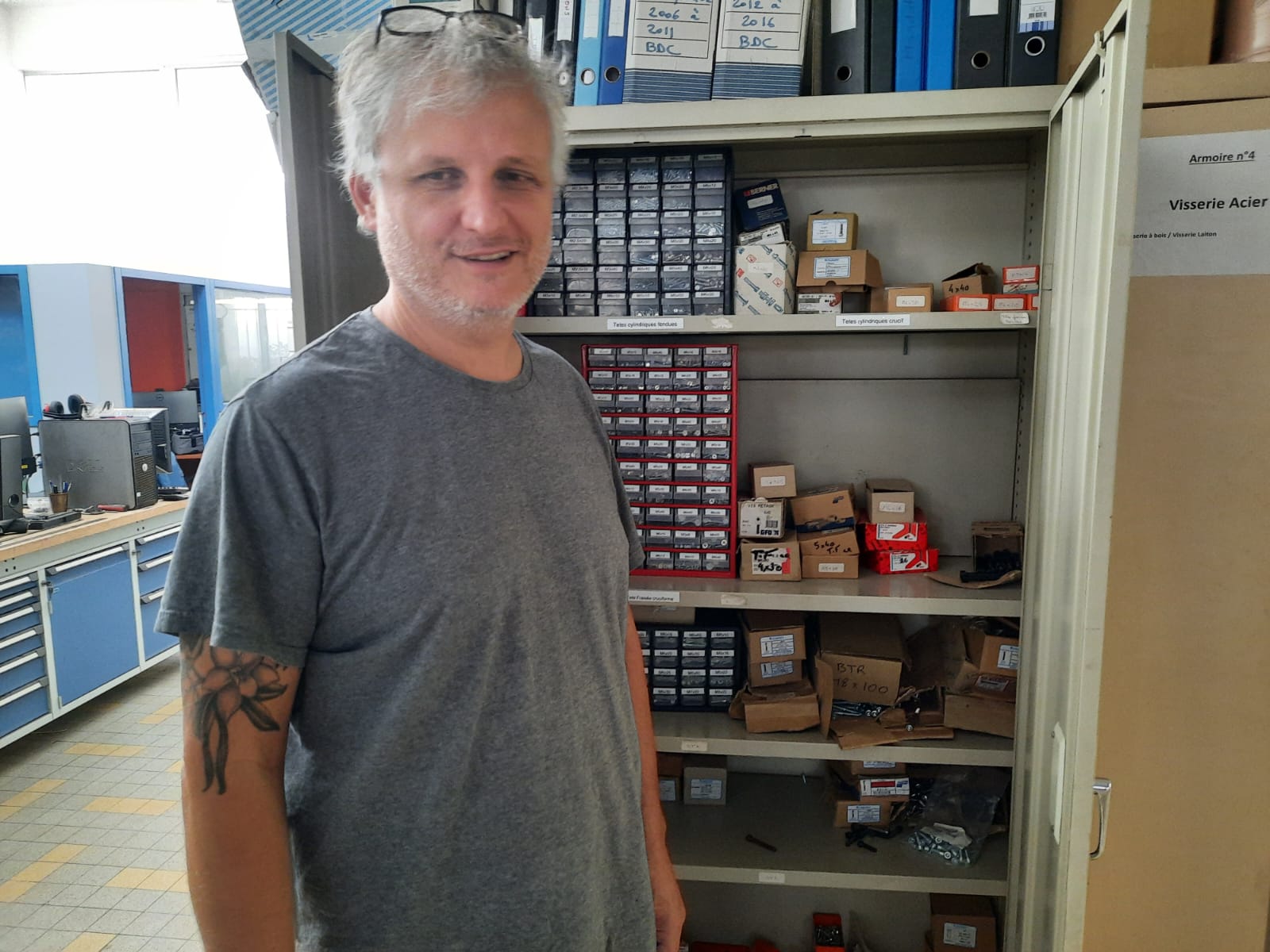
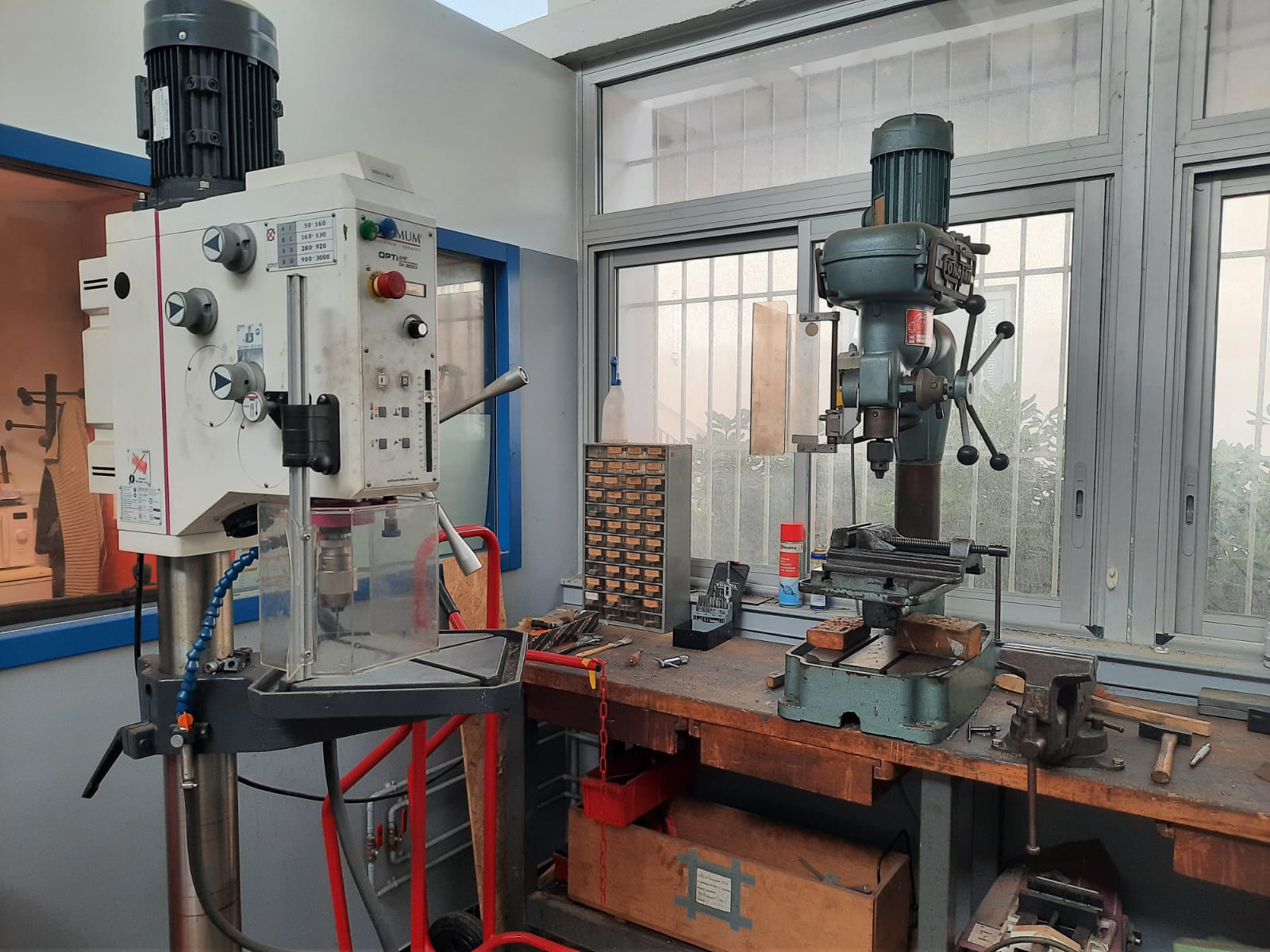
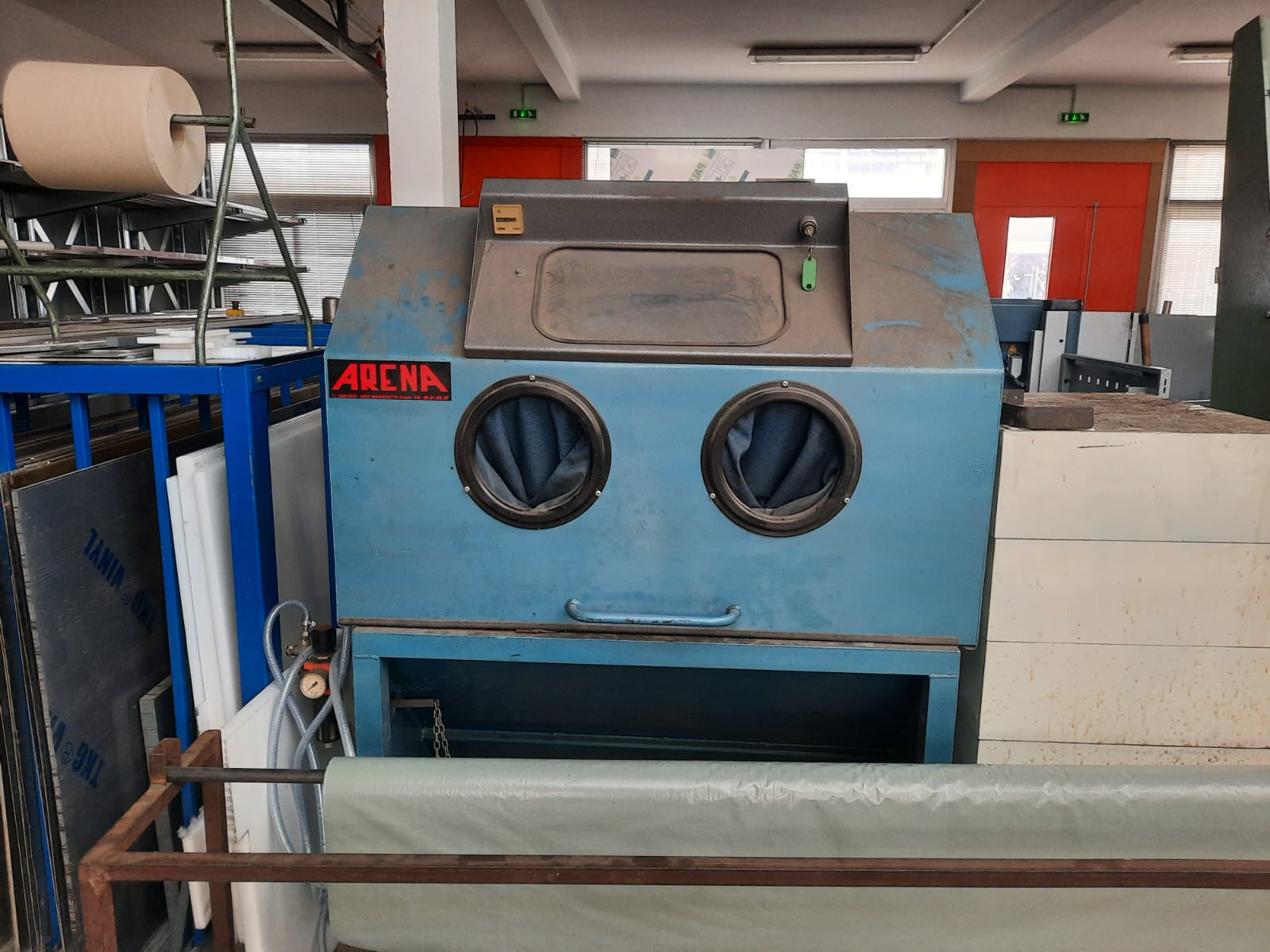
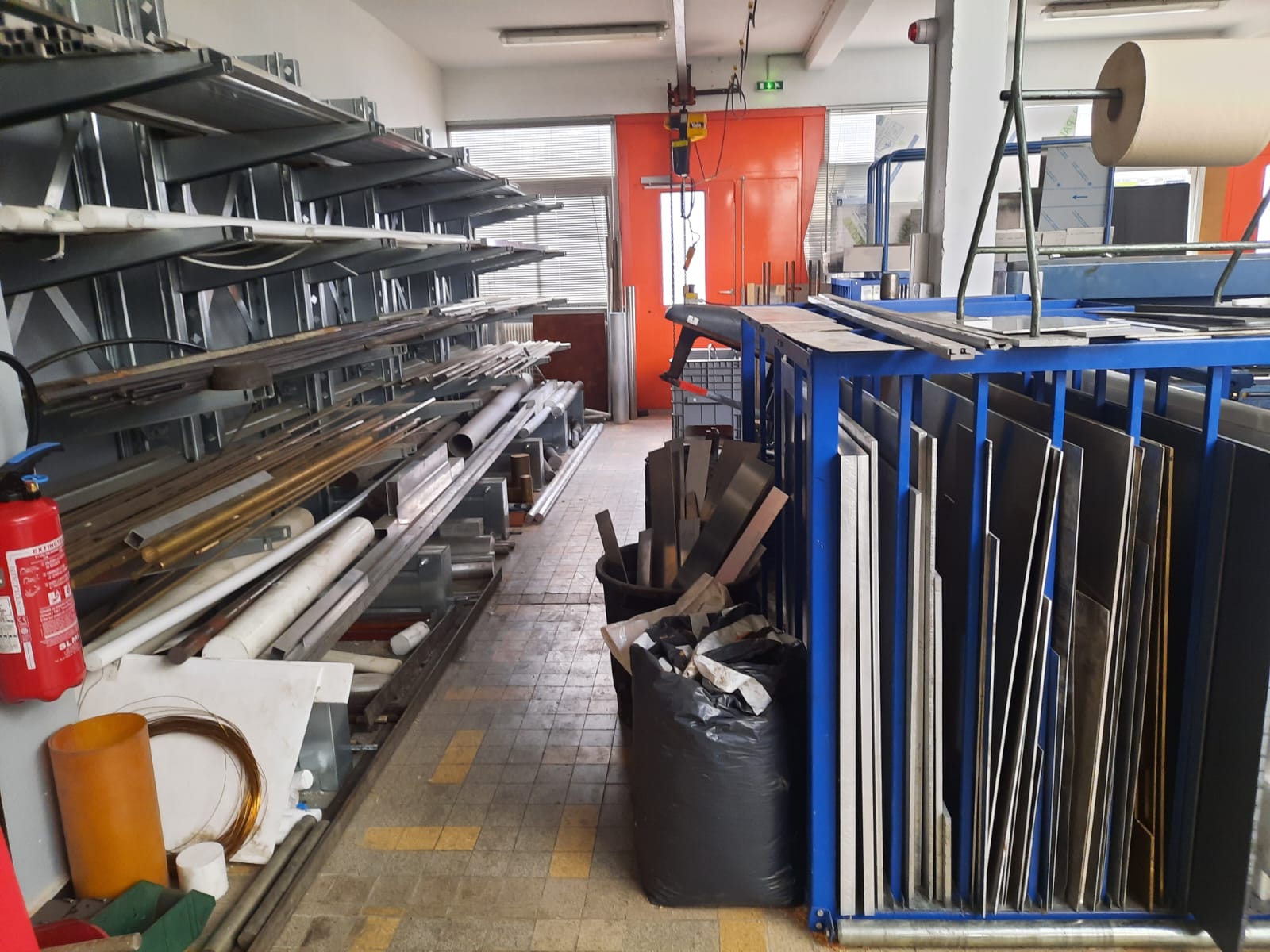
In the second half of the program, the segment takes us to the Triolet campus to tour the physics and metallurgy shop with its director, Thierry Martiré. Here, materials are cut into logs, sheets, and tubes; they are milled, welded, and sandblasted, and you can also find every kind of screw and bolt imaginable.

Finally, this week we’re telling you about a unique exhibition. It’s on Quai Maillol in Sète, and it’s taking place on a sailboat. “Cabine de curiosité” is the name of the exhibition, which invites you to come aboard the Compass for a journey through time and space to explore the history of science: geology, zoology, botany, mineralogy, and more.
At "UM : Science," here's the lineup—let's get started!
Co-production: Divergence FM / University of Montpellier
Host: Lucie Lecherbonnier
Interview: Lucie Lecherbonnier / Aline Périault
Reporting and editing: Aline Périault
Director: Tom Chevalier
Listen to the show “A l’UM la science” on Divergence FM 93.9