Science at theUM [S04-ep08]: The Mpox Outbreak
This week on *A l’UM *: Martine Peeters from the Transvihmi and Eddy Lusamaki from INRB talk to us about the Mpox virus outbreak. In the second half of the show, we’ll visit the Cemipai to discuss other viruses with Aymeric Neyret. The show airs every Wednesday at 6 p.m. on Divergence FM 93.9.

In the summer of 2022, as the world was emerging from two years of the pandemic, a new threat began to emerge: Mpox, often mistakenly referred to as monkeypox. A zoonotic virus related to human smallpox—a disease declared eradicated in 1980. Previously confined to rural and forested areas of West and Central Africa, Mpox began appearing in non-endemic areas in May 2022, where it was detected for the first time, notably in Europe. By July 2022, the WHO had already identified 75 affected non-endemic countries and declared the virus a Public Health Emergency of International Concern (PHEIC). This was the time when prevention posters began appearing in the restrooms of bars and nightclubs, describing the disease’s initial symptoms, modes of transmission, and recommendations in case of doubt. It was also around this time that the disease gained a scandalous reputation reminiscent of a bygone era: Mpox was said to primarily affect men who have sex with men. While gay men are indeed overrepresented among those diagnosed, as always, numerous factors will help explain this interpretive bias.
Unlike with COVID-19, the availability of a vaccine against Mpox—the same one that had eradicated smallpox 40 years earlier—made it possible to bring this initial outbreak under control in 2022. But in August 2024, a new alert was issued, and the WHO declared another public health emergency of international concern. Attention then turned to the DRC and several neighboring countries affected by a resurgence of infections and the emergence of a possible new, more transmissible viral strain.
Since 2018, Martine Peeters of the Transvihmi laboratory and Eddy Lusamaki ofthe INRB have been studying the various strains of Mpox present in the Democratic Republic of the Congo as part of the AFROSCREEN1 and PANAFPOX2 projects, conducted jointly by the National Institute of Biomedical Research s (INRB) in the DRC, the IRD, and Inserm. Their findings, published in *Cell* on October 24, 2024, provide important new insights into the genetic diversity of Mpox circulating in the DRC and the predominant mode of transmission.
For more information:
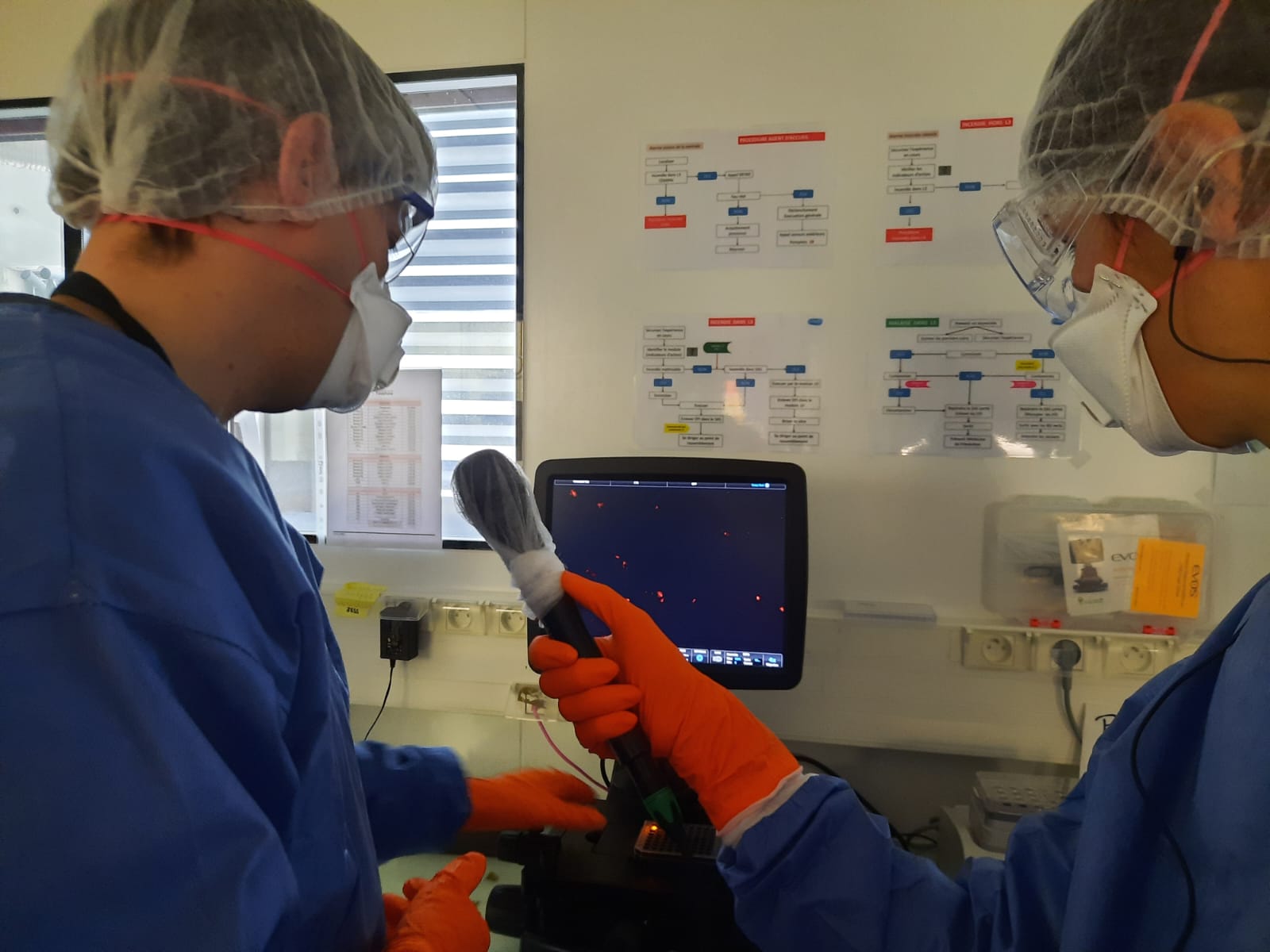
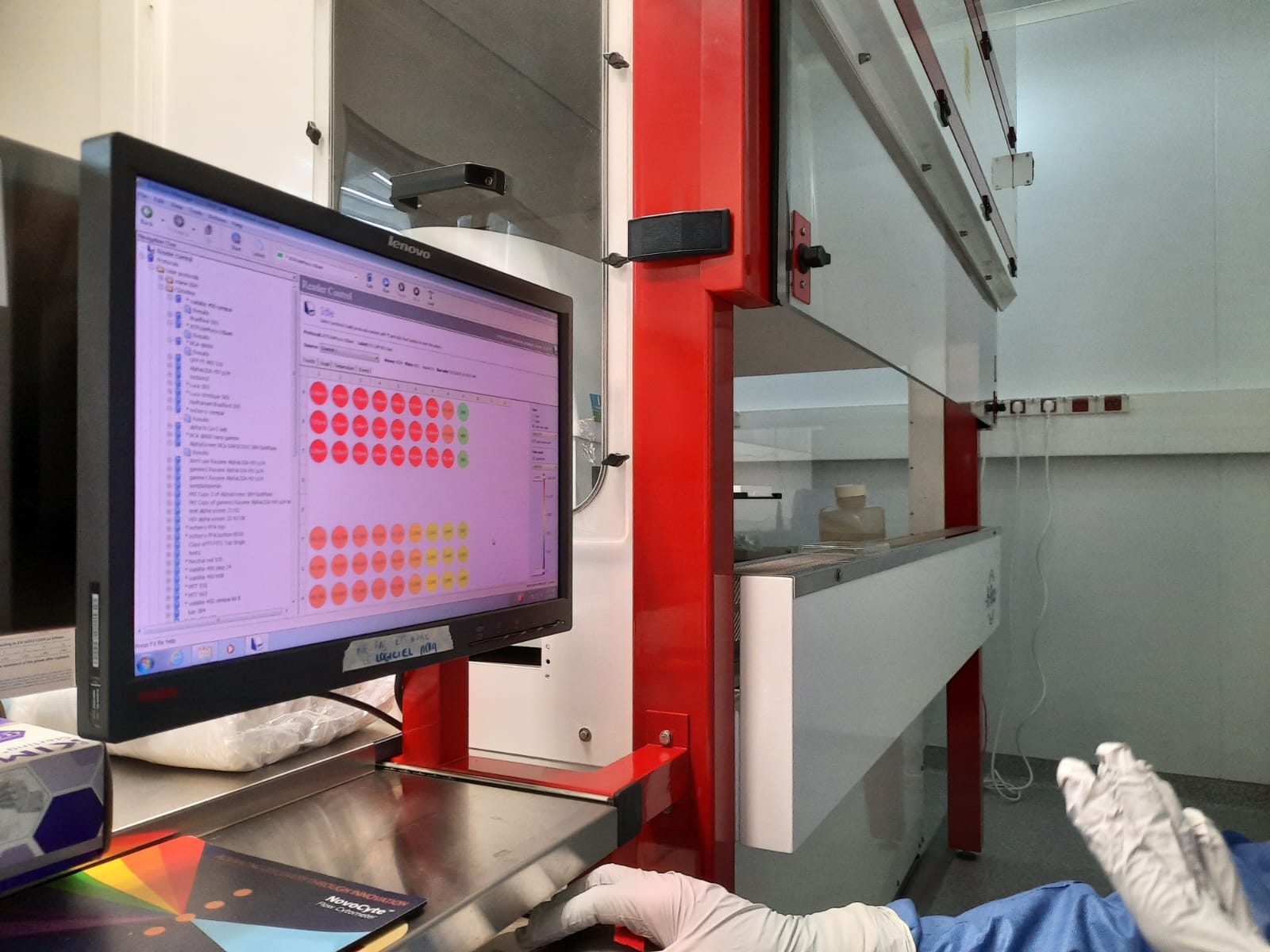
In the second half of the program, we’ll air a rebroadcast of our report from Cemipai, the Center for the Study of Infectious Diseases and Anti-Infective Pharmacology, where we meet Aymeric Neyret, a research engineer at the University of Montpellier and a specialist in electron microscopy. Safely sheltered behind his biosafety cabinet, he scrutinizes viruses to better identify molecules capable of neutralizing them and developing new treatments.



At "UM : Science," here's the lineup—let's get started!
Co-production: Divergence FM / University of Montpellier
Host: Lucie Lecherbonnier
Interview: Lucie Lecherbonnier / Aline Périault
Reporting and editing: Lucie Lecherbonnier / Aline Périault
Director: Tom Chevalier
Listen to the show “A l’UM la science” on Divergence FM 93.9