"UM : Science" [S04-ep09]: Ensuring Safe Pain Management
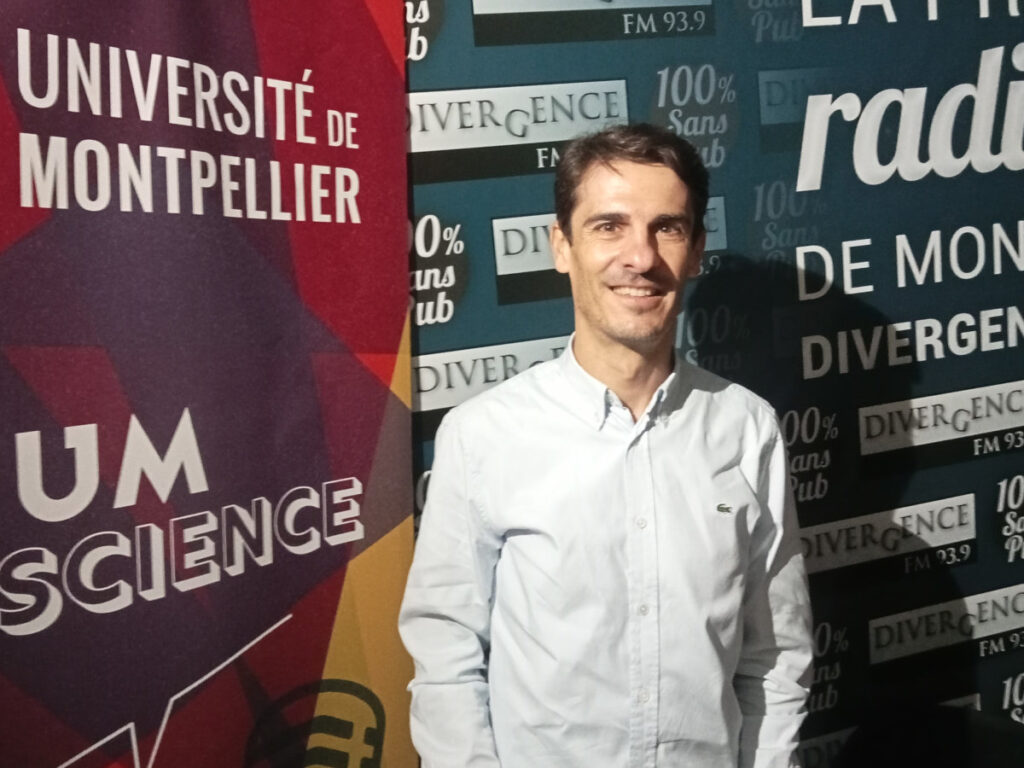
This week on *A l’UM : Science*, Cyril Rivat, a researcher at the Montpellier Institute of Neuroscience, presents promising new avenues for making opioid-based pain treatment safer. The report takes you to the Synbio 3 platform , and our guest in the final three minutes invites you to a conference on restrictive diets. A show broadcast every Wednesday on Divergence FM 93.9.
A headache, a toothache, a stiff back as the first chill of winter sets in—and there we are, rummaging through the medicine cabinet in search of the last paracetamol tablet. But what happens when the pain sets in and paracetamol and ibuprofen are no longer enough? Since the range of available pain relievers isn’t infinite, chronic pain often goes hand in hand with opioids. Of course, not everyone takes morphine, but other medications have quietly made their way into our pharmacies: codeine and tramadol, which, starting December1, will require a secure prescription. Why?
According to a survey conducted by the French drug surveillance network, the number of people with substance use disorders who identified tramadol as the primary substance that led to their addiction has increased 17-fold over the past 10 years. The mechanism is similar to that of other non-prescription drugs: slightly too frequent use over slightly too long periods of time, leading to the development of tolerance to the substance while, paradoxically, sensitivity to pain increases. So people also increase the doses and frequency, and when that is no longer enough, some move on to the next level: oxycodone, fentanyl, buprenorphine.
This crisis has claimed the lives of more than 800,000 Americans in 25 years (Fentanyl, cocaine, “zombie drug”: Opioids Combined with Stimulants Continue to Wreak Death and Destruction in the United States, in The Conversation, November 12, 2024). What is now known as the opioid crisis continues to accelerate, with an estimated 82,000 deaths between February 2021 and February 2022, according to the U.S. Centers for Disease Control and Prevention.
So, in the face of this crisis, what can be done? Since we cannot in good conscience leave those suffering from chronic pain to endure it without a solution, the challenge would therefore be to eliminate or limit this phenomenon of opioid tolerance and this hypersensitivity to pain, which lead to ever-increasing doses.
Our guest rose to this challenge. Cyril Rivat is a researcher at the Montpellier Institute of Neuroscience. On November 7, along with other colleagues from the University of Montpellier, Inserm, and the CNRS, among others, he published an article in *Nature Communications* titled “Inhibition of FLT3 signaling suppresses opioid tolerance and hyperalgesia while preserving analgesia.” He discusses this with us on *A l’UM la science*.
In the second part of the program, we’ll continue with the topic of medications and take you to the Synbio 3 platform, which is affiliated with the Max Mousseron Institute for Biomolecules. Pascal Verdié will explain how he and his colleagues in the peptide synthesis lab synthesize biomolecules and polymers of biological and pharmaceutical interest.
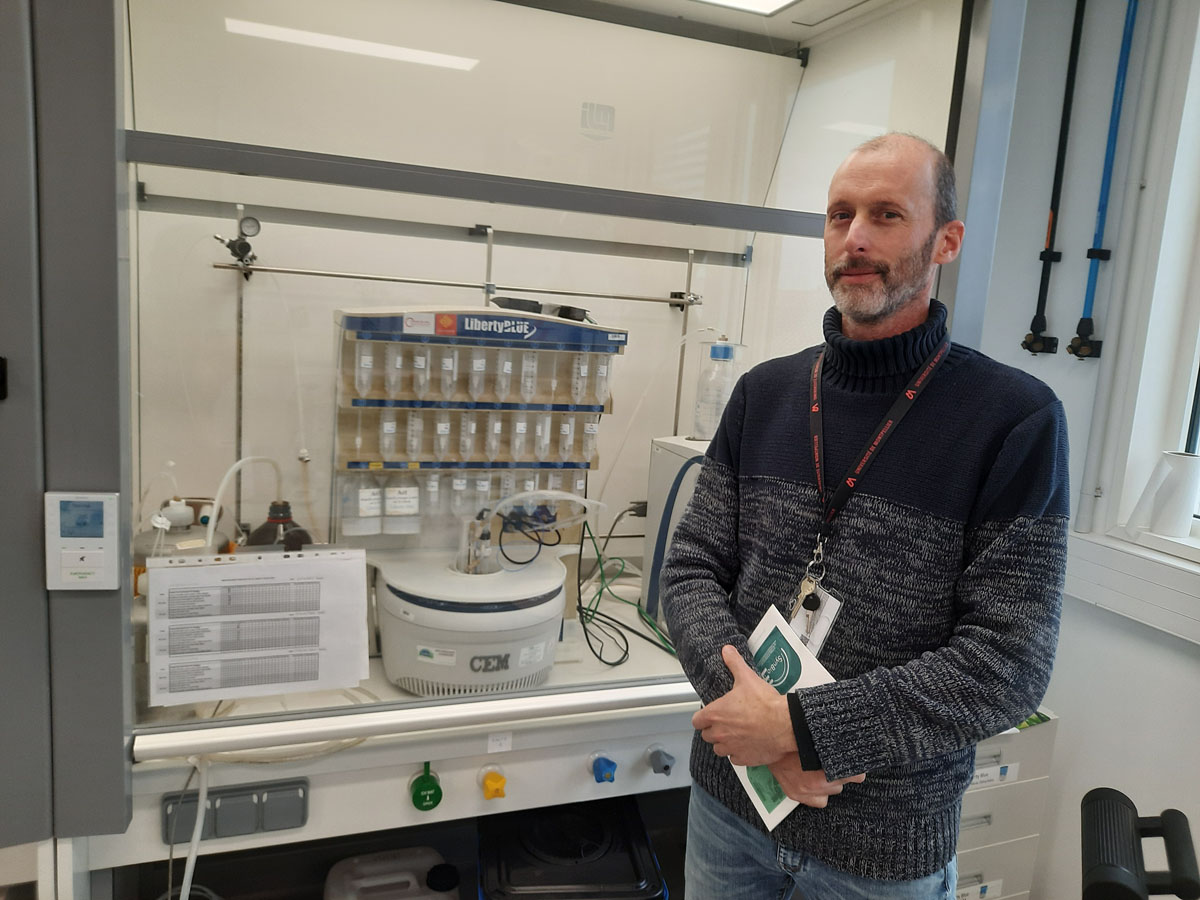
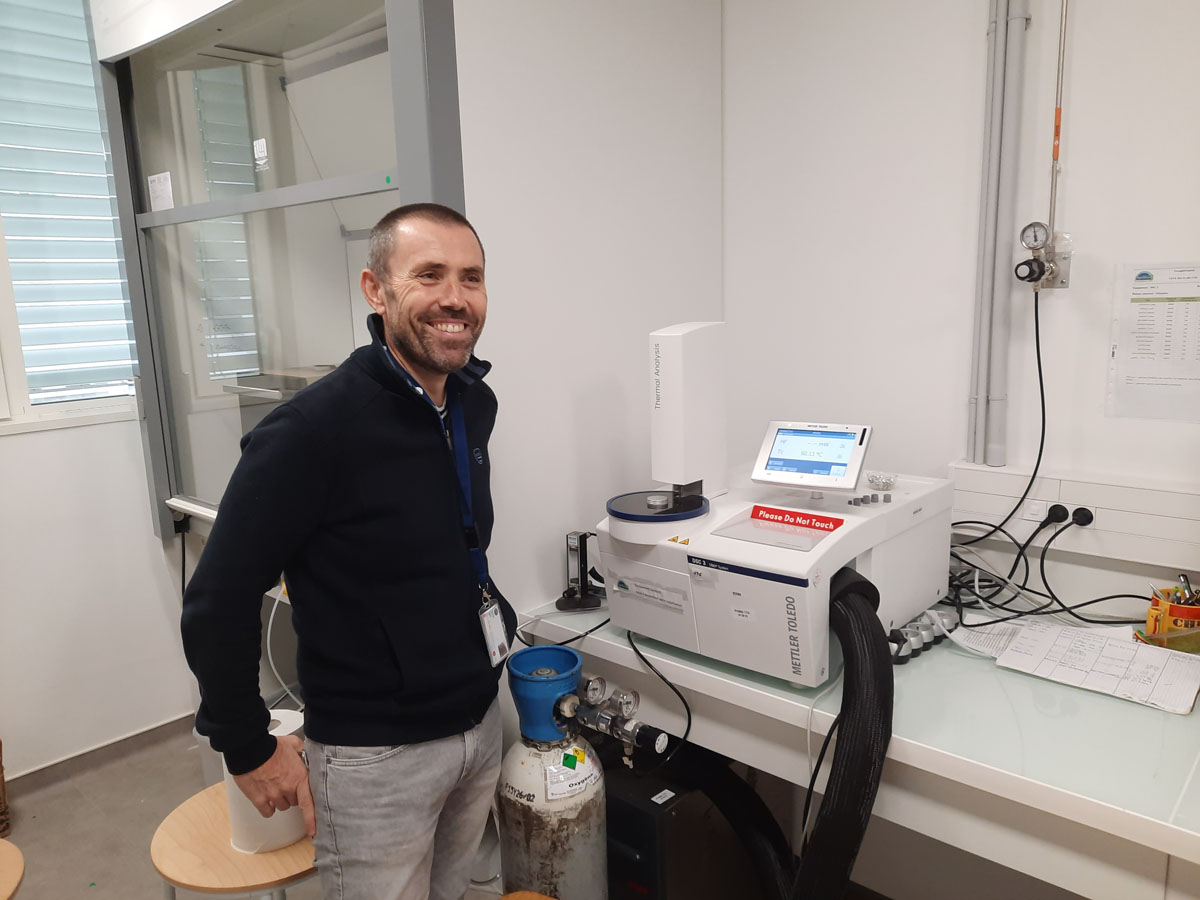
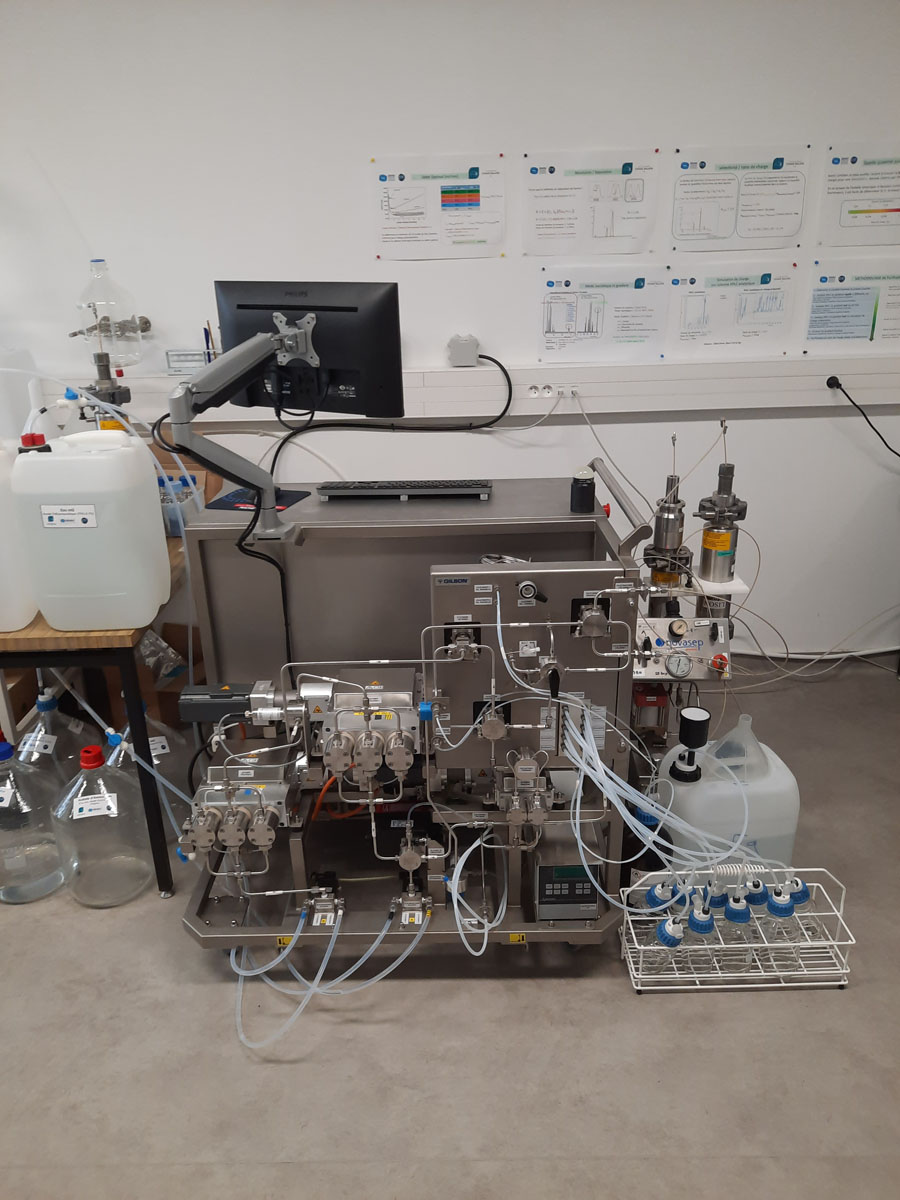
At the end of the program, Florian Bergohne, a project manager with the Handiversité department, introduces a public lecture that will take place on November 21 on the Triolet campus from 12:15 p.m. to 1:30 p.m. on the topic “Restrictive Diets? What Are the Consequences and How Should We Address Them?”
At "UM : Science," here's the lineup—let's get started!
Co-production: Divergence FM / University of Montpellier
Host: Lucie Lecherbonnier
Interview: Lucie Lecherbonnier / Aline Périault
Reporting and editing: Lucie Lecherbonnier / Aline Périault
Director: Tom Chevalier
Listen to the show “A l’UM la science” on Divergence FM 93.9