"UM : Science" [S04-ep18]: City Halls and Natural Disasters
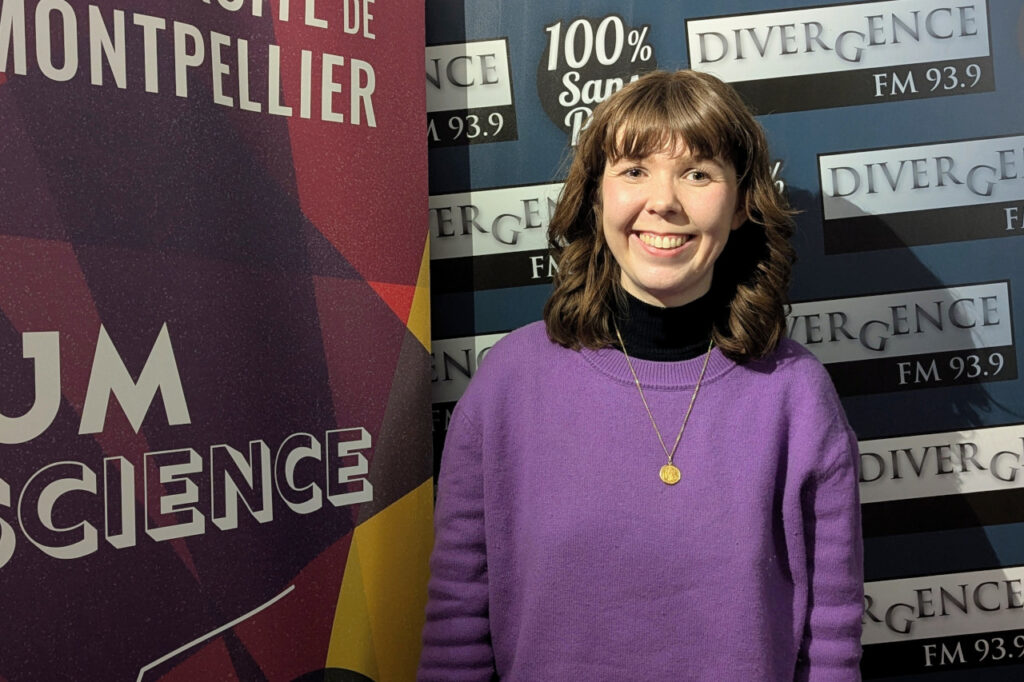
This week on *A l’UM * science, Carla Morvan, a researcher at the CEE-M presents her study on municipalities’ budgetary responses to natural disasters. Alexis Verhassel gives us a tour of the library of legal history, and Thomas Pichery shares the program for the upcoming Bar des sciences. The show airs every Wednesday on Divergence FM 93.9.
In late January, 70 municipalities in Brittany, including Rennes, were hit by the worst flooding the region had seen in at least 40 years. The Ille and Vilaine rivers flooded in the wake of Storm Herminia. According to the Caisse Centrale de Réassurance, 6,000 to 8,000 homes were affected, with damages estimated at between 130 and 160 million euros. A drop in the bucket, so to speak, compared to the floods that struck the Valence region and Catalonia in the fall of 2024. While the property damage there was colossal—this time estimated in the billions of euros—it is the heavy human toll—240 dead and missing—that history will remember.
And what about Mayotte, which was devastated by Cyclone Chido last December? While the death toll remains unclear (current estimates put it at 39), the cost of insured property damage has been estimated by the public reinsurer at 800 million euros, given that only 6% of Mayotte residents have insurance.
Floods, storms, droughts, cyclones, landslides—wherever natural disasters strike, it takes years for communities to recover. These situations highlight the complexities of France’s multi-layered administrative system. Who do you turn to when your home is devastated? When a road is impassable or your children’s high school is condemned? City hall, the department, the region, the state… Each has its own jurisdiction, so when in doubt, citizens most often turn to the elected official closest to them: their mayor.
How do these often rural municipalities manage these natural disasters? What tools do they have at their disposal? What budgetary responses can they implement? These are among the questions that Carla Morvan, a researcher at the Montpellier Center for Environmental Economics, explored in her latest study, published in *La revue économique* last December and titled *Municipalities’ Budgetary Responses to Natural Disasters*.
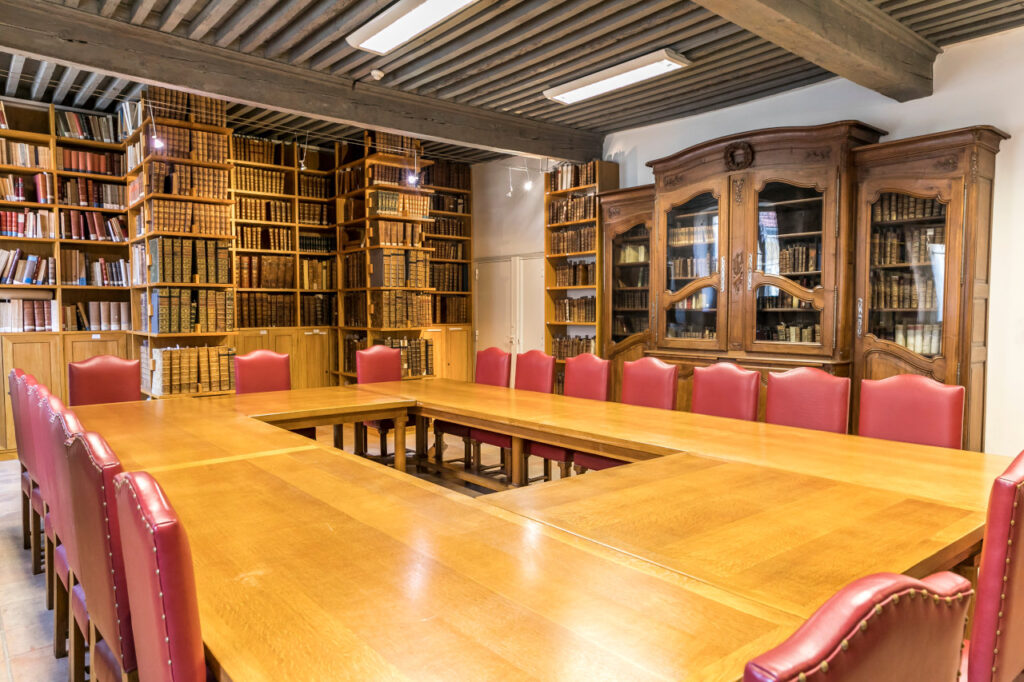
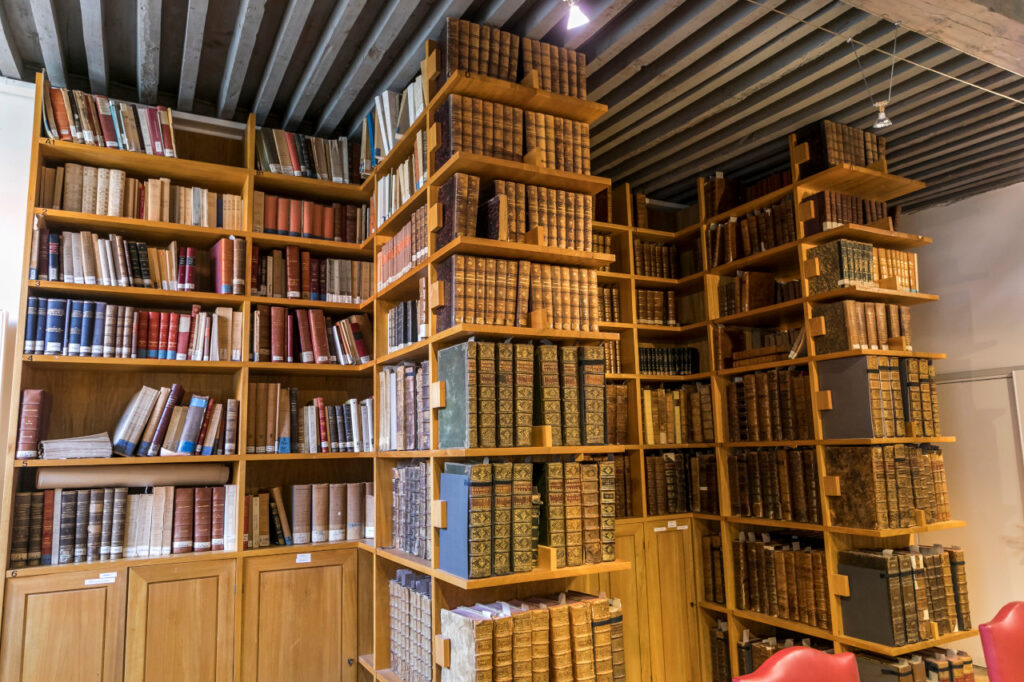
In the second half of the program, we’ll take you to the School of Law and Political Science, where Alexis Verhassel gave us a tour of the library of legal history.
Our guest for the final three minutes is a regular on this show, like the calm after the storm. Thomas Pichery will introduce us to the upcoming “Science Bar,” taking place this Thursday at 8:30 p.m. at the Dôme, on the topic: “In Search of Rare Earths: Geosciences in the Energy Transition.”
At "UM : Science," here's the lineup—let's get started!
Co-production: Divergence FM / University of Montpellier
Host: Lucie Lecherbonnier
Interview: Lucie Lecherbonnier / Aline Périault
Reporting and editing: Lucie Lecherbonnier
Director: Robin Laillou
Listen to the show “A l’UM la science” on Divergence FM 93.9
Check out theUM podcasts, now available on your favorite platform (Spotify, Deezer, Apple Podcasts, Amazon Music, etc.).