Innovation After-Work 2026: Seven Winners Honored with PUI Awards
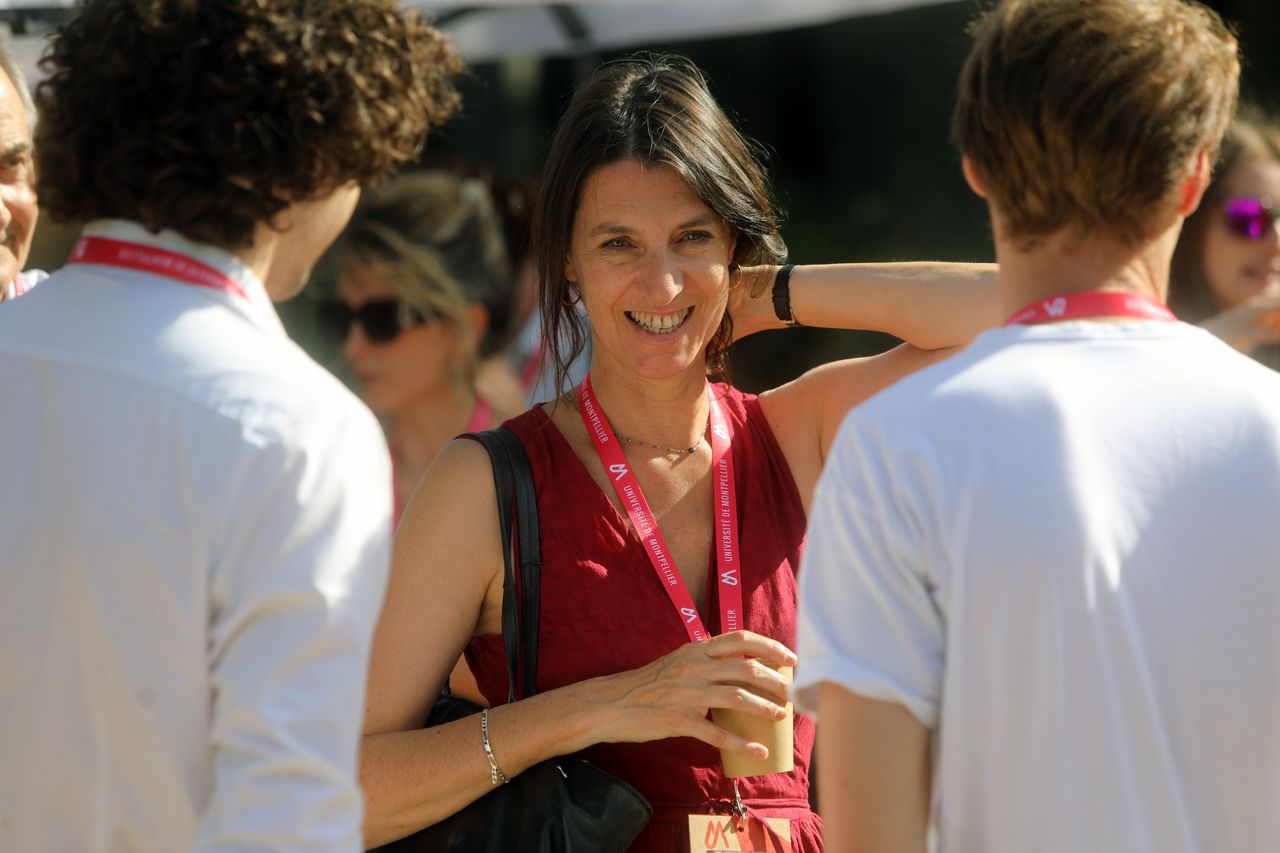
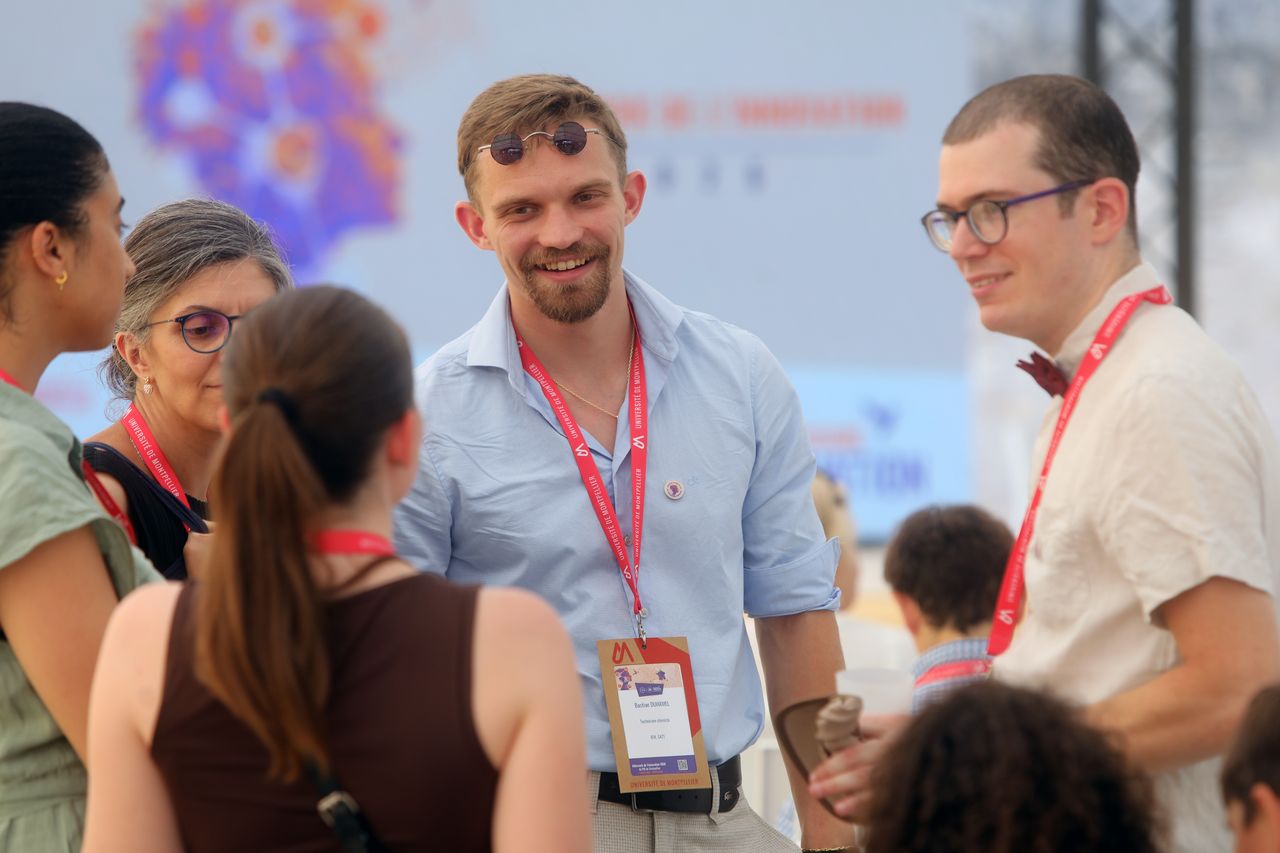
On Wednesday, July1, the University Innovation Cluster (PUI) in Montpellier celebrated its seventh annual “Innovation Afterwork” event, centered on the theme: “The Role of the Region in the National Innovation Strategy.” The event provided an opportunity to present six innovation awards as well as the“Coup de cœur” innovation award from Montpellier Méditerranée Métropole.
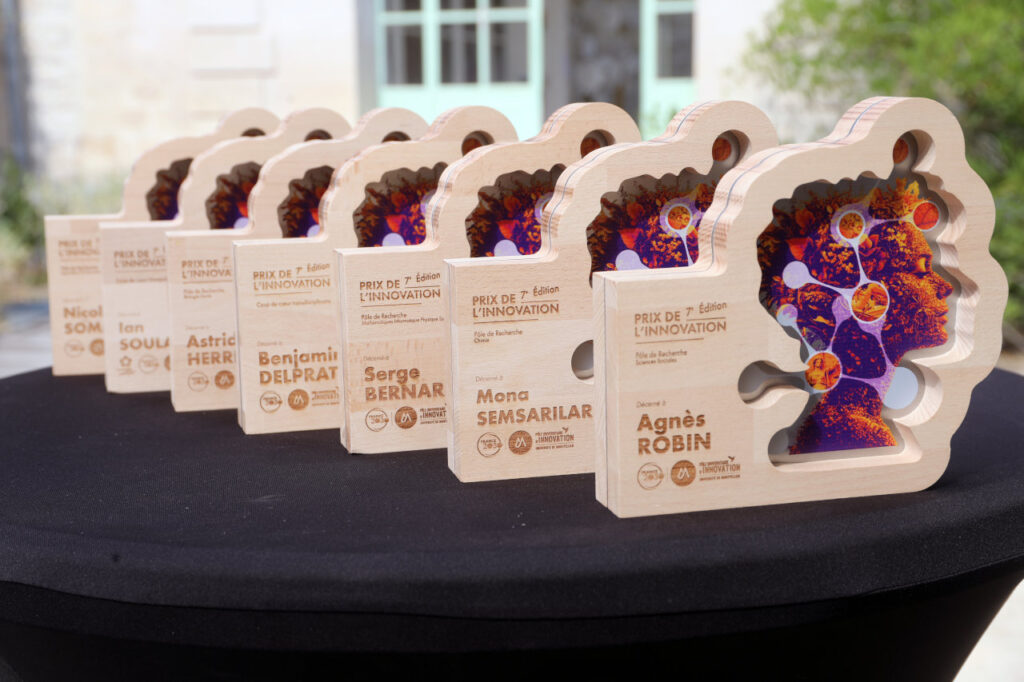
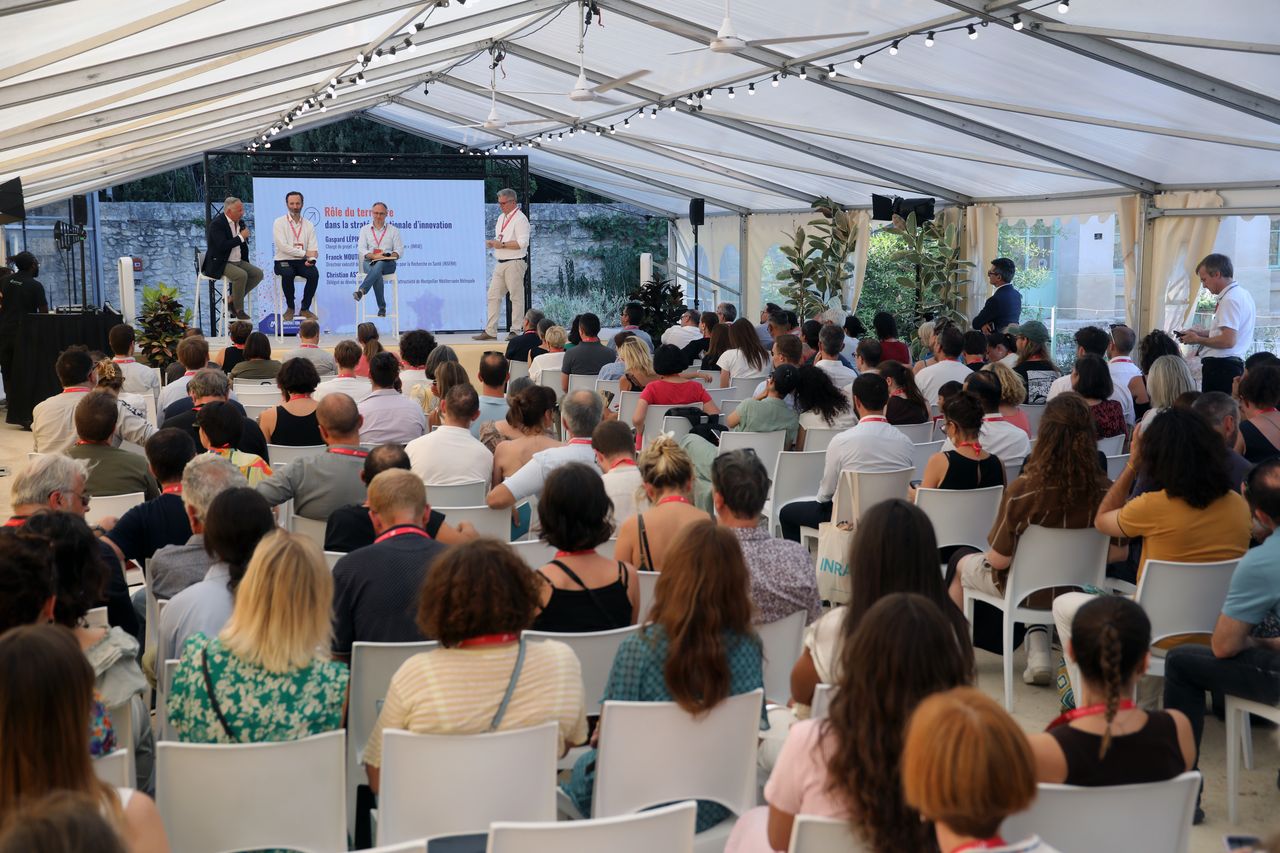
Innovation takes root in local communities. This was the central vision that the Montpellier PUI demonstrated during this seventh edition of the Innovation Afterwork event, held on Wednesday, July1, at the Orangerie in the Jardin des Plantes. After dedicating the previous edition to raising awareness among students, stakeholders from the research and socio-economic sectors gathered this year to address a central question: What role do local regions play in the national innovation strategy?
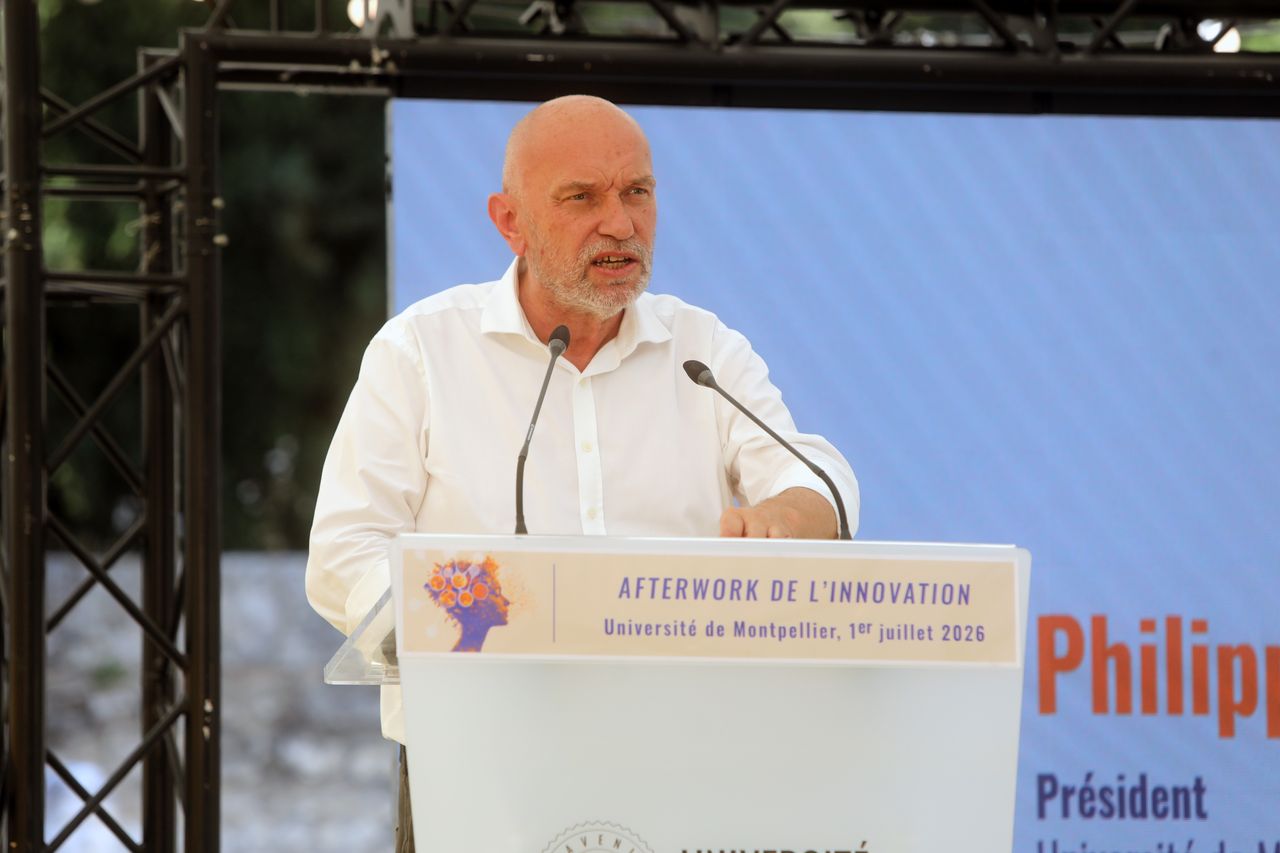
“This is a theme that emerged quite naturally,” explained Philippe Augé, president of the University of Montpellier, in his opening remarks. “The PUI has become a key tool for our region, particularly by enabling us to implement national innovation strategies at the local level.”
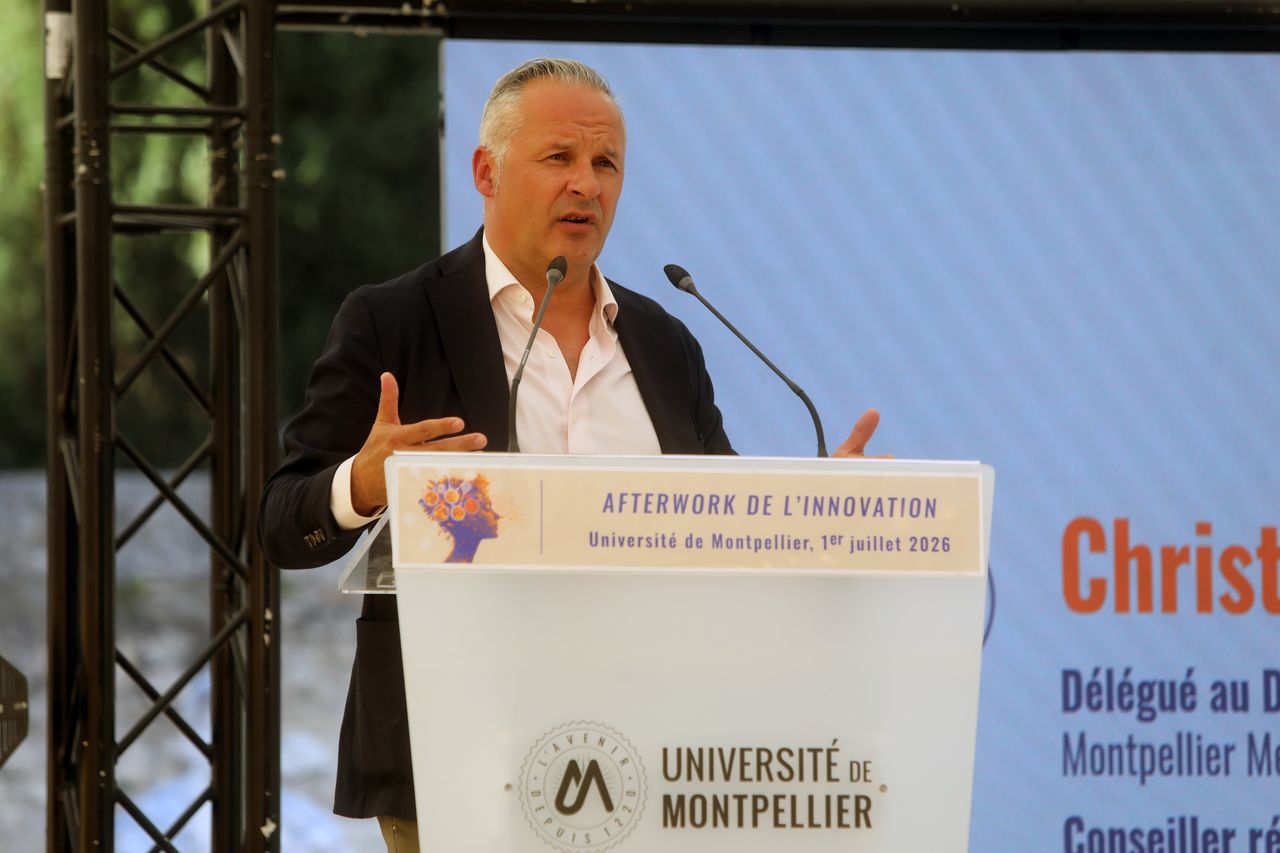
Among the speakers, Christian Assaf, vice president in charge of economic development and the Montpellier metropolitan area’s appeal—who is also a regional councilor—reiterated the two local governments’ commitment to innovation. According to him, Montpellier Méditerranée Métropole and the Occitanie Region have made a “deliberate political choice” to support this ecosystem, convinced that “intellectual capital is a valuable resource for our region.”
The Territory at the Heart of the National Strategy
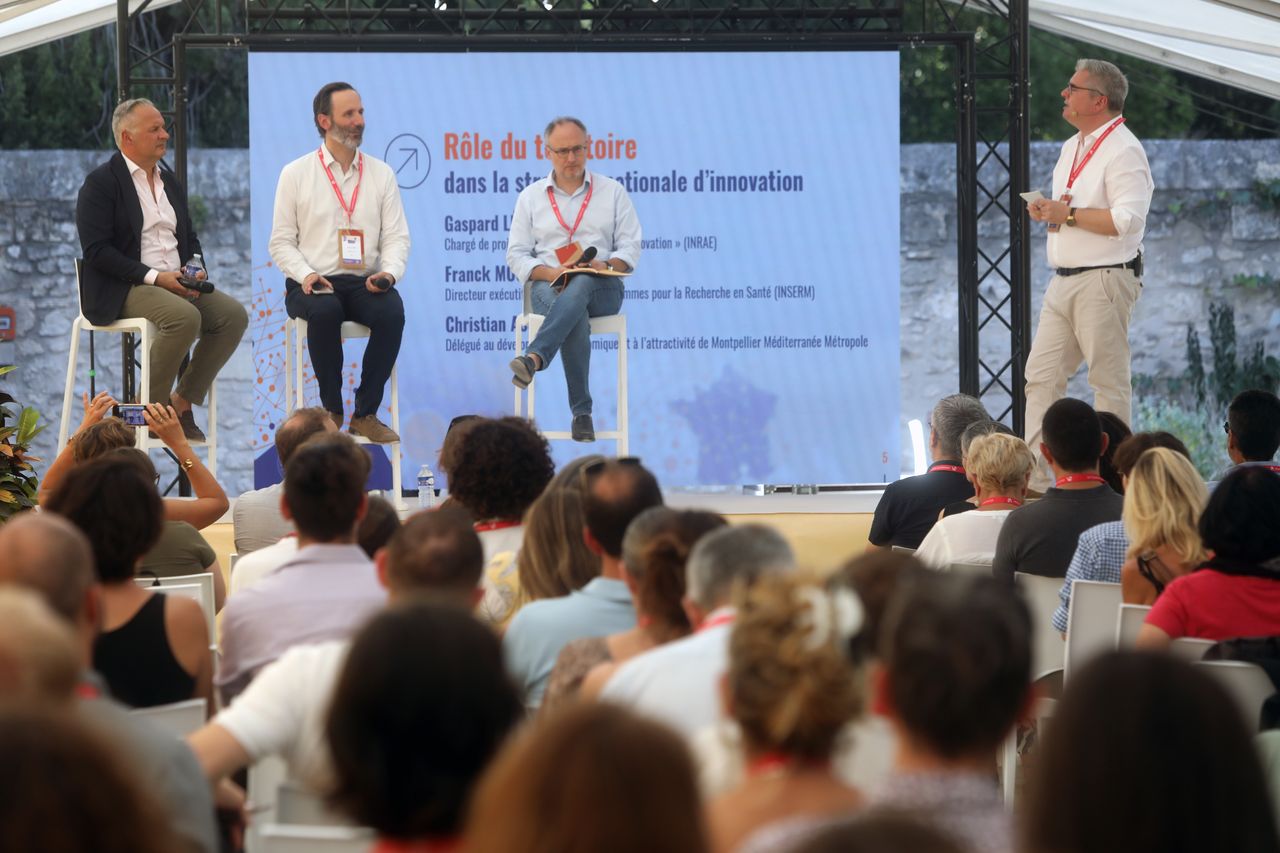
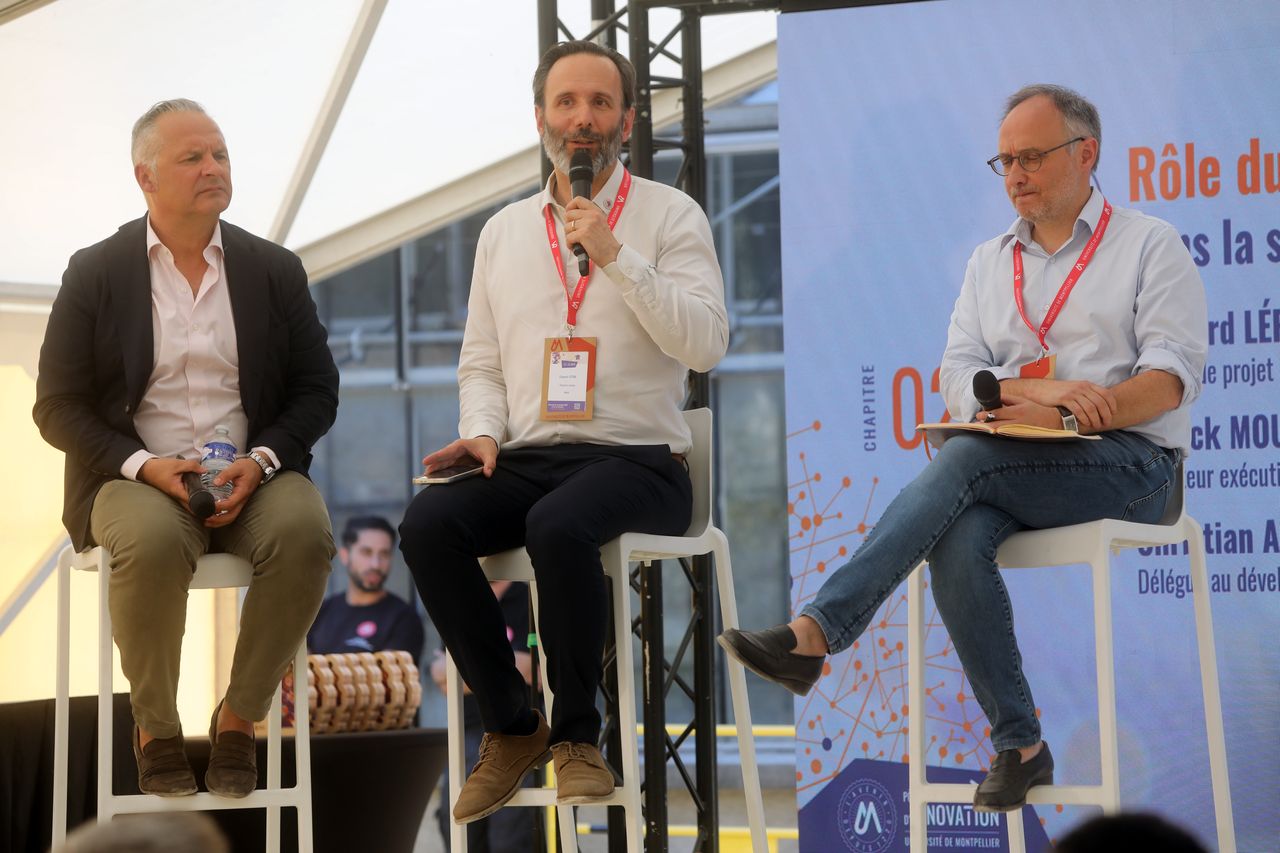
Christian Assaf also took part in a roundtable discussion alongside Gaspard Lépine, project manager for “University Innovation Hubs” atINRAE, and Franck Mouthon, executive director of the Agency for Health Research Programs atINSERM. This led to candid and constructive discussions on the challenges involved in improving connectivity between regional levels and the national level, thereby creating the mechanisms needed to “move from a mille-feuille to a pièce montée,” as Gaspard Lépine put it. The most anticipated part of the evening began with the announcement of the winners of the PUI Innovation Awards and the presentation of the trophies.
Social Sciences Division Innovation Award
The first award recipient to take the stage at the Afterwork event was Agnès Robin, an associate professor of private law at the University of Montpellier, director of the master’s program in intellectual property and digital law, and director of the University of Montpellier’s Laboratory for Innovation, Communication, and Markets (Licem). She was recognized for her JurisDoR project, an open-source website accessible to everyone, designed to answer questions regarding the application of open science law. “The rules are complex and numerous, so we needed to create a resource center that was as reliable as possible,” she explains.
Since JurisDoR is supported by the Ministry of Higher Education, Science Research , and Space, the project already enjoys significant visibility: “I view this award as recognition by the academic community of the work we’ve carried out over at least two and a half years, together with my postdoctoral fellow, Laura Tomasso,”said the award winner.
Innovation Award from the Agriculture, Environment, and Biodiversity Cluster
The second innovation award was presented to Nicolas Sommerer, head of the polyphenol analysis platform (INRAE) in Montpellier, for the BioSanThé project, for which the company of the same name will be established by the end of the year. BioSanThé is developing an innovative aeroponic cultivation method for tea plants that enables the sustainable production of high-value-added bioactive compounds, while making full use of the entire plant and recycling 95% of the water used.
Designed for the cosmetics, nutraceuticals, and pharmaceutical industries, this line of teas enriched with bioactives is already on the market. “This award is a catalyst for generating qualified leads for BioSanThé,” says Nicolas Sommerer. According to him, the Afterwork event is a “timeless” moment that also allows the project’s partners to reflect on how far they’ve come: “It further strengthens—if that were even necessary—our motivation for the next stages of commercialization.”
Biology and Health Cluster Innovation Award
The third award of the evening went to the Flowgraft project, led by Astrid Herrero, a professor of gastrointestinal surgery specializing in hepatobiliary surgery and liver transplantation at Montpellier University Hospital. It is a secure digital platform designed to optimize logistics, traceability, and ultimately the quality of organs, from procurement through transplantation.
“This award recognizes the collaborative efforts of stakeholders in Montpellier and across the country who have been working on this project for several years,” said the winner. “It gives us visibility. That’s essential, because Flowgraft will only succeed if everyone involved in transplantation, organ retrieval, and donation uses it.”
Taken from the Mathematics, Computer Science, Physics, and Systems Division’s innovation initiatives
The fourth prize went to Serge Bernard, a research director at the CNRS, for the DeepPulseNeuroproject: a minimally invasive technology for deep brain exploration via endovascular access, designed to improve the diagnosis and monitoring of patients with epilepsy. The company DeepPulseNeuro was founded in October 2025.
“This award is an important milestone among the many that mark the progress of this project,” says Serge Bernard. “It’s a recognition that brings local visibility to DeepPulseNeuro, but it’s not an end in itself. It’s a very positive development to add to all the other elements that shape this project.”
Chemistry Cluster Innovation Award
Mona Semsarilar, a research director at the CNRS, received the Chemistry Cluster’s Innovation Award for the NovaSorb project, which aims to develop an adsorbent material capable of effectively capturing all PFAS, including short-chain compounds, to address the public health challenges associated with these “forever chemicals.”
“This is a strong encouragement to continue developing this material, which aims to provide a concrete solution to a major environmental challenge,” said Mona Semsarilar. “This award also gives us valuable visibility within the University of Montpellier and the innovation ecosystem, which will clearly help accelerate the next stages of the project.” The launch of an associated startup is planned for early 2027.
PUI “Coup de cœur” Award
This year, Benjamin Delprat, a research director at Inserm, received the “Coup de cœur” award for his Wolsit project, which led to the founding of Sitera Pharmaceuticals in 2025. The company is developing an innovative therapeutic strategy targeting Mitochondria-Associated Membranes (MAM) to treat Wolfram syndrome and other neurodegenerative diseases.
“ “Our therapeutic strategy is to develop small molecules to treat neurodegenerative diseases, ” explains Benjamin Delprat. “For now, the focus is on treating rare diseases, but we will then expand to other conditions that affect more patients, such as Alzheimer’s or Parkinson’s,” Benjamin Delprat hopes that this transdisciplinary award will help raise the profile of his project, particularly at the national and even international levels.
Montpellier Méditerranée Métropole “Favorite” Award
The metropolitan area’s “Coup de Cœur” award, established in 2025, was presented this year to the I3M2P project, led by Ian Soulairol— Professor r at the University of Montpellier and a pharmacist at the Nîmes University Hospital—which led to the founding of MB Therapeutics in 2023. MB Therapeutics positions itself as the world’s first startup to offer an industrial, scalable solution for the automated production of personalized medications directly in pharmacies.
“Receiving this award is a recognition and an honor for such a young startup,” the founder said happily . “It helps raise our profile and serves as a reminder that we are part of this entire ecosystem, which was mentioned so many times during the ceremony. A company like ours needs advocates, and this award is one of them.”
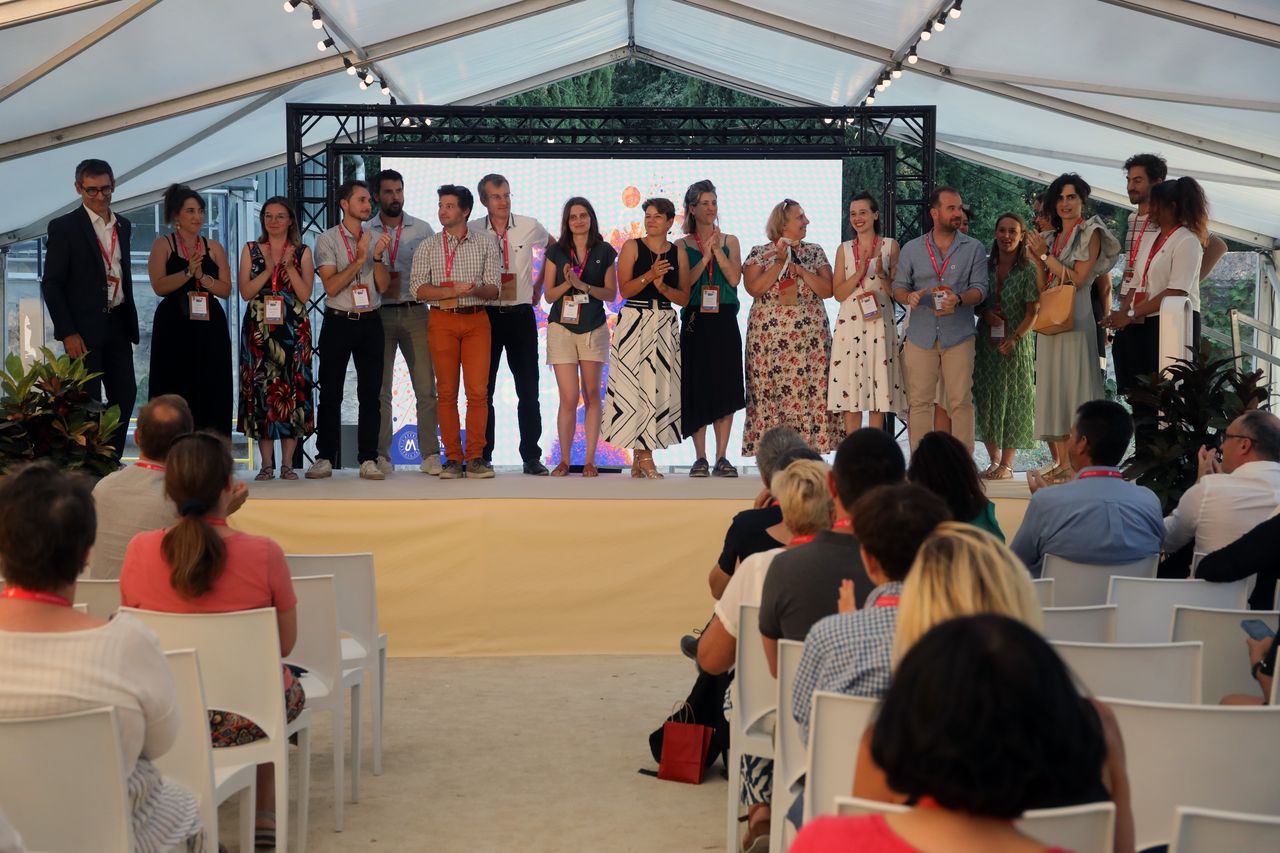
To conclude this latest edition of the Innovation Afterwork event, before giving way to a casual get-together over a buffet, the closing remarks naturally went to Philippe Combette, Vice President of the University of Montpellier in charge of innovation and partnerships. After noting that the PUIs succeed locally thanks to the synergy they create with the national level, he made a point of presenting a symbolic award to the entire Montpellier PUI team and to all the operational teams of the founding members: a group that has been active since 2021, “without whom none of this would be possible.”