[LUM#16] And so it melts, melts, melts…
There is life on glaciers. This cryobiodiversity—still poorly understood—may well disappear before it has revealed all its secrets. As they retreat and shrink, glaciers are inexorably fading away. The “Life without Ice” project aims to explore this phenomenon in all its dimensions.
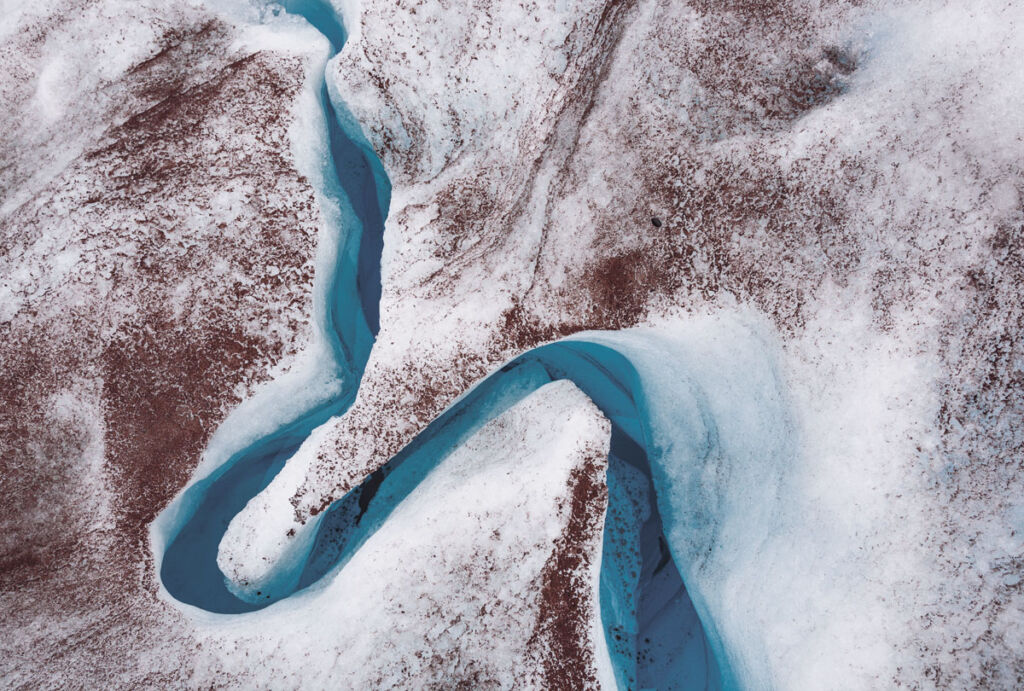
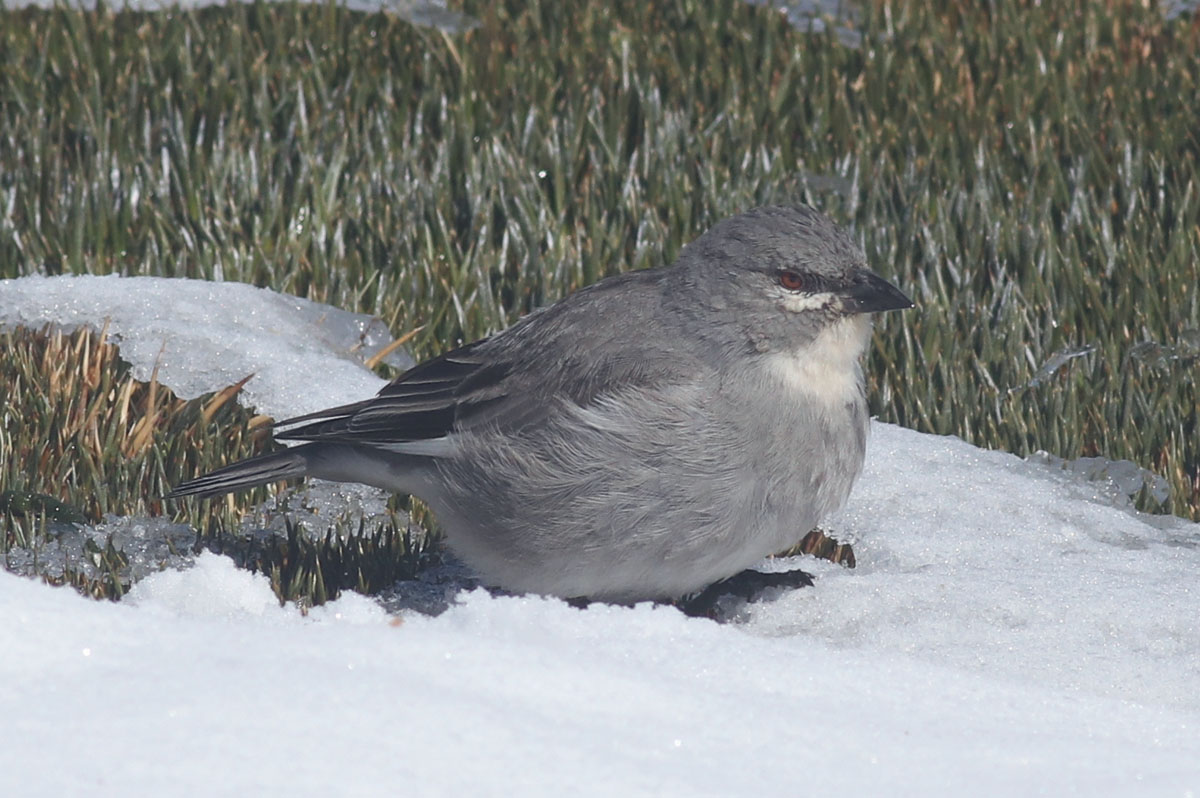
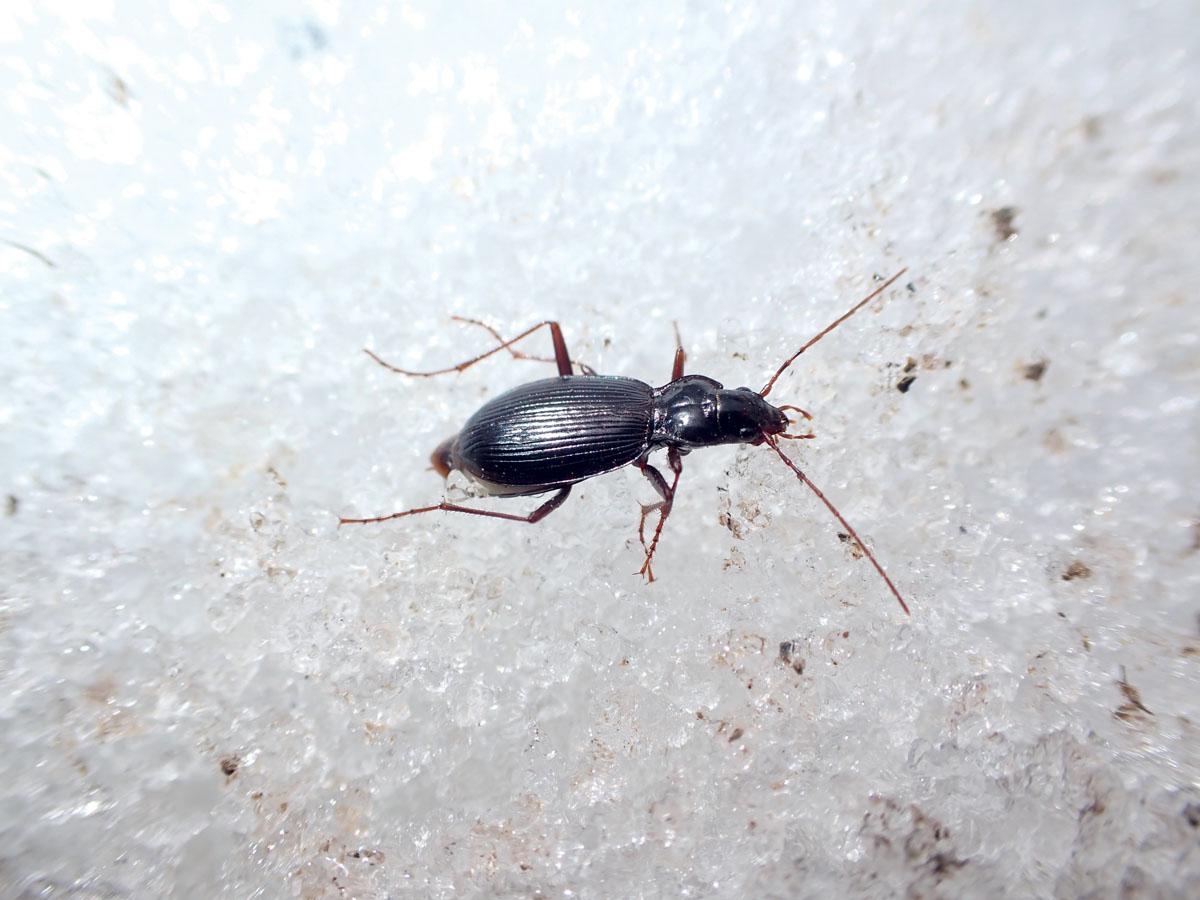
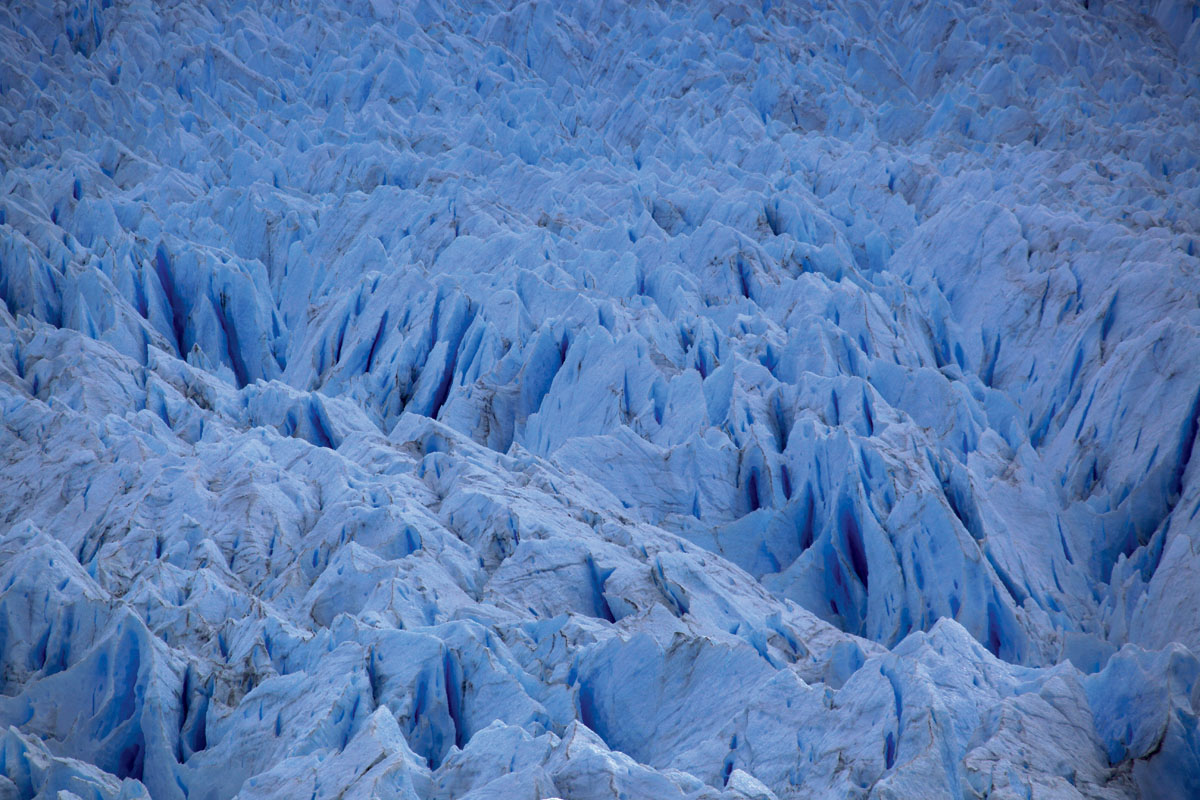
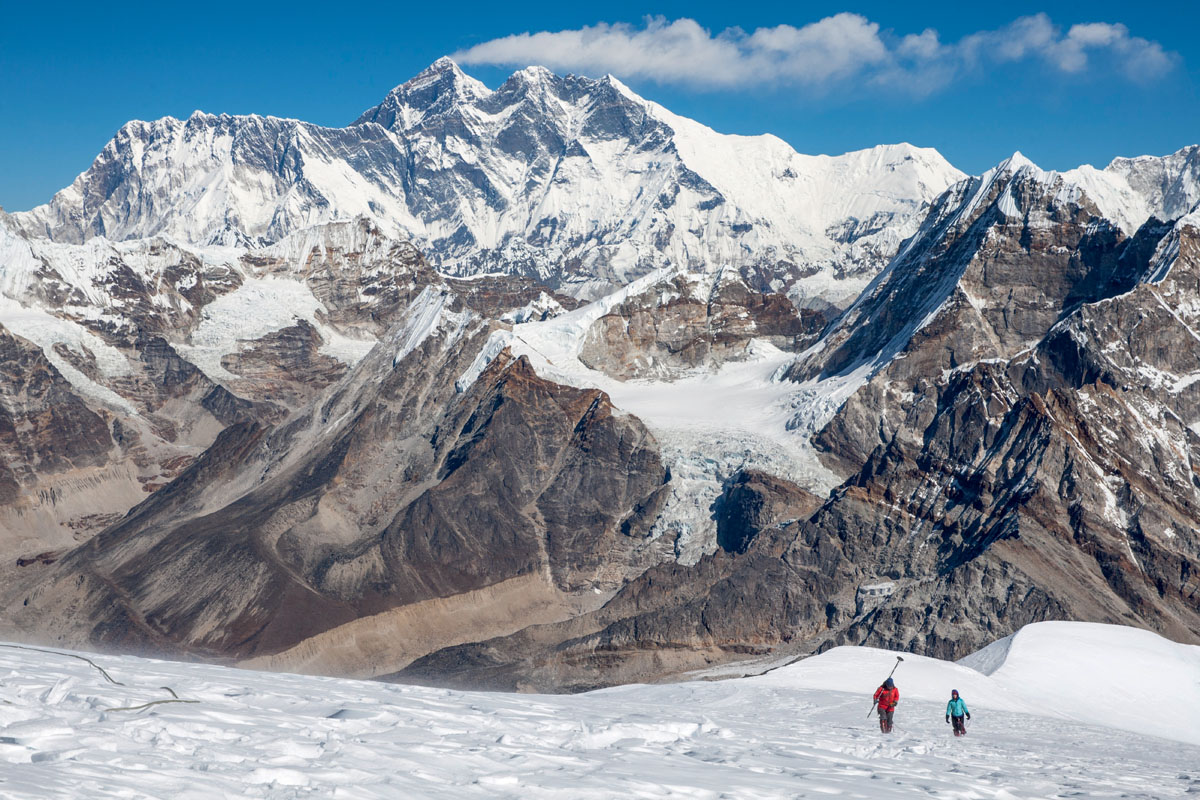
Birds, insects, crustaceans, algae, fungi, viruses, bacteria, and even tardigrades. Welcome… to the ice. An unsuspected reservoir of life that still holds mysteries: “Many of the species that make up this cryobiodiversity have yet to be described, ” explains Olivier Dangles*. But time is running out, because this extreme biodiversity is in peril. The cause: the loss of its habitat, a symbolic victim of climate change. In half a century, glaciers around the world have lost 9,000 billion metric tons of ice—equivalent to three times the volume of ice in the European Alps each year. “After using the terms ‘retreat’ or ‘recession’ in recent decades to describe glacial dynamics, we must now explore a new lexical field: that of extinction, ” laments the researcher from the Center for Functional and Evolutionary Ecology. By 2100, the total mass of glaciers worldwide will have decreased by 35% to 55%.
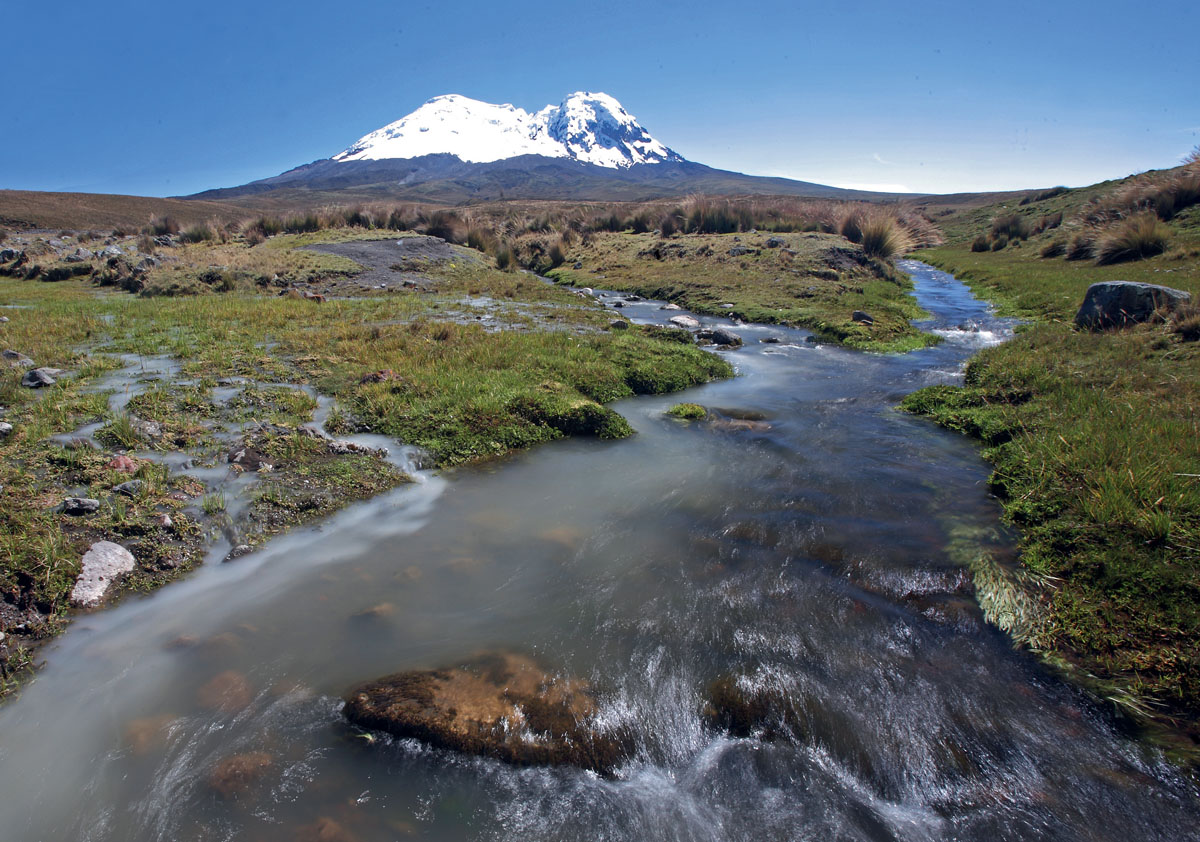
And because some of the species that make up this cryobiodiversity live only on glaciers—and nowhere else—they will go extinct along with them. “Several dozen glaciers around the world have already disappeared, along with the endemic species they harbored, ” the ecologist explains. This melting ice also impacts ecosystems up to several dozen kilometers downstream, such as plants that thrive in snowfields or live in wetland environments. “Furthermore, glaciers provide water and mineral salts that are essential for life, ” explains the researcher.
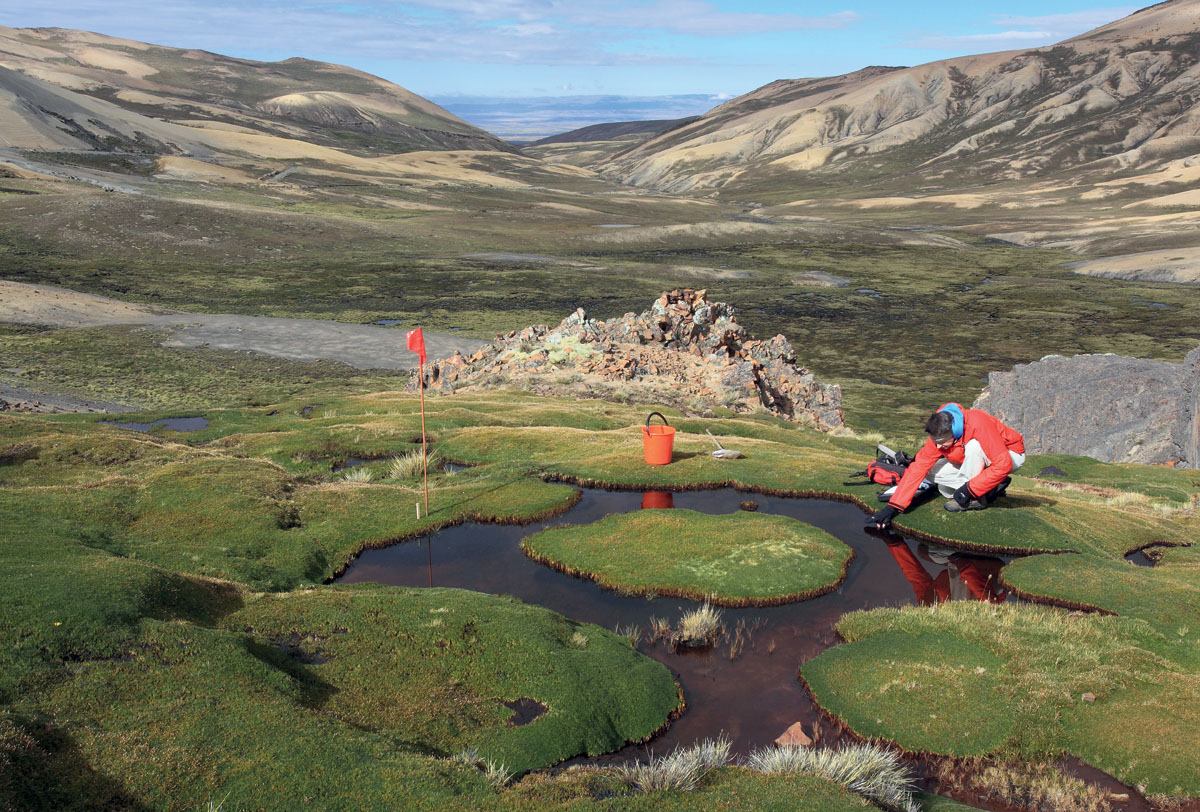
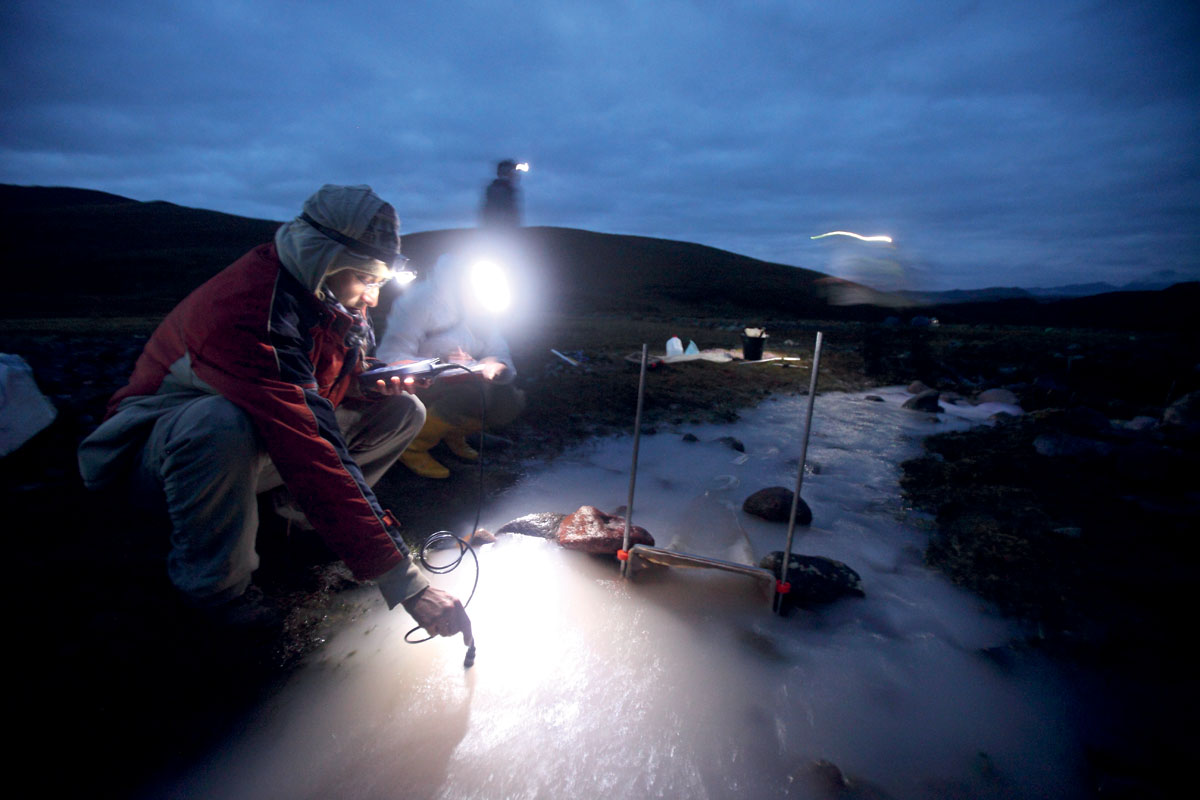
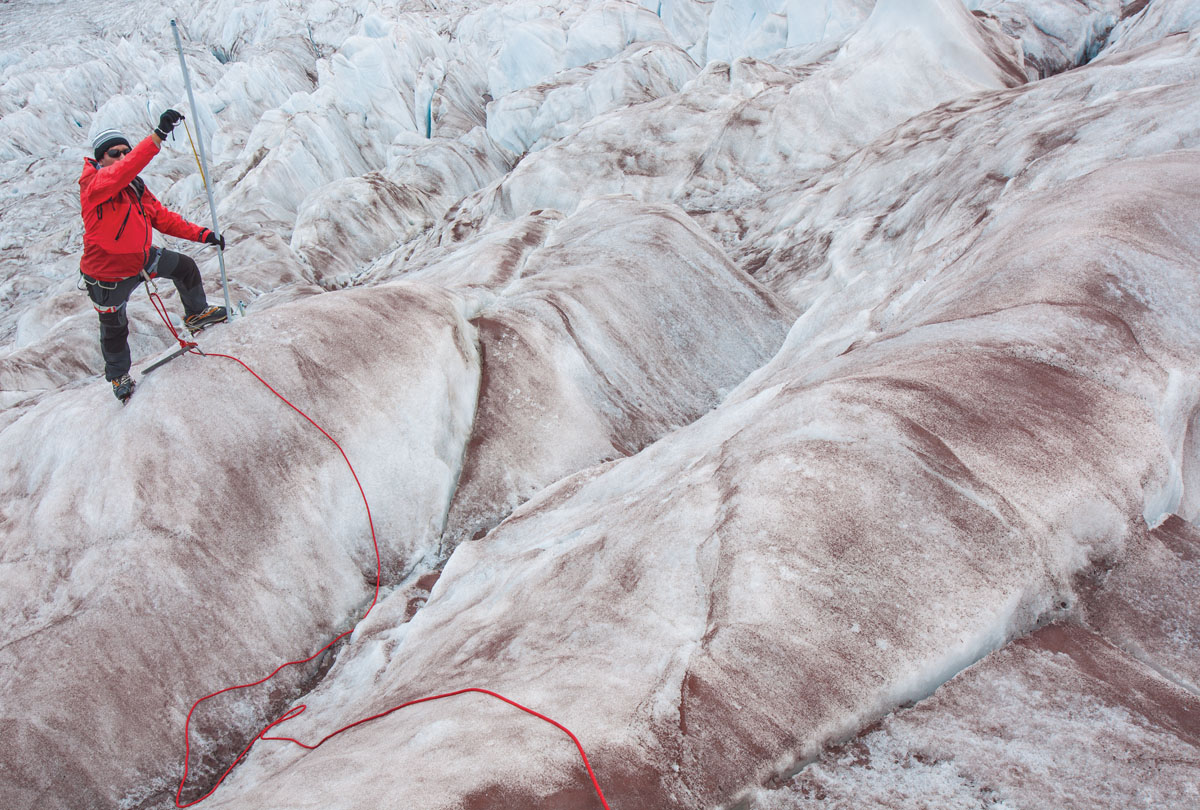
However, the ecological—as well as physical and social—consequences of the global disappearance of glaciers remain poorly understood. “Despite the urgency, no transdisciplinary study has been conducted to date, ” notes Olivier Dangles. So, to better understand this biodiversity destined to disappear—and to gain a more comprehensive understanding of the phenomenon as a whole—the researcher is participating in the “Life without Ice” project led by the IRD and INRAE. “The goal is to bring together scientists from different backgrounds and scientific disciplines to study glacier melt and its consequences.”
This project will shed more light on this famous cryobiodiversity, particularly by characterizing changes in habitats, but also by cataloging threatened species and those that might be able to adapt. It’s an ambitious goal that leaves no one indifferent, even though “it’s likely that this cryobiodiversity will disappear before it has revealed all its secrets, ” fears Olivier Dangles.
See also:
In Praise of Glaciers, Those “Dragons of the Cold” That Both Unsettle and Fascinate: An Article by Olivier Dangles on The Conversation
Check out theUM podcasts, now available on your favorite platform (Spotify, Deezer, Apple Podcasts, Amazon Music, etc.).
* CEFE (UM , CNRS, IRD, EPHE)