With Charm-UP, Europe is renewing its support for the Charm-EU alliance
On July 6, the European Commission announced the winning projects of theErasmus+ 2026 “European Universities” call for proposals. Among them is Charm-UP, led by the Charm-EU alliance, of which theUM is a member alongside eight other European institutions. This €7 million grant will enable Charm-EU to strengthen its transnational partnerships over the next two years and continue its efforts to promote institutional transformation, pedagogical innovation, and international outreach.
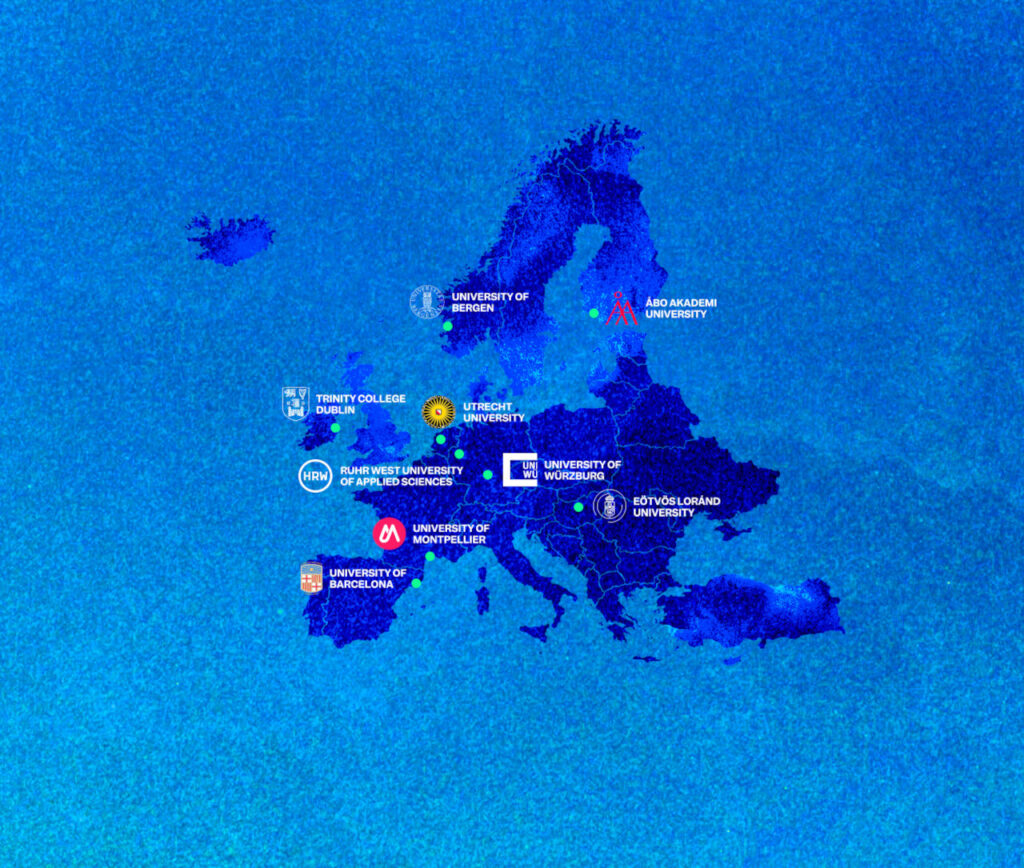
Selected in 2019 as one of the first 17 alliances under the “European Universities” initiative, Charm-EU has gradually established itself as a key player in the European Higher Education Area. This momentum was further strengthened in 2022 with the Charm-EIGHT project, supported by a new Erasmus+ grant and marked by the inclusion of new partners. Now comprising nine universities, the alliance, through Charm-UP, is demonstrating its ability to lead ambitious and sustainable transnational collaborations.
7.2 million for Charm-UP
The Erasmus+ 2026 call for proposals allocates a total budget of 145.6 million euros to provide two years of support to consortia of higher education institutions already engaged in in-depth transnational cooperation. Designed as a transitional measure leading up to the European Union’s next multiannual financial framework, it is intended to enable experienced alliances to scale up their operations, strengthen their institutional foundations, and expand their most successful initiatives. The Charm-UP project has thus secured total funding of 7.2 million euros from the European Commission, including nearly 750,000 for the University of Montpellier.
“Securing this new European funding, in a particularly challenging budgetary context, is a strong testament to the quality of the work accomplished by the Charm-EU alliance since its inception and to the relevance of its vision for a more integrated, open, and innovative European university. I am delighted that the University of Montpellier is actively contributing to this collective effort, which is bringing about lasting change in our practices in the areas of education, research, and international cooperation. “Through Charm-UP, we will continue our commitment to serving our students and staff by developing new opportunities for mobility, educational innovation, and European collaboration to address major societal challenges,” said Philippe Augé, president of the University of Montpellier.
A more integrated model
This new phase will enable Charm-EU to build on the progress already made in structural integration: joint master’s programs, professional development opportunities for early-career researchers, and the gradual rollout of micro-certifications. It will also help enhance mobility for students and staff, support the digital and ecological transitions in education, and expand Charm-EU’s reach within its nine member universities and beyond. It will further promote the dissemination of its innovations throughout the European Higher Education Area. With Charm-UP, the alliance is thus continuing to build a European university model that is more integrated, more open, and more responsive to major contemporary challenges.
“Globalization has transformed universities: they are no longer designed on a local scale, but on a European and international scale. Teaching, research, and innovation thrive thanks to talent, skills, and resources from both local and international sources. As the social and economic impact of university activity has taken on a truly global dimension, initiatives such as Charm-EU are essential tools for achieving excellence. “The Charm-EU network is driving a radical and profound transformation of the European university and research system, which is why this decisive support from the European Commission is so crucial,” said Joan Guàrdia Olmos, rector of the University of Barcelona, in an official press release.
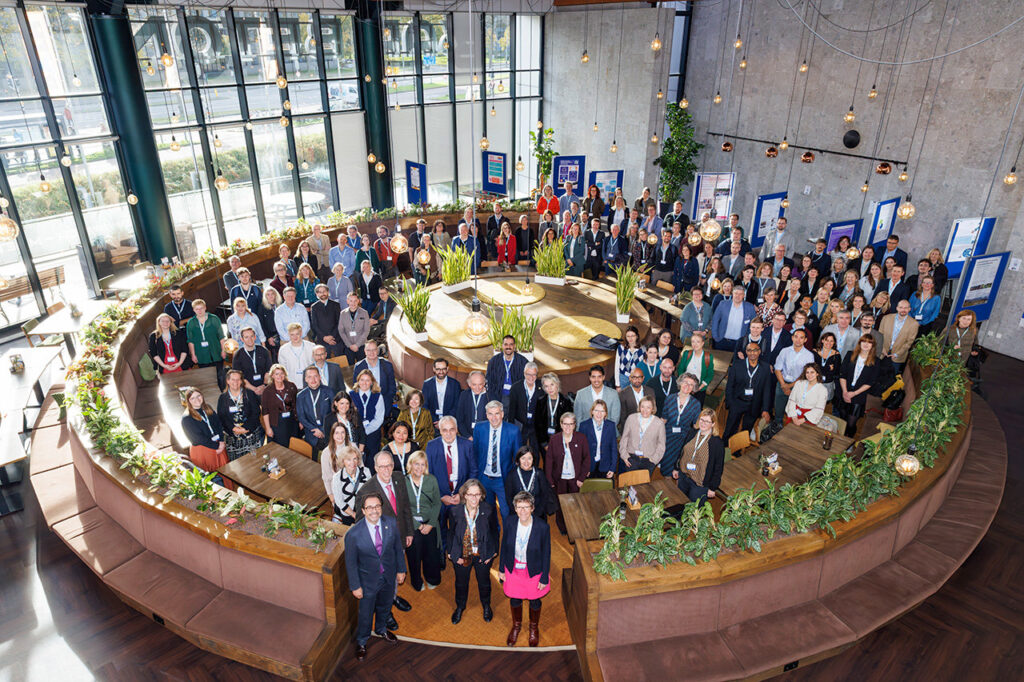
Universities of Tomorrow
Over the next two years, Charm-EU will prioritize concrete, transferable, and large-scale initiatives that benefit its entire community. Its priorities will focus on three areas: providing European responses to contemporary societal, political, and democratic challenges; further integrating digital technology, artificial intelligence, and digital sovereignty issues; developing more flexible, skills-based learning pathways, particularly through micro-certifications and lifelong learning. By securing this transitional funding in a highly competitive environment, Charm-EU reaffirms its ability to contribute—alongside other European alliances, the European Commission, and its partners—to shaping the universities of tomorrow. The University of Montpellier will participate in all of these initiatives and will specifically lead the development and organization of the joint offices—essential tools for strengthening the adoption of Charm-EU within the member universities’ administrative units and for facilitating the learning and exchange of best practices among partners.
Pending national support
In a letter sent on May 20 to the Minister of Higher Education, Research , and Space, 56 leaders of higher education institutions called for sustainable national support for European university alliances. Among the signatories, Philippe Augé took the opportunity to reaffirm the University of Montpellier’s commitment to Charm-EU, which is already contributing to the internationalization of its programs, pedagogical innovation, and the Montpellier institution’s European reach.
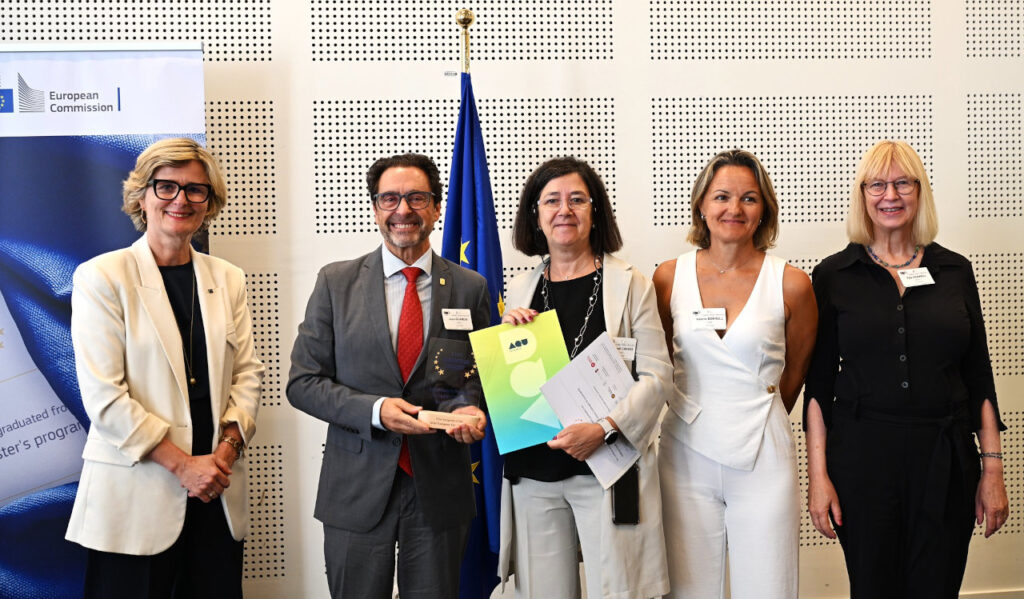
A historic European label
During an official ceremony held on July 15 at the European Commission’s headquarters in Brussels, Charm-EU became one of the first two European university alliances to be awarded the European Joint Degree Label for its joint master’s program, “Global Challenges for Sustainability.” This historic distinction highlights the role played by European university alliances in designing high-quality joint programs and in experimenting with new models of international cooperation and mobility within the European Higher Education Area. This European label represents an important step toward the creation of a joint European degree. During the ceremony, Roxana Mînzatu, Executive Vice President of the European Commission responsible for social rights and skills, quality jobs, and resilience, emphasized the importance of this label: “Today’s awarding of the first European joint degree labels marks the beginning of a new chapter for European higher education. We are recognizing programs that are designed together, taught together, and that prepare students to tackle challenges that no single country can face alone. This approach is truly unique. ”
On the same day, the European Commission announced the results of an Erasmus+ call for proposals aimed at supporting the continued development of joint European degree programs: the Charm-EU alliance was awarded 1 million euros to have additional programs accredited under the European Joint Degree Label.