Brains Under Construction
Aren't teenagers ever done growing? That's normal—their brains are still developing! Let's take a closer look at the human brain, which never stops changing, as a public symposium on this topic is currently being held in Montpellier.
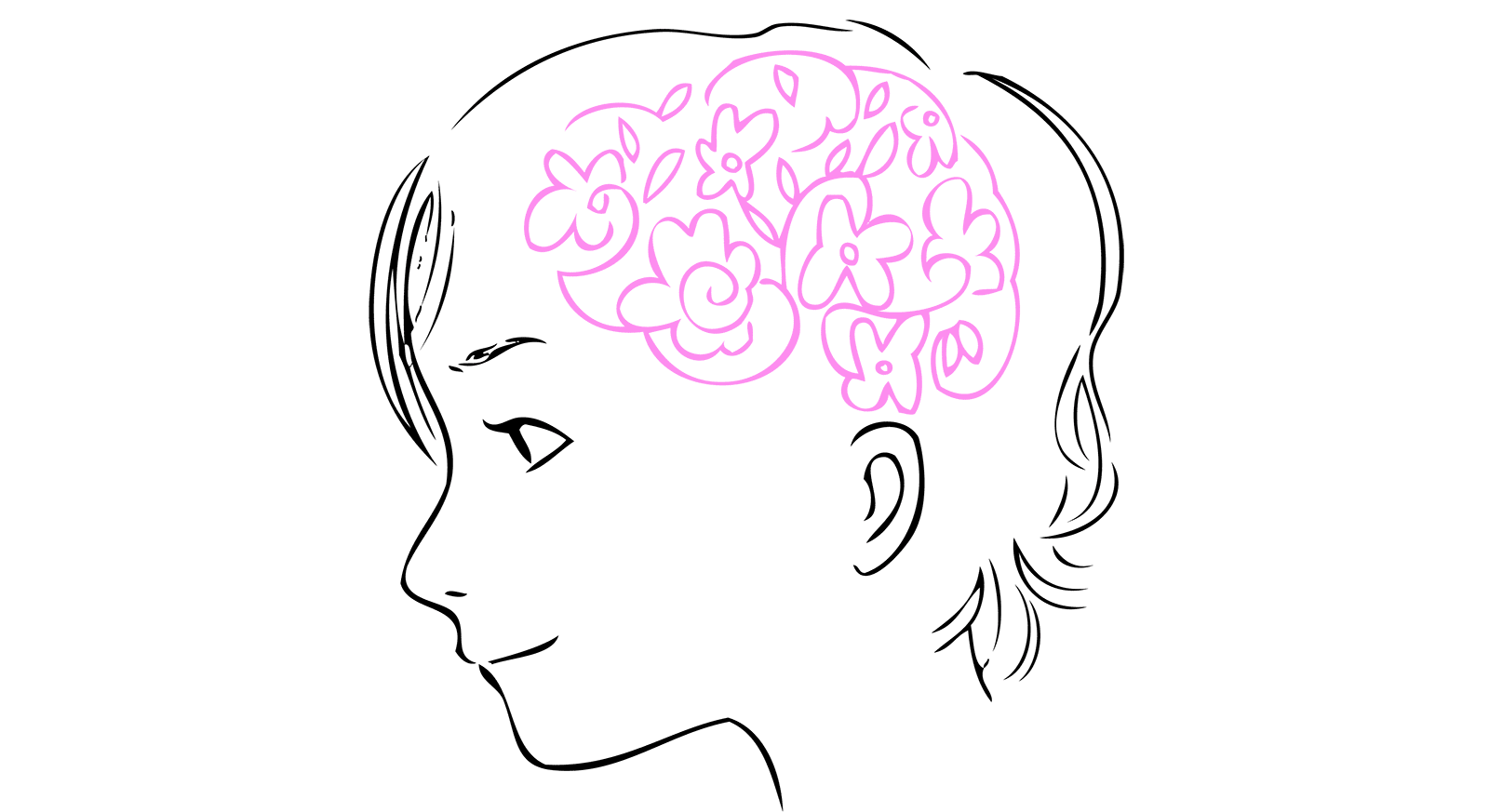 Adolescence—that time of great upheaval—has undoubtedly not yet revealed all its mysteries. What has long ceased to be a mystery, however, is that this period of physical transformation brings with it numerous identity issues. Yet this is only the tip of the iceberg: we now know that this transformation also takes place in the brain.
Neural sprouting
“Many adolescent disorders—attention problems, poor judgment, difficulties processing information, and so on—are far more likely to be linked to neural development than to any other factor,” says Dr. Robert Brès, a psychiatrist specializing in adolescence.
"During this critical period, our brain begins to grow in all directions in a chaotic manner," he explains.
During this period, development would thus be akin to“gardening.” The metaphor reflects a concrete reality: the work of the glial system.“Glial cells have a dual function. They wrap around axons, thereby increasing the speed at which signals can be transmitted from one neuron to another. But they also serve to sever rarely used afferents.” A system whose purpose is, therefore, to bring order to a neural jumble in full bloom…
Experimenting with One's Thoughts
“This kind of order can be acquired through other means: culture, language, and artistic expression,” explains Robert Brès. At the Maison des Adolescents 34, he works with young people aged 11 to 21.“They’re often asked, ‘What do you want to do when you grow up?’” It’s a question they can’t answer. They need to develop the ability to think fully—a process that, etymologically speaking, involves ‘weighing’ ideas.”
It’s an activity that teens often reject as particularly burdensome. Nothing could be more normal…
“You can’t expect a teenager to think like an adult!” continues Robert Brès. “Without pigeonholing them into that category, we need to take into account what makes teenagers unique: they are neither grown-up children nor miniature adults.”
A place where teens can be heard and a center offering a wide variety of resources, the youth center gives them the opportunity to express themselves in different ways: writing, drawing, relaxation… These creative activities allow them to explore their thoughts and gain better control over them. There, they also have the chance to interact with adults: cultural facilitators, social workers, healthcare staff… “An encounter can be a spark and open doors, ” says Robert Brès. “Even if they are often inner doors.”
- The Brain: Master of the Body… Public Symposium on the Brain, October 22–23, 2015, Montpellier Academy of Sciences and Letters