[LUM#16] Dangerous Thaw
Temperatures are rising, and the ice is melting, releasing hundreds of liters of water into rivers today. But what about tomorrow? To better anticipate the consequences of glacier melt on water availability, hydrologists are seeking to gain a more detailed understanding of the dynamics of these immense glacial masses.
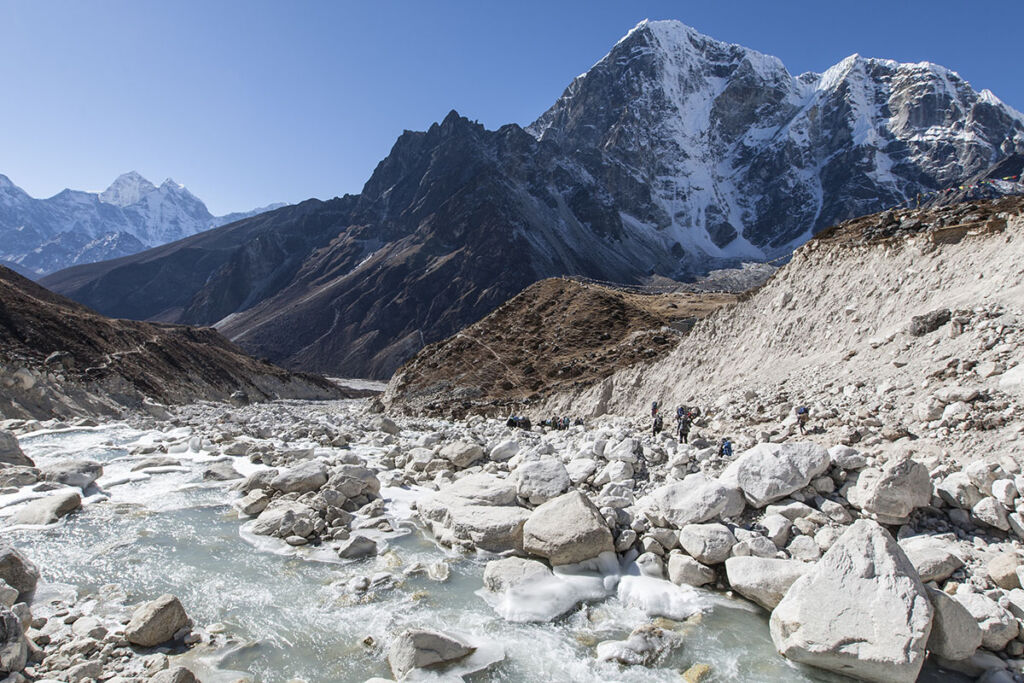
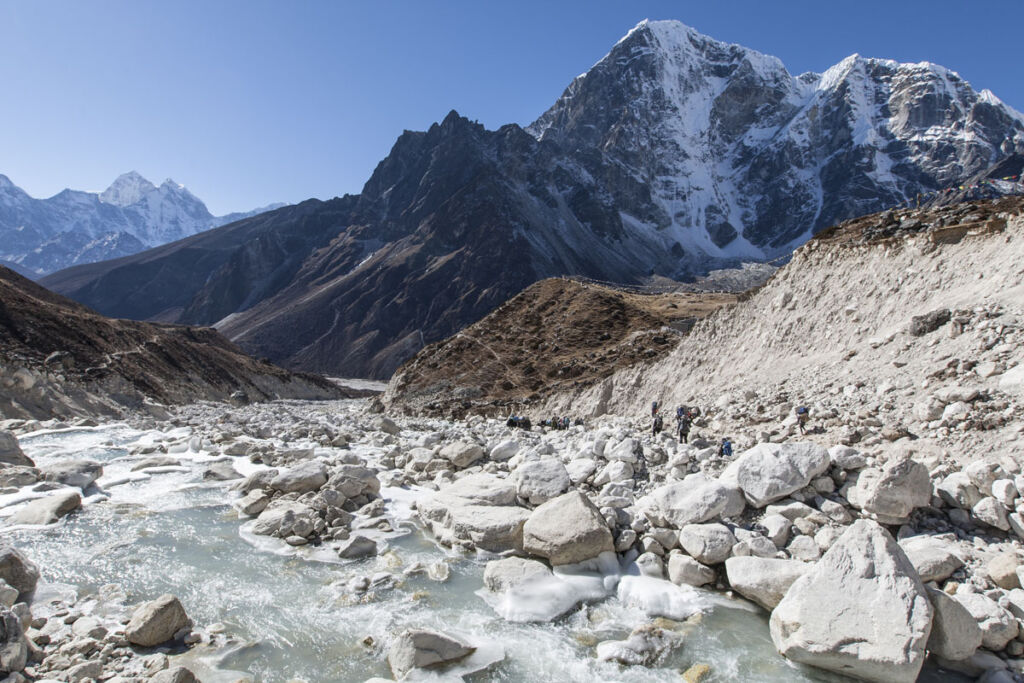
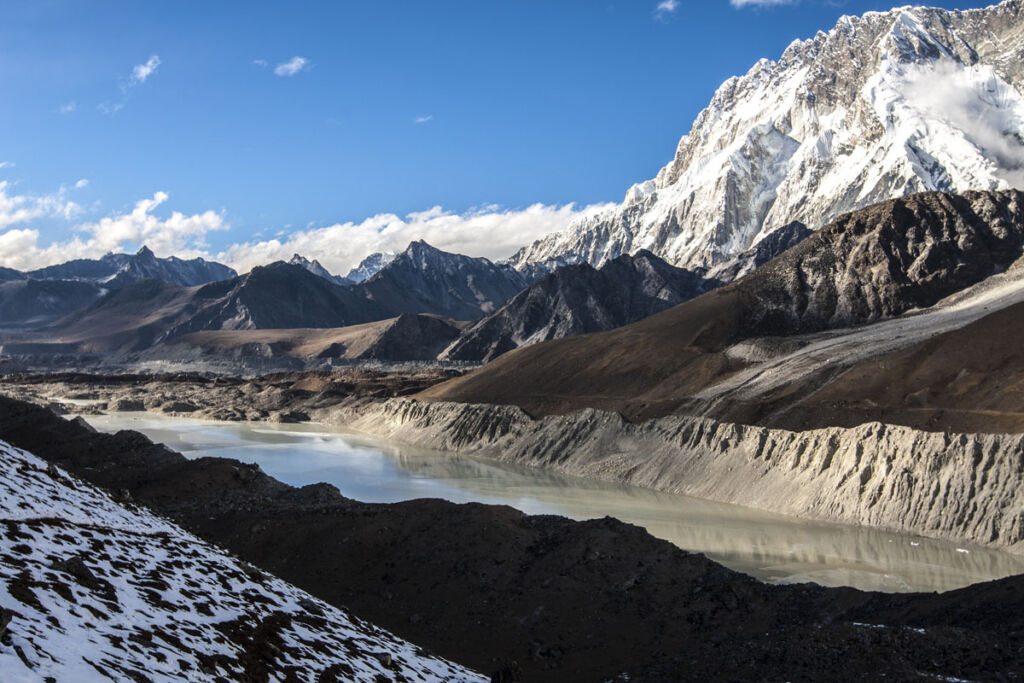
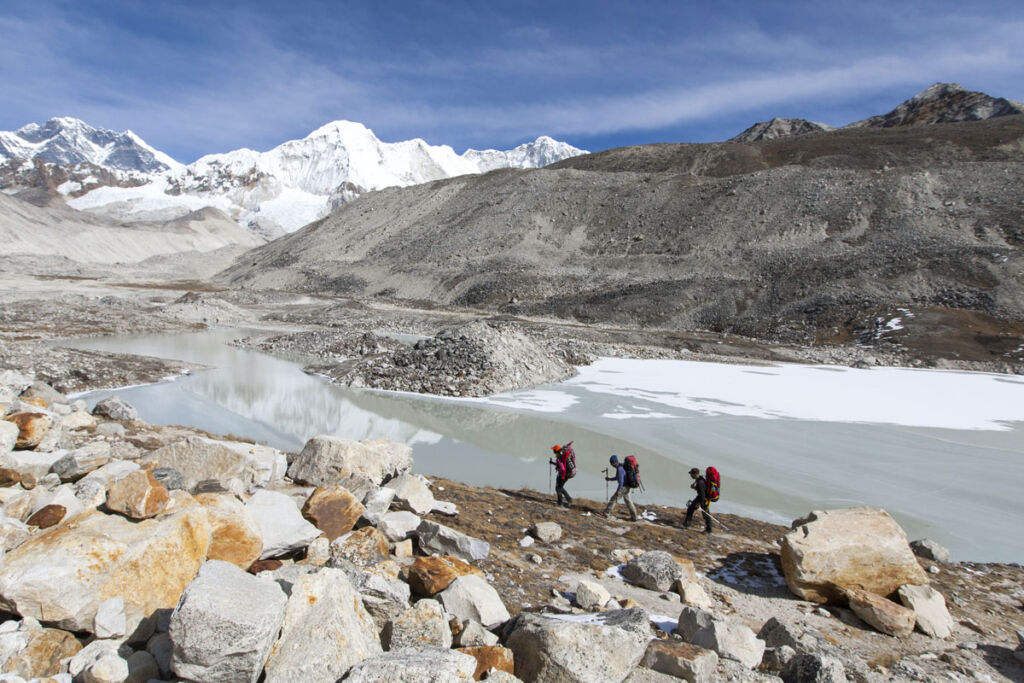
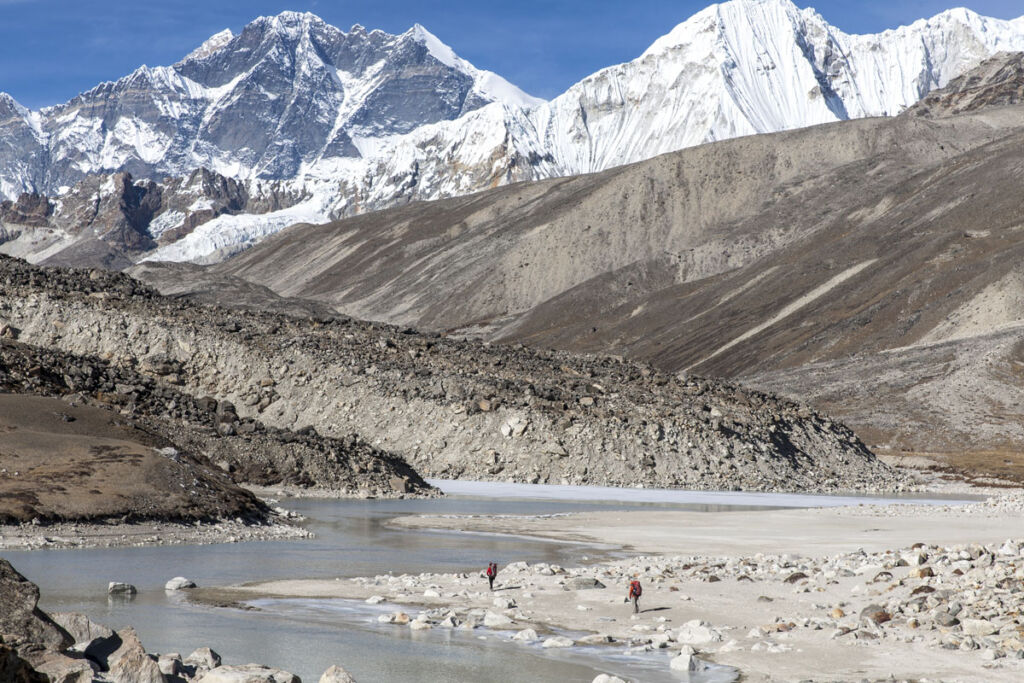
Ice as far as the eye can see, covering more than 100,000 km². Peaks rising to over 8,000 meters in elevation. Welcome to the “third pole, ” a vast ice sheet that stretches 3,600 kilometers between Afghanistan and Myanmar. “It is the third-largest continental ice sheet in the world after Antarctica and Greenland, ” explains Pierre Chevallier*. The hydrologist knows this region well, having surveyed it many times. These field missions are essential for gaining a better understanding of these glaciers, which feed ten major Asian rivers on which more than a billion people depend—both in the mountains and in the river basins located downstream.
A third region now threatened by global warming. According to a study published in 2019 bythe International Centre for Integrated Mountain Development (ICIMOD), two-thirds of the glaciers in the Himalayas and the Hindu Kush could melt by the end of the century if the planet remains on its current trajectory of greenhouse gas emissions. “As temperatures rise, not only does less ice form at the top of the glacier, but melting at the bottom of the glacier also intensifies. Already, in the Himalayas and the Karakoram, some glaciers are retreating,” the expert explains.
Uncertainties
To gain a better understanding of this phenomenon, the researcher at the Hydrosciences Montpellier laboratory and his colleagues compiled the findings from more than 250 scientific articles. Their goal: to better understand the links between global warming, changes in precipitation, and glacial retreat. “The situation is difficult to grasp, and many uncertainties remain—particularly regarding field observations and remote sensing data, but also concerning modeling tools and their assumptions and scenarios, ” explains Pierre Chevallier.
The future of these ice giants is, however, a critical factor in the region, particularly for the Indus River basin, where 50 percent of the water resources come directly from snow and glaciers, whereas the neighboring Ganges and Brahmaputra basins are more dependent on monsoon rains. “As the glaciers melt, river flow increases , so initially there is more water available. Then, as the glacier shrinks, it will release less water, and the water supply will eventually dwindle,” explains the hydrologist.
Optimizing Water Management
This is a major concern, especially when one considers that in some countries, such as Pakistan, nearly 80% of available water resources are used for agriculture. “A large portion of the meltwater from glaciers is drawn from downstream rivers to irrigate crops on the great plains, which serve as the nation’s breadbaskets.” ” And beyond concerns about the quantities of water required, this use poses a significant timing issue: “Snow and ice typically melt in the spring, just when farmers need it most for grain germination; if water were to run short at this time of year, it would be particularly critical, ” warns the hydrologist. Faced with this risk, experts are calling for proactive measures to address this shortage in order to optimize water resource management and distribution. “In a context where water availability fluctuates throughout the year, we must be able to ensure an adequate supply, particularly through the management of dams—which, for example, must not be full in order to store water from melting ice, ” emphasizes Pierre Chevallier.
Reducing Uncertainty
But to make more accurate predictions, researchers still lack data, as highlighted in their study published in *Science*. “To fill these gaps, we recommend establishing an extensive observation network that places fully automated weather stations on selected glaciers, ” explains the hydrologist. We also recommend developing comparative studies to examine glacier area and volume, glacier dynamics, permafrost thaw, and the sublimation of snow and ice.
This data is essential for reducing uncertainty in scenarios of future changes. “This consensus on the region’s glacio-hydrology will help policymakers optimally plan the management of water demand and supply for agriculture, as well as for hydropower, household use, and sanitation,” notes Pierre Chevallier. This foresight is all the more important given that the countries in question are experiencing rapid economic and demographic growth, which is accompanied by an increase in water demand.”
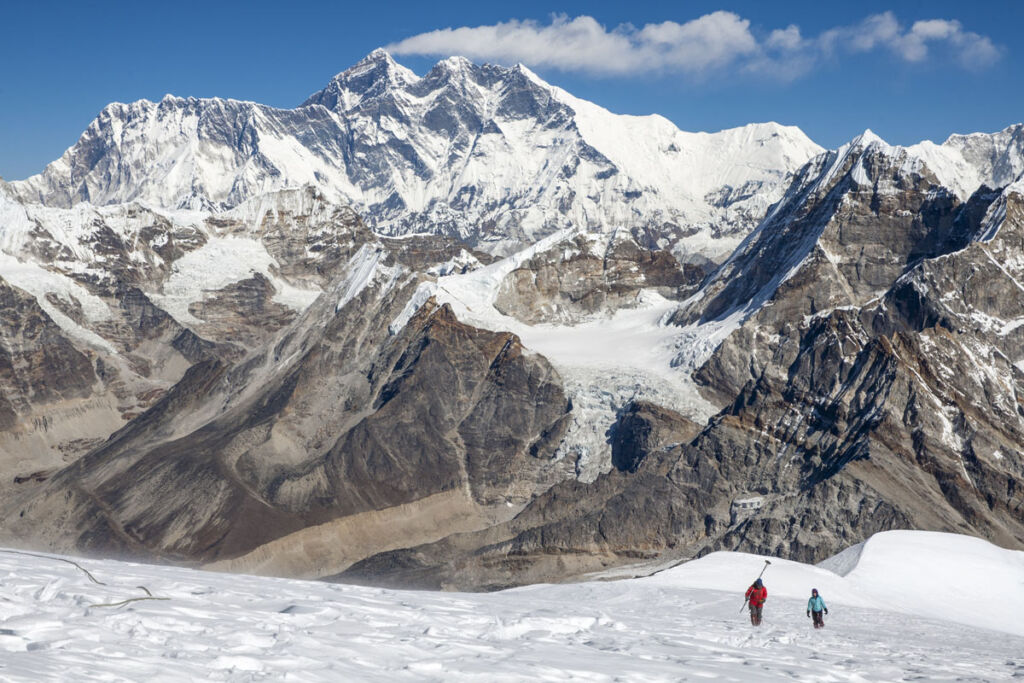
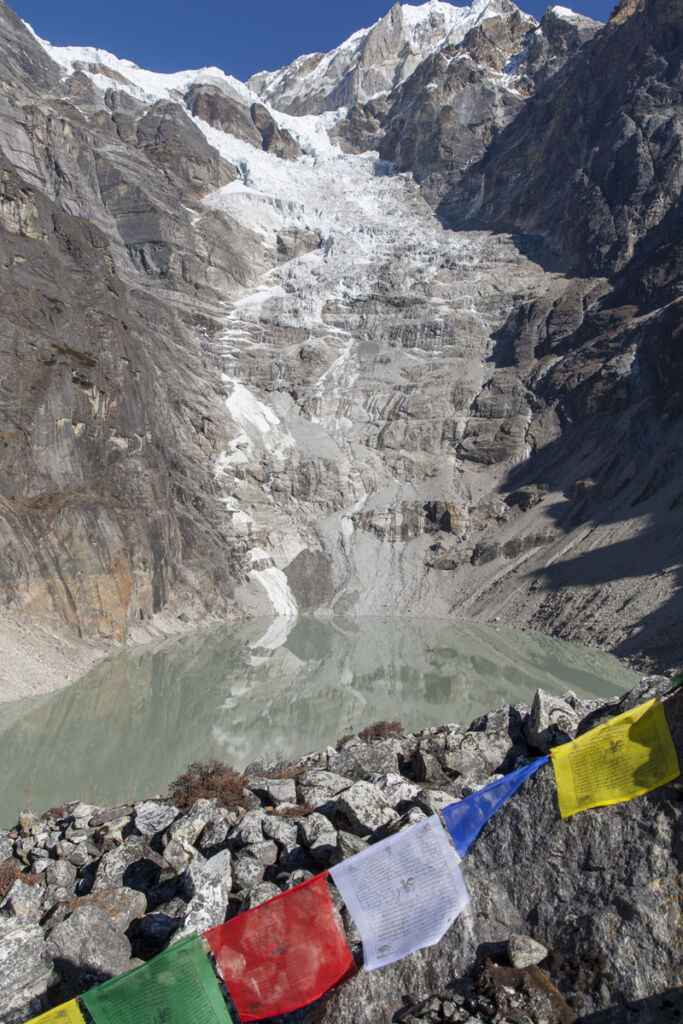
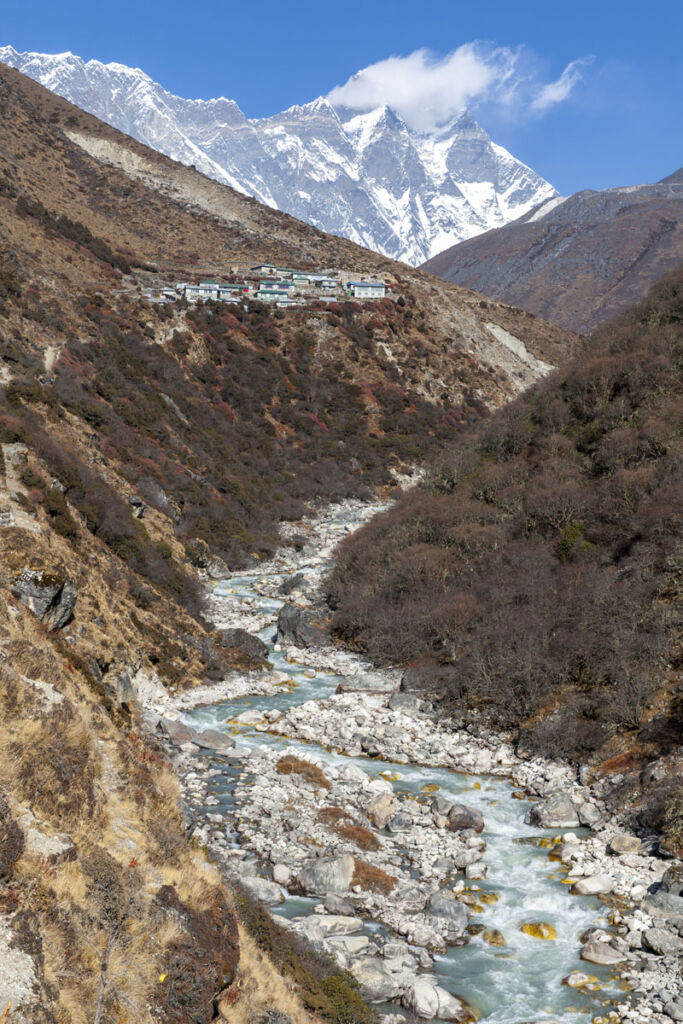
© IRD – CNRS – Thibaut Vergoz, PRESHINE 2017
* HSM (UM —CNRS—IRD)
Check out theUM podcasts, now available on your favorite platform (Spotify, Deezer, Apple Podcasts, Amazon Music, etc.).