[LUM#4] Hydrologists on the Roof of the World
It is the Holy Grail for mountaineers, but it is also an exceptional research site for hydrologists: the Himalayan mountain range is, in fact, a major water reservoir that feeds large, densely populated river basins, such as the Ganges and the Indus.
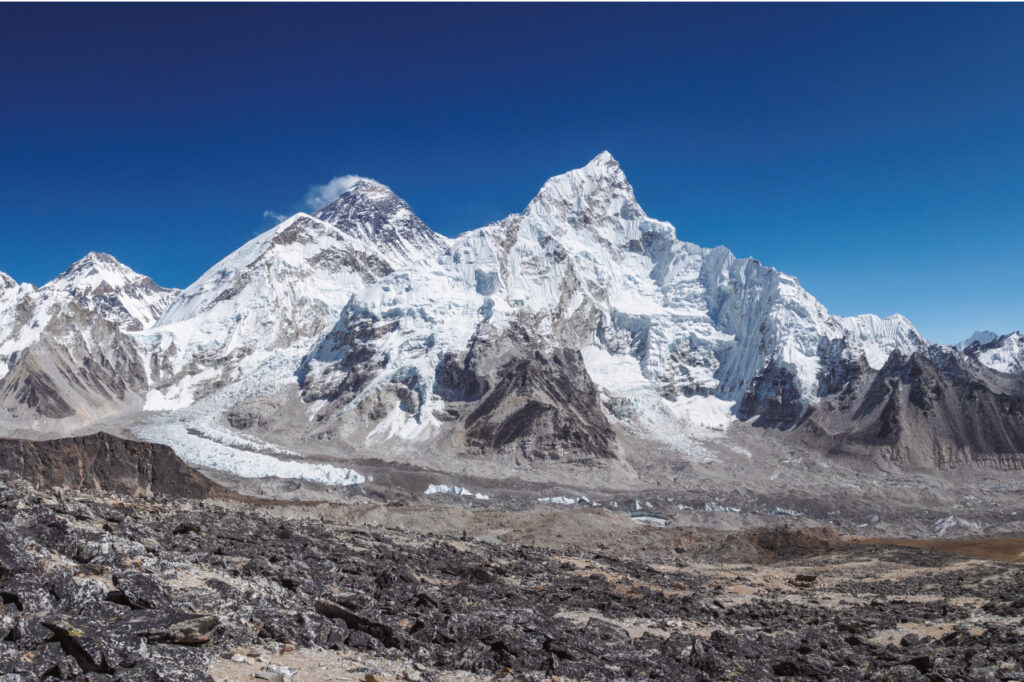
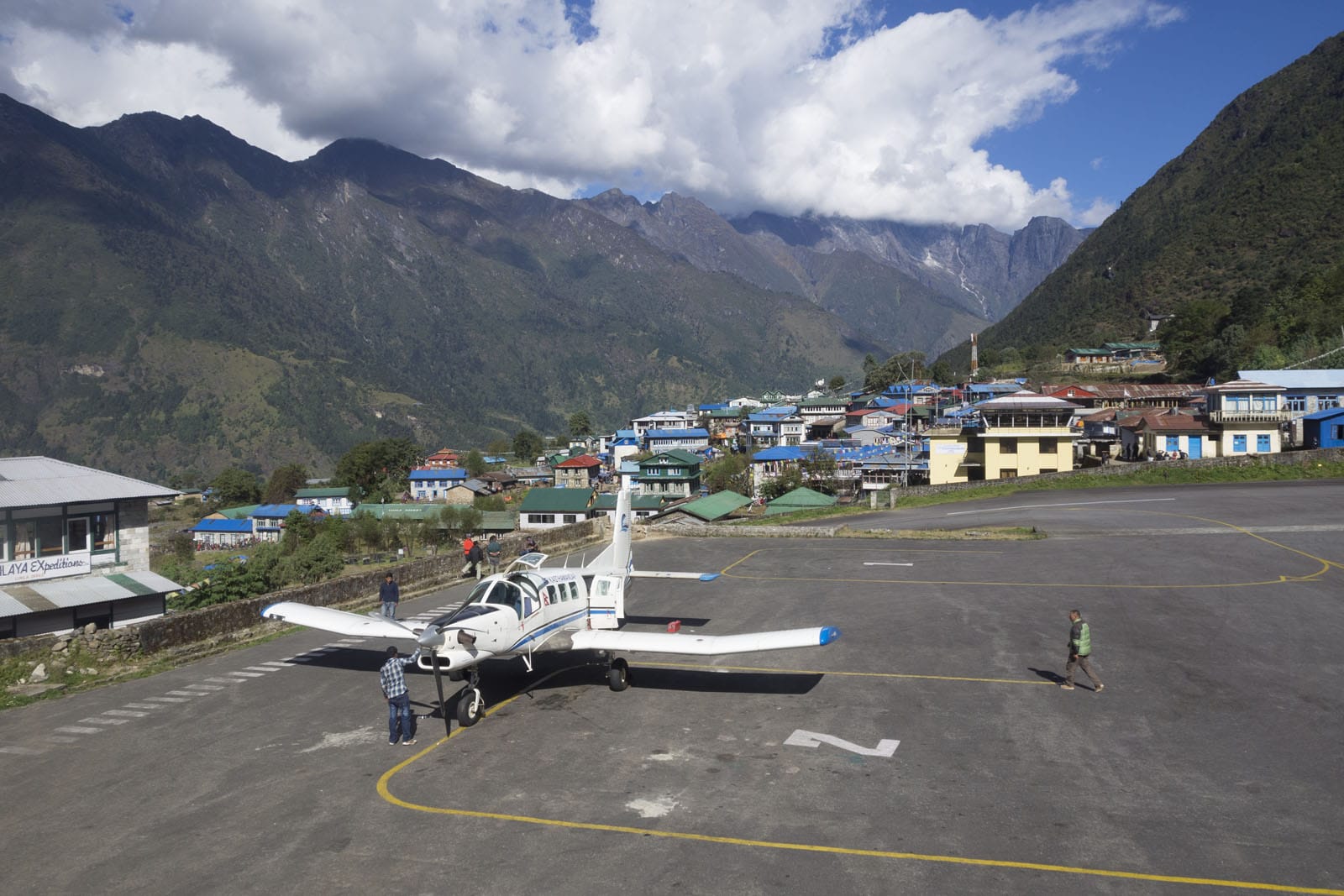
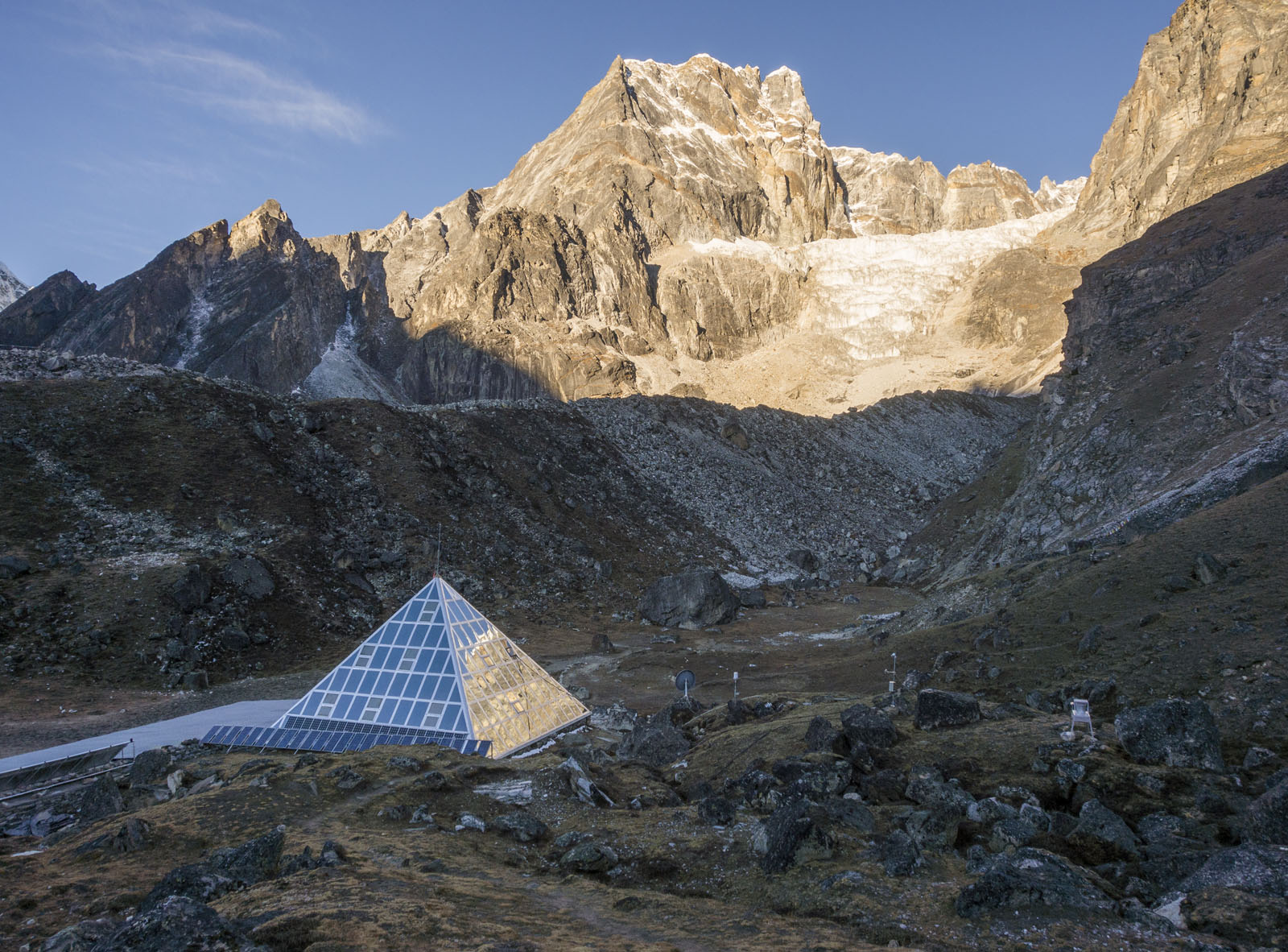
Geopolitically sensitive, this area has long been inaccessible to scientists, allowing for only a handful of studies on the hydrology of the valleys. Since 2010, French researchers have undertaken a systematic study of Nepal’s Khumbu region, taking advantage of the presence of an Italian laboratory at the foot of the world’s highest peak. François Delclaux, a hydrologist with the IRD at the Hydrosciences Montpellier laboratory, treks every year from the village of Lukla, at an elevation of 2,860 meters, to the famous laboratory located at 5,000 meters above sea level. This high-altitude scientific expedition aims to collect hydroclimatic data reliable enough to understand hydrological processes, model them, and thereby predict changes in water resources in the Dudh Koshi Valley. In 2012, photographer Olivier Boulanger accompanied him, immersing us in the heart of this mission on the roof of the world.
Researchers and Sherpas: An Essential Partnership
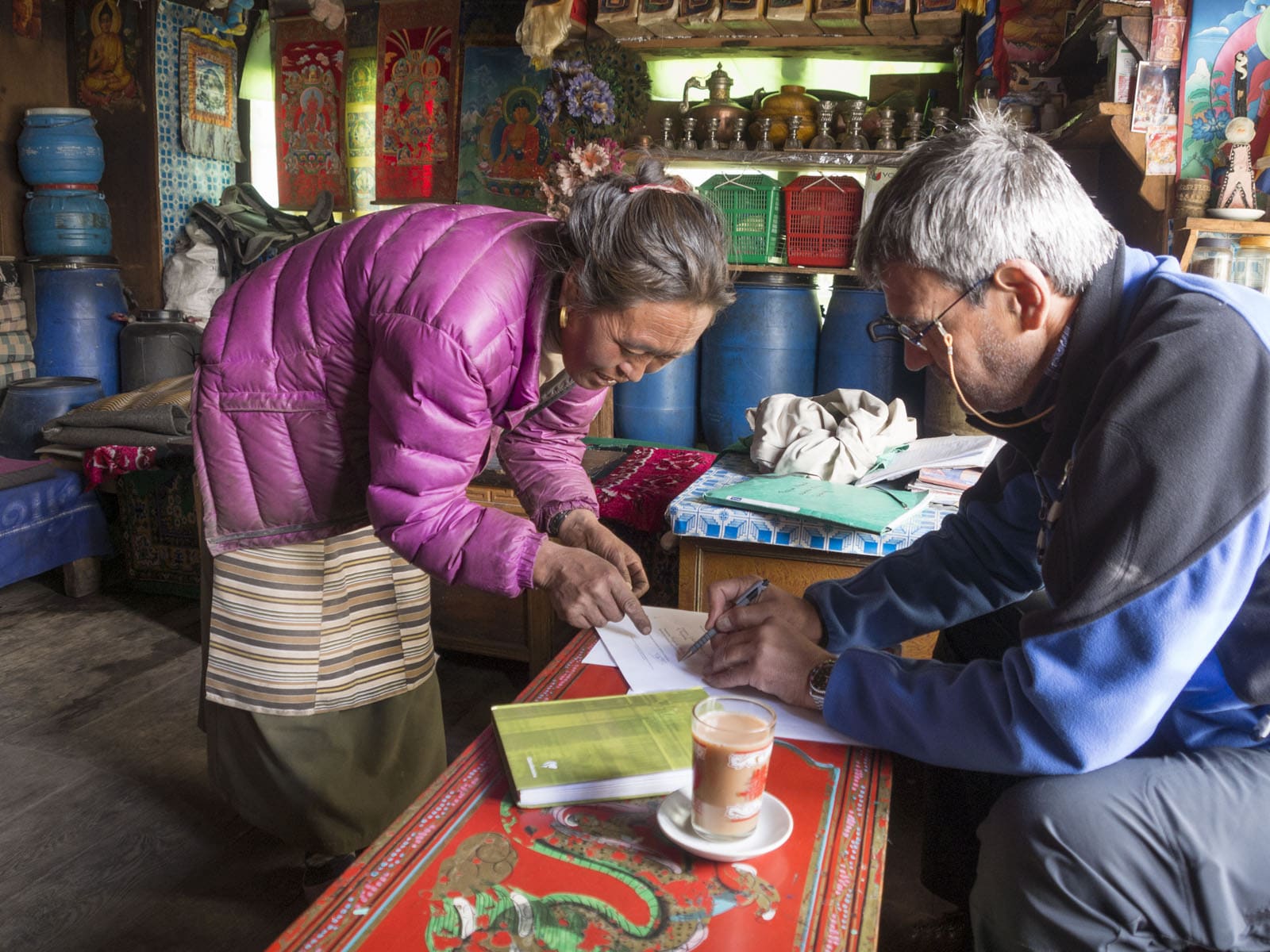
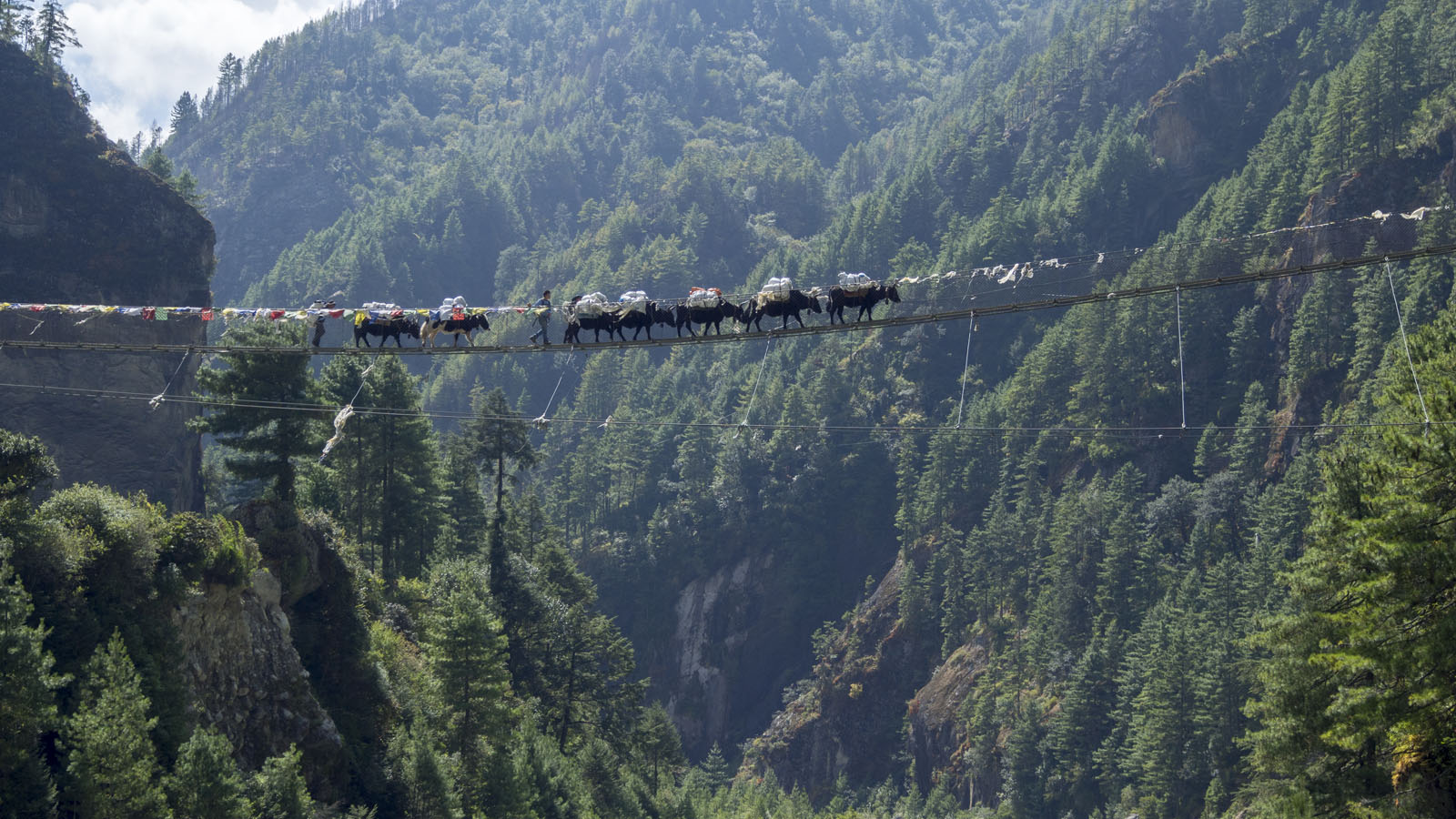
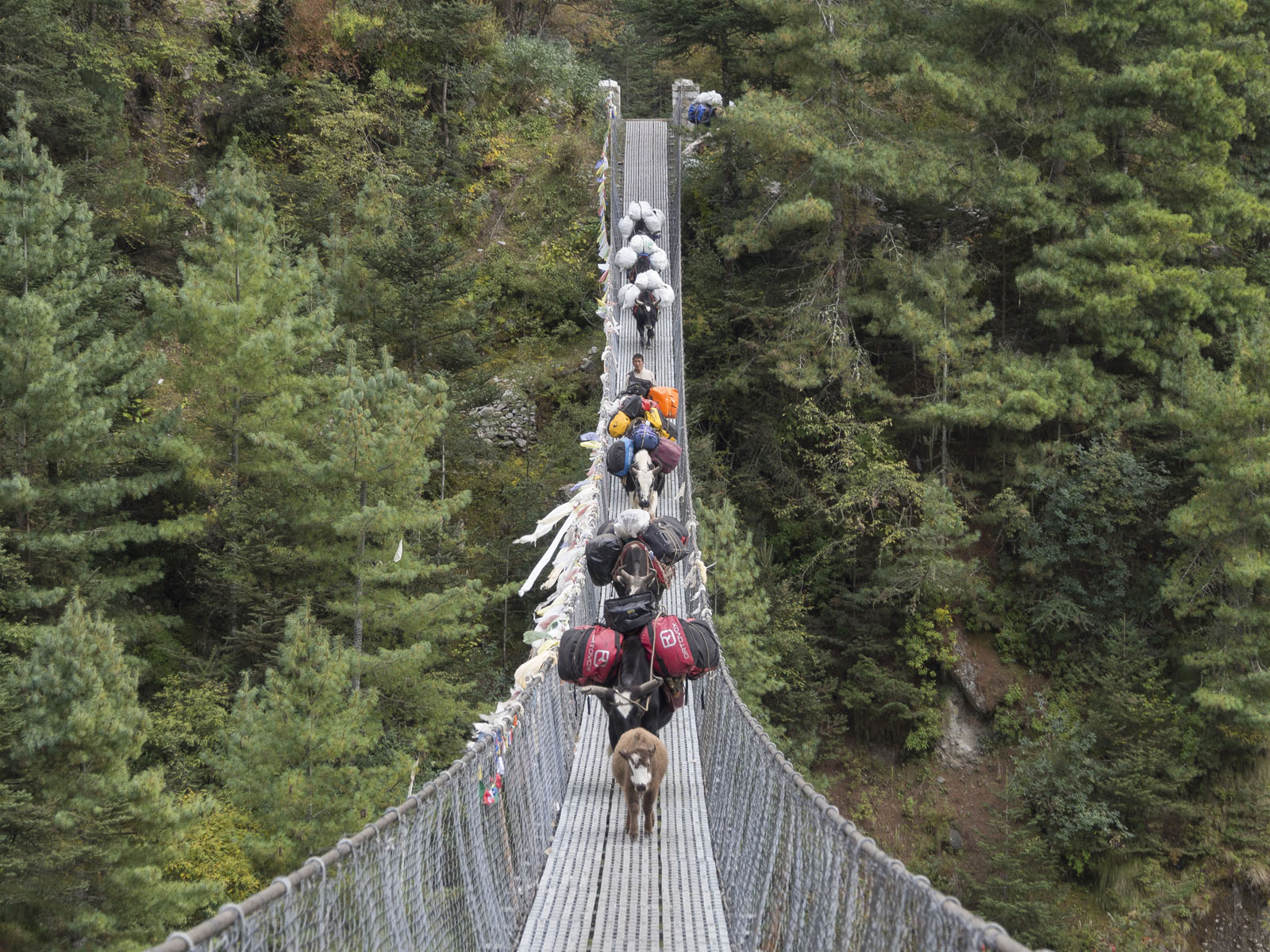
After a 40-minute flight, the researchers arrive in the village of Lukla, at an elevation of 2,860 meters. From there, all travel is on foot. To carry the approximately 50 kilograms of scientific equipment, the hydrologists hired three porters. The partnership with the Sherpas—the main inhabitants of the upper Everest Valley—is essential to the mission’s success. Throughout the year, they provide lodging, maintain the equipment, and collect data from the various monitoring stations.
Taking Measurements at High Altitudes
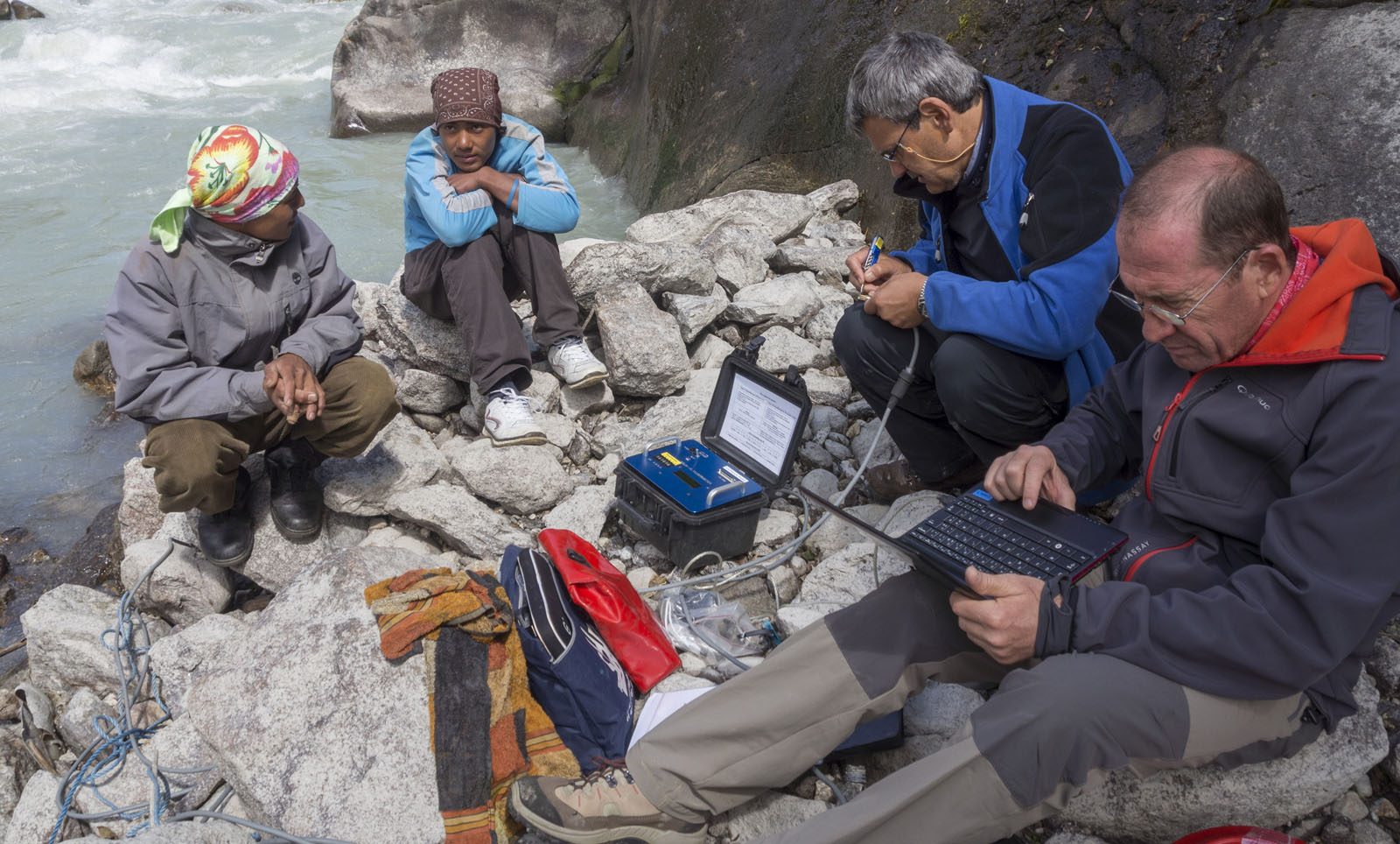
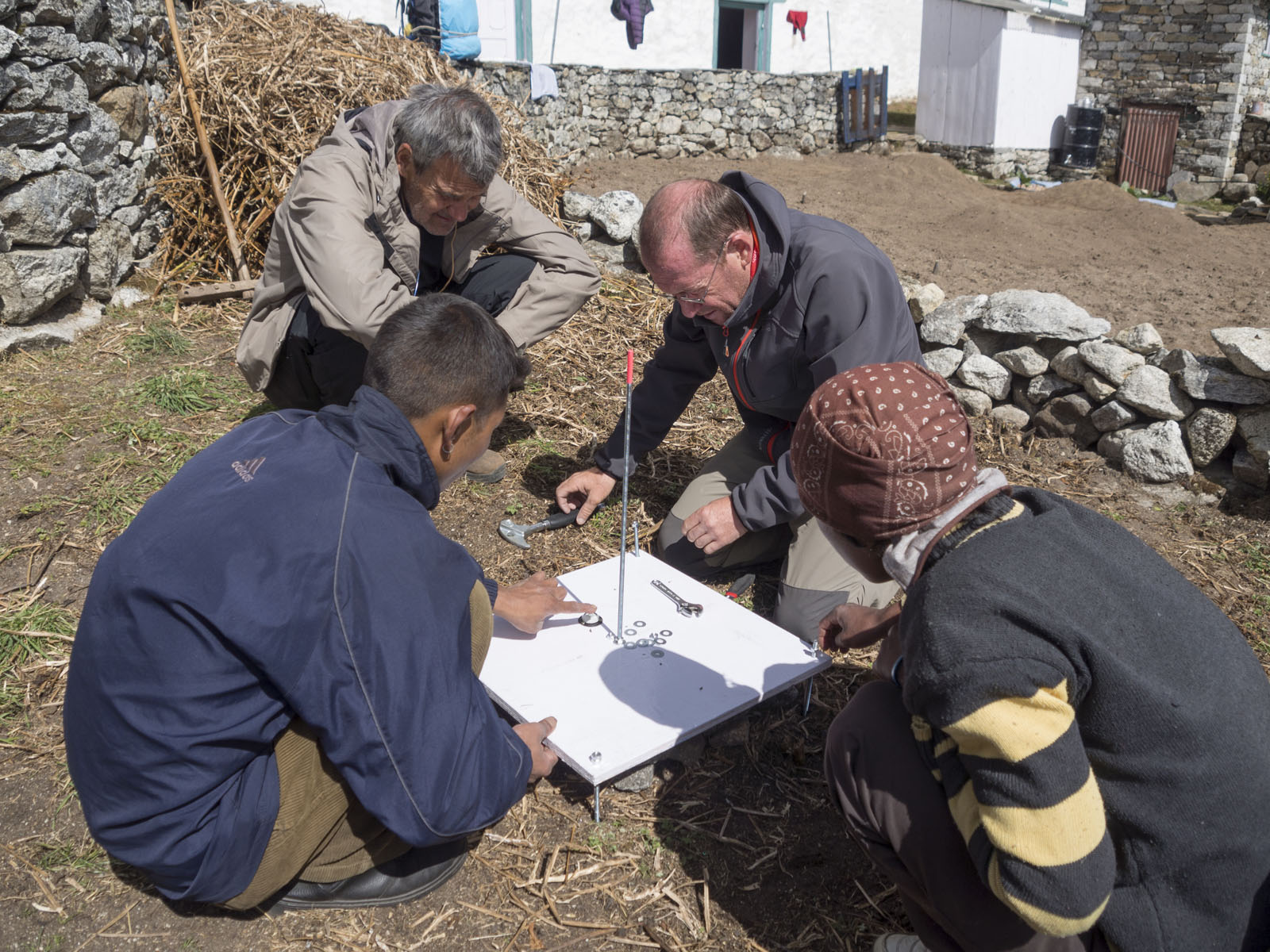
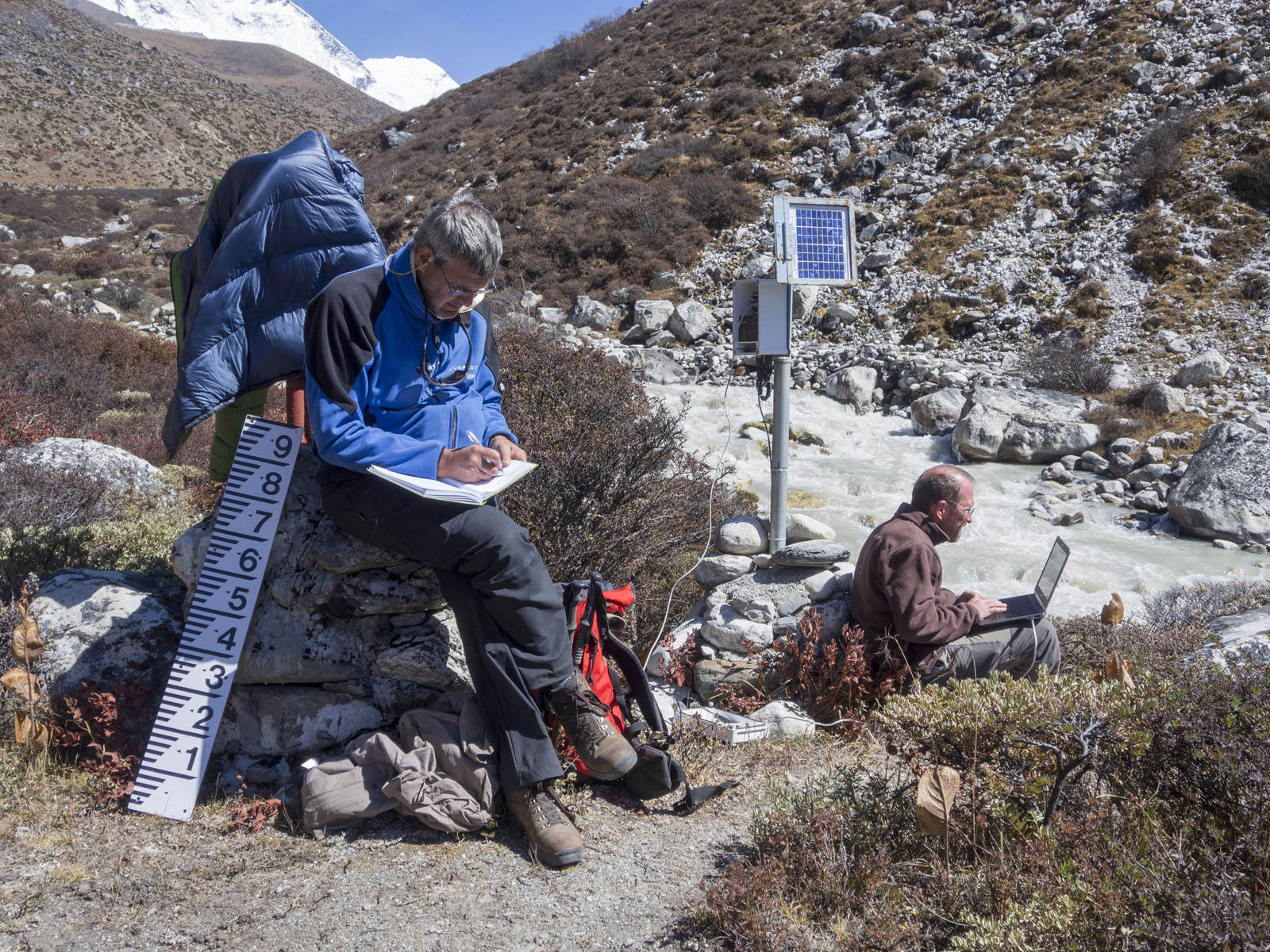
To understand the water cycle, hydrologists have set up hydrometric stations on major rivers. And to measure snowfall, they have installed a simple wooden board topped with a metal rod. Every morning, a villager measures the depth of snow that fell the previous day and collects a calibrated sample to determine the corresponding volume of water.
Growing tourist pressure
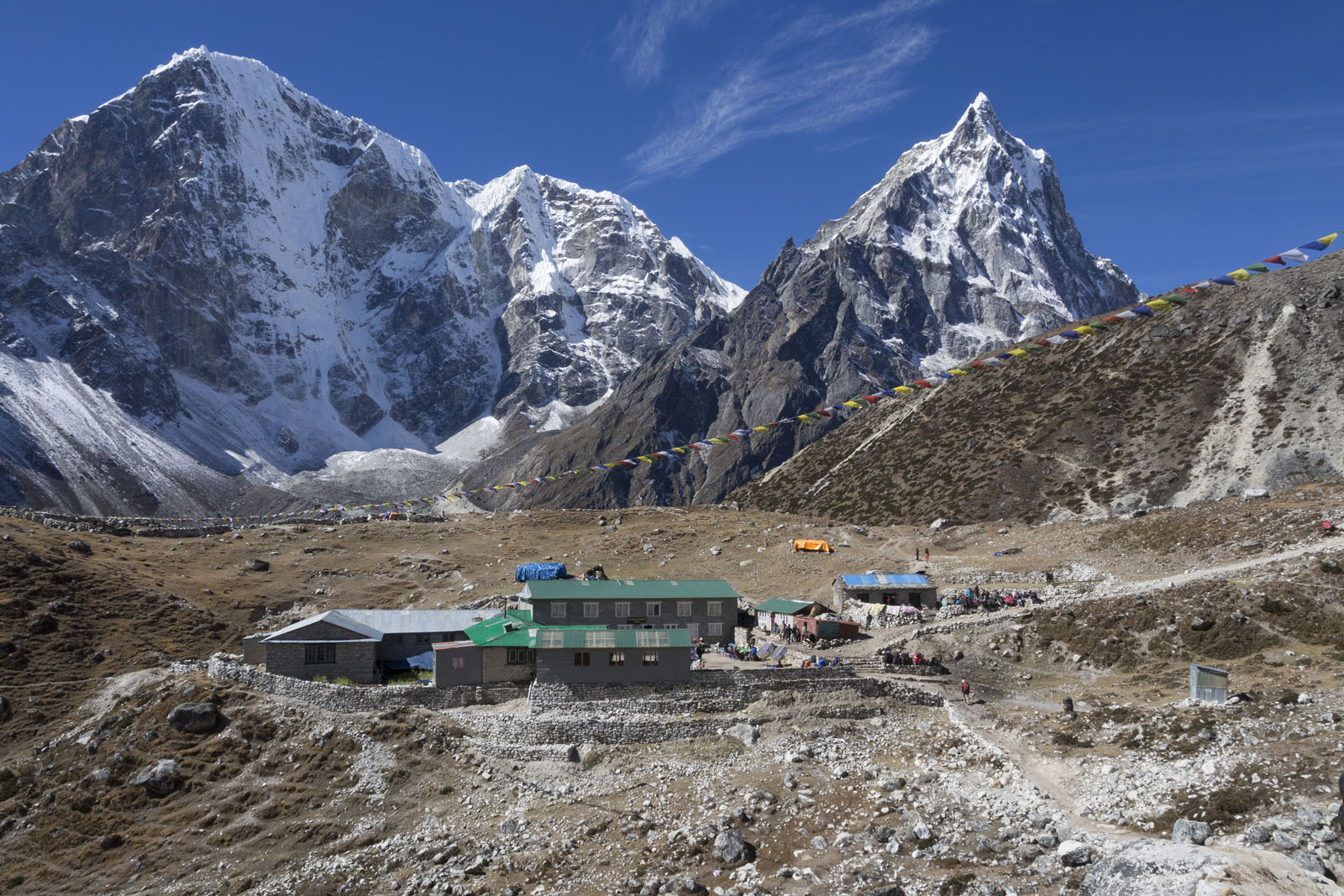
Sagarmatha National Park welcomes 30,000 tourists each year. To accommodate them, the Sherpas have built lodges, installed restrooms, and changed their farming practices. This development is increasing pressure on water resources: in this part of the Himalayas, environmental changes linked to tourism are more significant than those caused by climate change.
Check out theUM podcasts, now available on your favorite platform (Spotify, Deezer, Apple Podcasts, Amazon Music, etc.).