Public Speaking Training
How can you practice public speaking while in college? At theUM , it’s through iTALKS. This training program breaks the mold, enabling students to acquire the skills they need to better communicate their ideas and turn these sometimes-daunting challenges into truly enjoyable experiences.
Exams, competitive exams, presentations, job interviews… there’s no shortage of opportunities for students to speak in public. Yet at the mere thought of it, many of them feel nervous, anxious, or even panicked. To help them face these challenges—and even turn them into something to look forward to—the University is offering iTALKs for theseventh consecutive year. The program includes theater workshops and writing workshops to prepare students to take the stage for a public speaking contest.
“The iTALKs are directly inspired by TED Talks; the goal is to support students by helping them identify the ideas they want to share and by giving them the means to do so,” explains Frauke Batbedat, general manager of the Aimé Schoenig Student Center. The initiative actually originated among students in the Association of Doctoral Students in Economics and Management in 2015. To bring it to life, Frauke Batbedat enlisted the help of professionals, including actress Anne-Sophie Leyre and author Sarah Fourage, who provide training for the iTALKeurs.
Put things into perspective
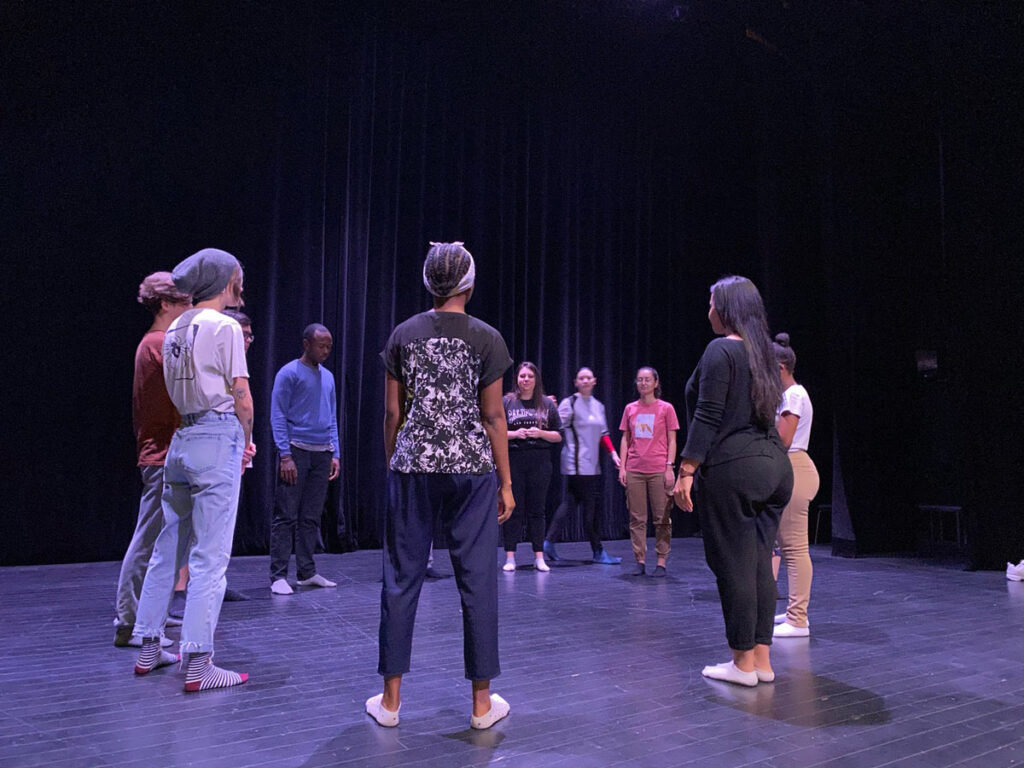
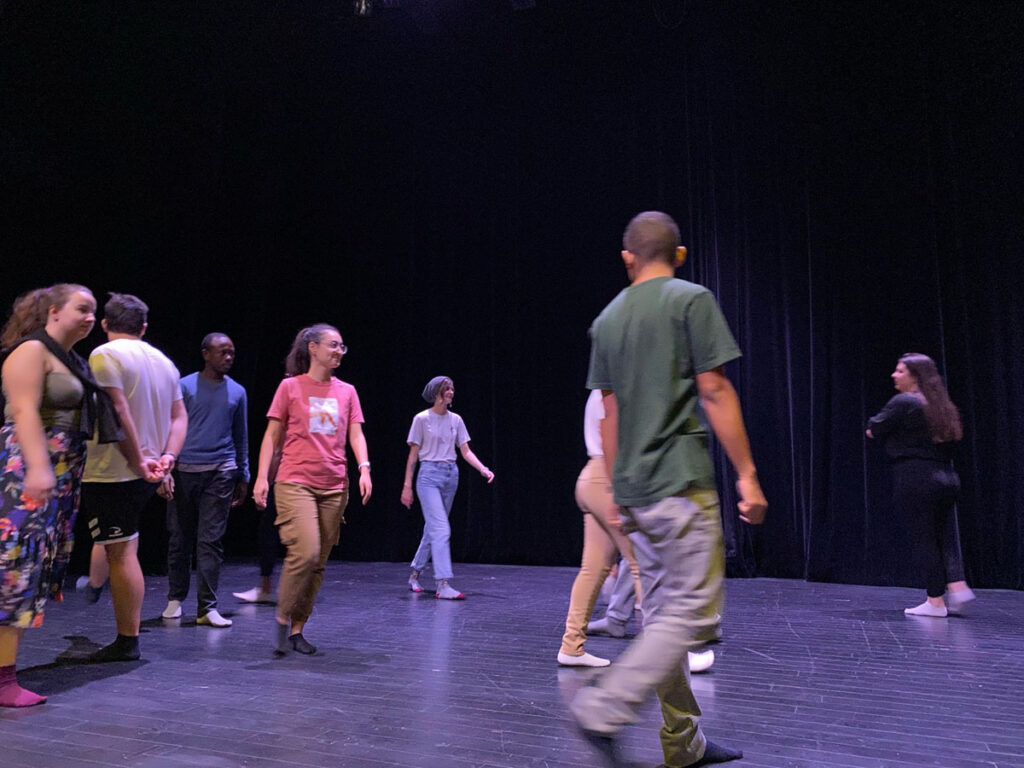
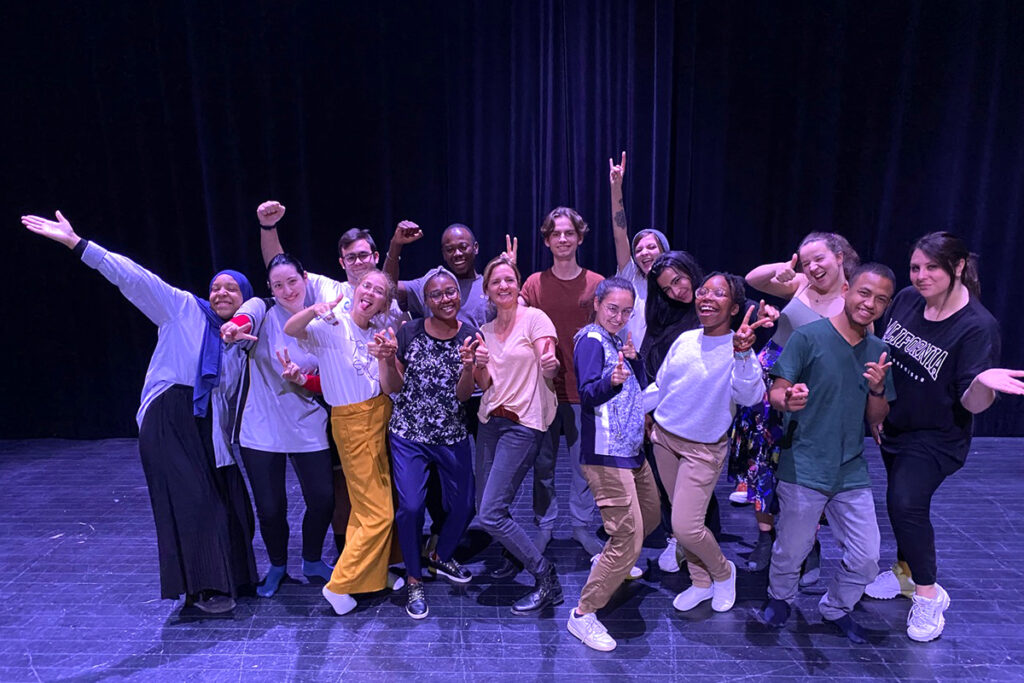
“The primary goal is to take the fear out of public speaking,” begins Anne-Sophie Leyre of the Compagnie de l’Astrolabe. “I explain to them that it’s normal to feel nervous—that’s what puts us in the best physiological state to surpass ourselves. There are no good or bad speakers; learning to speak in public is a skill that can be acquired.” And it’s through a three-day immersion workshop with the actress that the students begin their training. This first workshop is approached as a laboratory where everyone tests themselves, surprises themselves, pushes their limits, and finds their inner strength… all while having fun, through a variety of exercises that are often very playful.“Here, we learn through play. Acting is all about playing anyway!”
The program covers the fundamentals: movement, breathing, grounding, breath control, eye contact, and voice.“It’s like learning to drive: you have to master the basics first, and the first few kilometers are stressful, but then you stop paying attention to it, and it can even become a pleasure.”
And to pave the way for the joy of being on stage, the actress emphasizes the importance of the group immersion workshop.“A certain sense of cohesion is necessary for them to let go; they need to feel safe and heard,” explains the actress, who views the iTALKeurs as a theater troupe. “The iTALKs family isn’t just a public speaking contest—it’s a human adventure.”
Personal Concerns
Fostering group cohesion, while also expressing their ideas and learning to manage their emotions, is the goal of these first three days on stage.“We start by training the body, which is the instrument, and then we add the text, which is the musical score.” And to create their melody, Sarah Fourage introduces them to the art of writing.“First, through group writing workshops designed as warm-ups, using texts by established authors as our raw material,” she explains.
After the warm-up, students are encouraged to work on writing their own speeches. While some arrive with a clear idea of what they want to talk about during the public speaking contest, others find their topic emerging during the workshops. A topic that may relate to their studies, but often reflects more personal concerns.“In creating iTALKS, we wanted to highlight the richness and creativity of the university community and allow different perspectives to come together,” emphasizes Frauke Batbedat.
Education, language, the art of politics, the year of COVID, love, travel, music, trust, silence, grief… The topics chosen in previous editions highlight the personal dimension of their work.“They put into words what moves them,” the author points out. Once their topic is chosen, the students first work on writing a one-minute teaser—“a specific type of writing meant to spark interest; we build suspense.”
Heart-wrenching rants
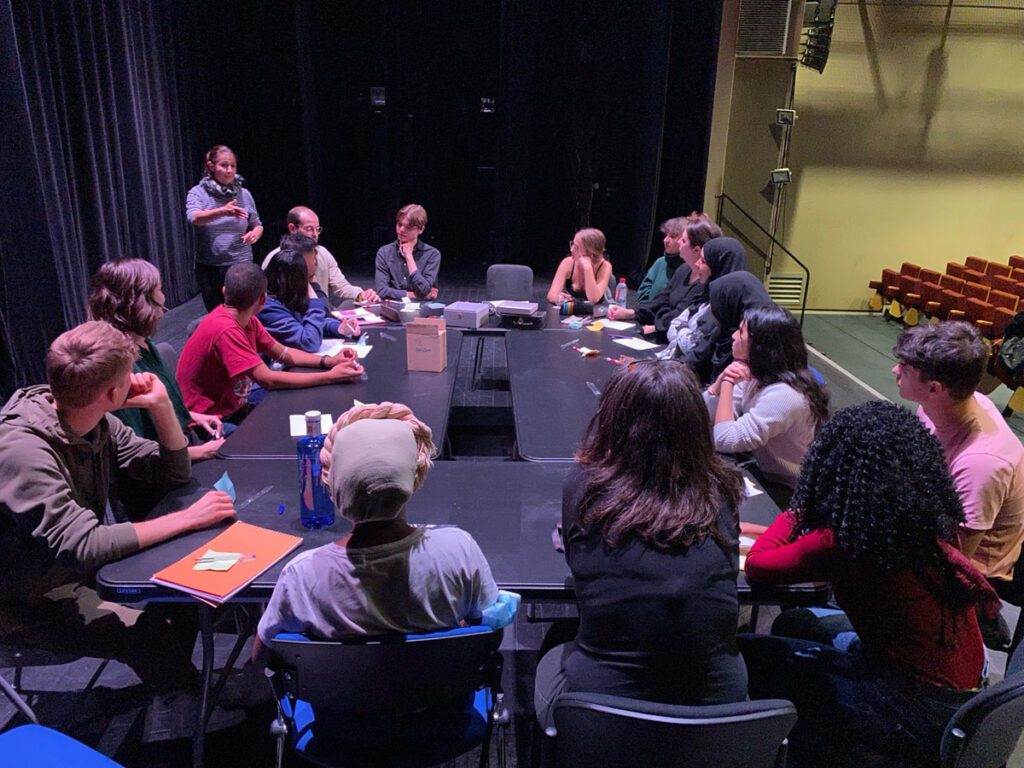
With personalized guidance from Sarah Fourage, they then set to work writing their 5-minute presentation for the public speaking contest. “I help them find their angle, but a big part of my job is also helping them pare down the text—it’s frustrating for them to have only 5 minutes on stage in the end.”
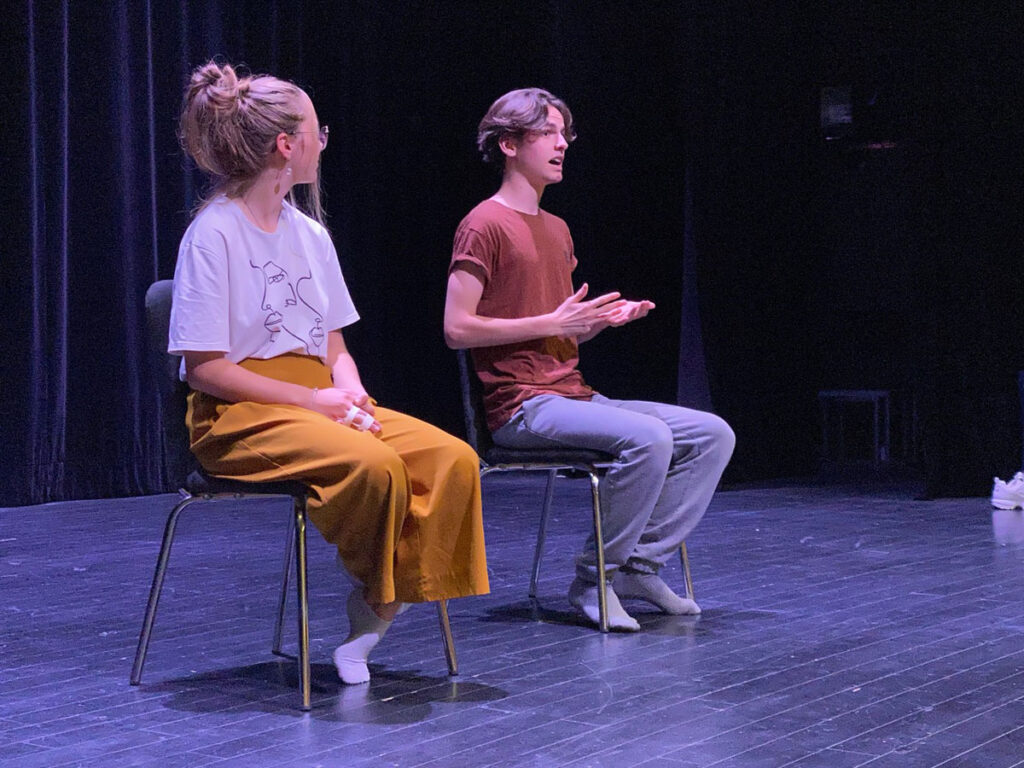
Once they have their text in hand, the students return for a second workshop on stage presence and physical expression, which“serves to help them interpret and embody their message, make their own words their own, and infuse them with power, nuance, and color, all while maintaining their individuality,” explains Anne-Sophie Leyre. They are now ready for five minutes of emotion on stage, sometimes featuring“poignant outbursts from a generation grappling with complex issues,” emphasizes Sarah Fourage.
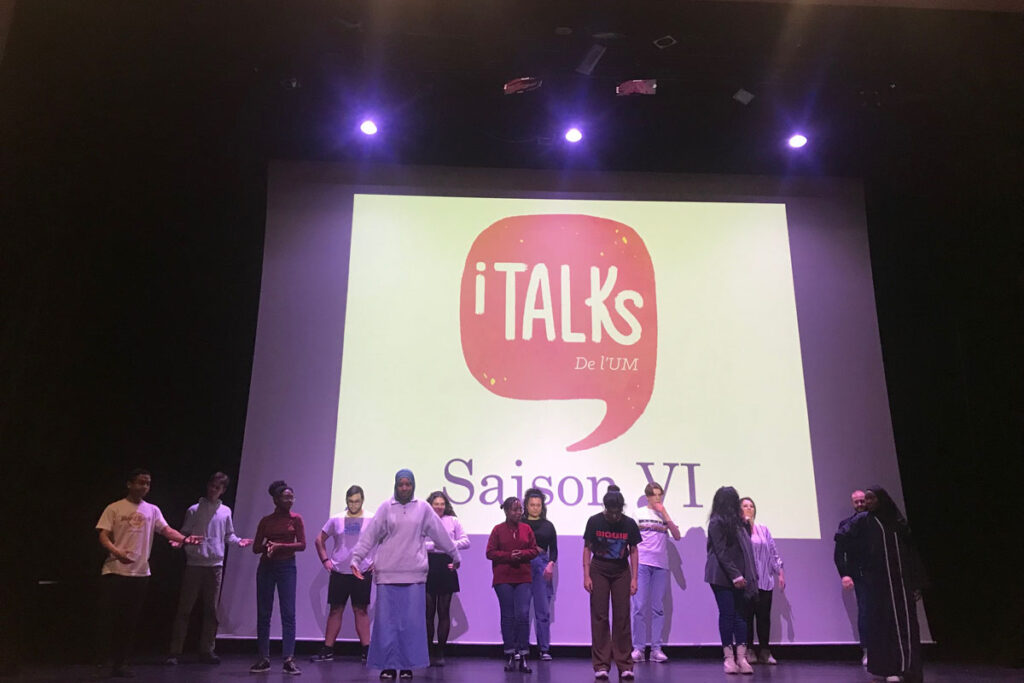
The presentation meeting for this7th edition, which took place on October 11, brought together about 100 students from the bachelor’s through doctoral levels across all departments of the University. About 20 of them will have the opportunity to participate in this training program and then in the grand finale of the public speaking contest, which will take place on March 28, 2023. A contest unlike any other, where everyone comes out a winner.“It’s not about competing against others but about pushing yourself—everyone wins,” emphasizes Anne-Sophie Leyre.“The motto of iTALKS is ‘Let’s haveserious fun,’”says Frauke Batbedat. By all accounts, the challenge has been met.