[LUM#5] A Laboratory in the Heart of the Forest
At the Puéchabon open-air laboratory, researchers are simulating drought conditions to study how the ecosystem responds to climate change.
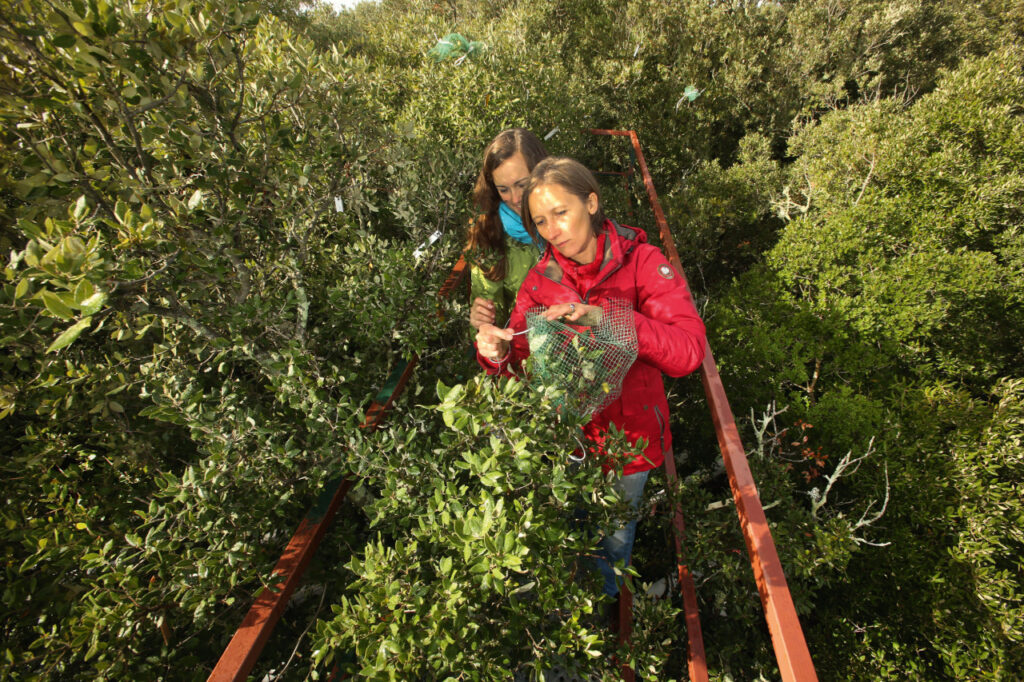
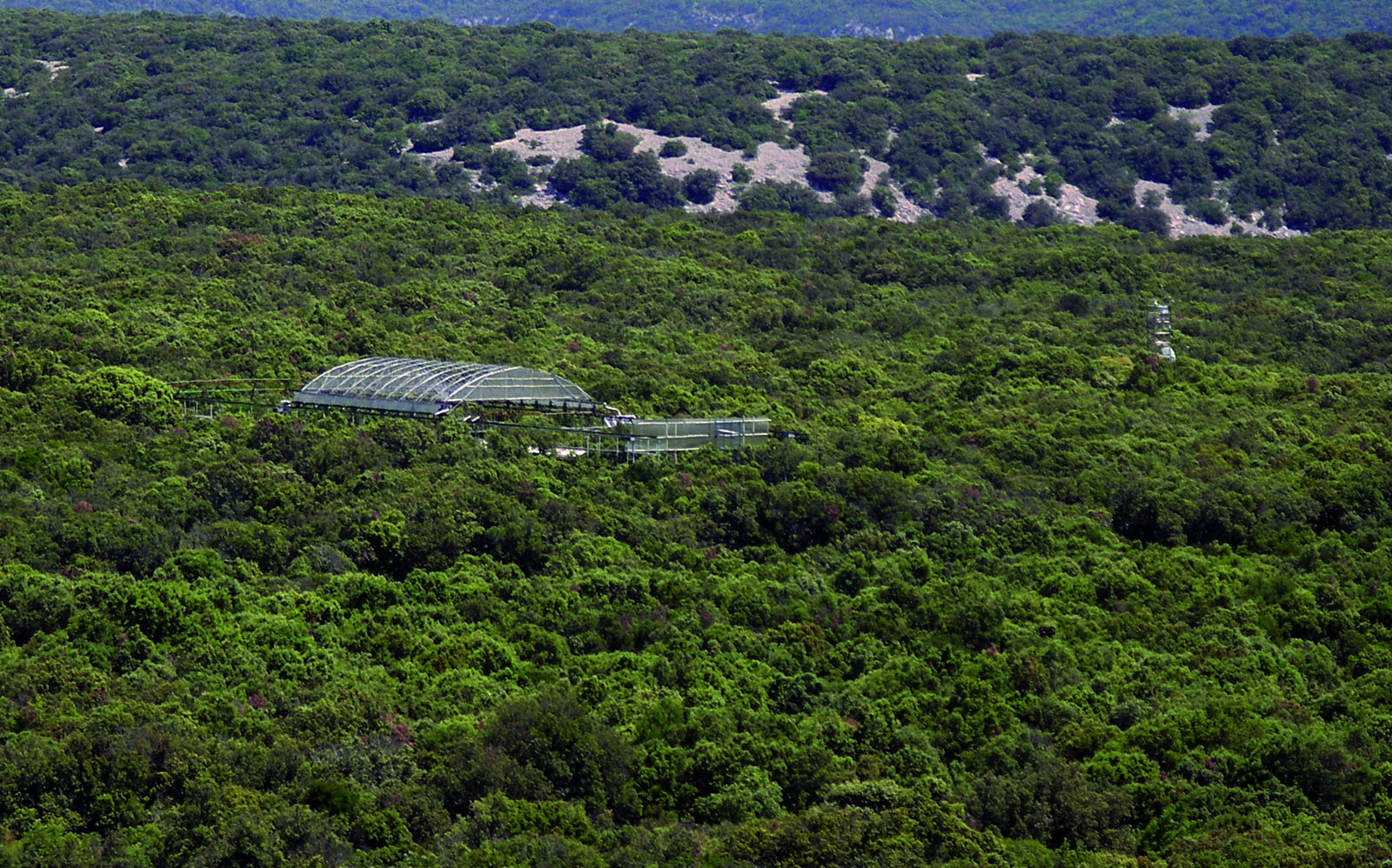
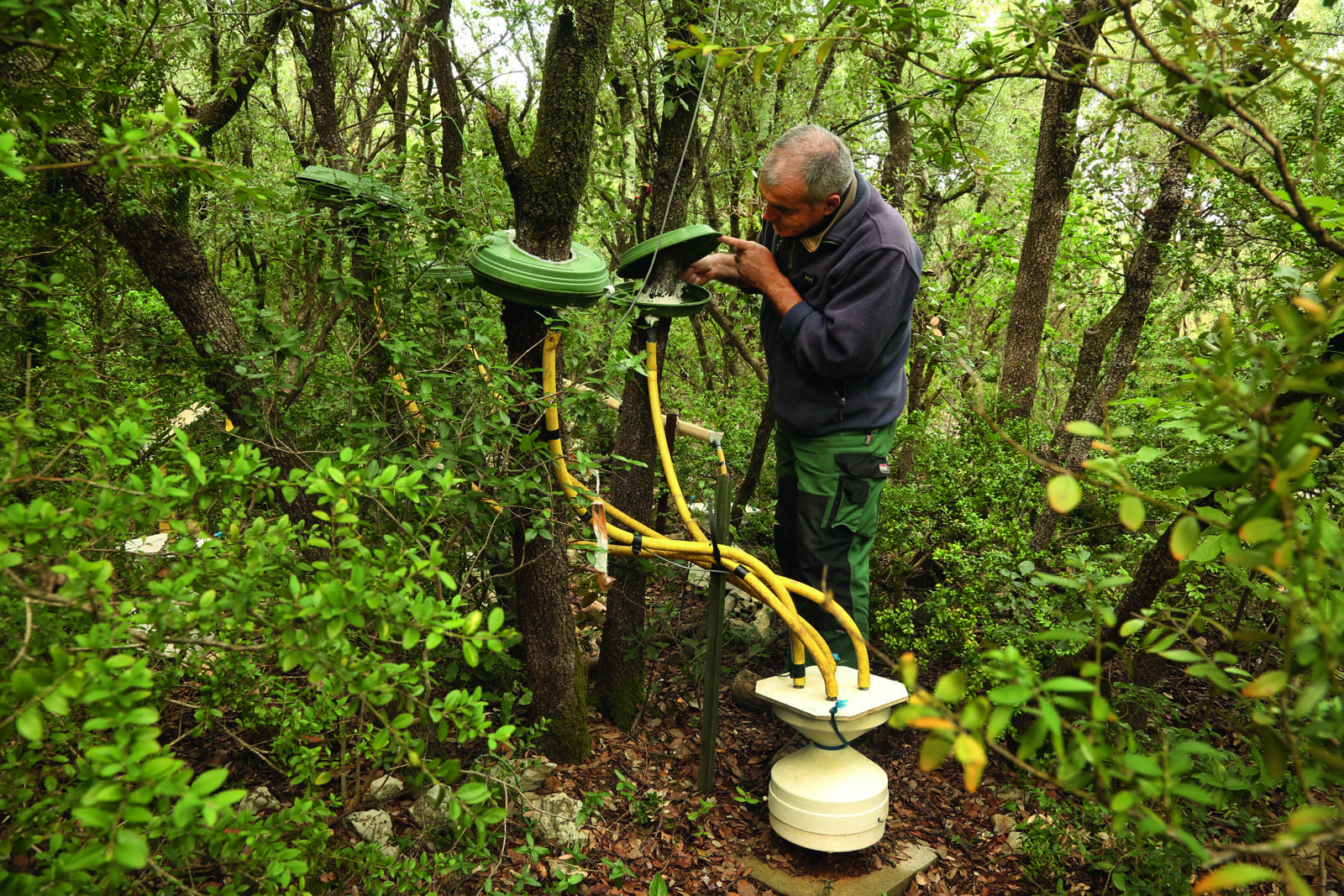
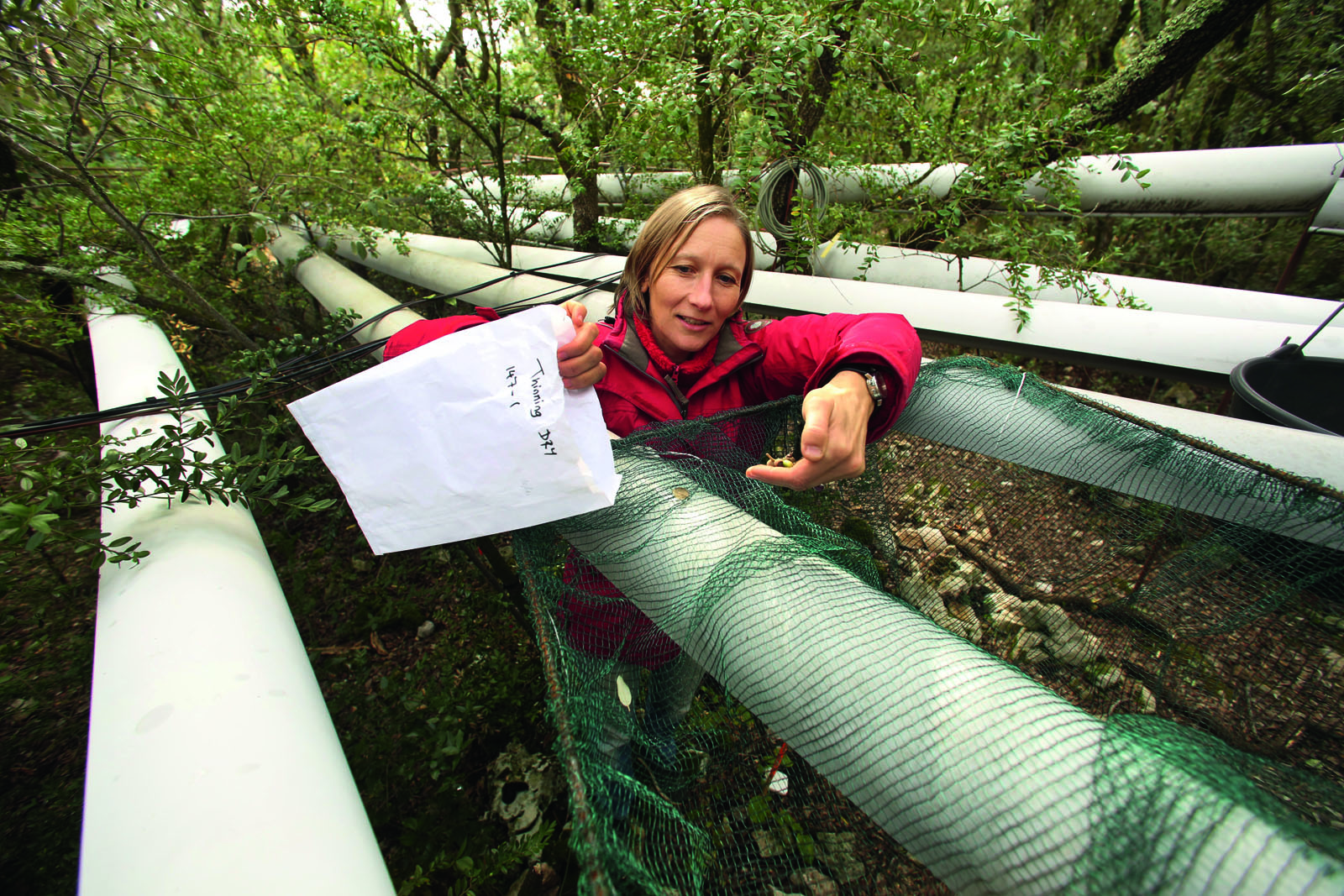
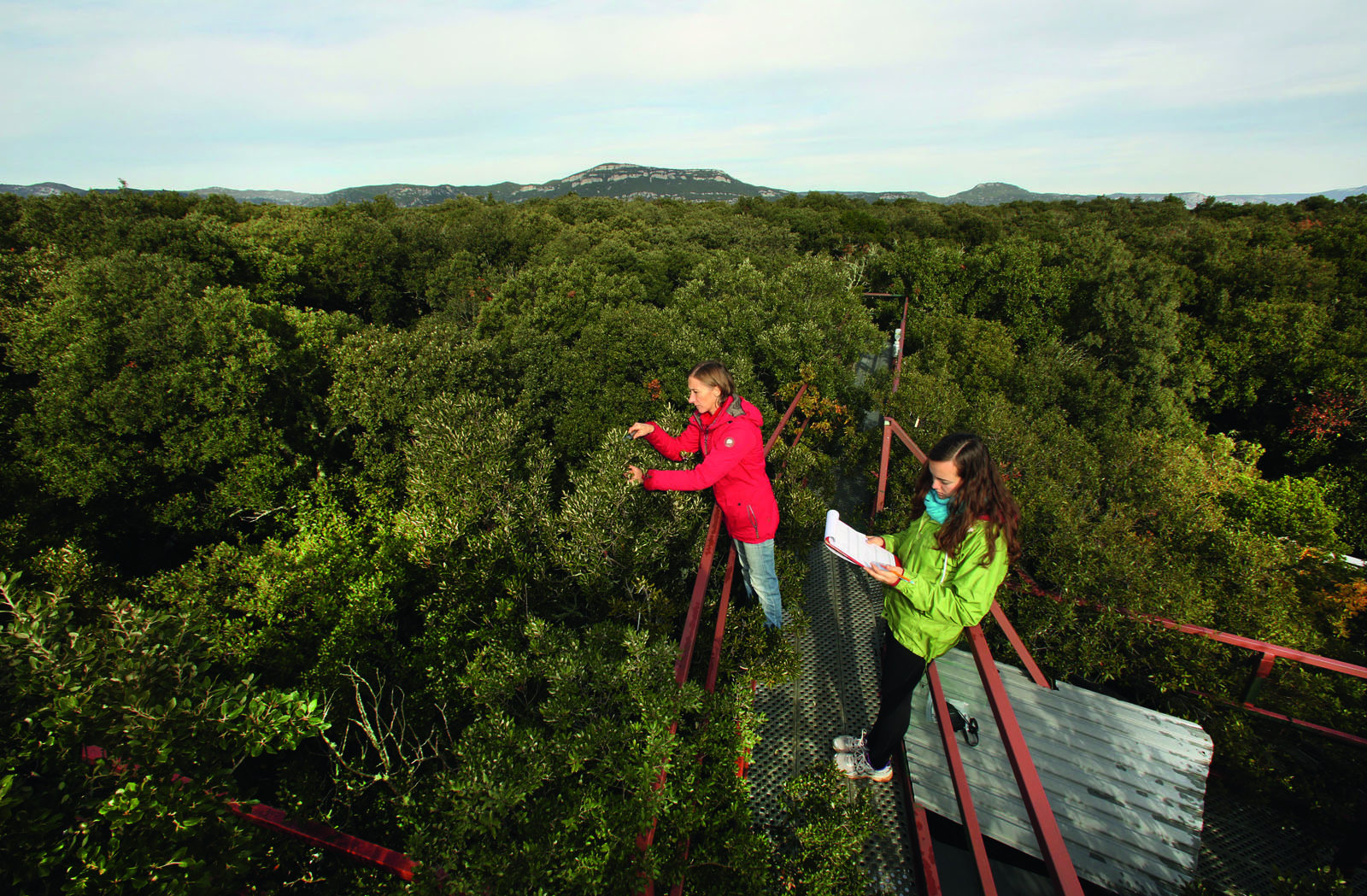
Climate scientists predict a 30% decrease in rainfall by the year 2100. How will the forest respond to this increase in drought? To find out, the Center for Functional and Evolutionary Ecology has transformed the holm oak forest in Puéchabon—about 30 kilometers from Montpellier—into a veritable open-air laboratory. To simulate drought conditions, researchers have installed a system of gutters that collects rainwater before it seeps into the ground. They also have a movable roof covering more than 200 m² that can be positioned over the forest to block precipitation.
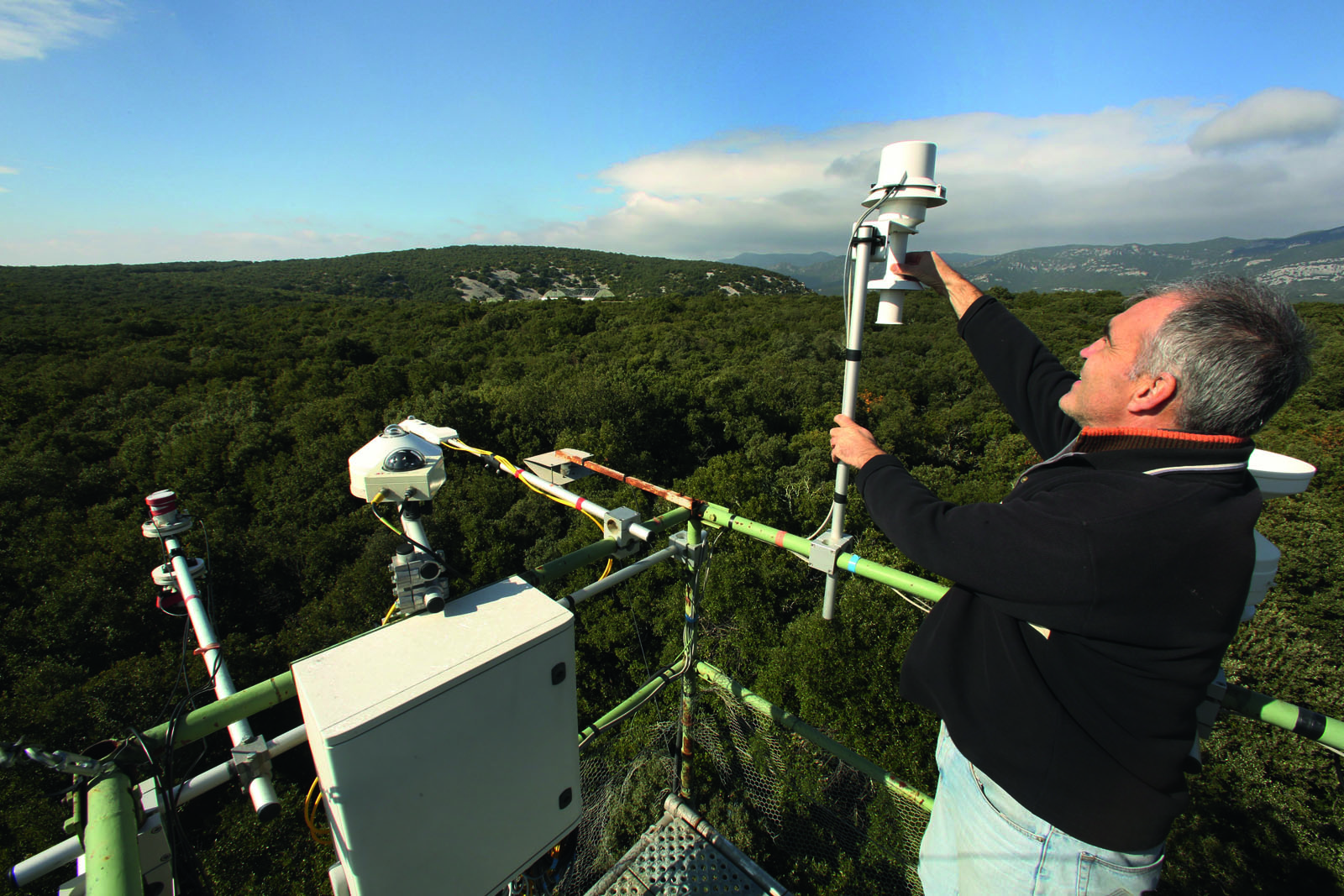
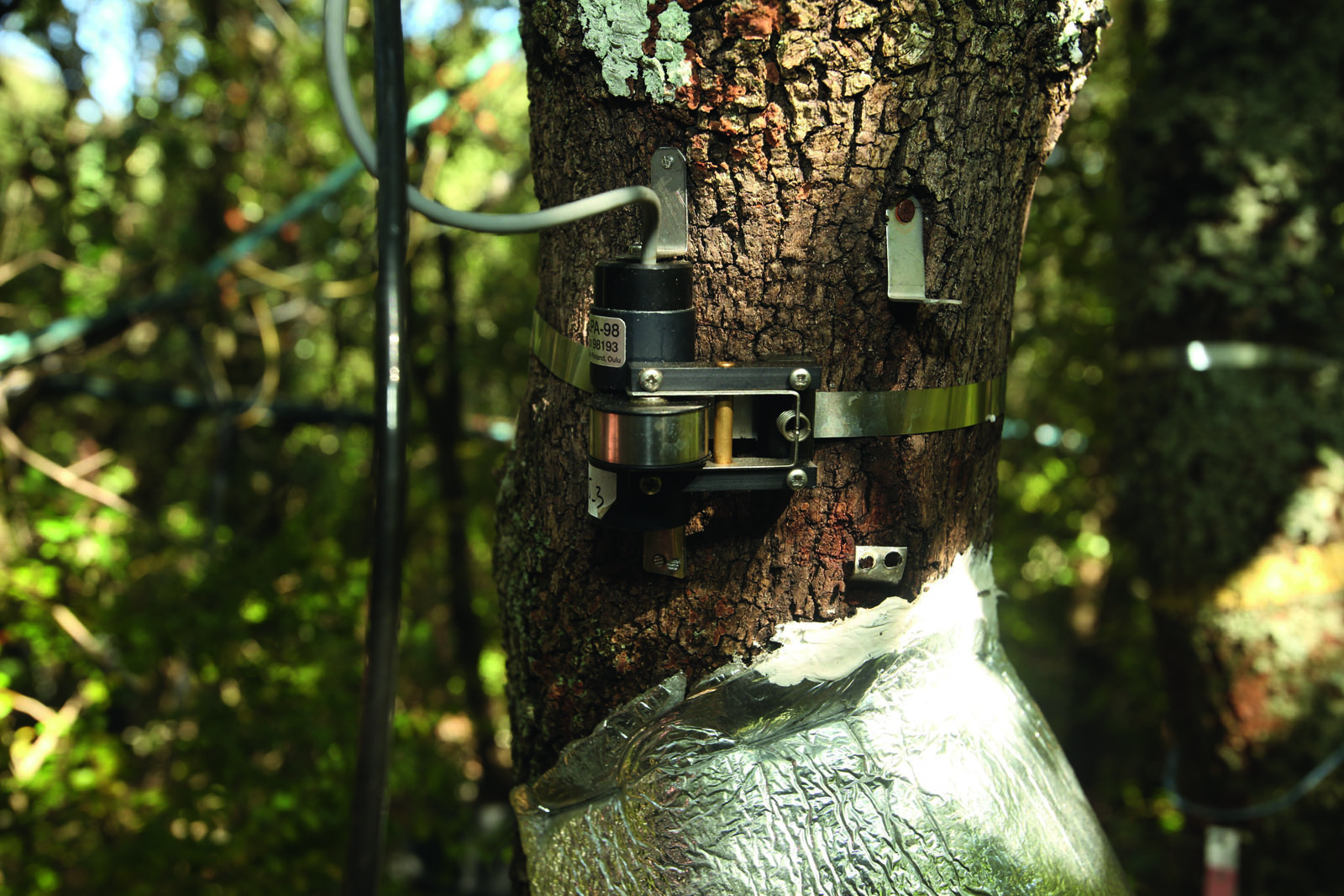
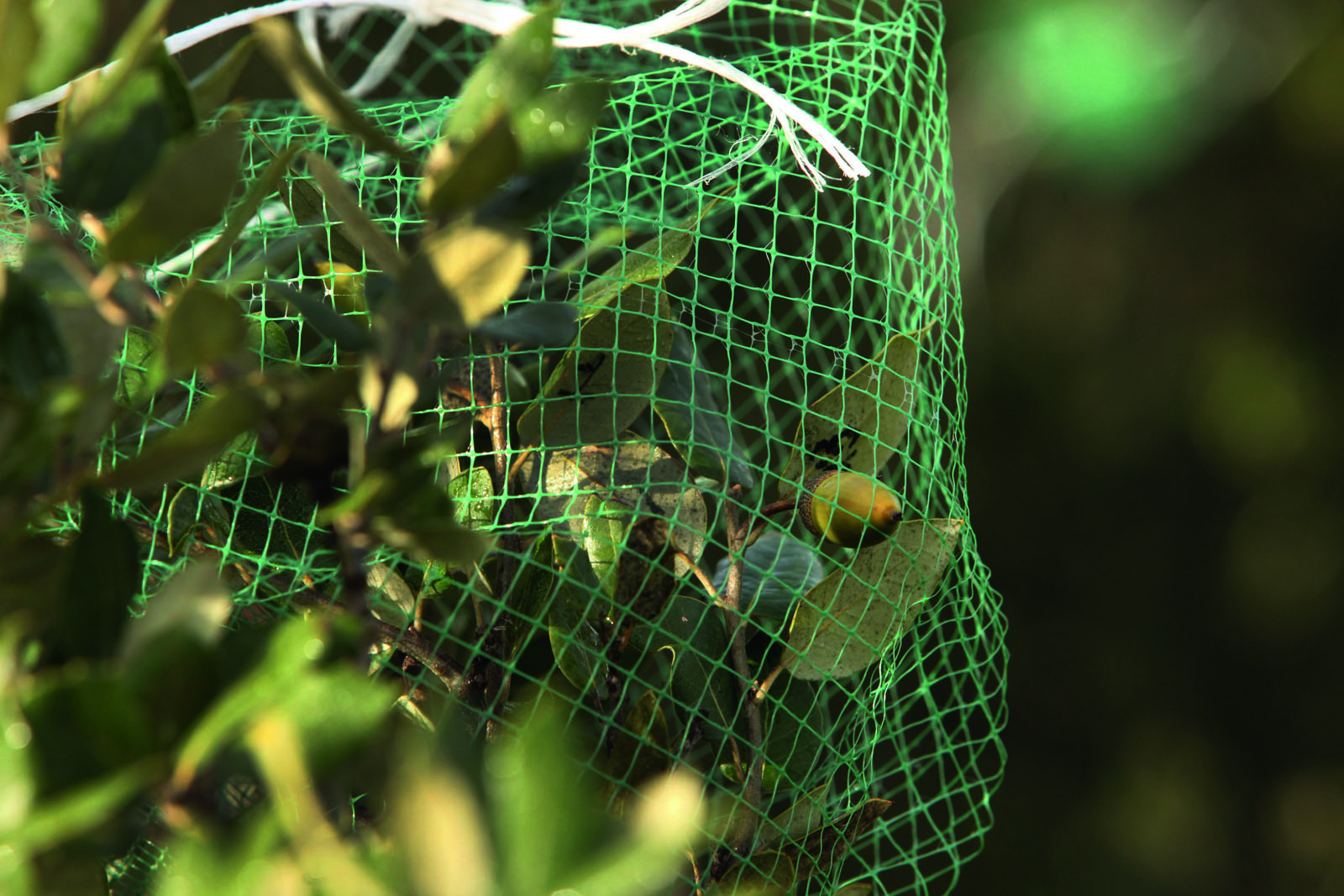
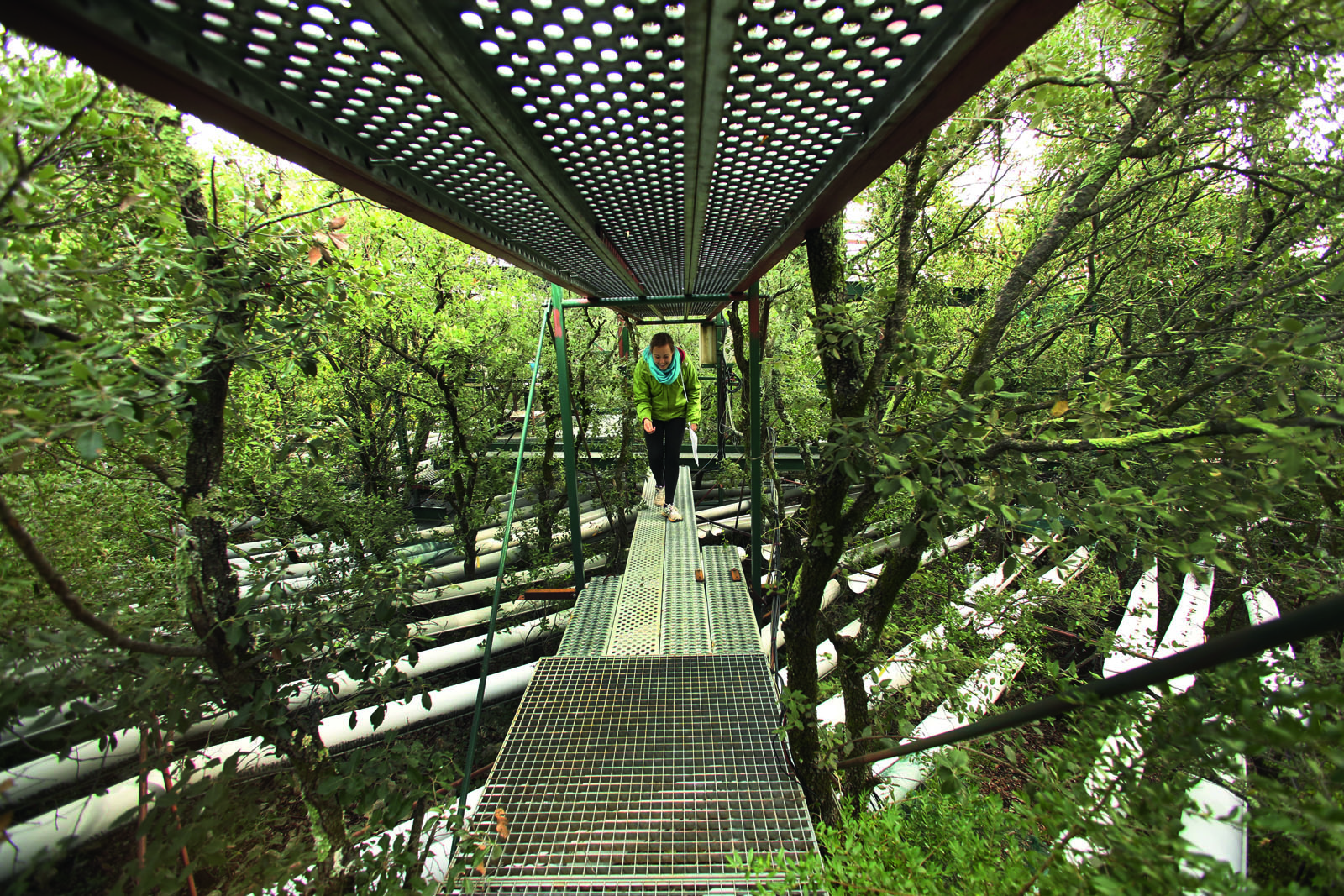
The forest is being studied from every angle thanks to a walkway installed in the canopy that allows scientists to take measurements on leaves and branches, while a “flux tower” continuously measures the forest’s carbon and water budgets. “These devices allow us to study how the ecosystem responds to climate change, ” explains Jean-Marc Limousin, a researcher at CEFE. How will holm oaks fare in the dry climate of 2100? “For now, they’re adapting. In particular, we’ve observed that they reduce the number of leaves they produce to transpire less and conserve water” (“Physiological Responses of Leaves to Extreme Droughts in the Mediterranean Quercus ilex Forest”, in *Plant, Cell and Environment*, 2010).
Check out theUM podcasts, now available on your favorite platform (Spotify, Deezer, Apple Podcasts, Amazon Music, etc.).