The Future of Water Takes Shape in Montpellier
Montpellier is a leading European center for water sciences. A closer look at one of the key themes of theUM. Heavy rains and devastating floods, groundwater pollution, coastal zone conservation, irrigation, and the need to redefine resource management in the face of global population growth…
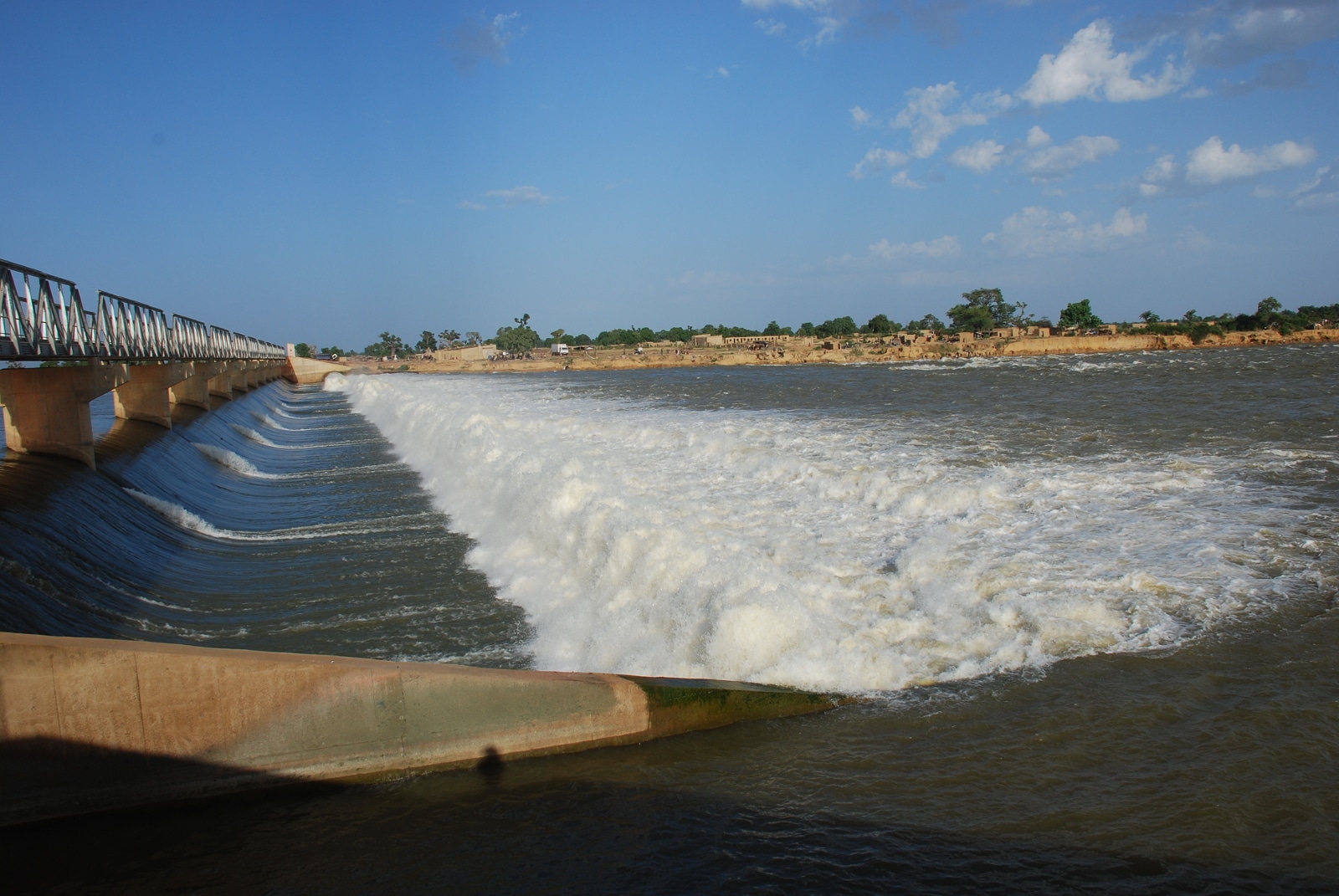 Water has been at the center of media and political debate for several years now. Facing the Mediterranean, Montpellier did not wait for this recent interest to begin addressing an issue of vital importance to humanity. With more than 500 scientists and doctoral students affiliated with 14 research units, the city serves as a hub for research in the water and environmental sectors that is unparalleled in Europe.
A dedicated institute, a global competitiveness cluster, a Mediterranean observatory…
- Since its launch in 2013, the Montpellier Institute for Water and the Environment ( IM2E) has brought together all stakeholders in research on two topics that are now inextricably linked: water and the environment (sustainable development, climate change, energy, agronomy, etc.).
- Taking a multidisciplinary approach, IM2E works closely with OREME (Mediterranean Environmental Research Observatory), which has a particularly valuable resource in the Sète marine station.
- Montpellier is home to the headquarters of a globally oriented competitiveness cluster dedicated to water sciences. One of its goals is to foster synergies between public research and private-sector stakeholders.
It was thanks to this ecosystem that the city hosted the13th World Water Congress in 2008 and the “Future of Water” conference in 2015. The goal of this event, organized by IM2E (in partnership with the French Committees of the International Associations of Hydrology and Hydrogeology), is to bring together young professionals in the field to foster innovative approaches that will shape the world of tomorrow.
An education with an international focus
Backed by this strong research potential, the University of Montpellier (UM ) offers a wide range of water sciences programs tailored to specific professions. Each year, it welcomes a large number of students from around the world—particularly from the Global South—thereby helping to strengthen ties among all stakeholders in global change.
For many years now, the University of Montpellier has offered an engineering program in water sciences and technologies through Polytech. This program develops expertise in hydraulics, water treatment, hydrobiology, and ecology.
In addition to this program, theUM now offers six other tracks within the Master’s in Water Sciences program at the Faculty of Sciences:
- Hydrology, Risk, Environment
- Quantitative and Qualitative Hydrogeology
- Water and the Coast (also known as coastal and marine management)
- Water Contaminants and Health
- Water and Agriculture
- Water and Society
Image: Copyright Alain Dezetter