The Four Ecologies of the Anthropocene
With our entry into the Anthropocene—this period in which human activities have become a new geological force affecting all of the planet’s ecosystems as well as the climate—the protection of biodiversity and the conditions for life on Earth has become a central issue.
Raphaël Mathevet, University of Montpellier
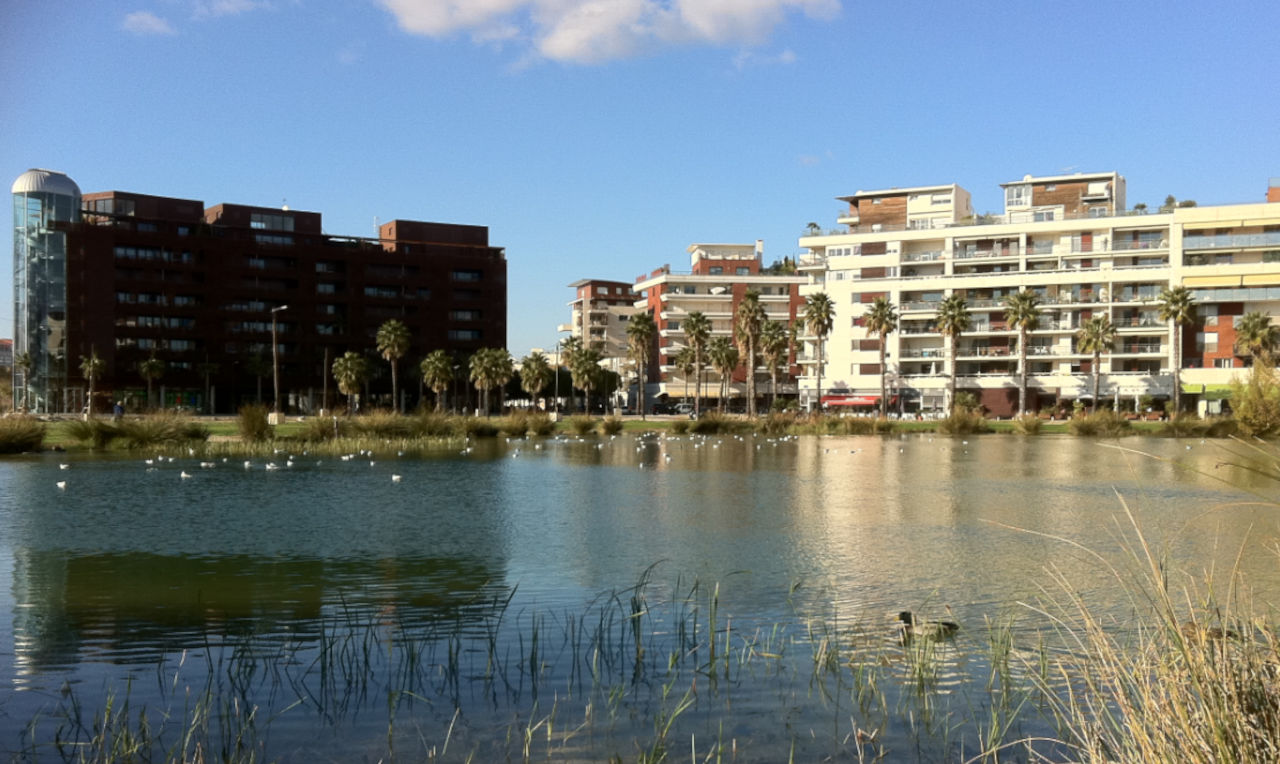
However, depending on the geographical and political context, environmentalists and conservation biologists have aligned themselves with different schools of thought and adopted different positions over the decades.
To avoid confusion between these approaches, it is necessary to understand the various ecological perspectives at work in nature conservation. Some of these perspectives have enjoyed periods of dominance and have had varying degrees of success. Today, they coexist and all advocate for the creation of protected areas, which now cover 15 percent of the Earth’s land surface. Despite the multiplicity of approaches within a single school of thought, they can be better characterized by applying a political science framework.
We can thus identify a first dividing line between, on the one hand, conservation approaches that are rooted in the opposition between nature and culture and, on the other, those that seek to transcend this dualism. The second dividing line distinguishes, on the one hand, approaches that are rooted in the dominant economic model or in its reform and, on the other, those that seek to radically transform it.
Finally, the approaches to species and ecosystem management that stem from this framework develop along a spectrum whose two poles are free evolution versus control of nature.
The Ecology of Stubbornness
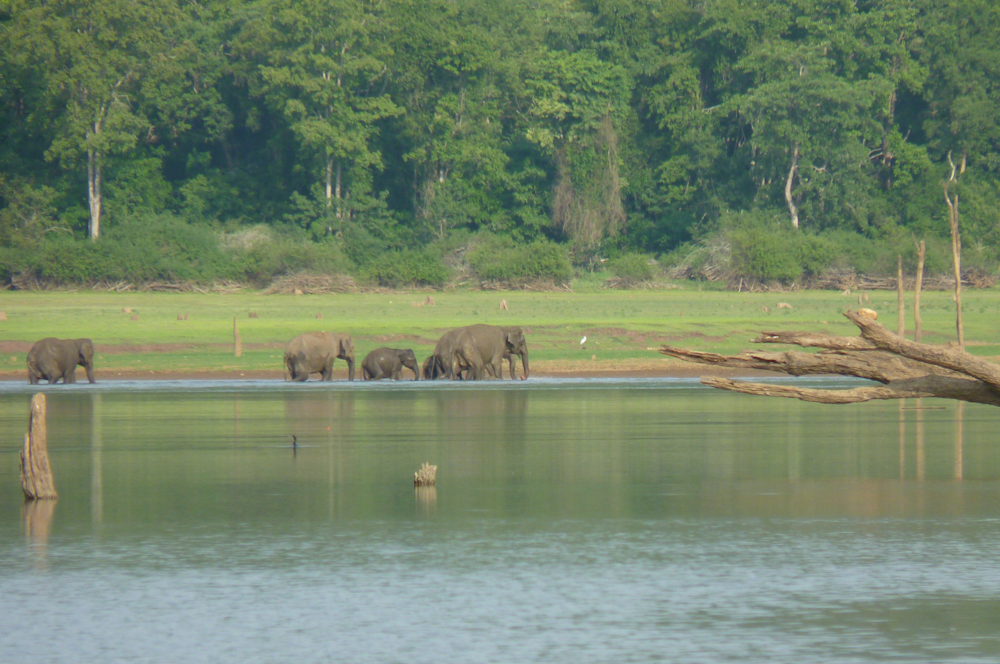
The “ecology of obstinacy” has long been committed to preserving highly natural ecosystems and landscapes, as well as iconic wildlife species. It often relies on management practices that seek to protect a generally idealized vision of nature, even if this requires significant intervention through species reintroductions and population control, or the management of natural processes such as fires and floods.
This approach to ecology seeks to protect wilderness by excluding extractive human activities as much as possible and does not challenge the dominant economic model. Implemented by many NGOs and supported by international donors, it is evident today in numerous African national parks , such as Kruger National Park in South Africa and Kaziranga National Park in India, both famous for their rhino and elephant populations. This approach to conservation can also serve as a tool for political control over a sensitive area, such as the Jiangtang Megapark in China’s Tibet Autonomous Region.
Raphaël Mathevet
The Ecology of Reconciliation
A movement that gained widespread acceptance in the 1990s, the ecology of (re)conciliation advocates for protected areas where humans are involved in participatory approaches to conservation that are integrated with natural resource management and development efforts.
This approach to ecology promotes both the protection of wilderness areas and biodiversity in agricultural and forested areas. It draws on every possible means—ranging from non-intervention to ongoing active management—based on the socio-ecological dynamics of the species and habitats involved. It emphasizes the diversity of values associated with living things and seeks to reconnect humans to the biosphere by changing their behaviors at the individual level, while also promoting collective actions that shape public policy.
While it may ultimately accept the dominant economic model, it incorporates management practices tailored to the local context, as well as reformist and contract-based policies that encourage people to care for—or at least make good use of—nature. These approaches are particularly evident in France’s regional nature parks and in the global network of biosphere reserves under UNESCO’s Man and the Biosphere Program.
The Ecology of Renunciation
A school of thought that emerged in the 2000s—which we refer to as the “ecology of renunciation” because it has renounced the dualism between nature and culture and the autonomy of living beings—holds that humans have permanently disrupted the functioning of ecosystems. According to this perspective, the biosphere is now a mosaic of gardens that have been left to run wild to varying degrees and are rich in evolutionary promise. Humans can shape these hybrid forms of nature to make them more desirable and/or more productive.
These highly debated approaches are promoted in particular by the scientific director of the powerful American NGO The Nature Conservancy, which has one million members and manages more than 480,000km² of natural habitats worldwide. Humans are called upon to control—if not actively manage—the ecosystems of which they are an integral part, and to harness natural capital and ecosystem services through public-private partnerships. According to proponents of this approach, techno-scientific innovation, democracy, and freedom remain important ideals, and the commodification of life could halt—or at least slow down—the erosion of biodiversity.
The Ecology of the Wild

Raphaël Mathevet
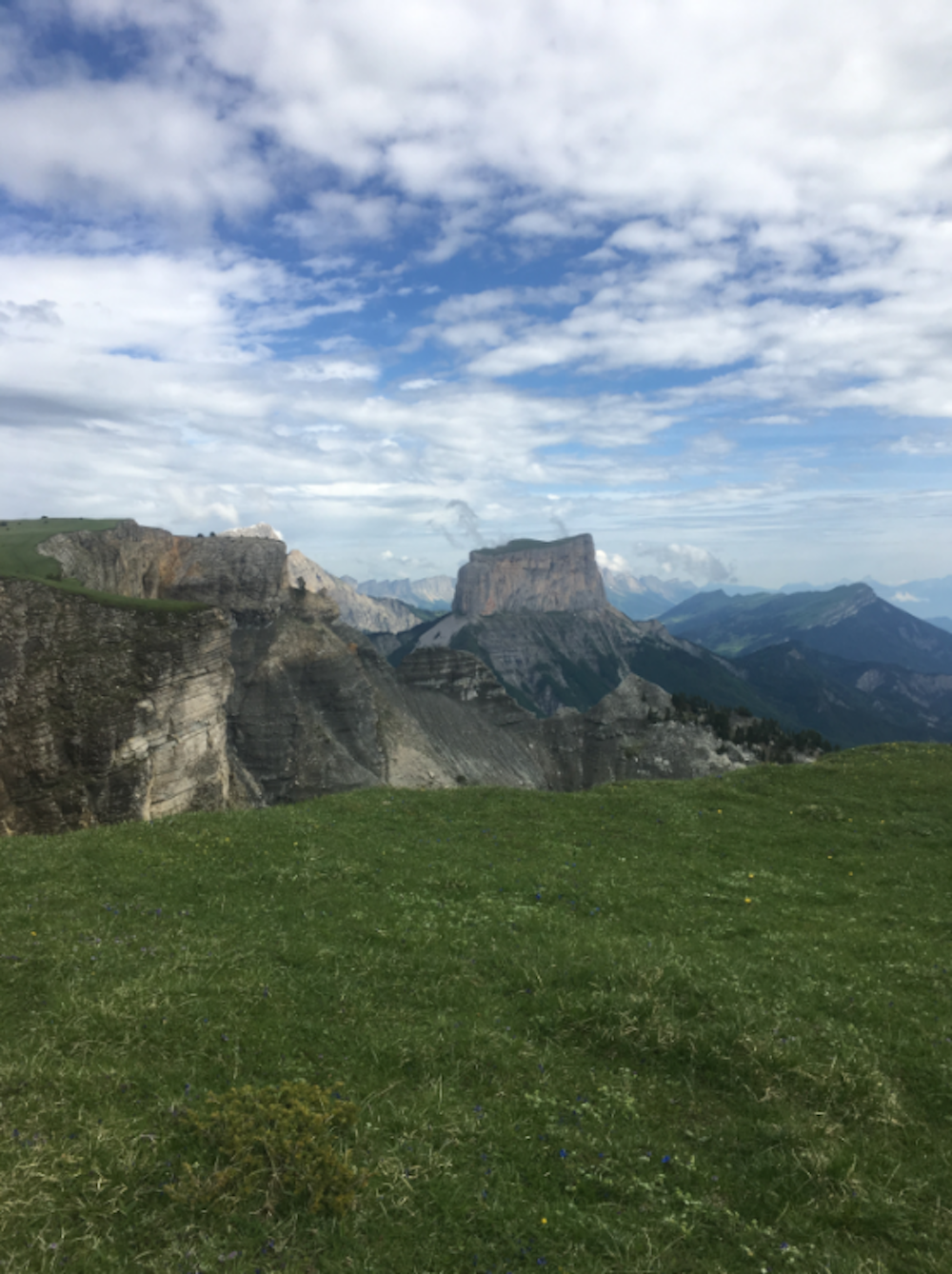
Finally, more recently, “wild ecology” has sought, on the contrary, to promote the idea that nature does not need humans. Human activities must protect or cooperate with the living world, allowing the autonomous and evolutionary forces that animate it to run their course. It promotes the idea that processes should be allowed to evolve freely over the widest possible areas, regardless of their initial state of naturalness.
Raphaël Mathevet
This transformative ecology often rejects the basic structure of extractive productivism in favor of collaborative and frugal systems. It seeks a redistribution of power within the political economy and willingly reinterprets property rights to avoid exploiting or controlling living organisms. These approaches can be found in a growing number of agroecology initiatives in South America, India, and France, as well as in wildlife reserves established by certain organizations in the Allier Gorges and the Vercors.
These different ecological perspectives reveal a variety of ways to address the implications of the realization that humans are always embedded within a web of ecological interdependencies.
Beyond past categories and dichotomies—natural versus artificial, wild versus domesticated, protected versus exploited—the focus is now on promoting the ecological solidarity, to defend nature and life everywhere by finally making humans true partners of the biosphere.
Raphaël Mathevet, Researcher at CNRS CEFE, University of Montpellier
This article is republished from The Conversation under a Creative Commons license. Readthe original article.