UM s in Antarctica with Greenpeace
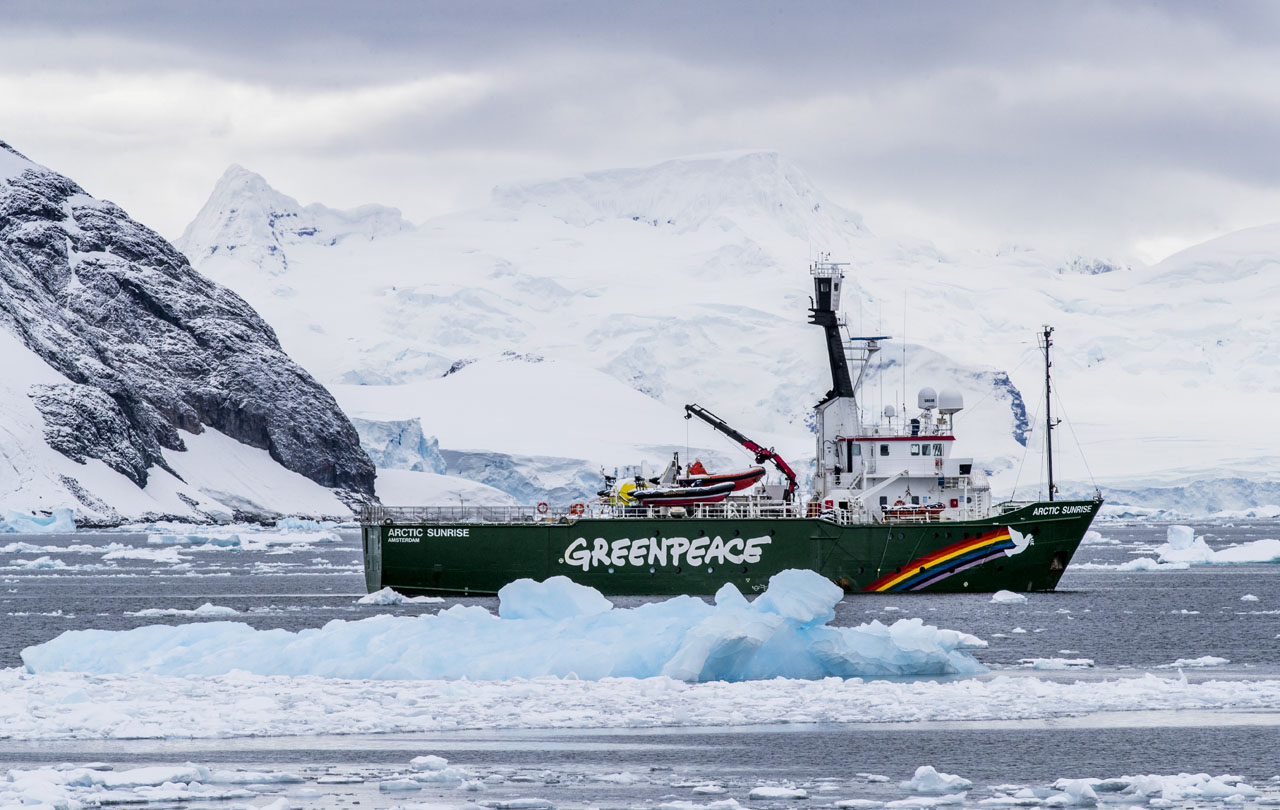
Greenpeace, the most influential environmental organization, called on MARBEC, the marine biology laboratory at theUM, to participate in a mission to Antarctica from January 5 to February 13 aboard theArctic Sunrise. This marks a first for the university, which, thanks to the know-how and expertise of its scientists, will undoubtedly contribute to the preservation of one of our planet’s last marine refuges.
“This is a unique opportunity to observe Antarctica’s biodiversity and take action to establish a genuine policy for the preservation of the poles,” says David Mouillot, a professor at the Marine Biology Laboratory (MARBEC) at the University of Montpellier and the mission’s lead researcher.
From January 5 to February 13, Nacim Guellati, a student at theUM and an intern at MARBEC, will join Greenpeace for the final leg of its major pole-to-pole expedition. “This is an event with enormous scientific and media impact that will help raise our university’s profile,” adds the professor.
Environmental DNA
This unique opportunity stems from MARBEC’s collaboration with SpyGen (see box), a company recently awarded the “Companies on Campus” designation by iSite MUSE. Environmental DNA (eDNA ) technology makes it possible to collect DNA fragments left behind by organisms in the water, thereby revealing the presence of species previously unseen by researchers. The Mediterranean, the Pacific, the Atlantic… MARBEC researchers have been filtering water from every ocean on the globe for the past two years. The only one left was Antarctica.
“Our hypothesis is that, due to global warming and the pressure of industrial fishing, new species are seeking refuge in Antarctica, particularly during the summer,” explains David Mouillot. This new migratory behavior appears to be observed in mammals, sharks, and several species of fish.
New Safe Zone
Far from being good news, such a development—if it were to be confirmed—would not only be yet another warning sign of the poor health of our oceans but also a harbinger of a new threat. “If Antarctica turns out to be, as we believe, a climate refuge for marine biodiversity, it is clear that it will become the target of future extraction efforts. It is more than urgent to put protective measures in place,” warns the biologist.
Today, only 2% of Antarctica is protected, leaving virtually the entire continent at the mercy of the fishing and energy industries—or a new wave of mass tourism that, with the melting ice and the opening of new shipping routes, could begin to take hold. This situation makes the collection and analysis of data by the scientific community all the more urgent.
Urgent Placement in Custody
A heavy responsibility has been entrusted to Nacim Guellati, a bachelor’s degree student at theUM, who will board theArctic Sunrise —and not aboard the Esperanza, another Greenpeace vessel, as originally planned—to collect these first DNA samples in Antarctica. The young man is well aware of the political significance of this mission: “UN member states are currently negotiating a treaty on ocean protection. Our findings must be used to establish marine reserves in Antarctica to protect this natural heritage.”
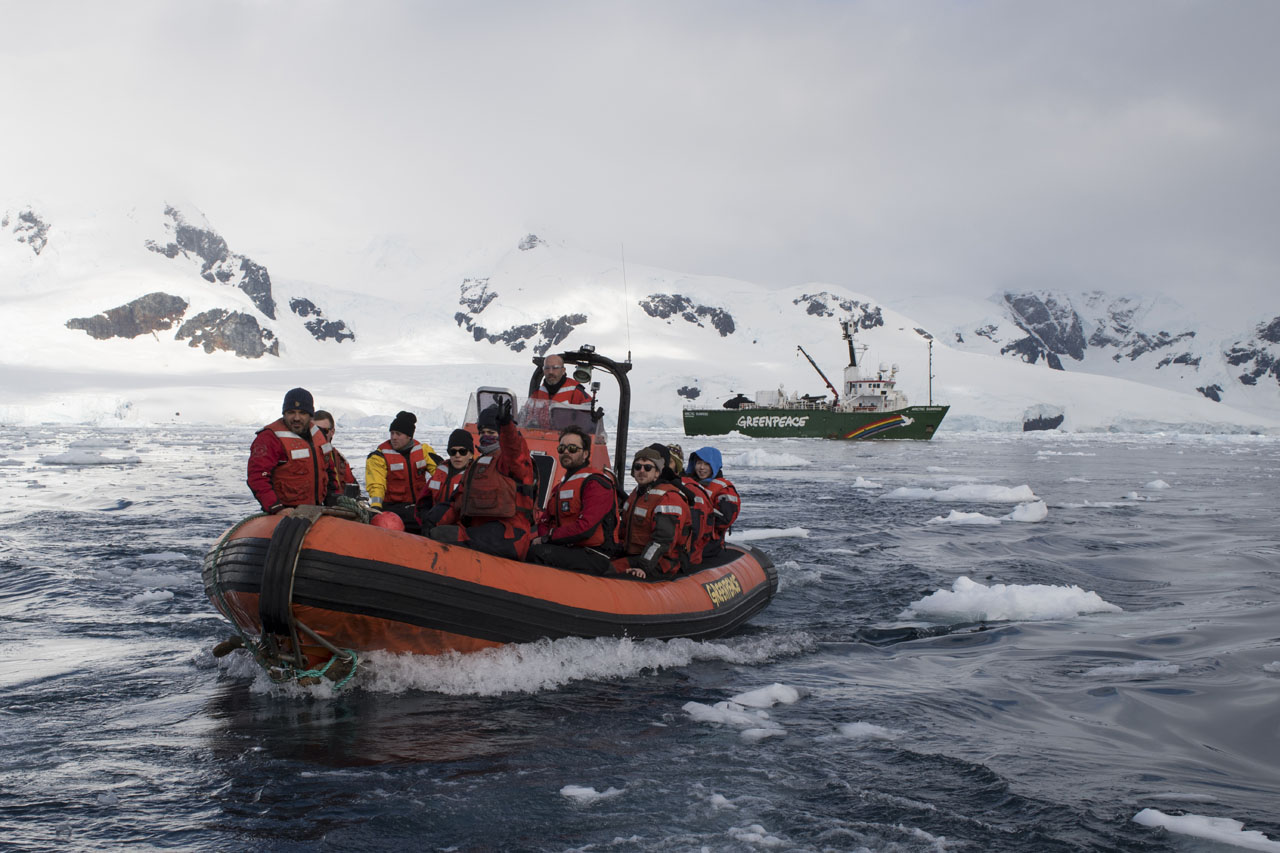
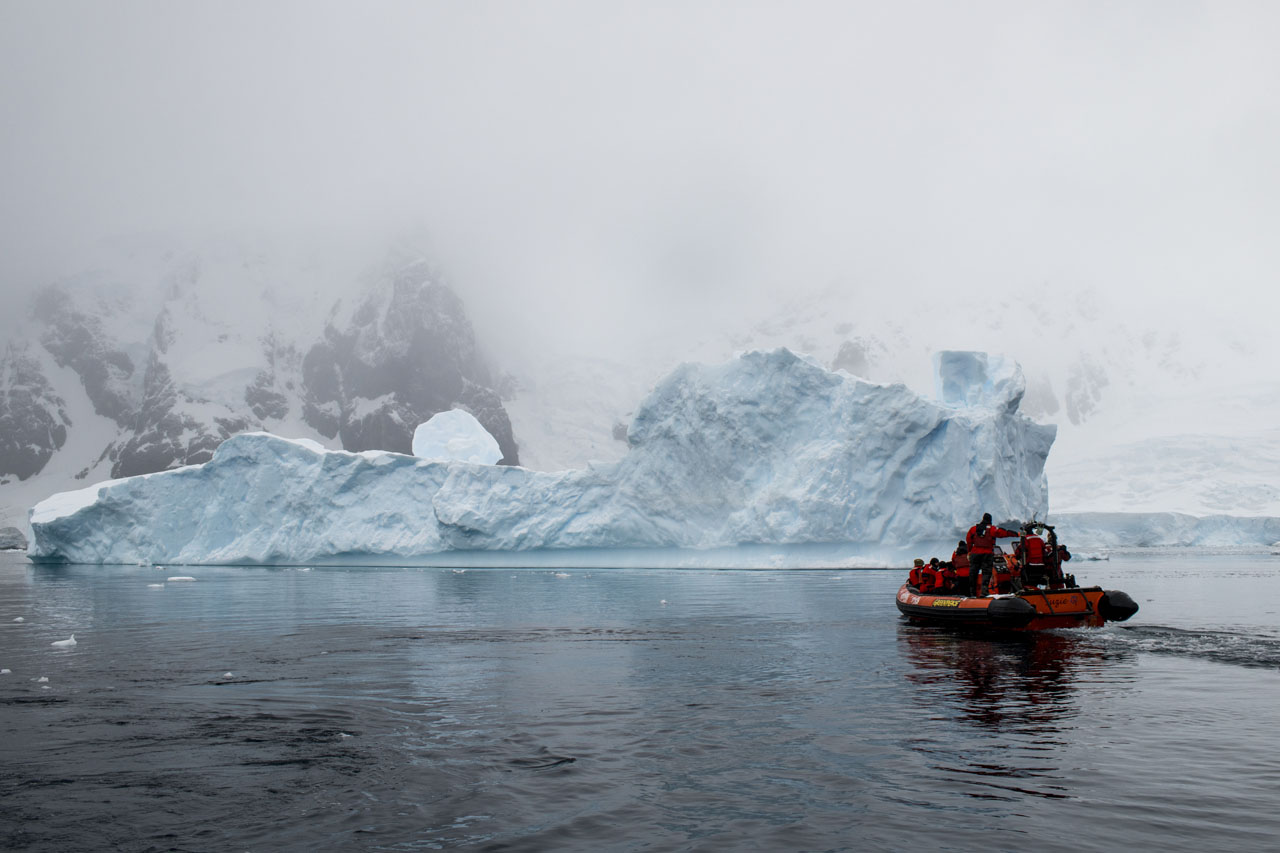
During these seven weeks in Antarctica, Nacim will filter water for four or five hours a day aboard a Zodiac. The filters will then be stored and analyzed by researchers from MARBEC and SpyGen. “It’s a very demanding mission that requires great physical and mental stamina,” explains his supervisor. “Nacim has been working with us for two years; he has amply demonstrated his dedication and adaptability. We have complete confidence in him, and we’ll stay in constant contact throughout the mission to make the most critical decisions together.”
Trusting Students
At just 22 years old, Nacim will be the first student from theUM to take part in a mission organized by Greenpeace. This is a great springboard for his future career, and David Mouillot is delighted : “It’s essential to train the younger generations and show that the University of Montpellier has confidence in them, especially in a context where students sometimes lack prospects and ambition; this sends a powerful message to young people.”
Throughout the expedition, the young biologist will share his experience with the general public by sending daily messages and videos, which the university will post on social media. A mission that, hopefully, won’t be just a drop in the bucket!
SpyGen or the Success of Companies on Campus
It was through SpyGen that the University of Montpellier and MARBEC became involved in the expedition organized by Greenpeace. A pioneer in the field of environmental DNA analysis,SpyGen set up operations on campus as part of the “Companies on Campus” call for projects launched by MUSE. This initiative aims to foster partnerships between research units within the MUSE network and businesses by facilitating the placement of company staff directly within the research units. “The collaboration with SpyGen has allowed MARBEC to benefit fromenvironmental DNA technology, which we have now been working with for several years,” explains David Mouillot. After being contacted by Greenpeace, the company then reached out to MARBEC to present this proposal. This is a fine example of the visibility and opportunities that such partnerships with the business world bring to the university.
© Paul Hilton