[LUM#19] Let's get to work!
Improving the manufacturing processes for charcoal—the primary fuel used in countries in the Global South—is one of the BioWooEB laboratory’s research areas.
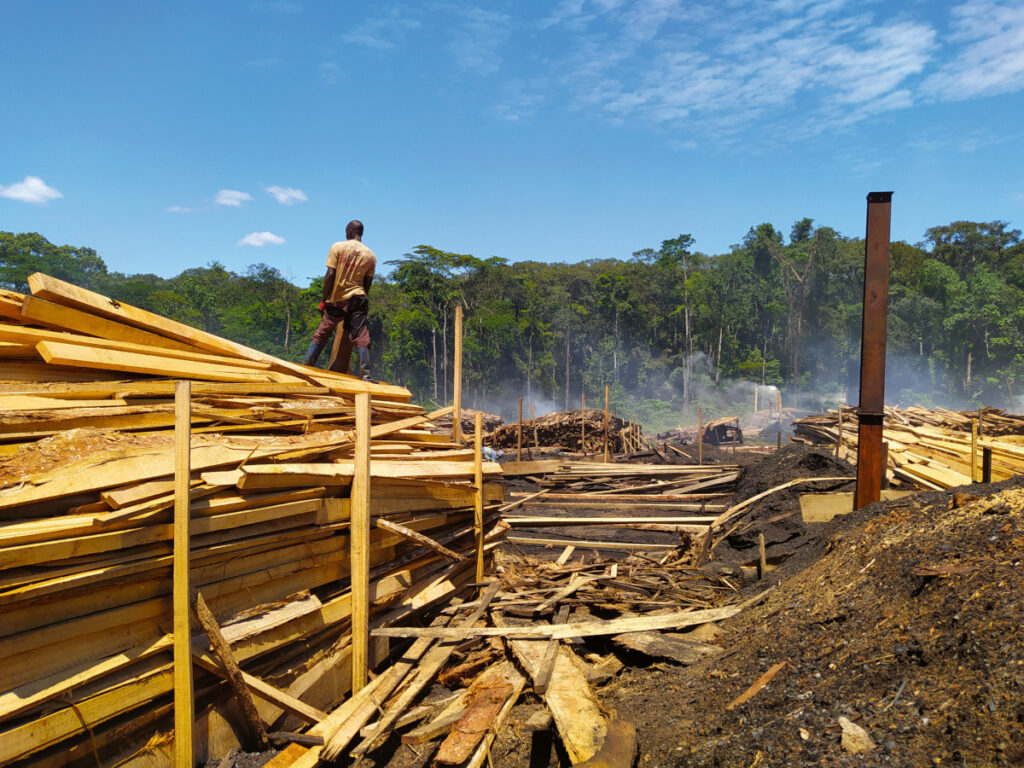
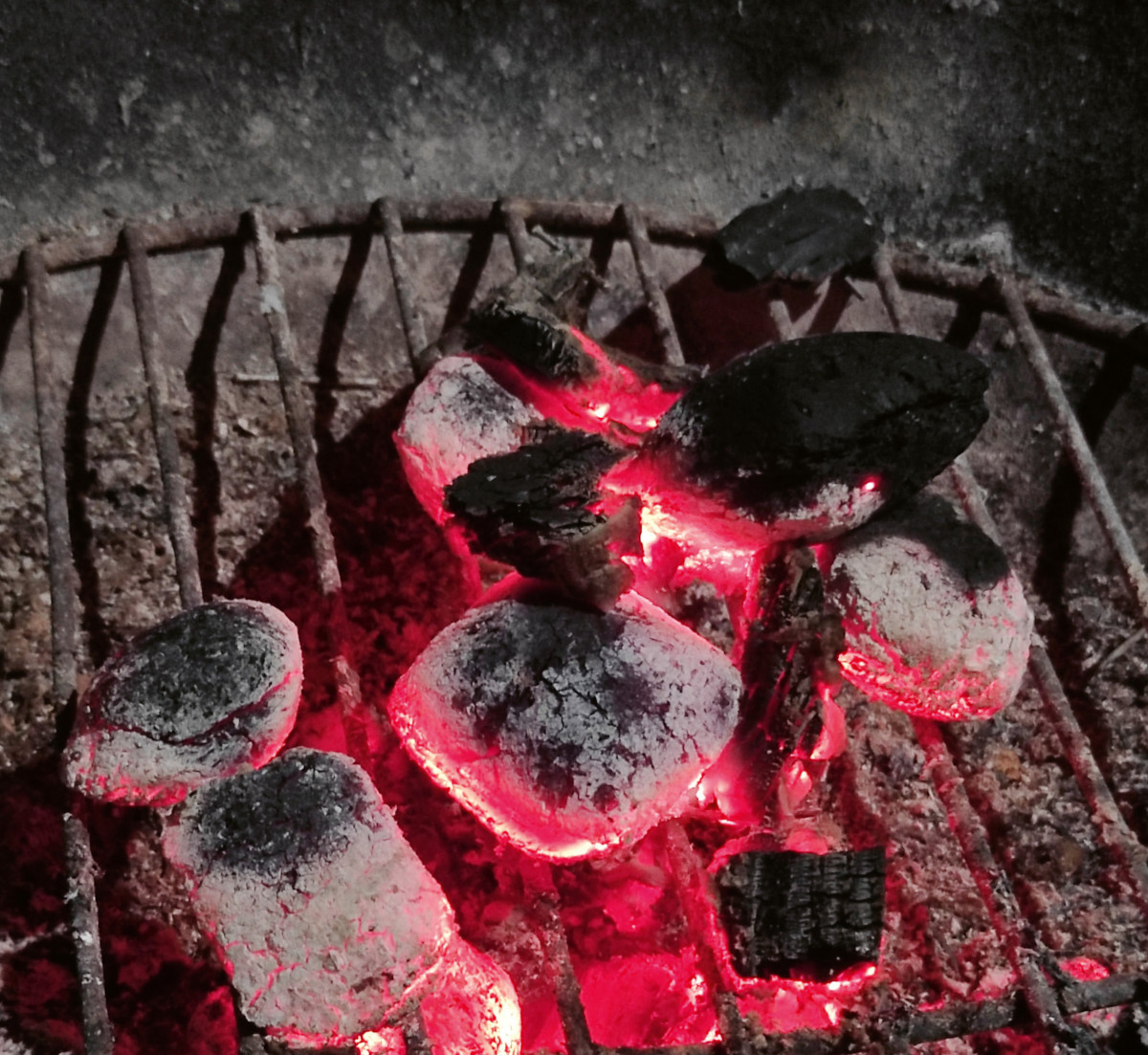
It’s the energy source of cities in the Global South: charcoal. “Not to be confused with fossil coal extracted from mines,” notes Kévin Candelier. “Charcoal, on the other hand, is produced through a process of heating wood in the absence of oxygen, known as carbonization or slow pyrolysis,” explains the researcher from theBioWooEB laboratoryat
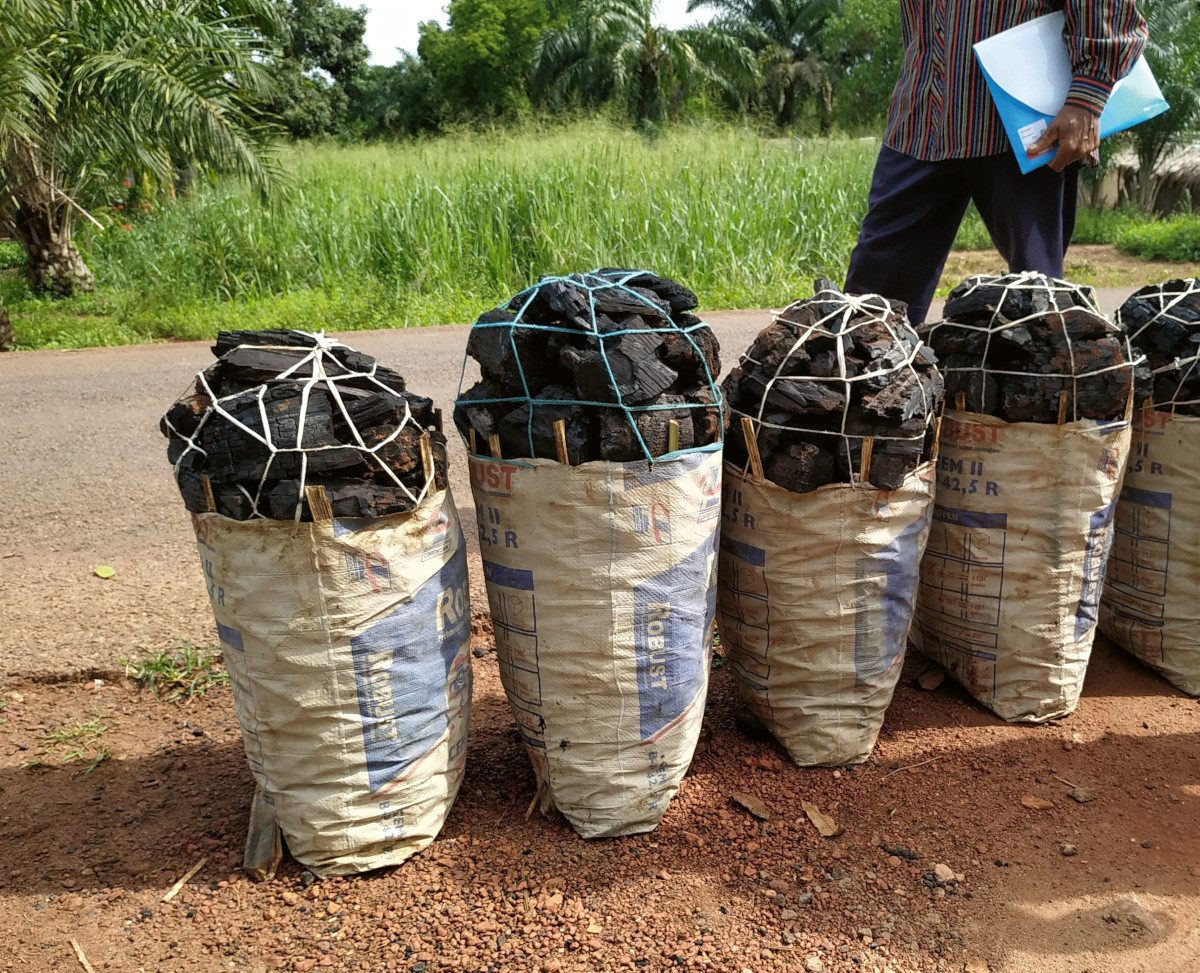
1. Why charcoal rather than wood? “Charcoal has a higher energy content per unit of mass than firewood; it burns more slowly and emits less smoke during combustion, ” replies Kevin Candelier. Lightweight, easy to transport, and easy to store, it is the fuel of choice for urban households in the Global South. In the Democratic Republic of the Congo, 90% of the population living in the capital, Kinshasa, relies primarily on charcoal for cooking, accordingto the Food and Agriculture Organization of the United Nations.
According to its latest report on the state of the world’s forests, charcoal consumption continues to rise due to population growth, urbanization in developing or emerging countries , “and its lower cost compared to other energy sources, ” explains François Pinta, also a researcher at BioWooEB. As a result, global charcoal consumption has risen by about 20% over the past 10 years, contributing to strain on a forest resource that is already under pressure.
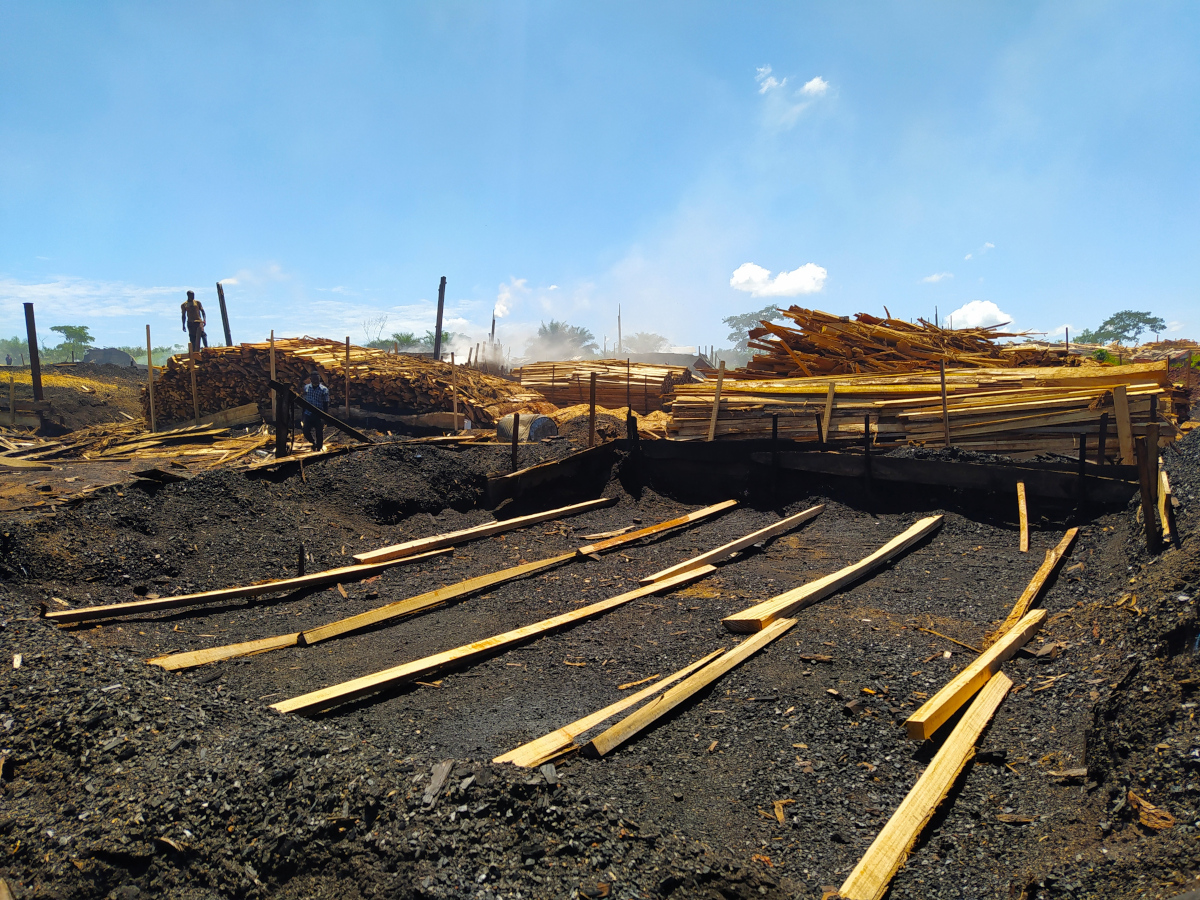
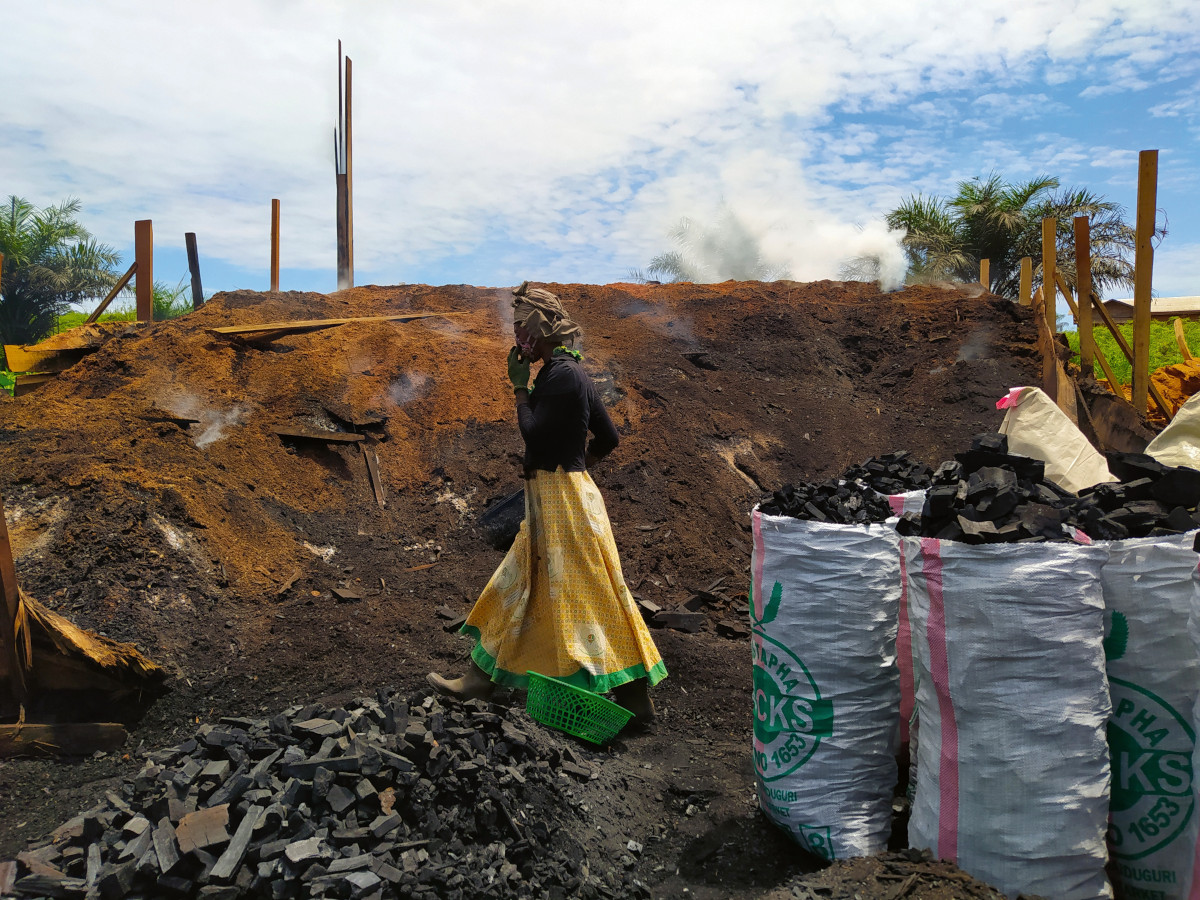
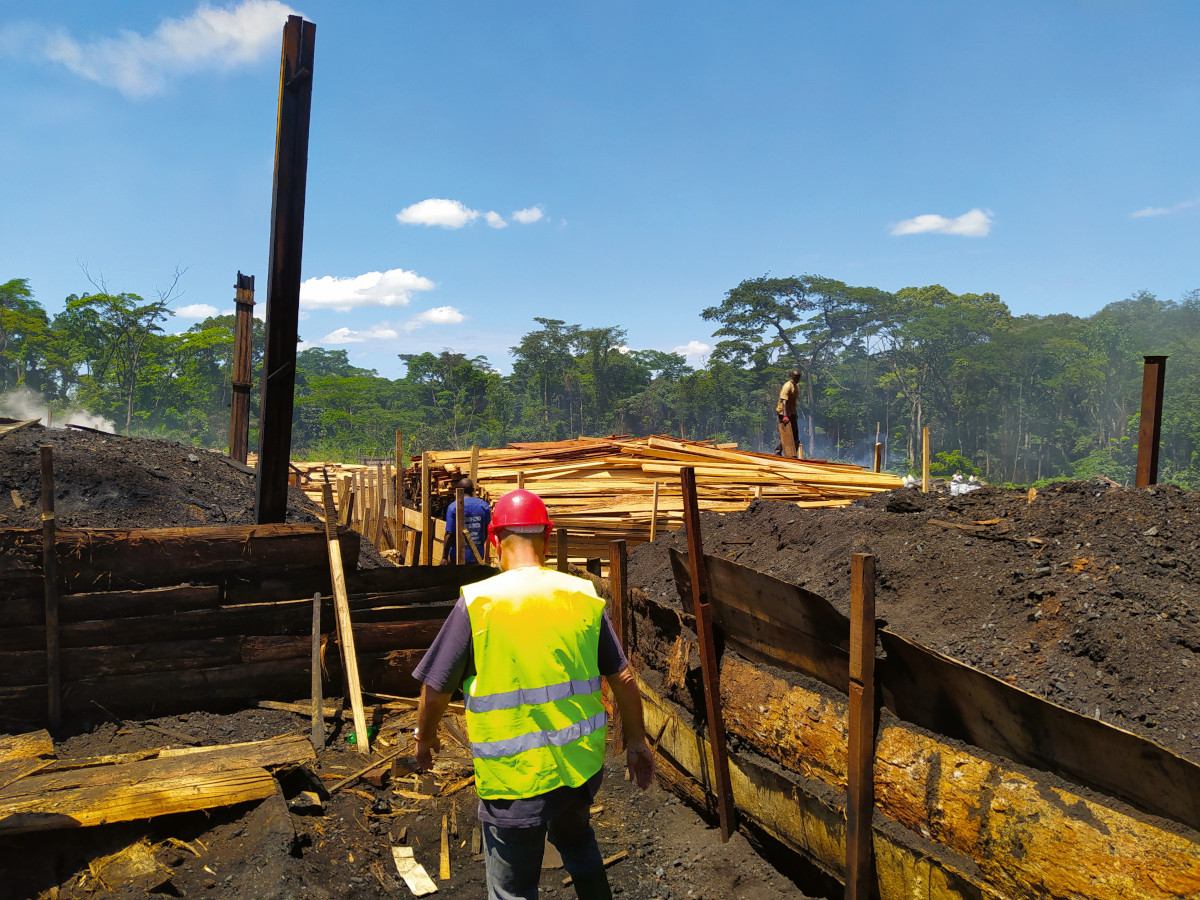
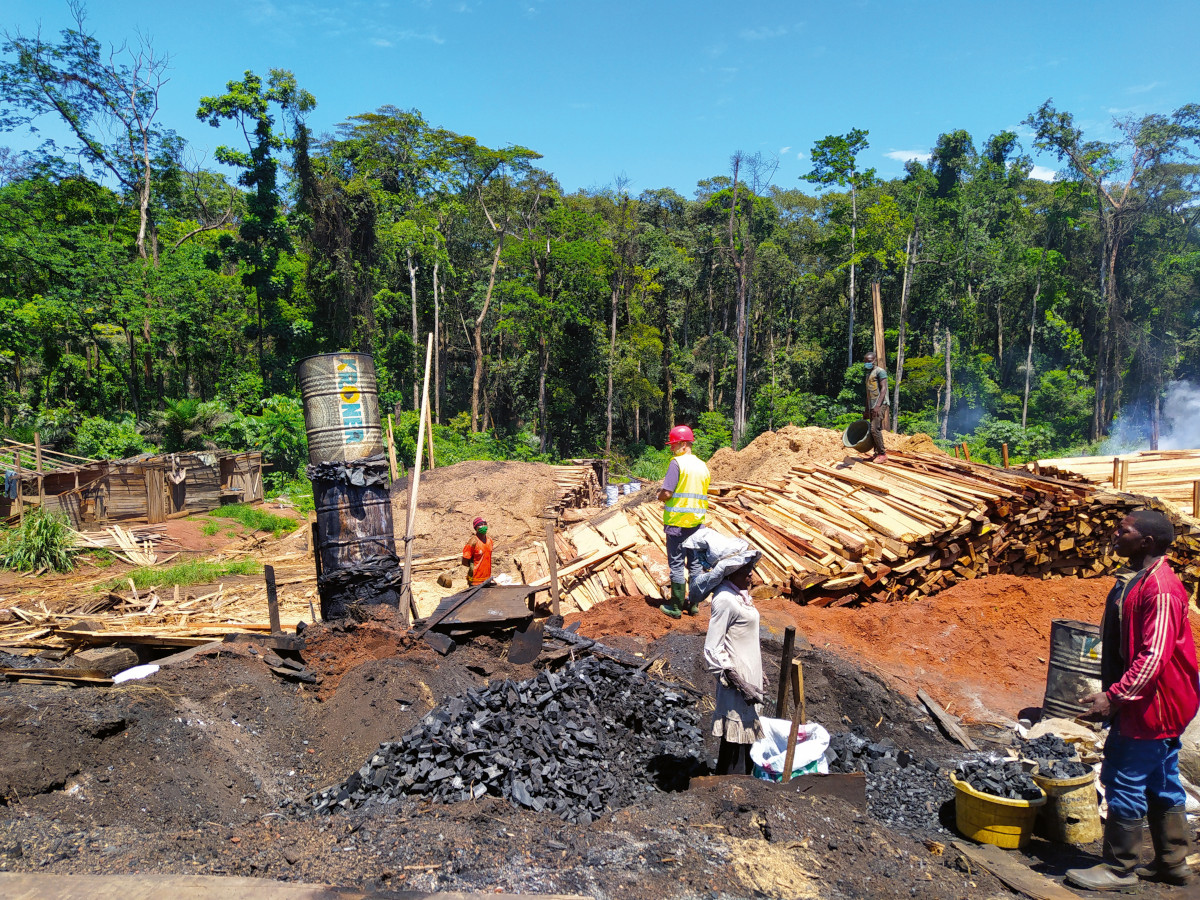
“In developing countries, most charcoal is produced on a small scale using simple techniques known as charcoal kilns: wood is stacked into compact piles, covered with vegetation and soil to create a sealed chamber, and then heated until it turns into charcoal,” explains Kévin Candelier. This traditional method achieves conversion efficiencies of only 13 to 27 percent, which means that it takes between 3.5 and 8 kilograms of wood to produce 1 kilogram of charcoal, depending on the methods used.
Improving these processes has been one of the research areas the BioWooEB laboratory has been exploring for 40 years. “One of the challenges is to improve material conversion yields, particularly by carefully selecting wood species, but also by improving existing practices or developing new charcoal production processes that are more environmentally friendly and less physically demanding for charcoal producers, ” the two researchers explain. This is a major challenge: meeting the growing demand for charcoal while preserving wood resources.
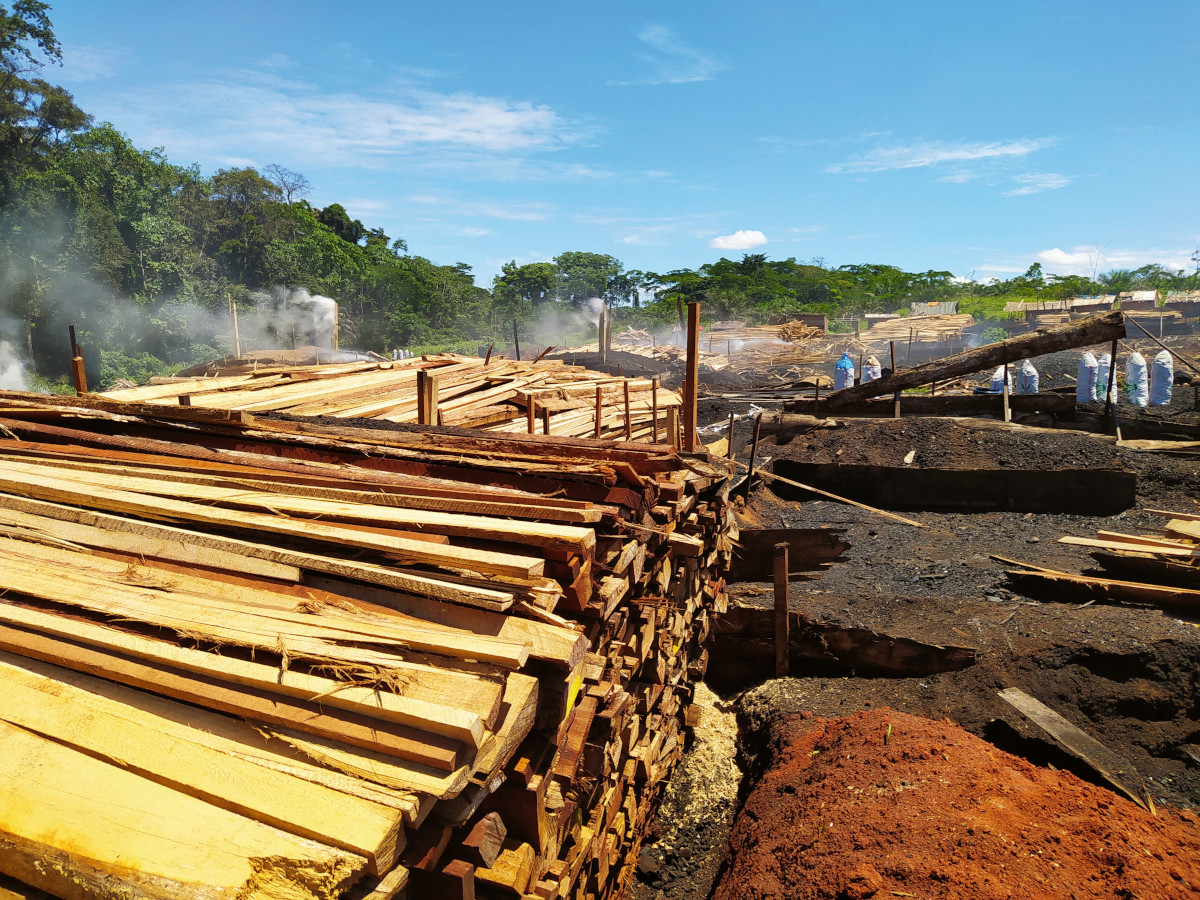
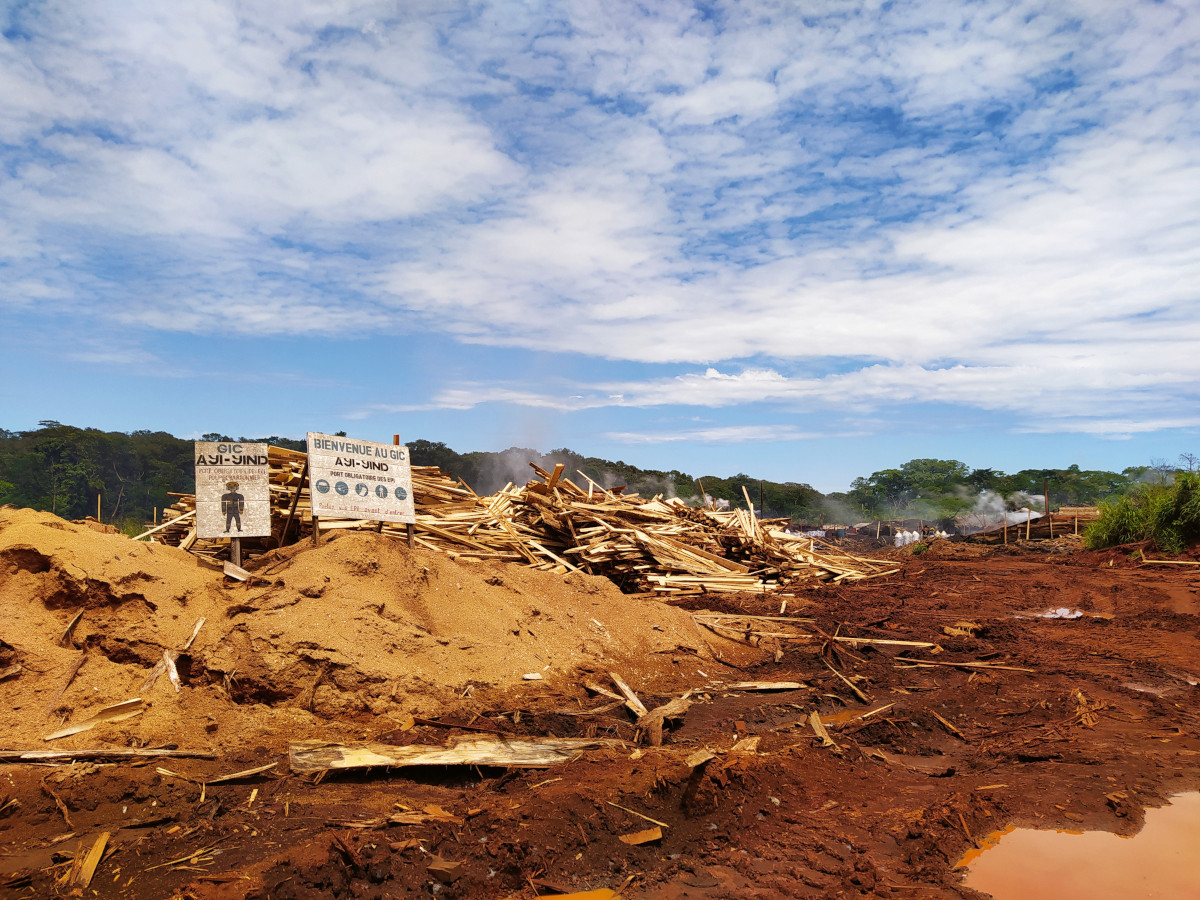
for charcoal production
Ayi-Yind Charcoal Makers’ Cooperative in Abong-Doum,
Cameroon
Also listen to:
Check out theUM podcasts, now available on your favorite platform (Spotify, Deezer, Apple Podcasts, Amazon Music, etc.).
- BioWooEB (CIRAD) ↩︎