[LUM#6] On the Butterfly Trail
Endangered animal species aren’t limited to tigers and rhinos. Two student organizations have decided to come to the rescue of small wildlife: dubbed the “Butterfly Trail,” their initiative shines in its simplicity.
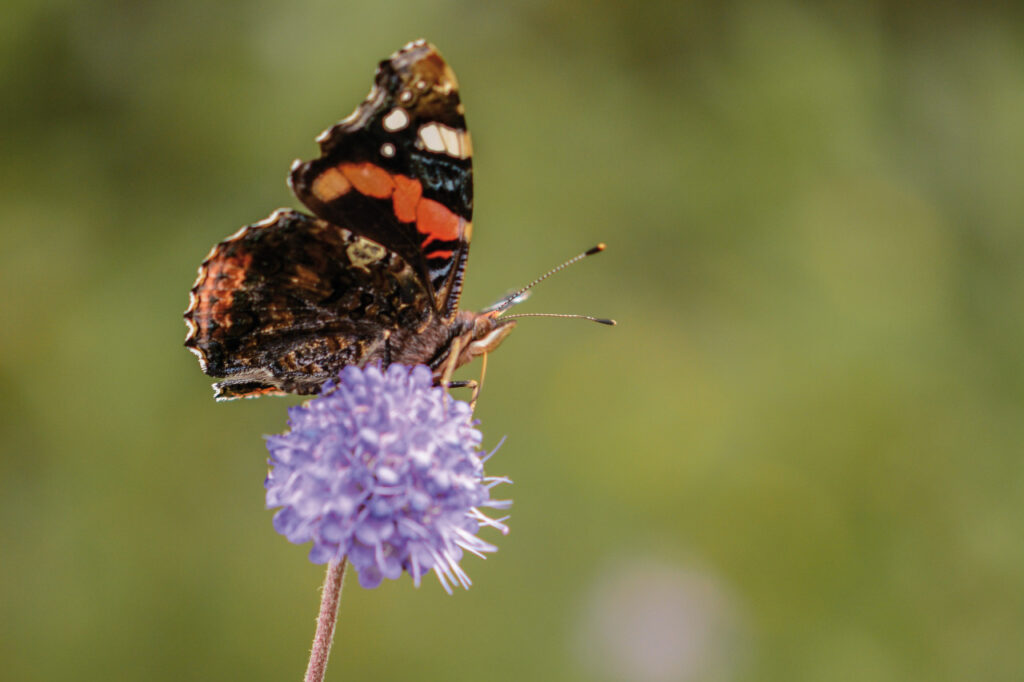
What if butterflies disappeared? In 2013, prompted by alarming reports (see box), the association Students for Sustainable Development (EDDA) discovered that these essential pollinators are seriously threatened by human activities. Climate change, pesticides, the conversion of meadows into farmland, an increase in wildfires, and tourism development could very well drive these delicate, winged flowers from our landscapes.
Vulnerable Migrants
Some of them are migratory birds: coming from the distant coasts of Africa, they have always flown on the winds that carry them beyond the Strait of Gibraltar, all the way to northern Europe. But today, nearly insurmountable obstacles stand in their way: cities, highways, and parking lots fragment their populations, disrupt their habitats, and deprive them of certain vital plants.
How can we help butterflies? The idea is simple: create gardens in every city where they can find shelter and the plants they need to survive. To set up this network, known as the “Butterfly Trail,” EDDA is partnering with the Jardin des Plantes in Montpellier and another organization: the Gnaum Naturalists1. The result: the first garden was created in Montpellier in February 2014. Since then, three more have been established in the heart of the city. They feature butterflies’ favorite plants: lavender, thyme, thistle, mallow, and even stinging nettles.
Oasis Miniatures
“By planting these plants—which have become rare in the city—an entire network of life is recreated in a very short time: we’re seeing migratory and local butterflies reappear, as well as ants, aphids, ladybugs, bees…, ” says Aymeric Brissaud, president of Gnaum, with delight . “Many city dwellers are unaware of this, but cities can be rich in biodiversity that’s just waiting to flourish. The ‘butterfly trail’ will benefit many endangered insects.”
Especially since the initiative is intended to be rolled out on a larger scale:“We have established a scientific protocol to monitor our approach. Our goal now is to expand it throughout Europe.” The latest development in the project is an initiative to encourage every city dweller to hang their own planter—made from recycled wooden pallets—on their balcony. While very beneficial to small urban wildlife, this network of micro-gardens serves another purpose: raising public awareness. And involving the public in an endeavor that will only succeed if these miniature oases begin to bloom all over the place.
A Worrying Decline
As early as 2012, a report by the European Environment Agency (EEA) stated that half of the butterflies had disappeared from European grasslands over the course of 20 years. This trend was confirmed by a recent study from the International Union for Conservation of Nature (IUCN): 19 species of Mediterranean butterflies are reportedly threatened with extinction, 15 of which are endemic to the region.
(The status and distribution of Mediterranean butterflies, IUCN, 2016)
Check out theUM podcasts, now available on your favorite platform (Spotify, Deezer, Apple Podcasts, Amazon Music, etc.).
- University of Montpellier Naturalist Group ↩︎