[LUM#7] From the Parking Lot to the Orchard
Bringing the city and agriculture together is the challenge taken on by the Montpellier metropolitan area, which has set aside part of its land for organic vegetable farming.
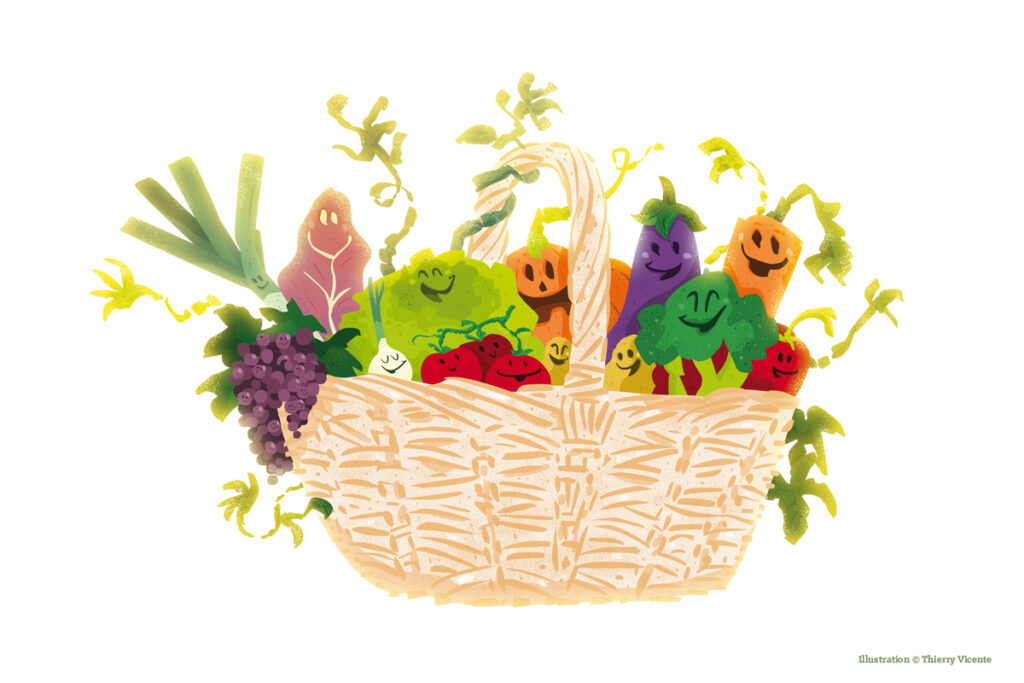
What if the tomatoes you buy at the market had been grown right next door?“Production and consumption are usually completely disconnected, ” explains Laura Michel of the Center for Political Studies of Latin Europe (Cepel). How can we shorten the distance from the field to the plate? In Montpellier, the metropolitan area has chosen to implement an urban agriculture and food policy (P2A).
Produced here, eaten here
“The idea is to bring agriculture back into urban areas,” explains Laura Michel, who, along with a team of researchers fromINRA led by Christophe Soulard, helped the metropolitan area implement this ambitious project. In a country that loses 220 hectares of farmland every day, Montpellier has chosen to buck the trend by dedicating part of its land to agriculture.“This project also aims to revitalize agriculture and encourage young farmers to set up operations,” explains the researcher. It’s been a success: in total, more than 100 hectares of land are now being cultivated across the metropolitan area’s municipalities.
And not just any old way.“By promoting organic market gardening and agroecological practices,” explains Nabil Hasnaoui Amri, an agricultural engineer whose dissertation focuses on farmers’ participation in the agricultural and food policy of the Montpellier metropolitan area.“We’re interested not only in production methods but also in marketing—for example, by opting for short supply chains or offering processed products that provide greater added value for farmers.”
Sustainable City
Urban agriculture also has unexpected benefits: by reshaping the urban landscape, it contributes to land-use planning. How? “It helps mitigate risks,” explains Nabil Hasnaoui Amri. For example, eco-friendly practices help reduce water pollution.“Furthermore, certain agricultural practices help limit the risk of fire and flooding by redesigning spaces,” the agricultural engineer explains.
“We are witnessing a genuine shift in the vision of public policy,”emphasizes Nabil Hasnaoui Amri. Montpellier: a green and sustainable city? That’s the goal of the metropolitan area, which has joined the network of cities that have signed the 2015 Milan Pact, committing to work toward the development of sustainable, inclusive, resilient, safe, and diversified food systems to provide healthy and affordable food for all.
Check out theUM podcasts, now available on your favorite platform (Spotify, Deezer, Apple Podcasts, Amazon Music, etc.).