[LUM#7] An Extraordinary Garden

From Narcissa’s tomb to the Martins Greenhouse, via the Orangery—are you sure you know all the secrets of the University of Montpellier’s Botanical Garden?

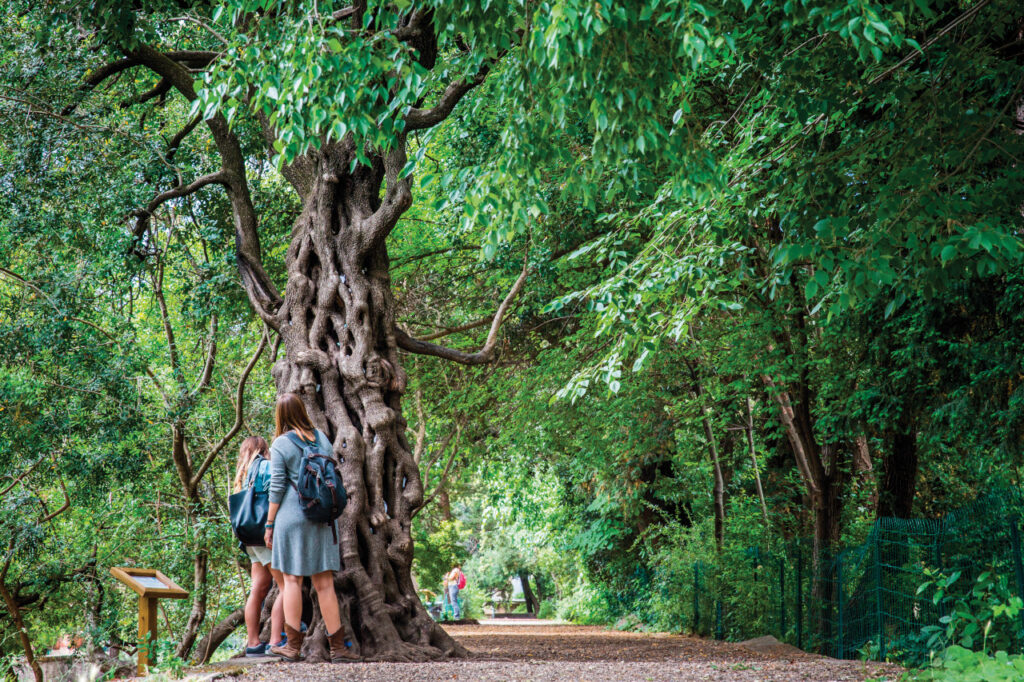
The Wishing Tree in the Botanical Garden. © UM David Richard / Transit

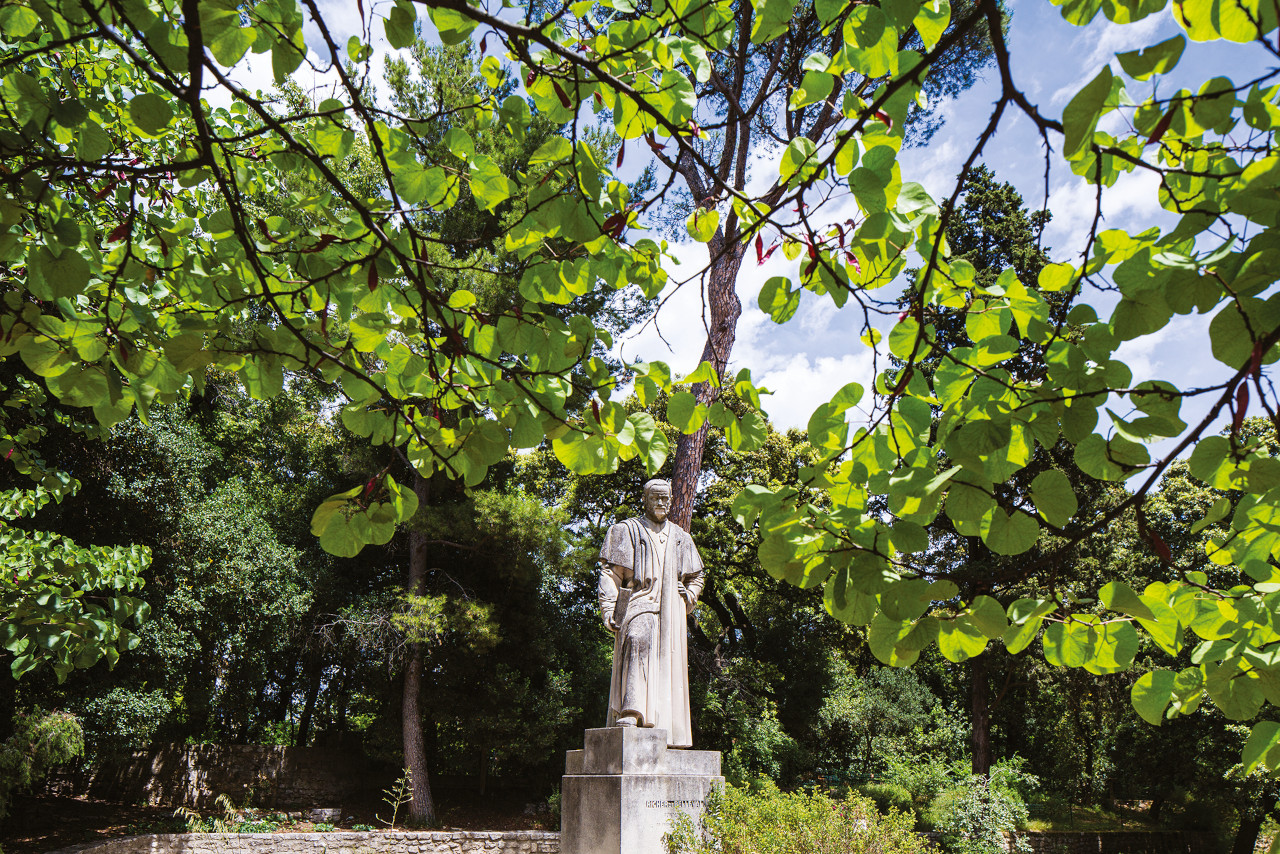
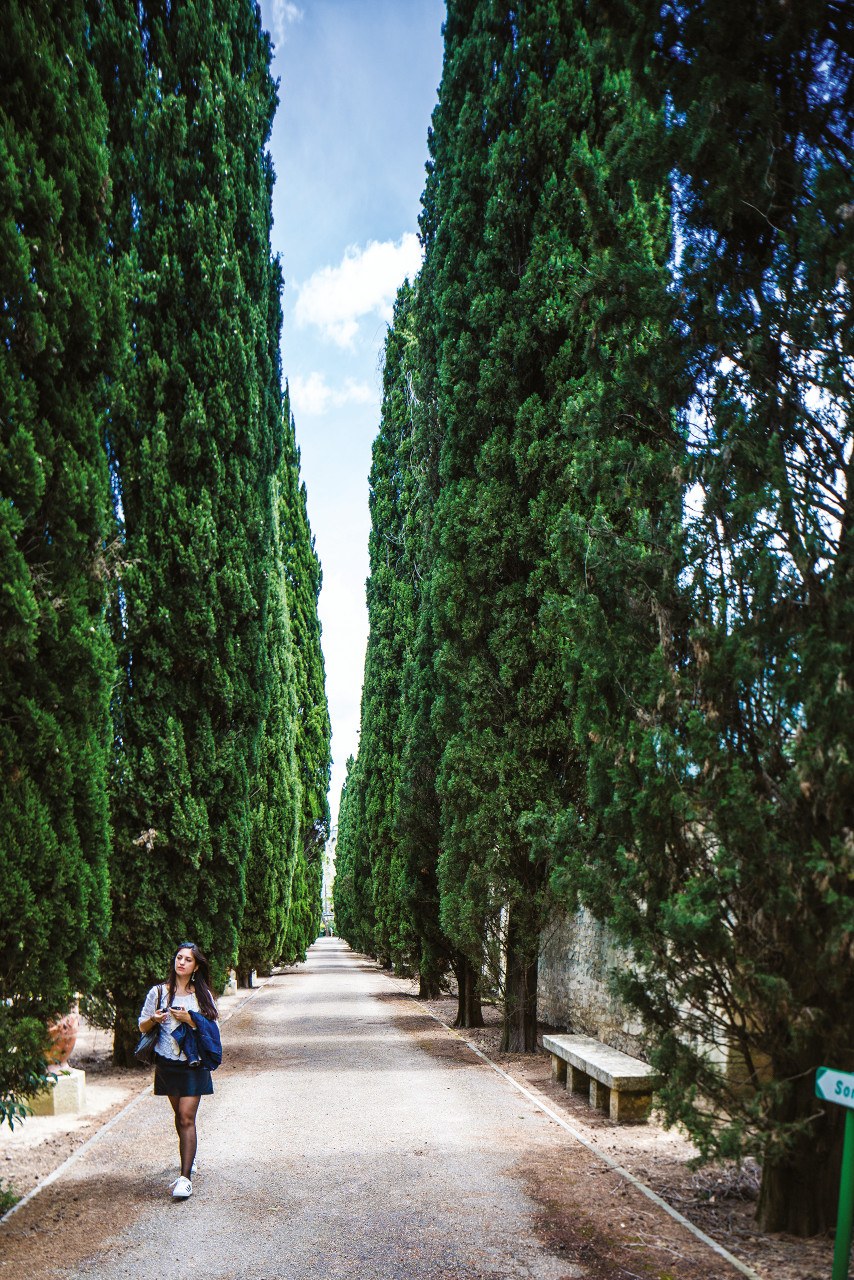
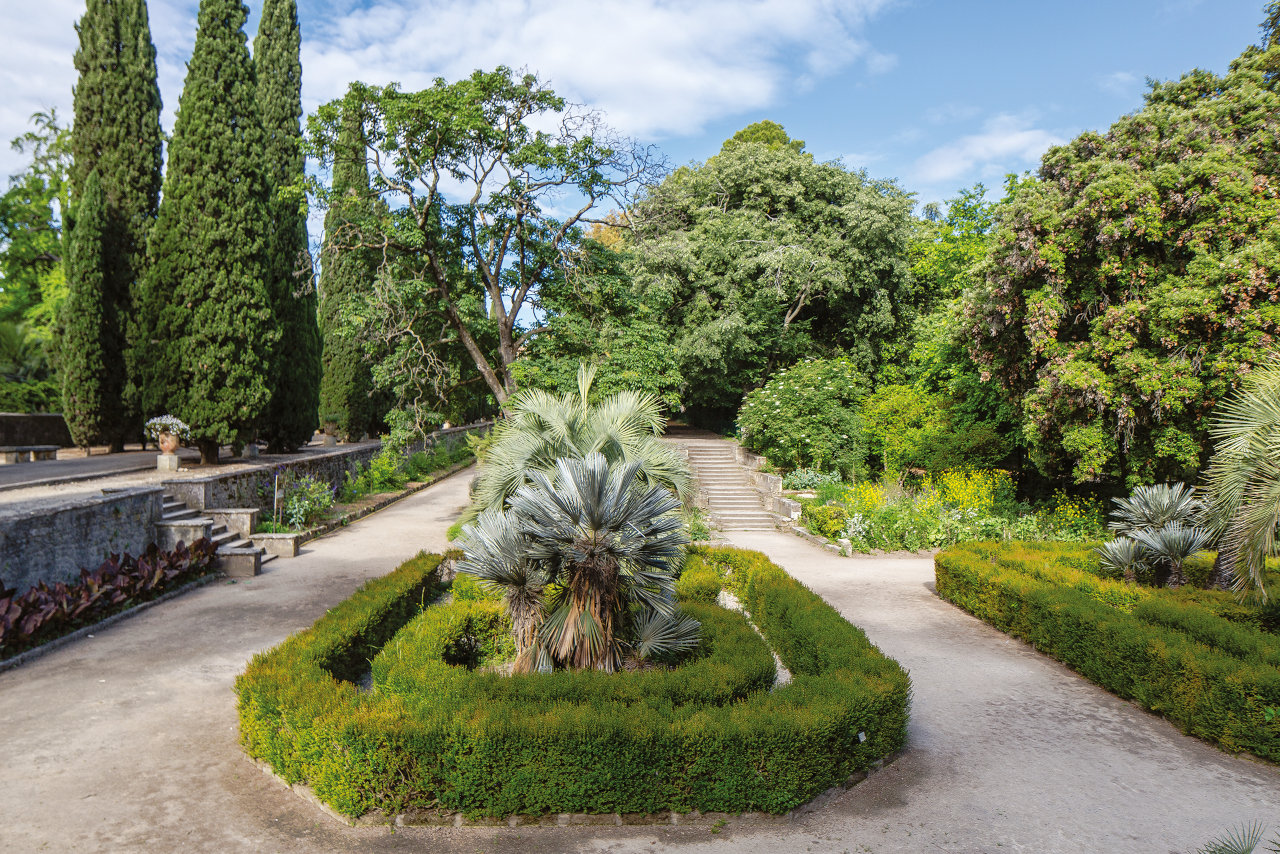
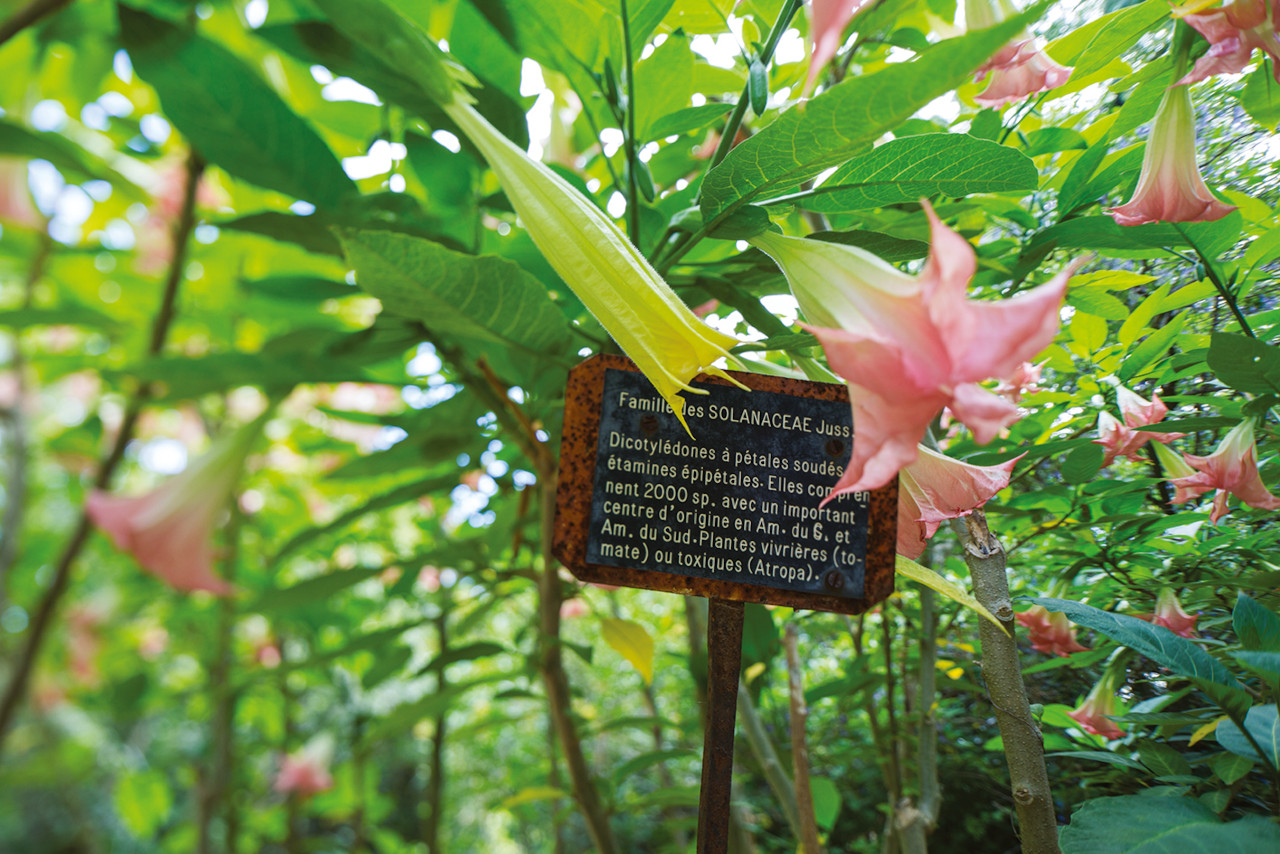
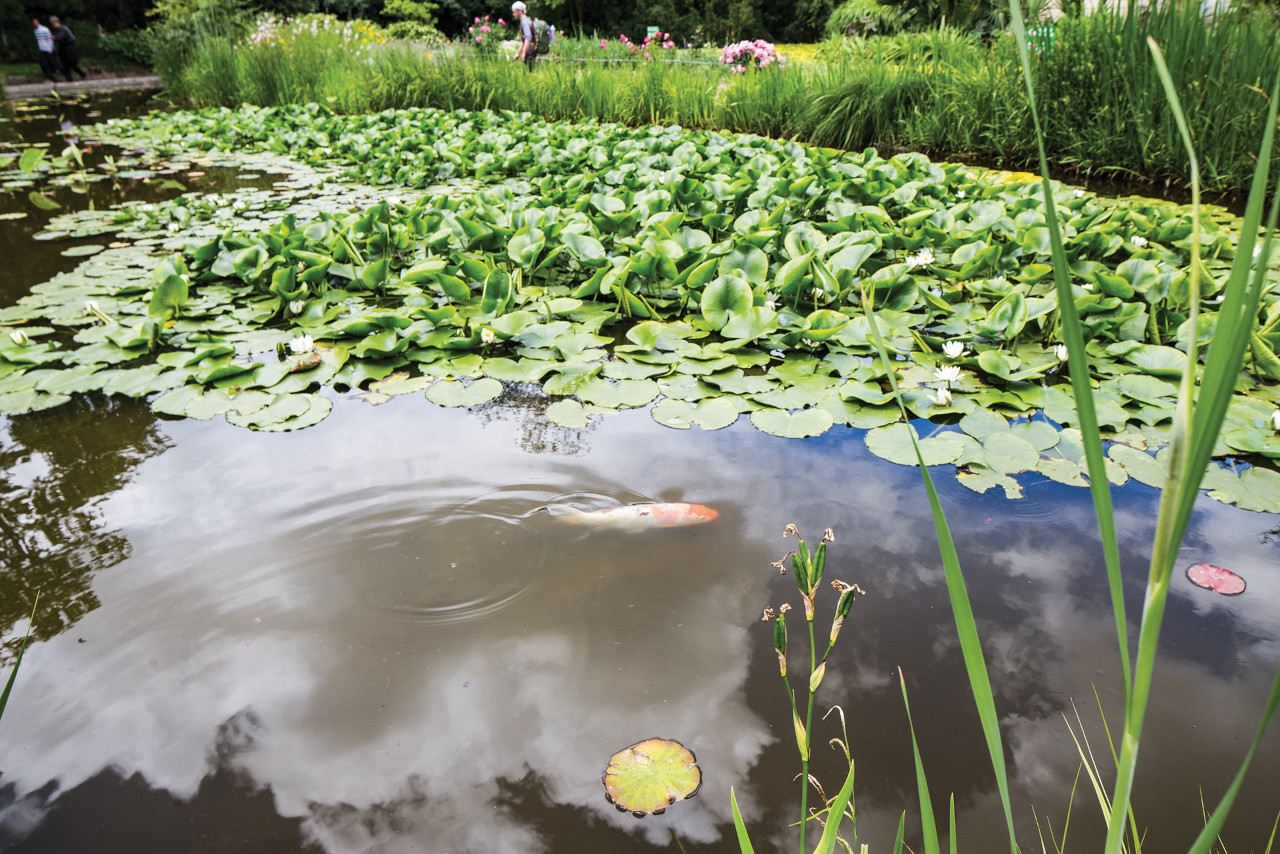
Welcome to France’s oldest botanical garden. Founded in 1593 by Henry IV, the University of Montpellier’s Jardin des Plantes covers nearly 5 hectares. For visitors, this oasis of greenery is an extraordinary garden in the heart of the city. People come here to stroll in the shade of the bamboo grove or along the shaded paths of the English garden, to admire the Martins Greenhouse and its “succulent” plants, or to daydream by the lotus pond, following in the footsteps of André Gide and Paul Valéry, two illustrious admirers of the garden. Affiliated with the Faculty of Medicine, this space—once entirely dedicated to research and teaching—continues to attract researchers from around the world.
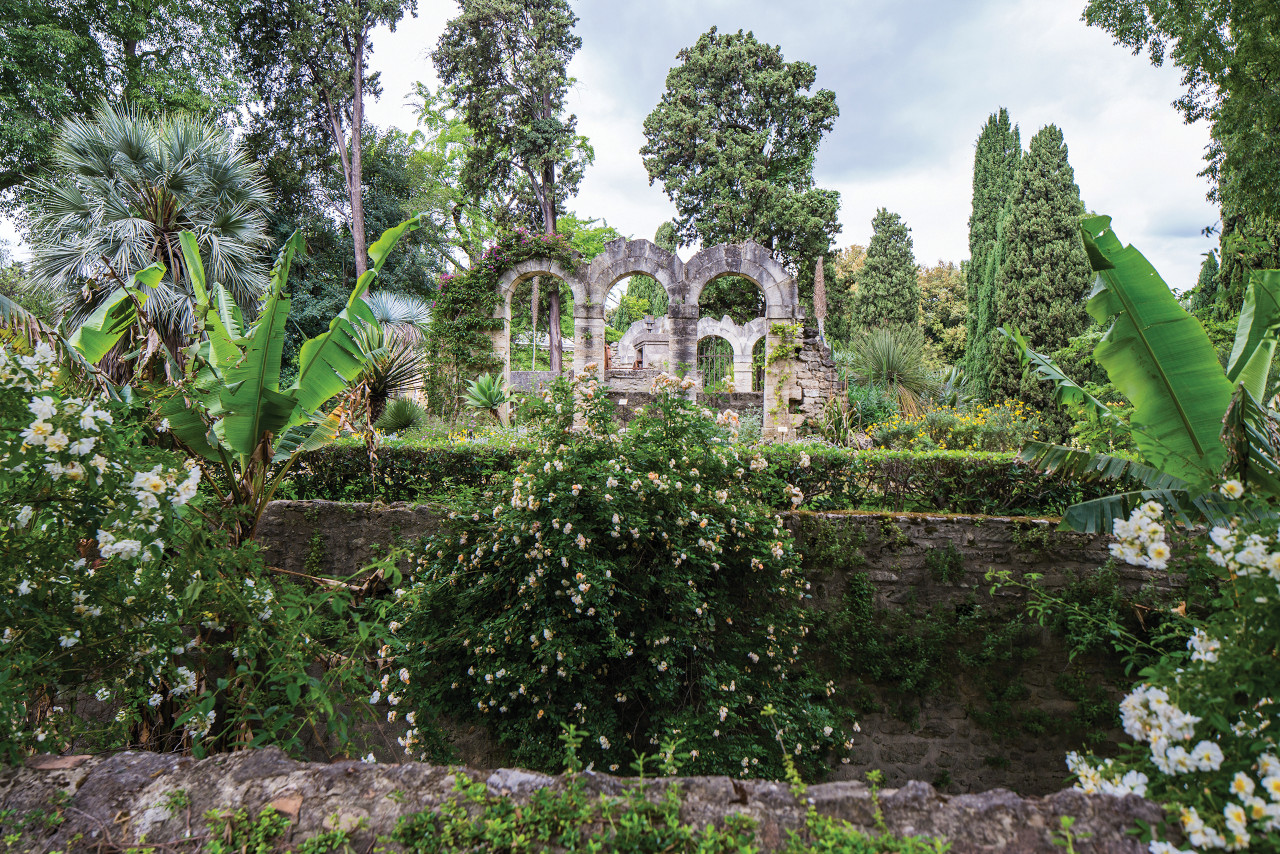
The Noria and the “Tomb of Narcissa” Adorned with hardy succulents and surrounded by reconstructed arches, the South Noria is an ancient well. It overlooks an unassuming monument shrouded in mystery: the “Tomb of Narcissa.” Legend has it that Edward Young, the English poet and author of *The Nights*, secretly buried his stepdaughter—who had died of tuberculosis—there one night in 1736.
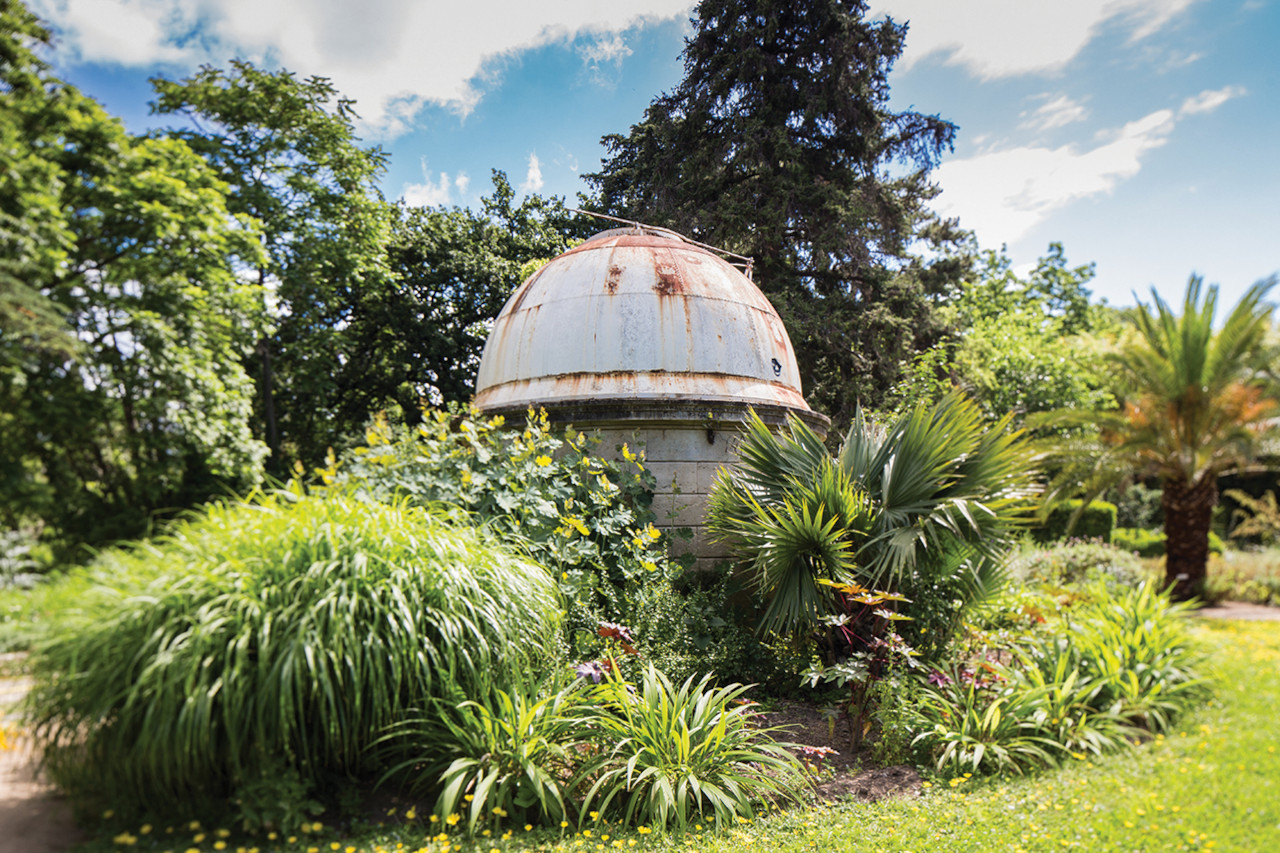
The English Garden and the Martins Greenhouse. This garden features expansive lawns, tall trees, and beds of perennials planted in areas reclaimed from the lawns. Near the large pond where lotus flowers bloom stands the rotunda of the former astronomical observatory. The Martins Greenhouse houses a collection of “succulents”: cacti, agaves, and various types of aloe—hailing from all the arid regions of the globe—represent the vast array of plants that have adapted to water scarcity.
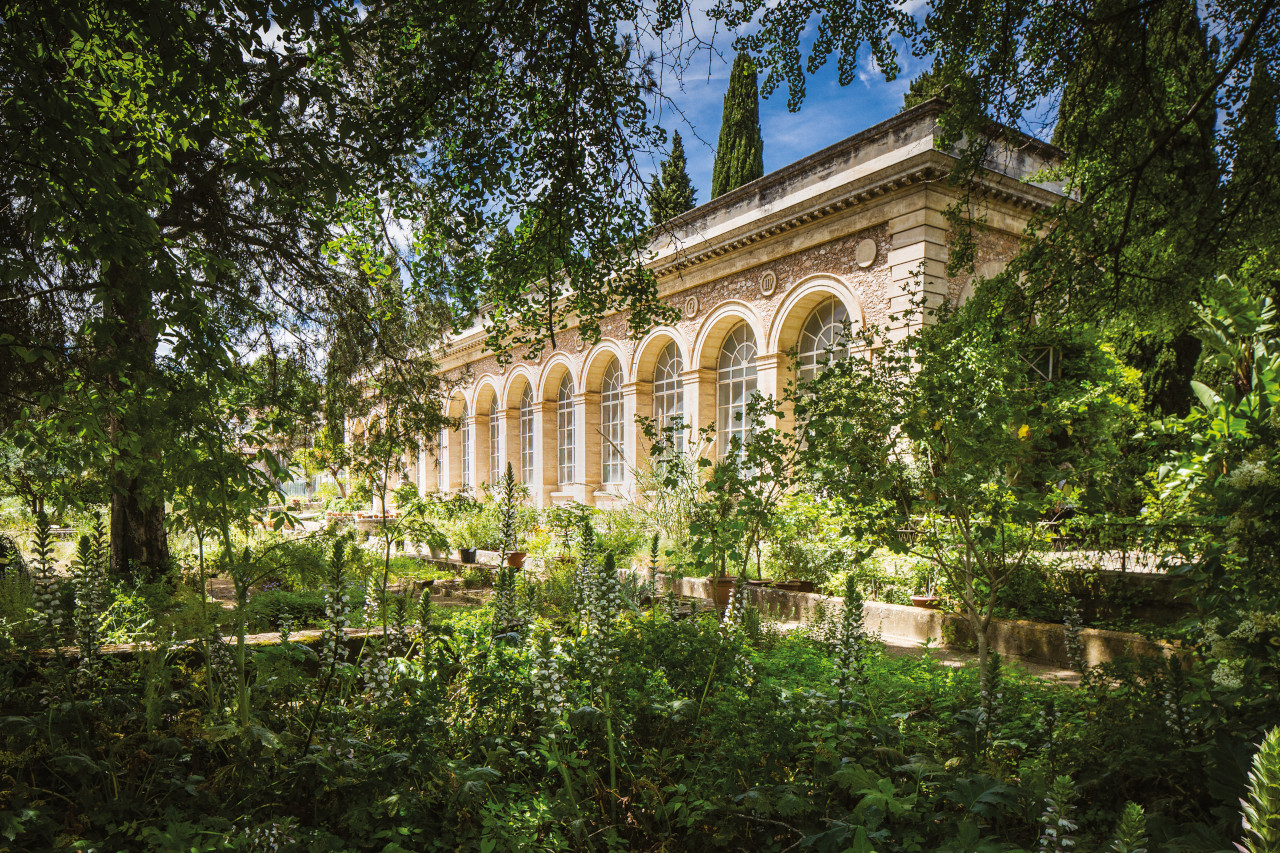
The Orangery In the heart of the garden, the Orangery—designed to house plants that are fairly cold-hardy, though not hardy enough to withstand Montpellier’s winters—delights visitors with the beauty of its clean lines and deliberate simplicity. Built by the renowned architect Claude-Mathieu de la Gardette, this large building was completed in 1806.

Check out theUM podcasts,UM available on your favorite platform (Spotify, Deezer, Apple Podcasts, Amazon Music, etc.).