[LUM#8] A robot vacuum cleaner at the bottom of the ocean
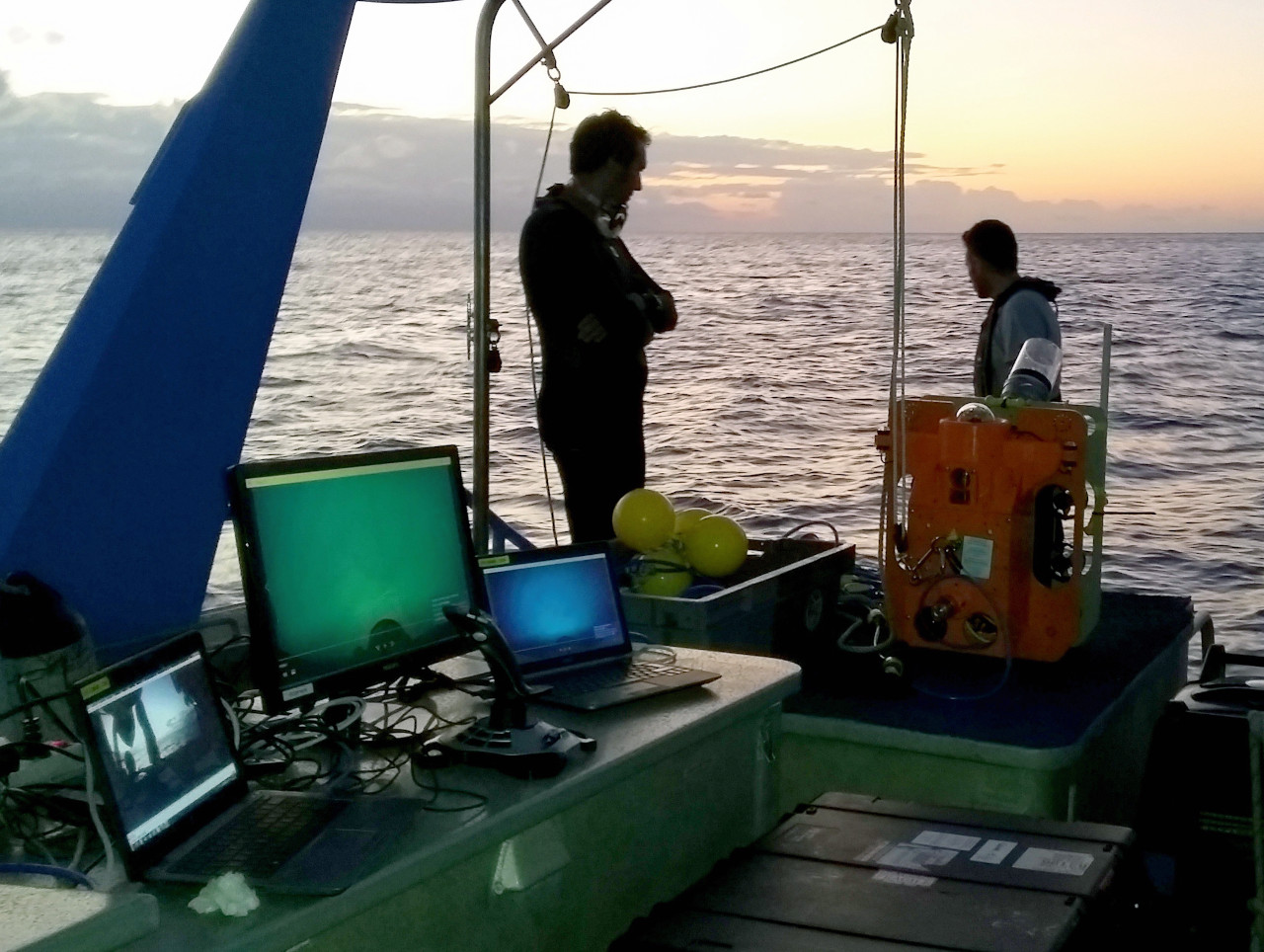
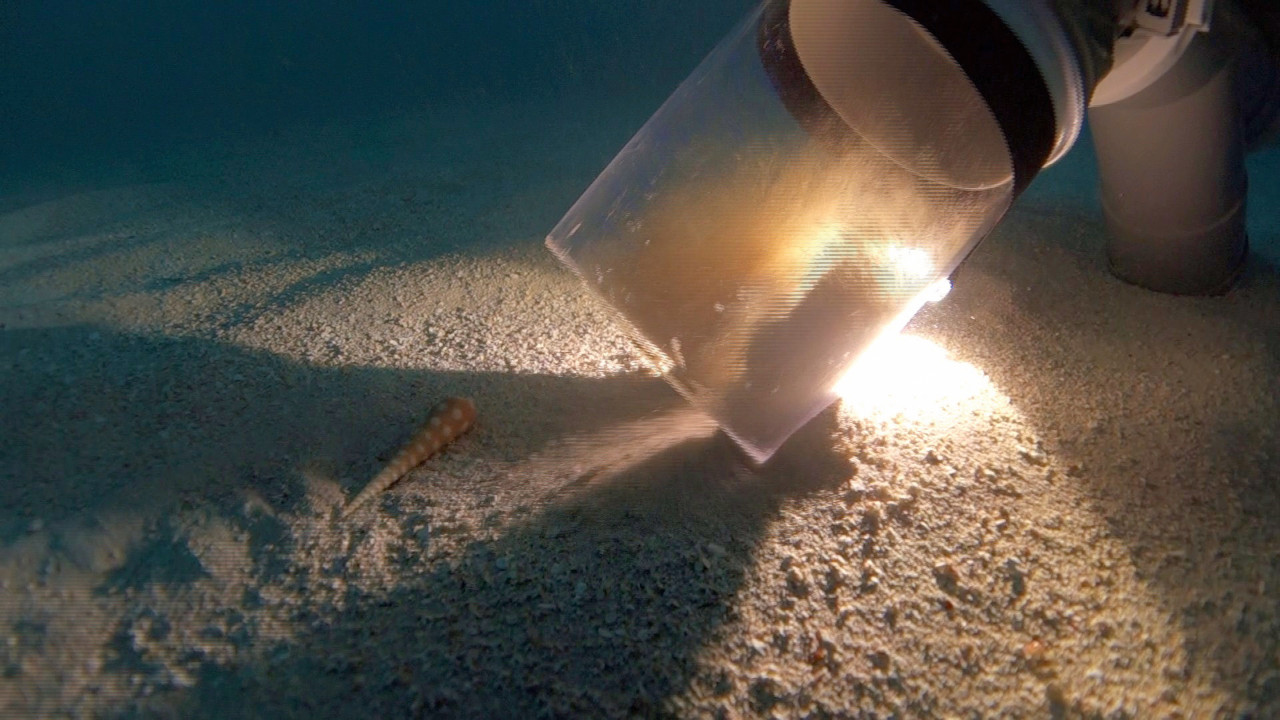
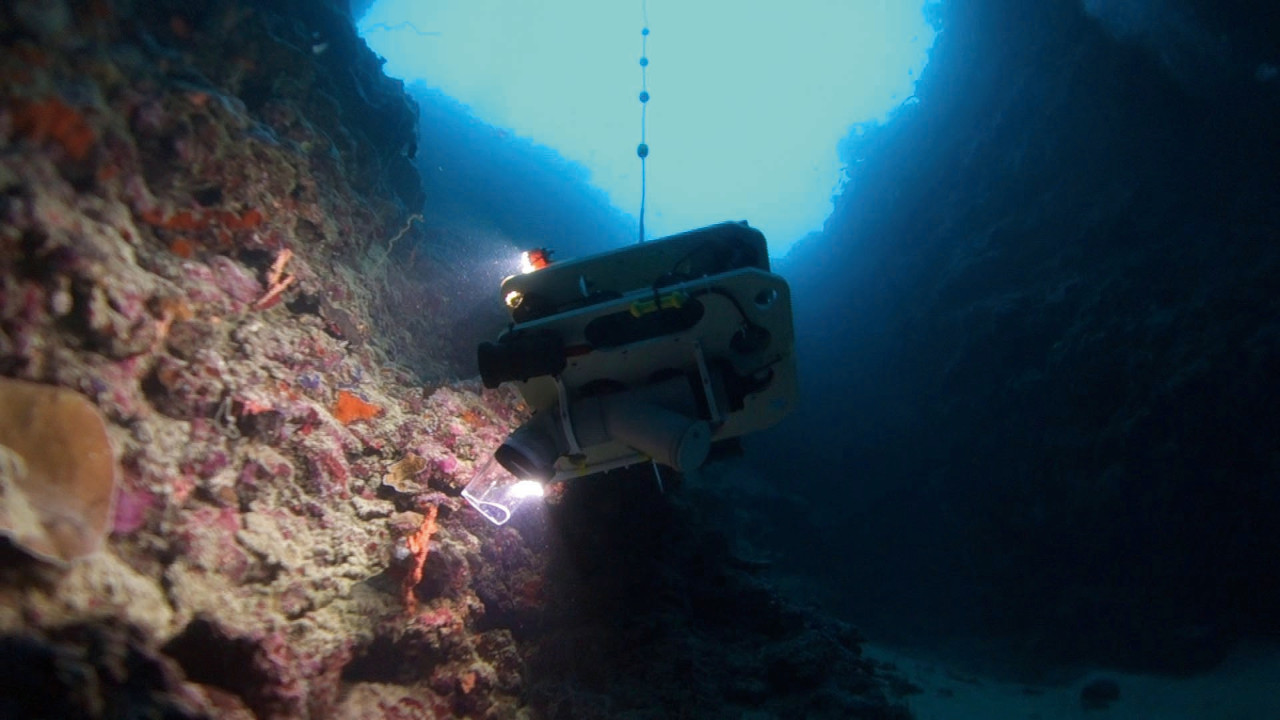
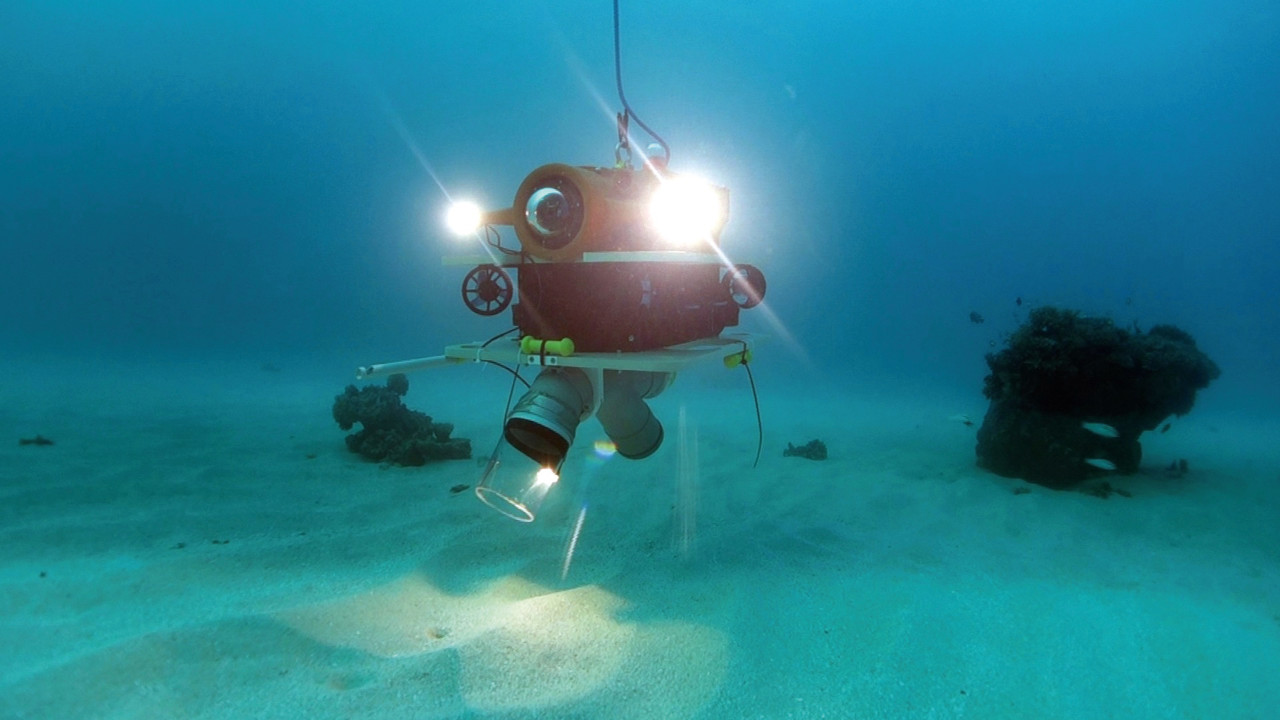
Under the leadership of Vincent Creuze, a researcher at Lirmm, and Sébastien Dutertre, a researcher at IBMM, Flipper, a robotic vacuum cleaner, roams the seafloor in search of shellfish with very special properties.
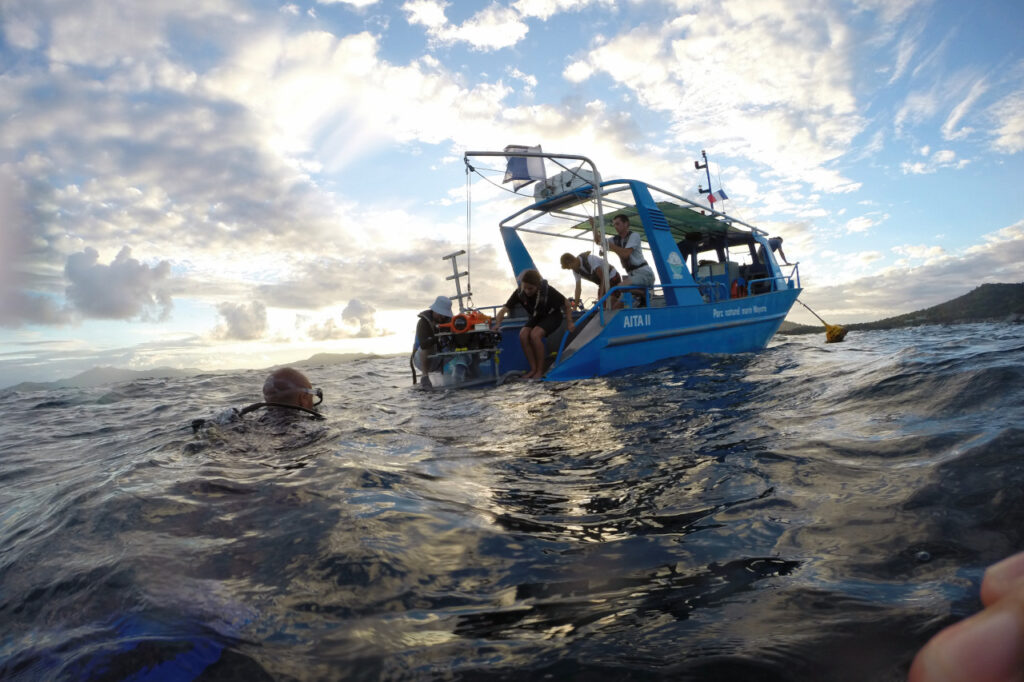
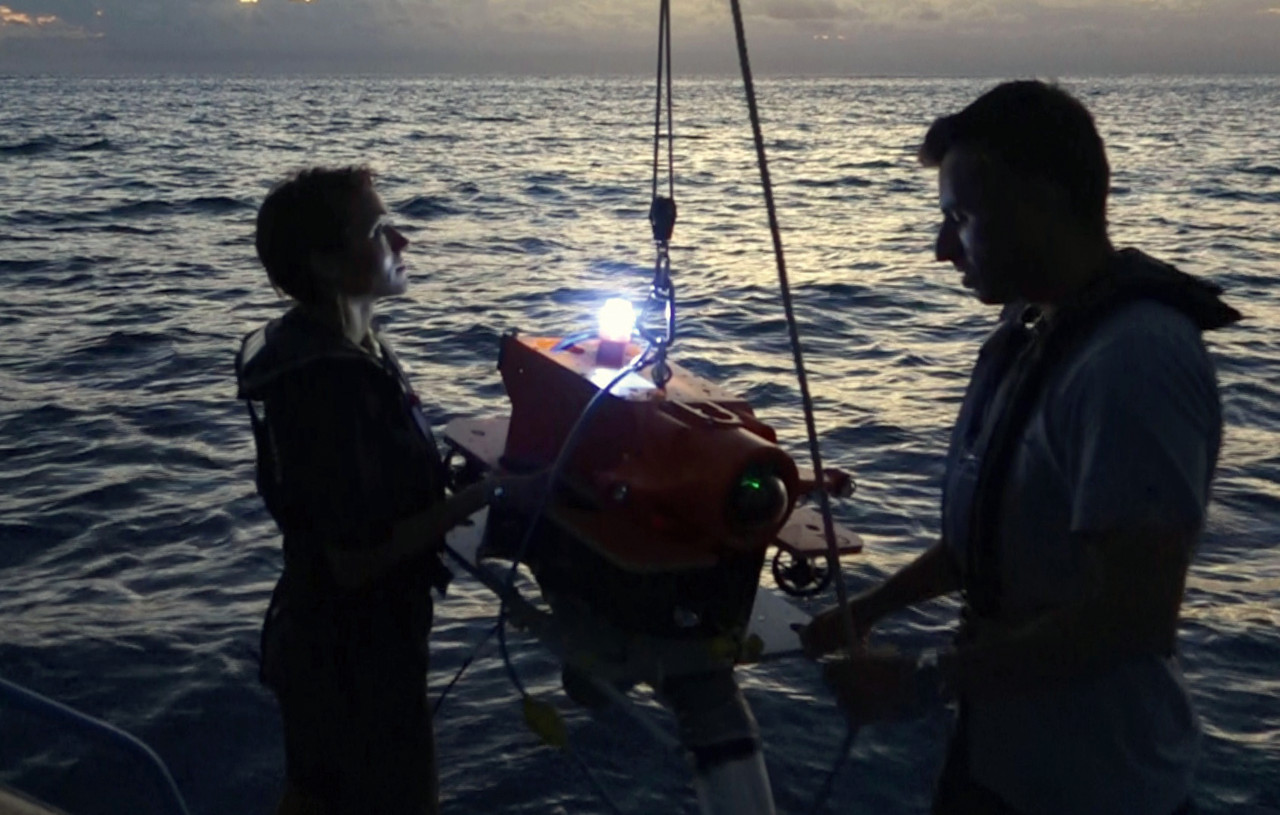
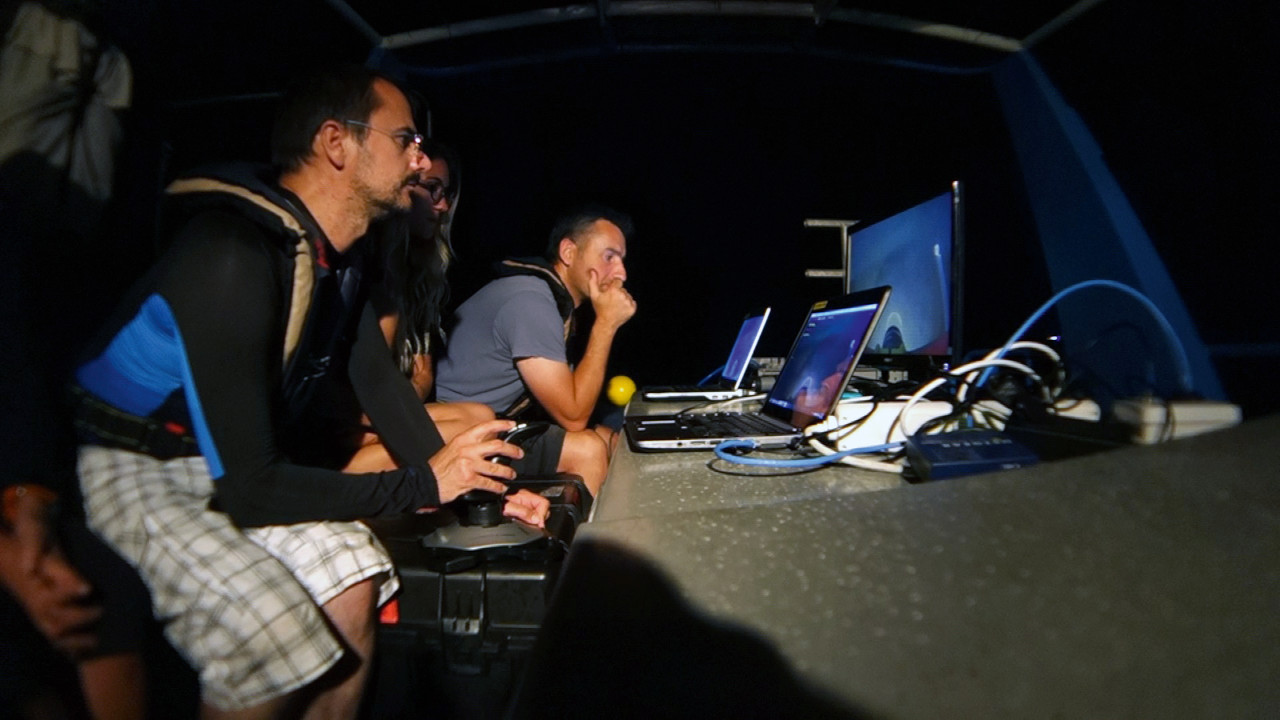
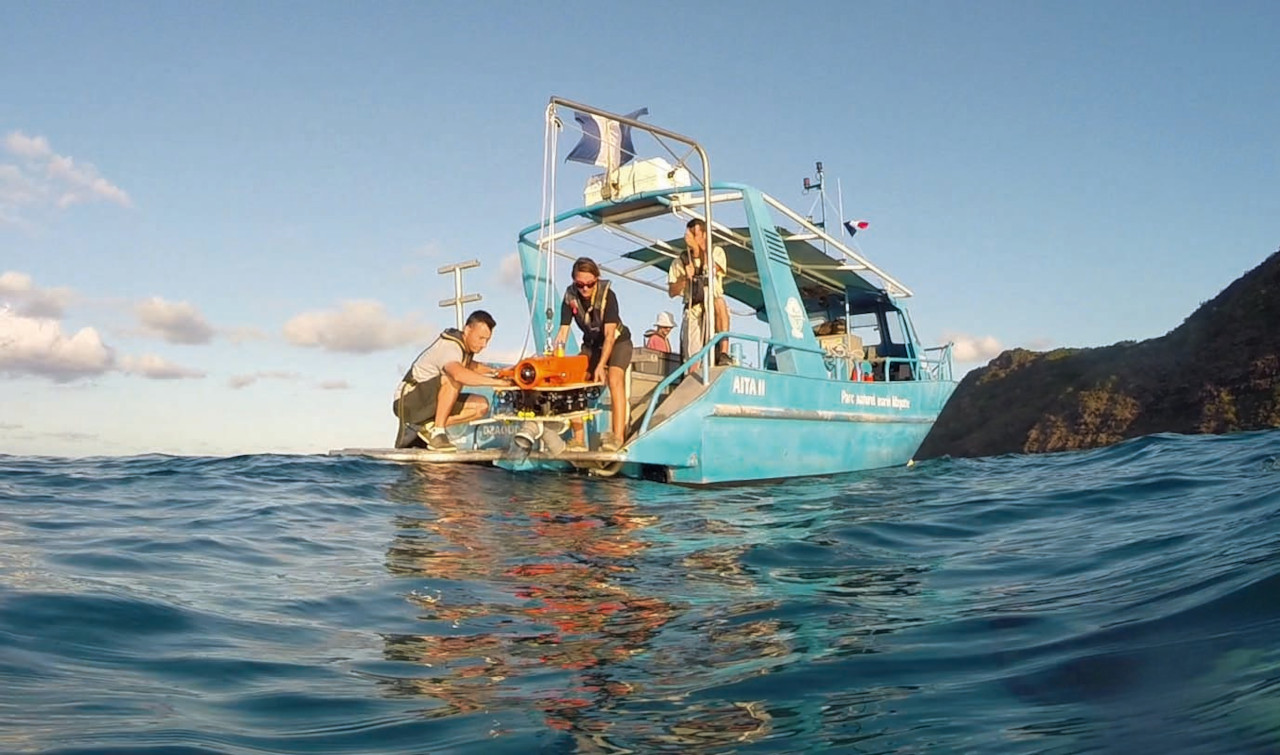
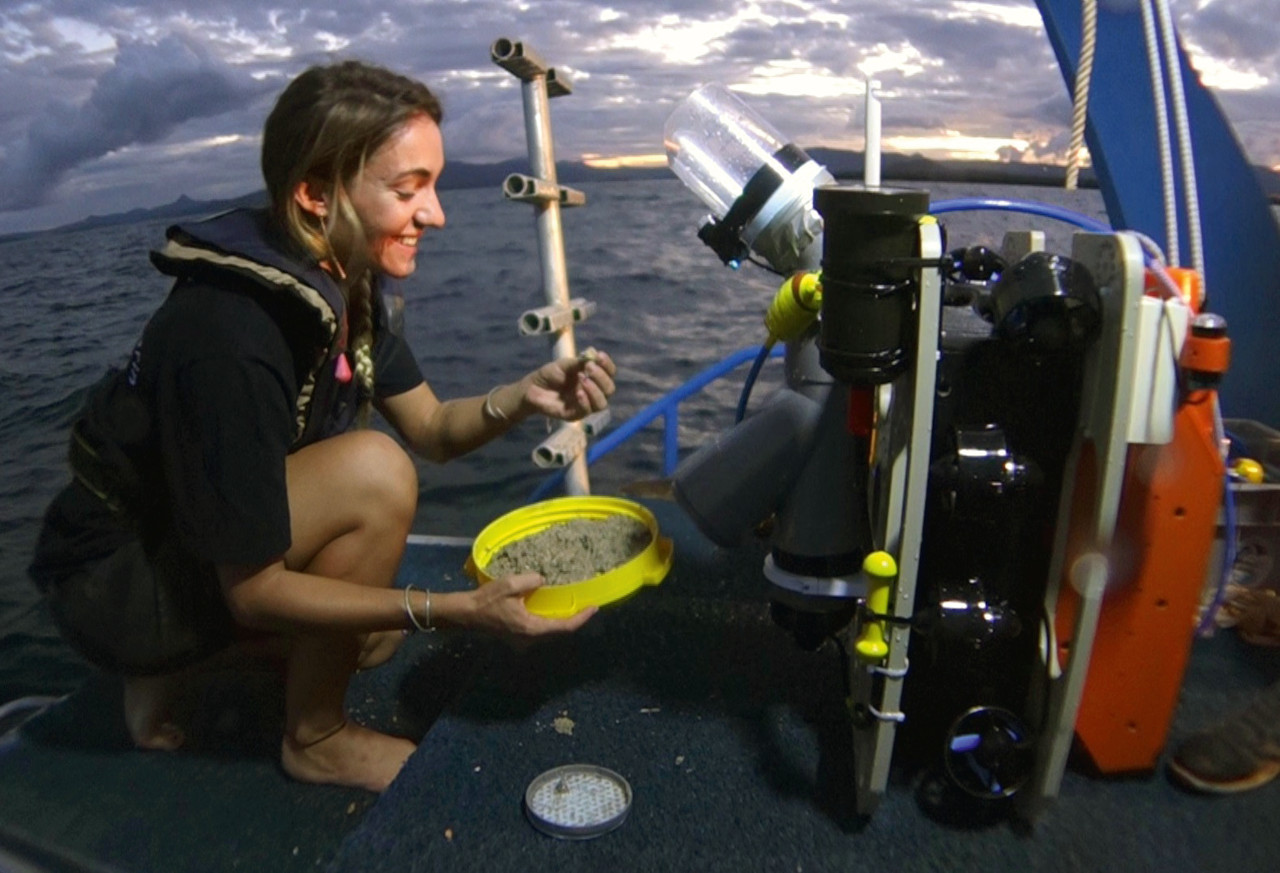
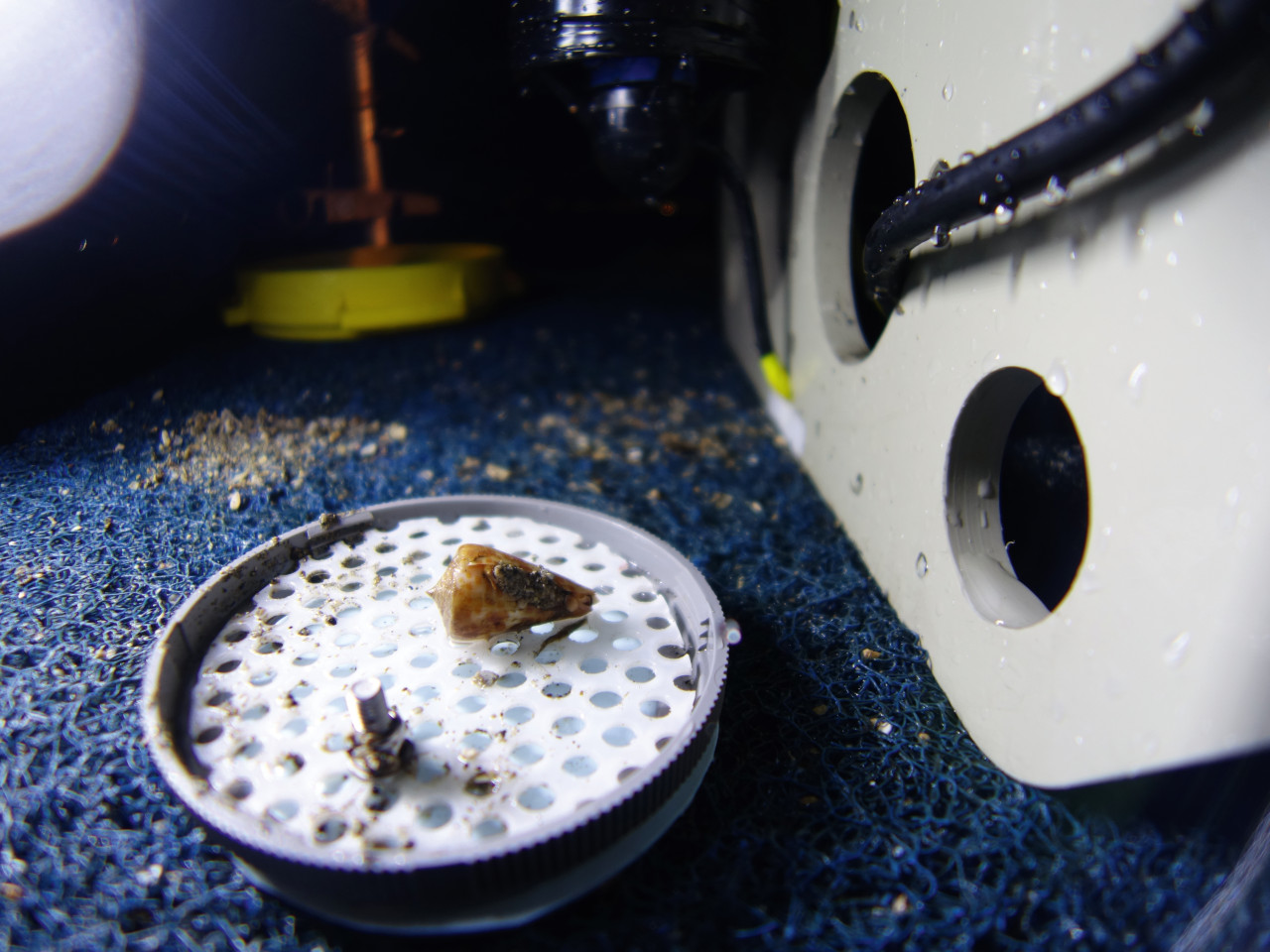
Day and night, it roams the depths of the ocean, without worrying about its dive time or decompression stops. Agile and meticulous, it carefully collects shellfish from the seafloor without damaging their natural habitat. “He” is Flipper, a little technological marvel developed by the Montpellier Laboratory of Computer Science, Robotics, and Microelectronics (LIRMM).
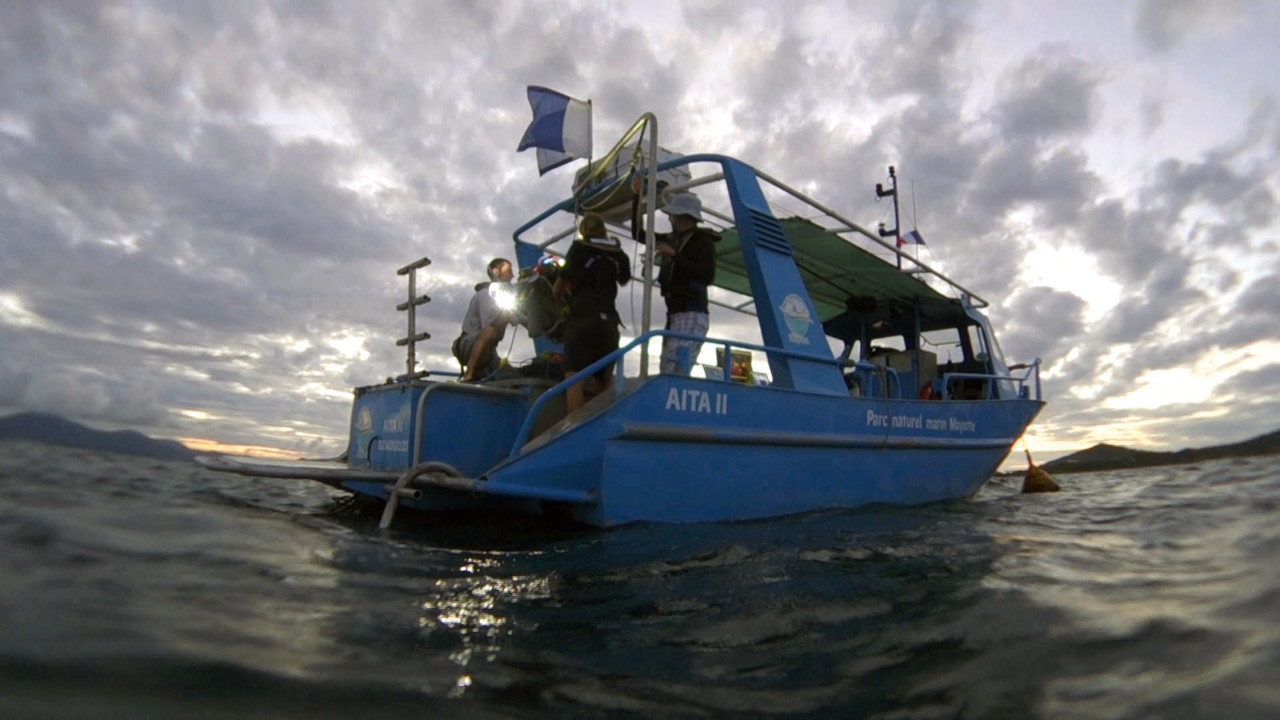
In late June 2017, a multidisciplinary team consisting of Sébastien Dutertre, a CNRS researcher at the Max Mousseron Institute of Biomolecules, and Vincent Creuze, a CNRS researcher at LIRMM (CNRS), submerged the robot in the waters off Mayotte. The goal: to collect sea cones—shellfish whose venoms hold unexpected therapeutic properties. It was a successful mission for Flipper; the sea cones collected by the robot are indeed very promising for chemists. “The toxins that make up their venom could be used in treatments for neurodegenerative diseases or even muscle disorders,” explains project leader Sébastien Dutertre.
These qualities underscore the importance of better protecting the cones found in Mayotte by limiting the destruction of their habitat and illegal harvesting. The next exciting step: exploring the little-known depths of the world’s second-largest coral reef in New Caledonia during the summer of 2018.
The X-Life “Reef Explorer” project, funded by the CNRS, involves theUM , and the National Museum of Natural History. It received technical and scientific support from the Mayotte Marine Natural Park throughout the entire campaign in the waters off Mayotte.
Check out theUM podcasts, now available on your favorite platform (Spotify, Deezer, Apple Podcasts, Amazon Music, etc.).