[LUM#4] Endocrine disruptors: the invisible threat
Living to be 120? The idea is in the air. Air that, unfortunately, is becoming increasingly polluted… Among the main obstacles to humanity’s oldest dream, we must now reckon with a new scourge: endocrine disruptors.
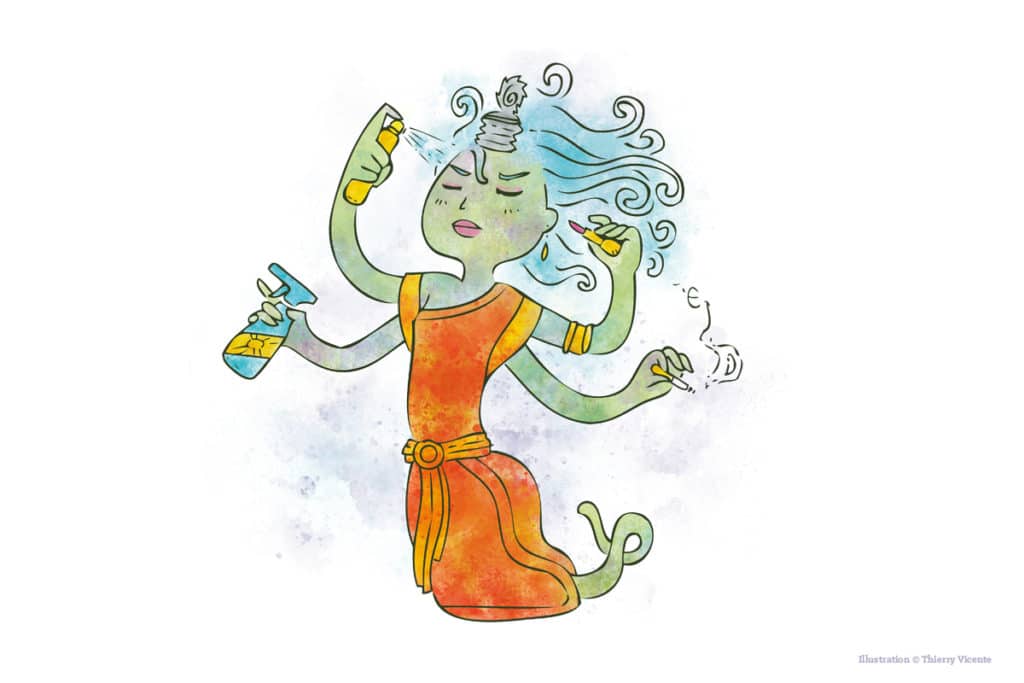
Fifty years ago, infectious diseases were the leading cause of death. Now , chronic diseases have taken center stage : they are responsible for two out of every three deaths today. Cardiovascular diseases, cancers, respiratory diseases, obesity, diabetes, neurological diseases, and reproductive disorders are literally skyrocketing. Why such a surge? For Charles Sultan, the answer is clear: this increase is directly linked to environmental degradation. The main culprits: endocrine disruptors—substances that throw our hormonal balance off and have a severe impact on our health.
Pesticides, medications, food, plastics, cosmetics, water—these chemical compounds are virtually everywhere. And Charles Sultan knows all about endocrine disruptors: the professor of pediatric endocrinology at Montpellier University Hospital was among the first to highlight, as early as 2002, the impact of pollution on the onset of puberty. “Today, the World Health Organization estimates that endocrine disruptors are responsible for 5 million deaths per year, ”the specialist points out.
In utero exposure
“These substances affect everything—the nervous system, the endocrine system, the liver, body fat, the immune system, and cancer development,” explains Charles Sultan. “Many chronic diseases that affect quality of life and life expectancy are linked to exposure to endocrine disruptors.” This exposure begins early—very early—even before birth. The endocrine disruptors to which pregnant women are exposed have direct consequences for the fetus.“Any harm during fetal life will have repercussions for the newborn, the child, the adolescent, the adult, and the elderly. In fact, the majority of chronic diseases have their origins during fetal life,” explains Charles Sultan.
Another major cause for concern: these endocrine disruptors do not only affect the children of women exposed during pregnancy, but can also affect their grandchildren.“We’re talking about a transgenerational effect,” emphasizes the endocrinologist. He has studied, in particular, the case of Distilbene, a drug prescribed to women before 1976 to reduce the risk of miscarriage.“We knew that the daughters of women who had taken Distilbène were at greater risk of genital malformations and cancers, ”explains Charles Sultan, “but we discovered that their grandchildren, too, had a higher risk of suffering from these same conditions!”
Toxic Legacy
Will endocrine disruptors be passed down to future generations?“In animals, changes affecting certain genes persist through the seventh generation,” explains Charles Sultan. What about humans? According to the expert, we shouldn’t wait for future generations to be born to assess the impact of these substances.“We must reduce the use of pesticides and chemical pollutants that act as endocrine disruptorsby 100%,” advocates Charles Sultan. “We are on the brink of a public health scandal that demands political action and public awareness.”
Protecting Future Babies
While endocrine disruptors are everywhere, there are still a number of protective measures that can be taken during pregnancy to limit the fetus’s exposure and reduce the risk of disease later in life. Advice from Charles Sultan:
- eating only organic foods to reduce exposure to pesticide residues;
- Avoid using plastic in the microwave to prevent exposure to bisphenol A and phthalates;
- Do not perform any painting work;
- ventilate the rooms frequently;
- live far from vineyards and fruit-growing areas to avoid pesticides;
- Avoid tap water and drink bottled water instead, which should be consumed throughout the day;
- Avoid colored underwear; the dyes used may contain toxic substances that can be absorbed through the skin;
- ban cosmetics and makeup;
- Use only household products certified as organic;
- Limit exposure associated with daily activities, particularly by always showering after swimming to remove chlorine residue
Breathe in, breathe out
48,000 people die each year from air pollution, which accounts for 9% of all deaths in France, according to a study published in June 2016 by Santé publique France. Fine particulate matter, which penetrates deep into the respiratory system, causes numerous diseases. Researchers estimate that pollution can lead to a significant reduction in life expectancy—up to 2 years in the most polluted cities.
Check out theUM podcasts, now available on your favorite platform (Spotify, Deezer, Apple Podcasts, Amazon Music, etc.).