[LUM#2] Diving on the Moon
After centuries spent at the bottom of the sea, the Lune, a warship from Louis XIV’s fleet, is now being studied by archaeologists with the help of underwater robots developed at the Montpellier Laboratory of Computer Science, Robotics, and Microelectronics (LIRMM).
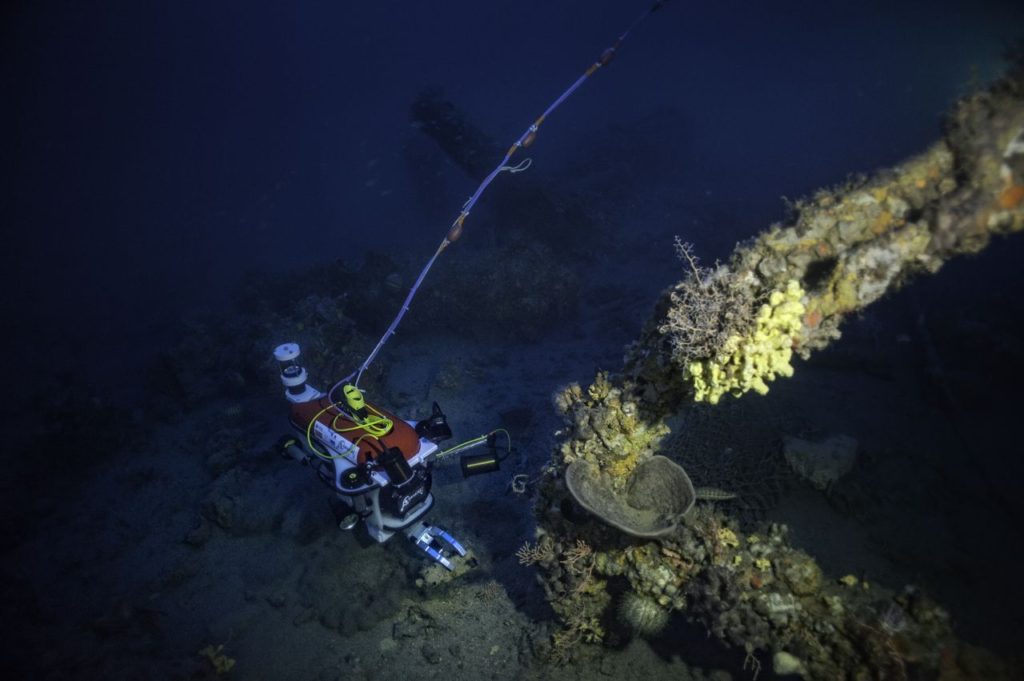
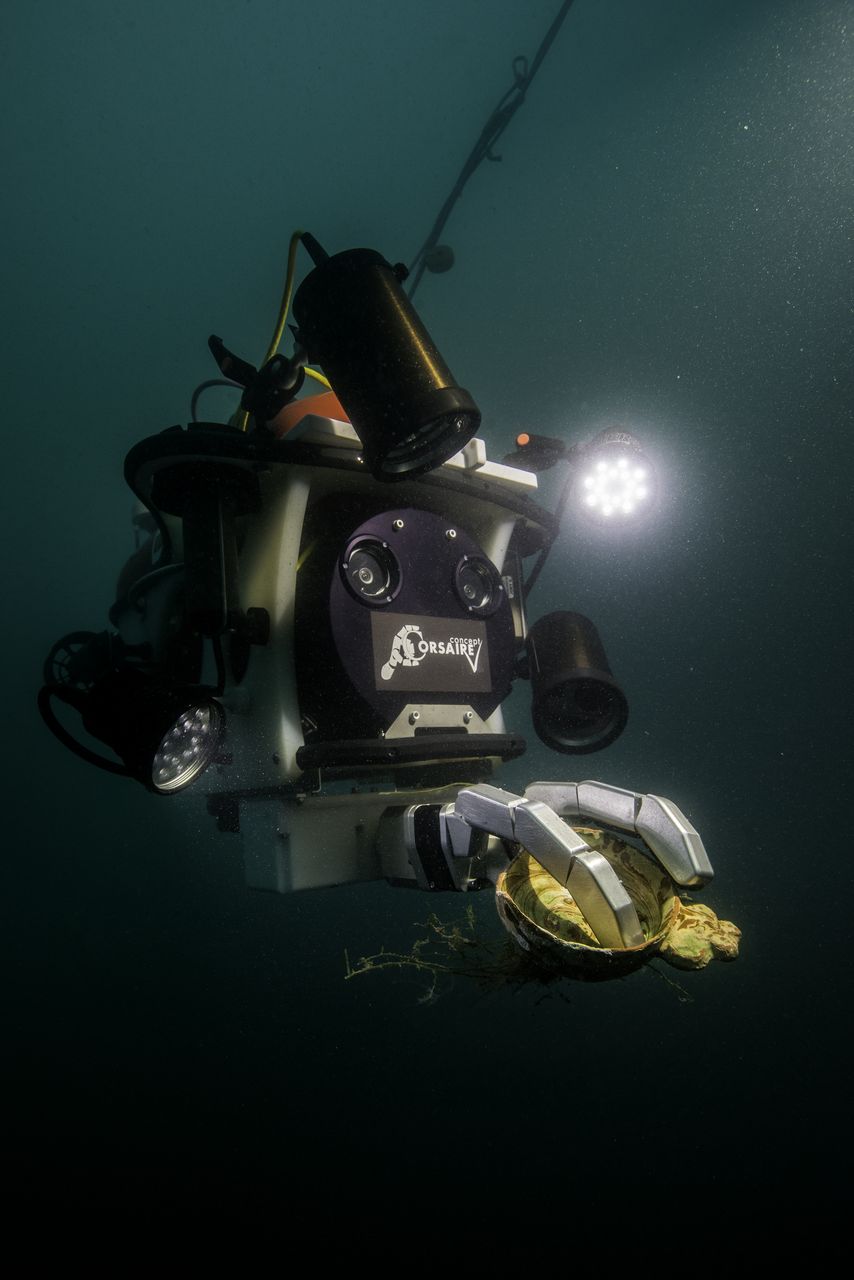
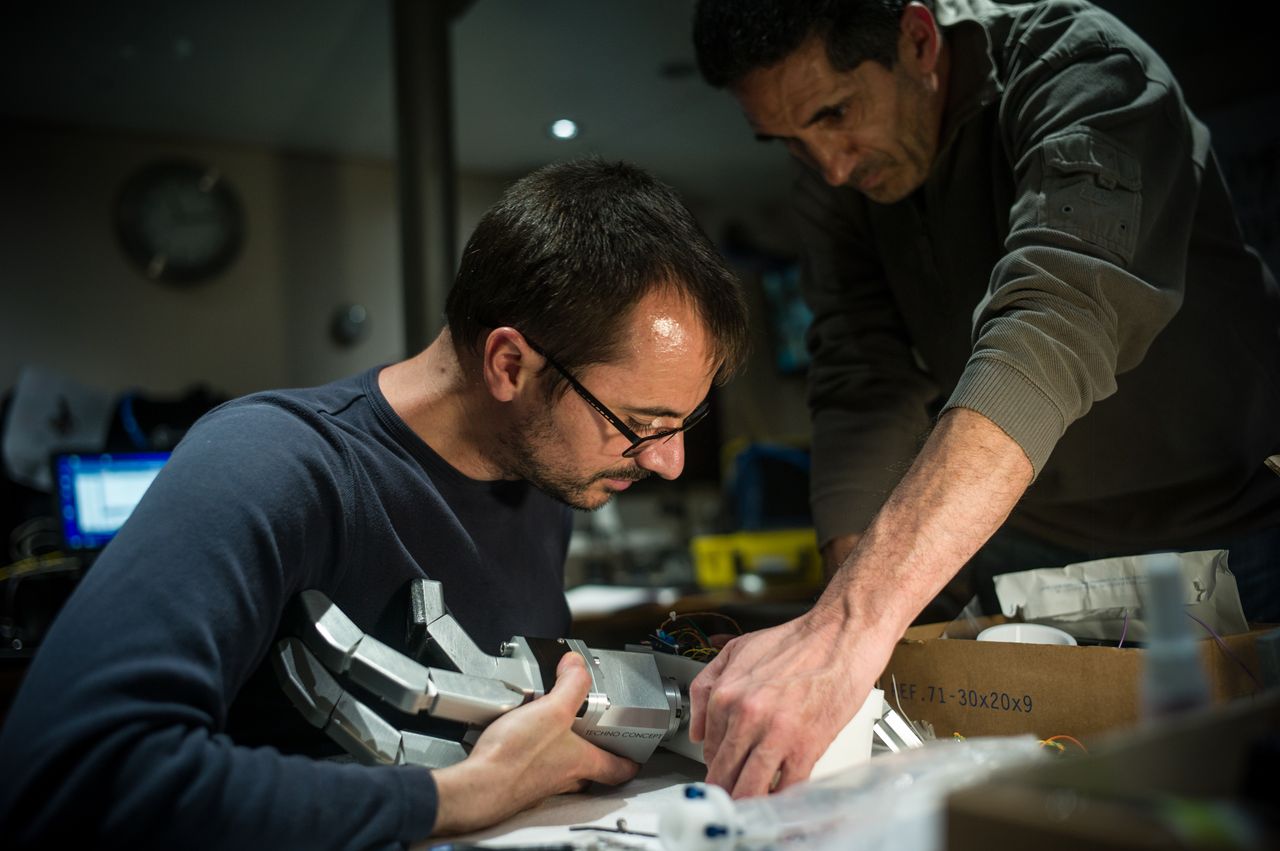
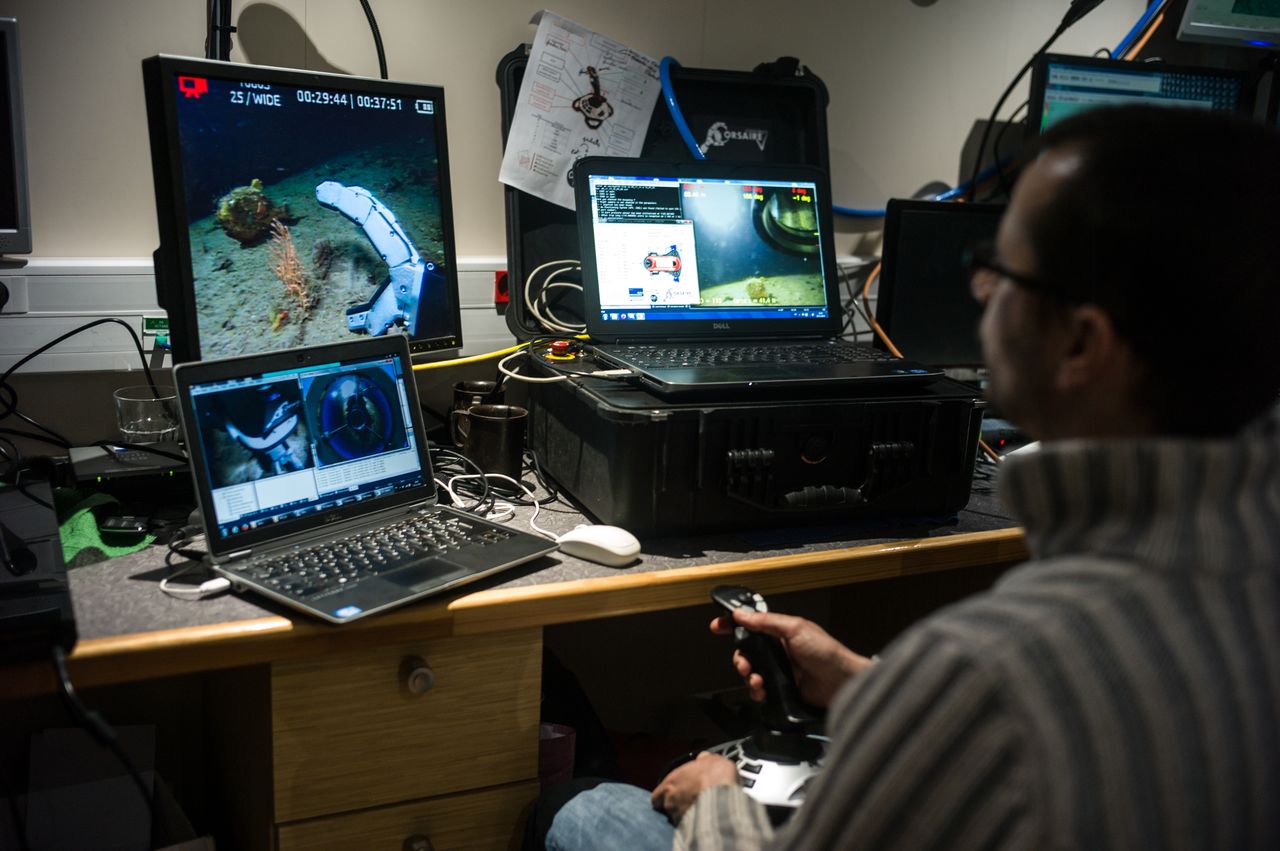
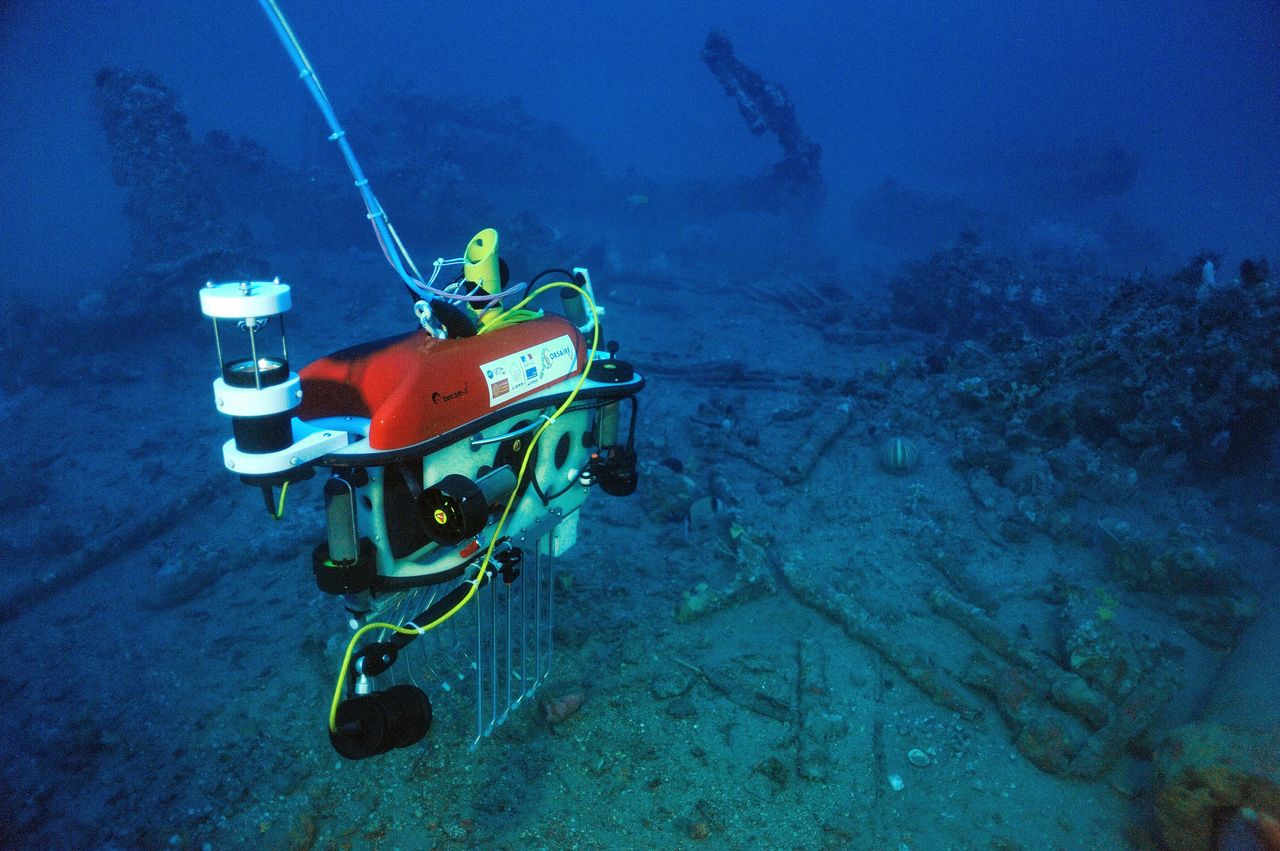
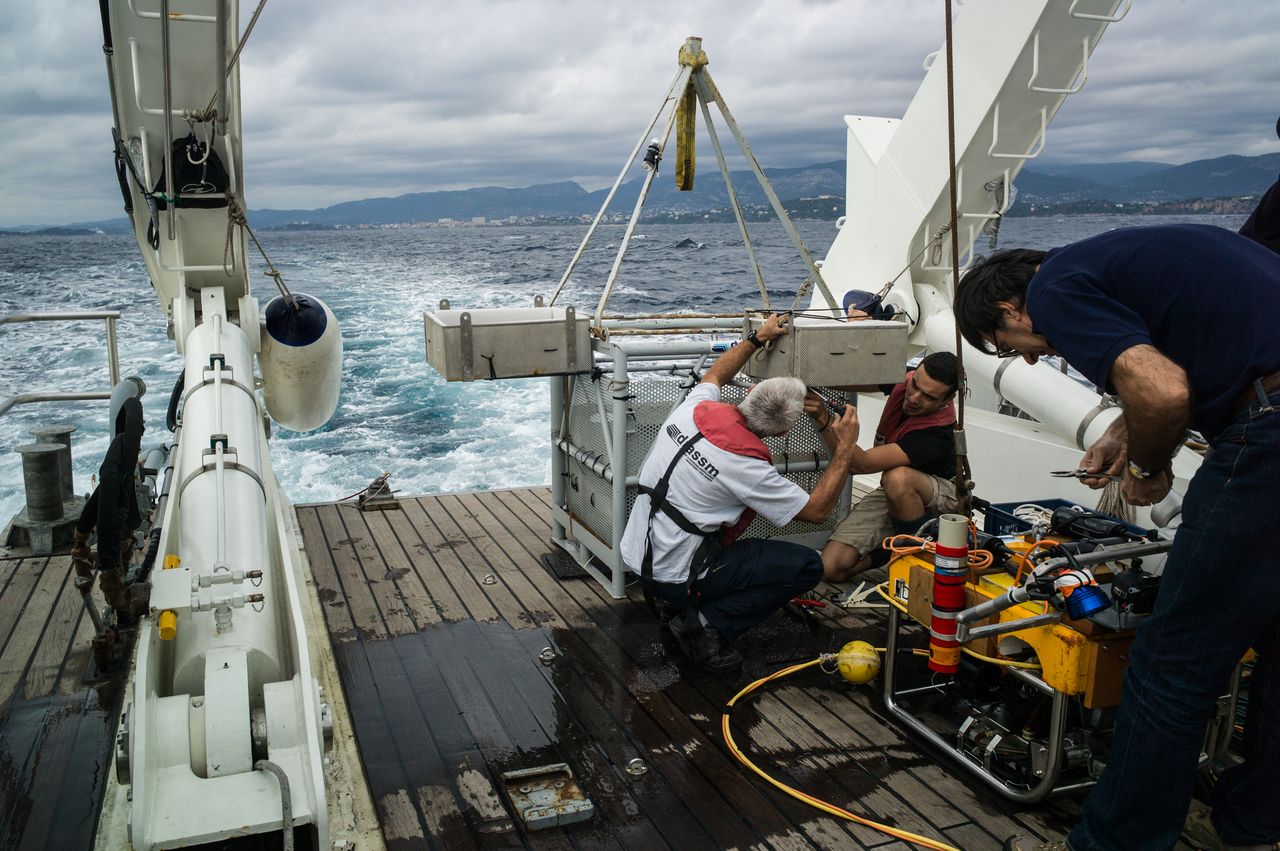
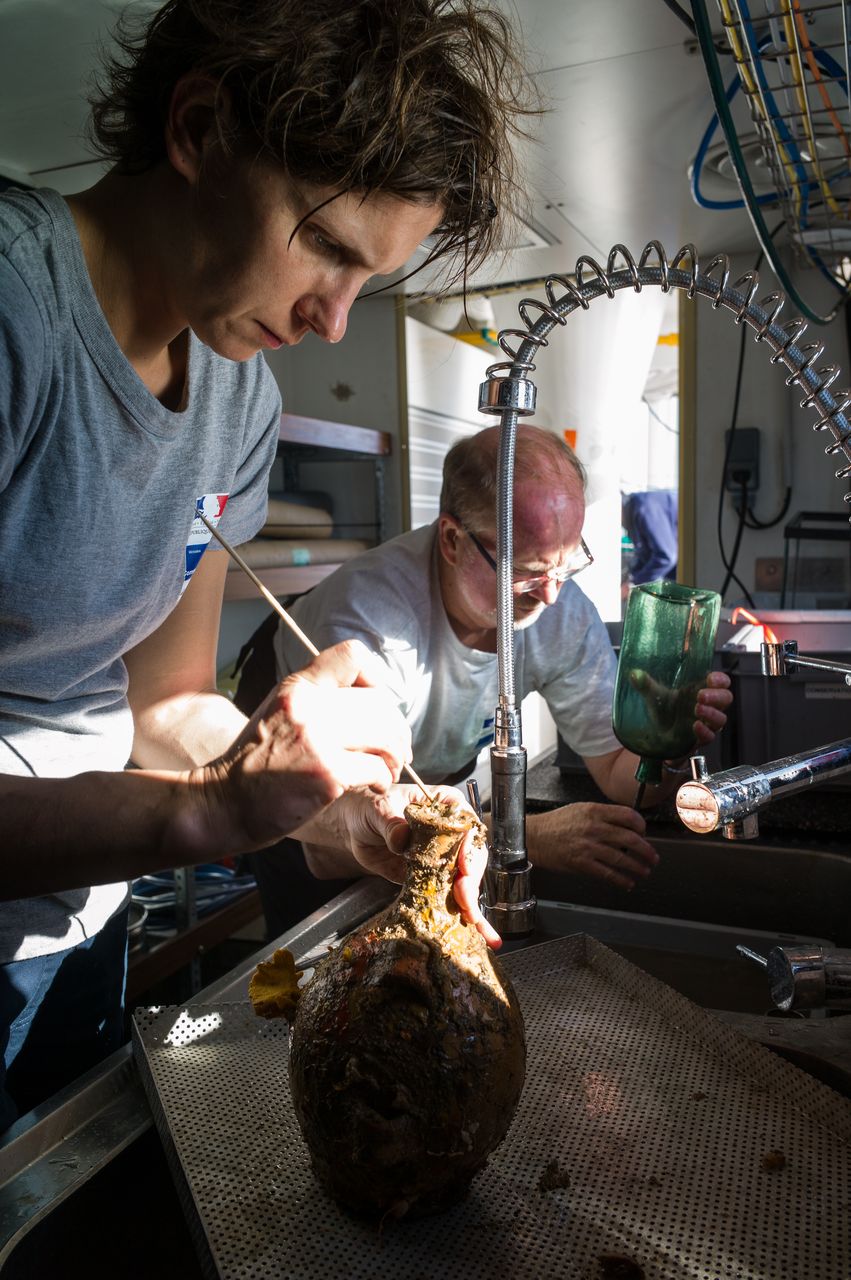
The Lune lies at the bottom of the sea. This warship from Louis XIV’s fleet sank in 1664 in the harbor of Toulon, taking with it its armaments, tableware, and the crew’s personal belongings—precious artifacts from a bygone era that now rest 90 meters below the surface. A treasure trove for archaeologists. And a challenge for researchers: “Beyond a depth of 50 meters, exploring shipwrecks with divers becomes too dangerous and too complex,” explains Vincent Creuze, a researcher at the Laboratory of Computer Science, Robotics, and Microelectronics in Montpellier. The solution? Underwater robots, like Speedy. Equipped with cameras, it serves as the archaeologist’s eyes. But also as its hand.“Speedy is equipped with an articulated hand fitted with a pressure sensor ,” explains the expedition’s scientific director. A robot of remarkable delicacy that can grasp a fragile plate, squeezing it just enough to hold it between its metal fingers without breaking it. A world first. And the dawn of a new era for underwater archaeology, which will now be able to explore shipwrecks at ever-greater depths.
For more information:
- See also: 2,000 Years Under the Sea
- Listen to the podcast “Archaeological Robots at the Montpellier Herbarium”
The Corsaire Concept project is led by DRASSM (Department of Underwater and Submarine Archaeological Research of the Ministry of Culture and Communication) in partnership with LIRMM (UM —CNRS), which provides scientific direction; the PPRIME Institute (CNRS); Stanford University; ONERA; the GDR Robotique; and the ANR SEAHAND project.



Photos © Teddy Séguin/ Frédéric Osada/ DRASSM/Images Explorations
Check out theUM podcasts, now available on your favorite platform (Spotify, Deezer, Apple Podcasts, Amazon Music, etc.).