At theUM of Science [S02-ep04]: From Toads to the Pro 3D Platform
This week on *A l’UM * Science, Aurélien Besnard, a researcher at CEFE, talks to us about the strategy adopted by a toad—the yellow-bellied toad—to cope with the degradation of its habitat caused by human activities. In the second part of the program, we take you on a tour of the Pro 3D platform at the Montpellier Laboratory of Mechanics and Civil Engineering. Finally, we’ll return to Amrin’s segment, where he’ll talk to us about *La Télescope*.
Last night I had a wonderful dream. I was a princess, living all alone at the very top of the tallest tower in my gigantic castle, when suddenly a charming prince showed up, kidnapped me in his white 200-horsepower Audi—with a Crit’Air 6 sticker, polluting the entire countryside as he drove by—before trying to kiss me—without my consent, of course—and then, bam! As if by magic, he turned into a magnificent toad, returned to his pond, and married a pretty toad. They lived happily ever after and had many toad children, who in turn had many toad children, which soon allowed them to repopulate the pond, then all the ponds in the region, then all the ponds in France and Navarre, and finally throughout Europe, and so on until the toads completely disappeared from the list of endangered species.
Then I woke up, grabbed my laptop to do a couple of quick searches, and found that, according to the International Union for Conservation of Nature in France (IUCN), out of 35 amphibian species, 8 are at risk of extinction due—as you might expect—to human activity and its impacts. This is the case for the brown pelobate, also known as the knife-necked toad; the field frog; the Lanza salamander; and the yellow-bellied toad.
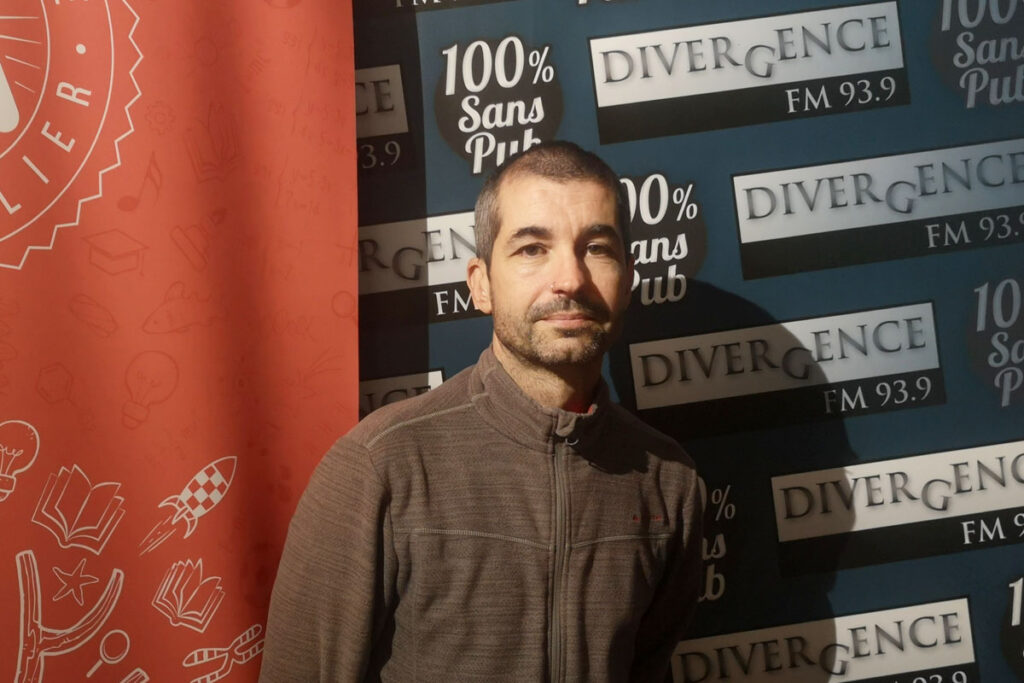
In fact, this species was chosen for a groundbreaking 25-year study conducted by 62 scientists from seven European countries to assess the evolution of these populations. And what they have to tell us isn’t entirely negative. Our guest is Aurélien Besnard. He is a researcher at CEFE, the Center for Functional and Evolutionary Ecology. He participated in this study titled “Compensatory recruitment ensures the viability of amphibian populations in anthropized environments.” The article was published in the journal PNAS last September.
Recommended Reading
Compensatory recruitment enables amphibian populations to persist in anthropogenic habitats
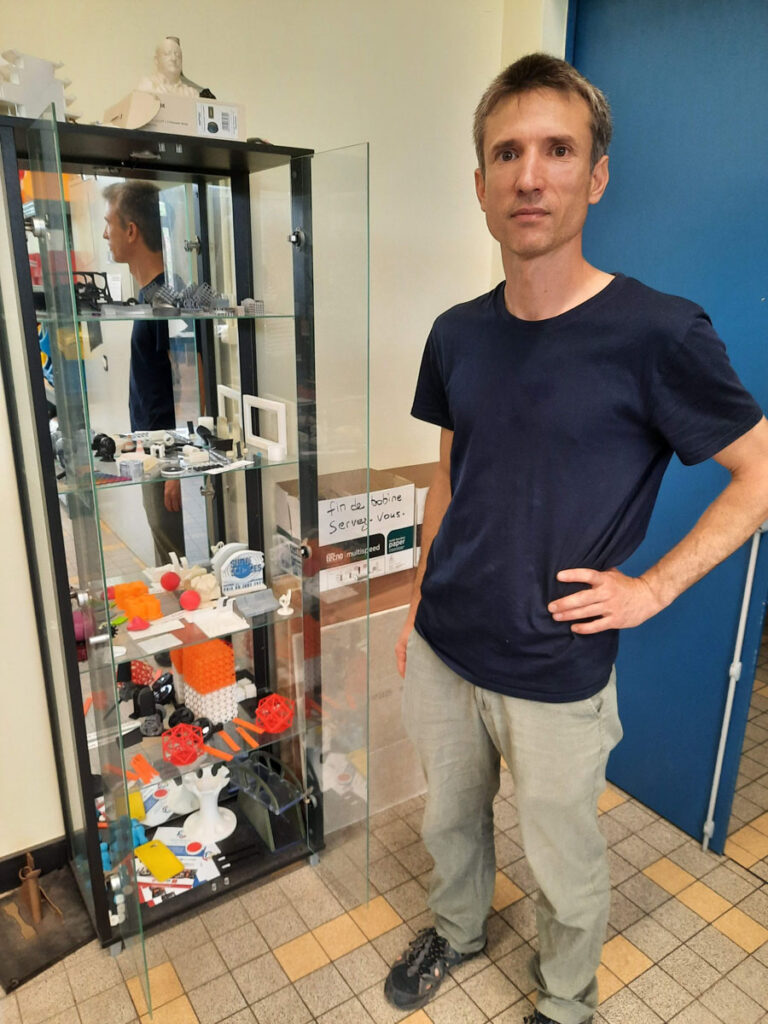
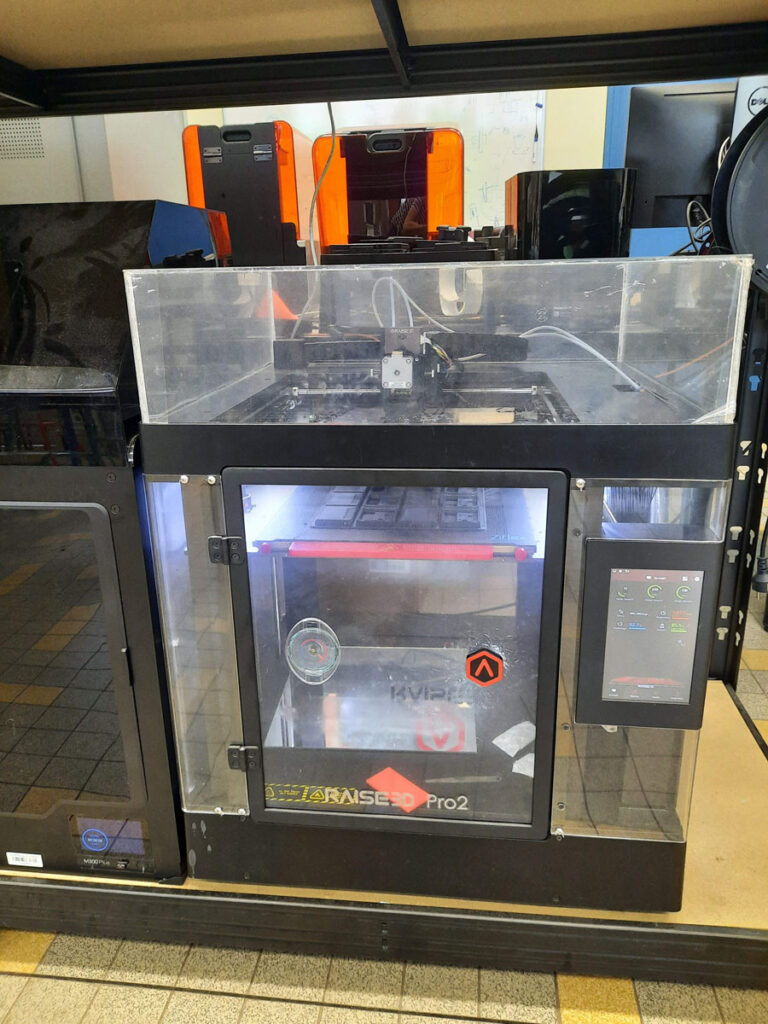
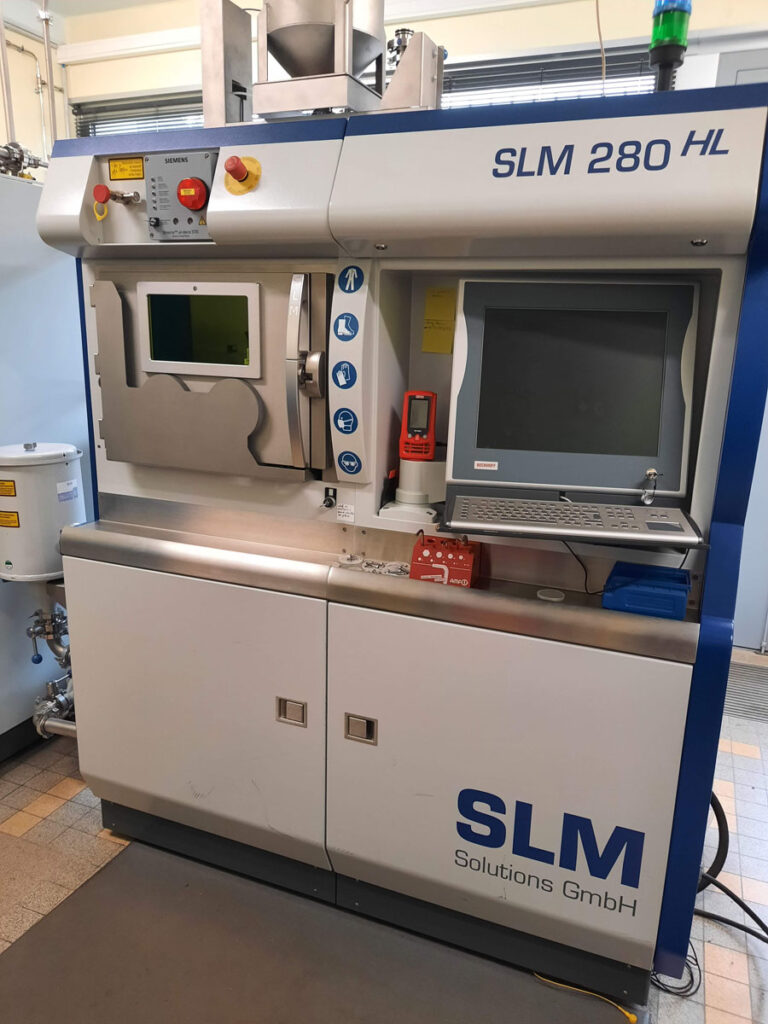
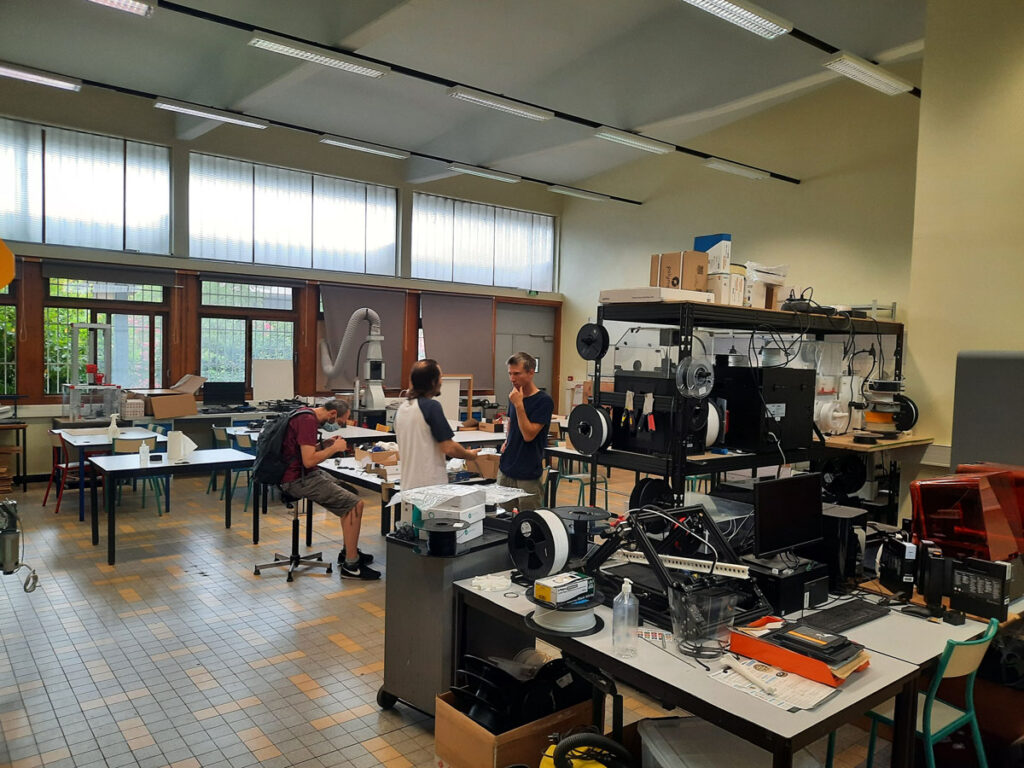
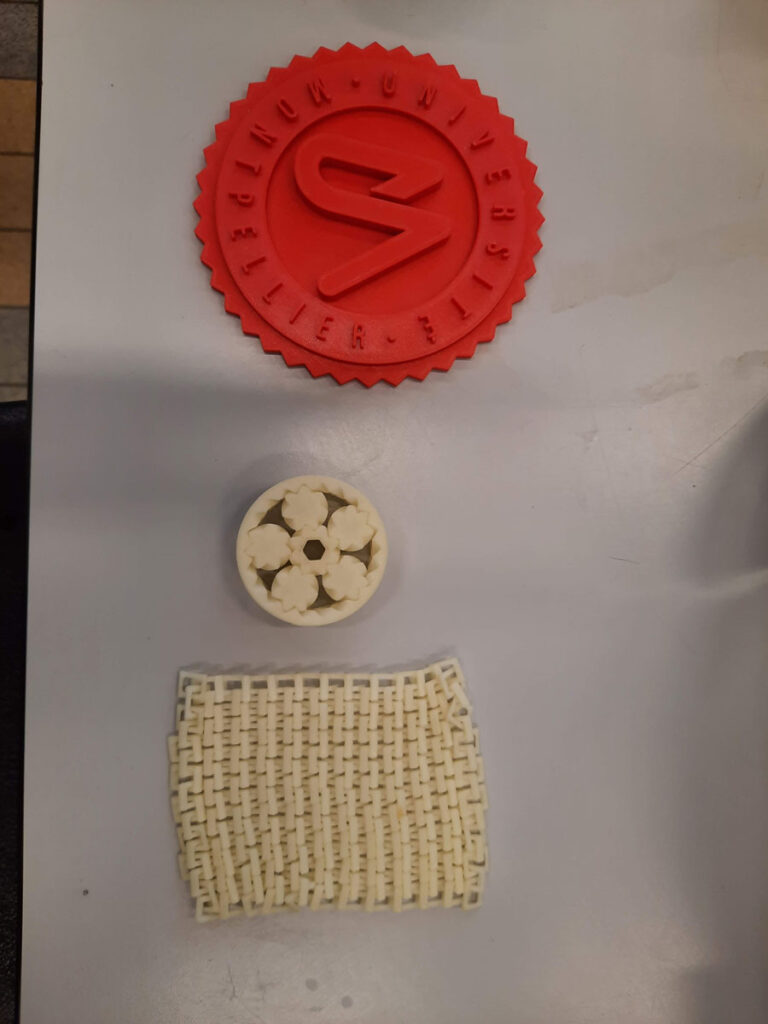
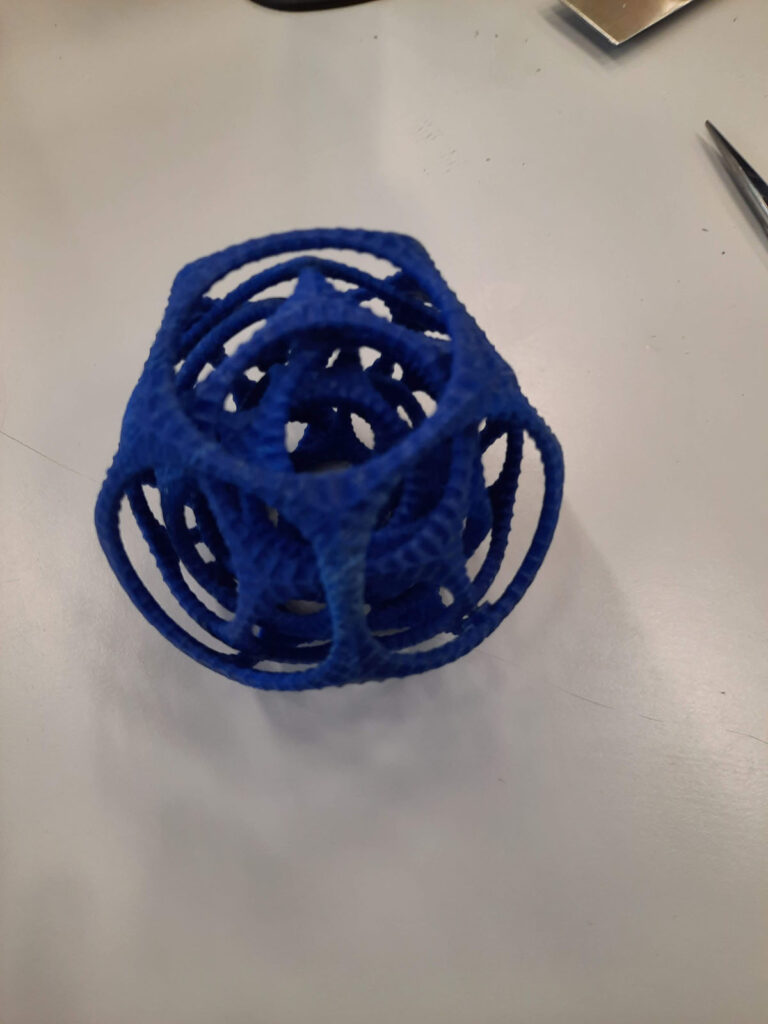
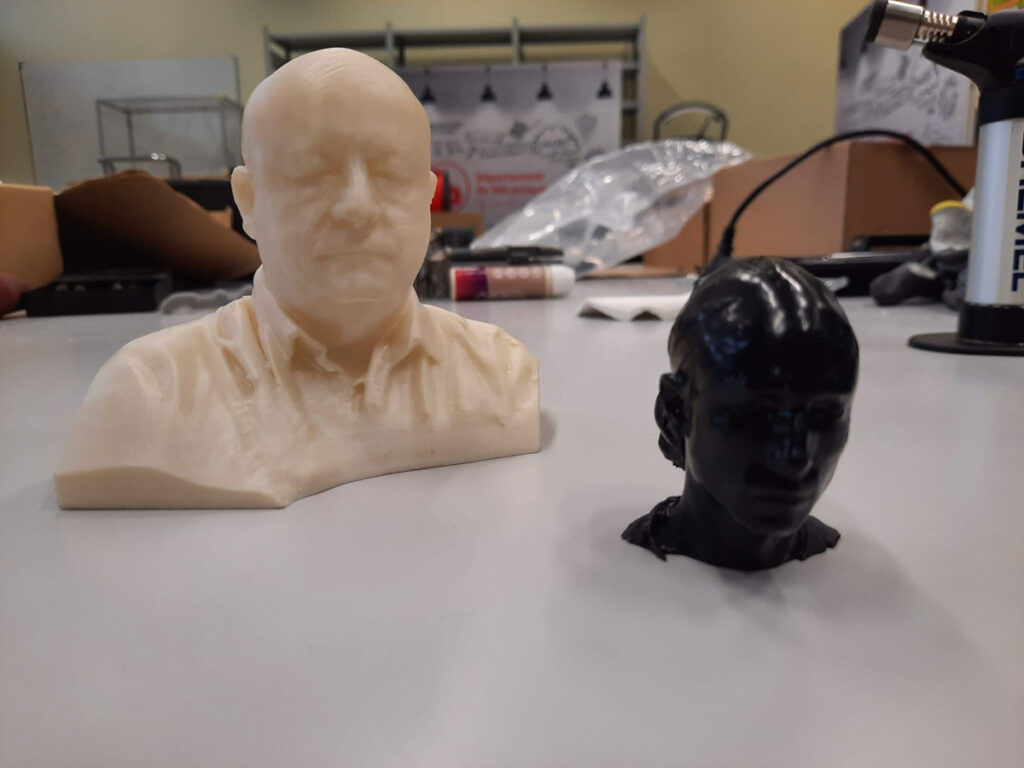
In the second half of the program, we’ll visit the Pro 3D platform at the Montpellier Laboratory of Mechanics and Civil Engineering, accompanied by Yvan Duhamel, who will introduce us to this additive manufacturing platform—in other words, 3D printing—where he assists researchers and students who want to create one-of-a-kind plastic or metal parts for their research projects.
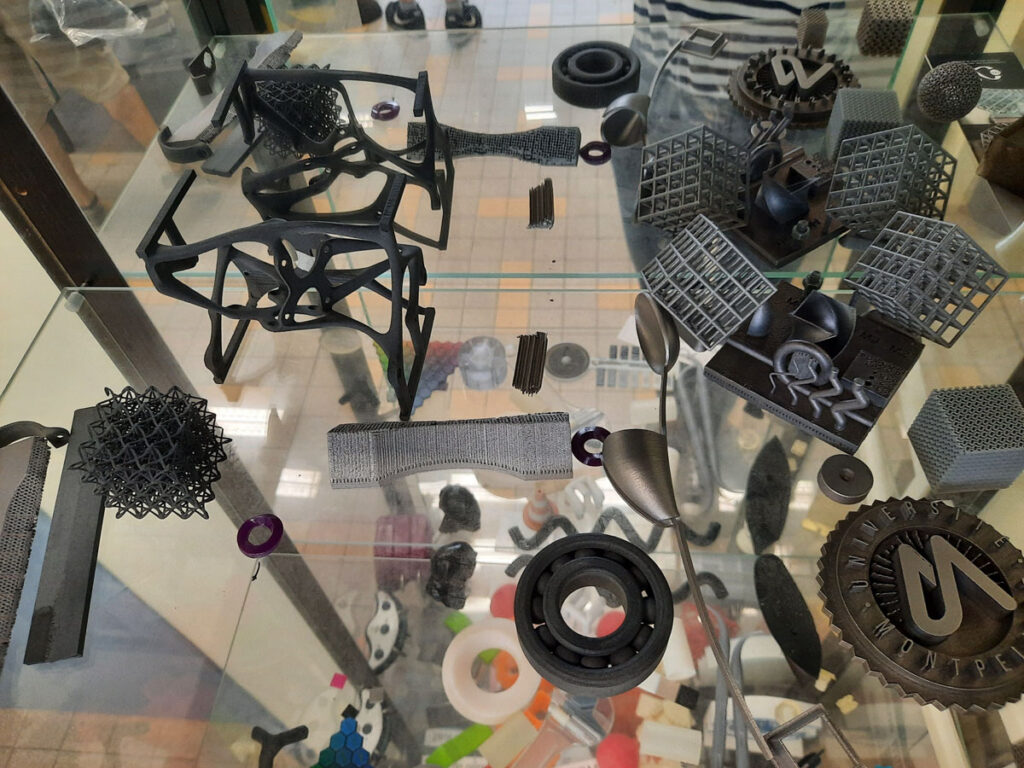
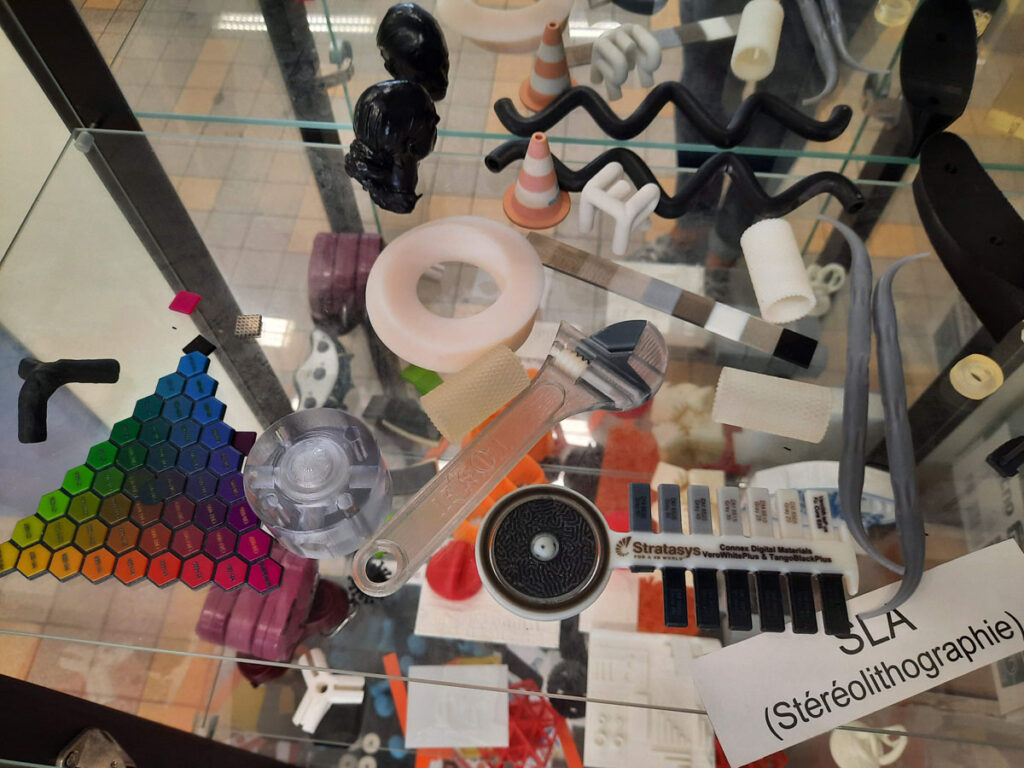
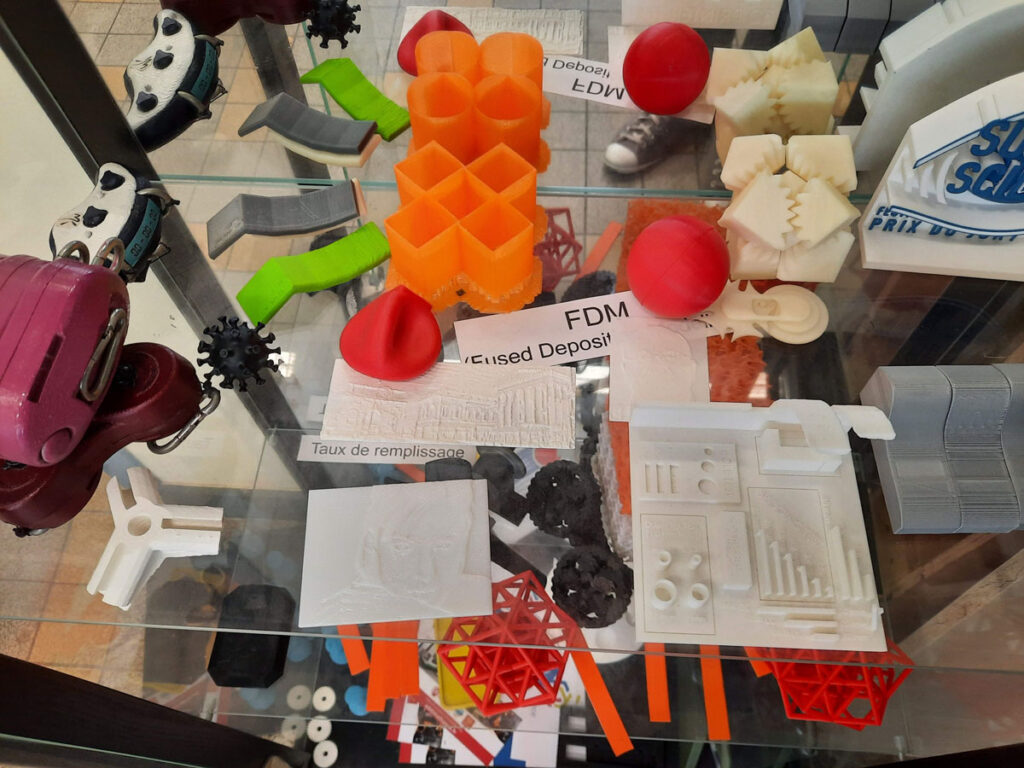
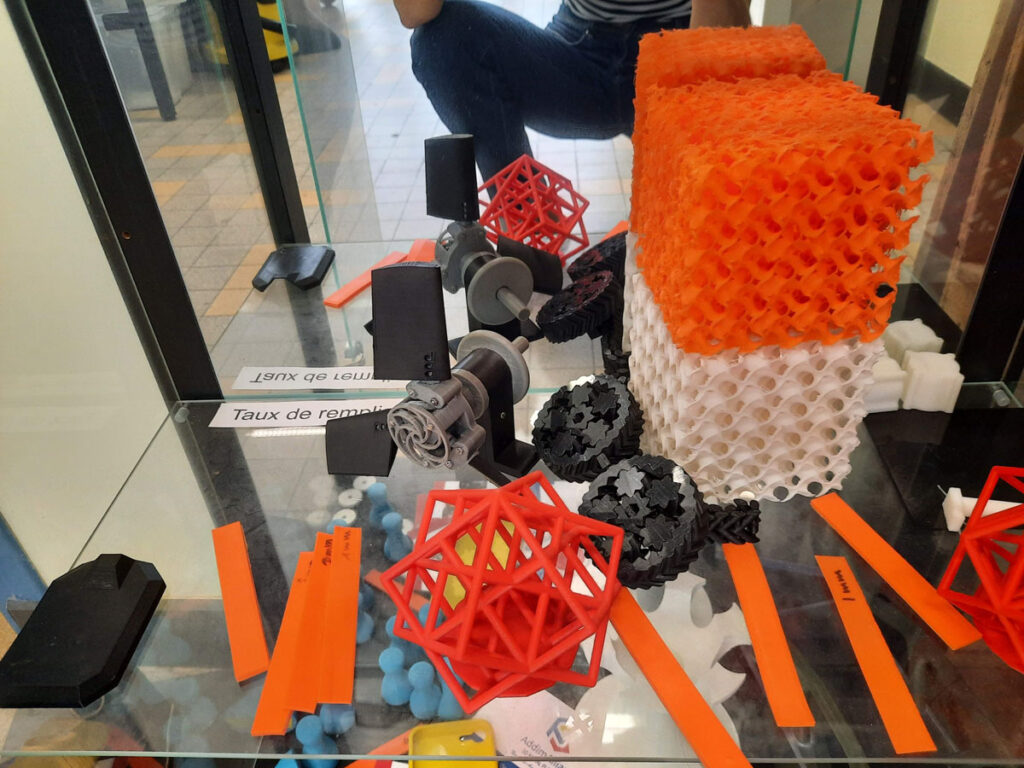
At the end of the show, we’ll hear from Amrin, who’ll talk to us about La Télescope, a startup specializing in the prevention of light pollution.
At "UM : Science," here's the lineup—let's get started!
Co-production: Divergence FM / University of Montpellier
Host: Lucie Lecherbonnier
Interview: Aline Périault / Lucie Lecherbonnier
Reporting: Aline Périault
Editing : Bruno Bertrand
Director: Adeline Floc’h
Listen to the show “A l’UM la science” on Divergence FM 93.9

Check out theUM podcasts, now available on your favorite platform (Spotify, Deezer, Apple Podcasts, Amazon Music, etc.).