[LUM#13] “If we don’t change, it will happen again”
“Completely predictable.” That’s how Serge Morand* describes the COVID-19 pandemic. And that’s good news: it means we know how to limit the risk of future epidemics . An explanation from the ecologist and evolutionary biologist at theMontpellier Institute of Evolutionary Sciences.
You mention a direct link between the decline in biodiversity and the increase in epidemics—how would you explain this?
The decline in biodiversity is often viewed as an ecological crisis, but in reality, it is also a public health crisis. Indeed, when biodiversity is high, there is a wide variety of potential pathogens, such as viruses, but they circulate at low levels—meaning they are transmitted with limited efficiency and are unlikely to eventually infect humans. Conversely, when biodiversity declines, it facilitates contact between viruses in wildlife and humans, thereby increasing the risk of disease transmission.
How do these interactions occur?
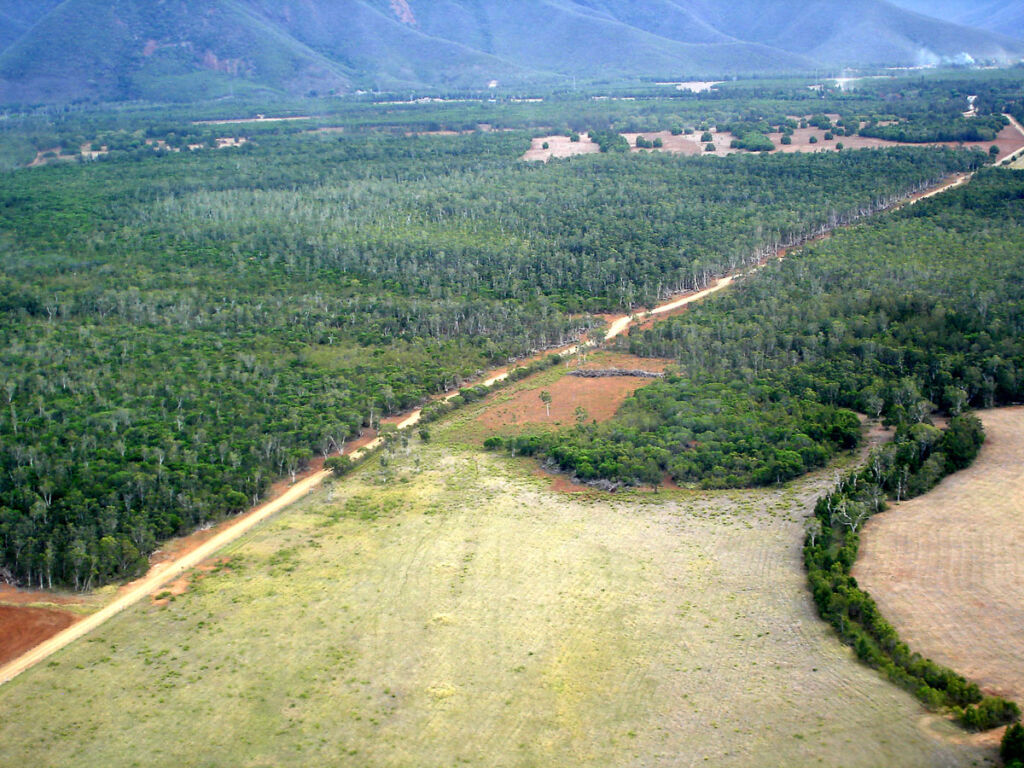
The decline in biodiversity is attributable to human activities: urbanization, resource extraction, and—above all—industrial agriculture and livestock farming are responsible for deforestation and the destruction of natural habitats. Predators may disappear, which disrupts the entire balance of ecosystems and can facilitate the emergence of pathogens. But above all, these activities bring together species that would never have come into contact in the wild: wild animals and domestic or farm animals. In this way, we create new interfaces that are conducive to the spread of viruses. A prime example is the Nipah virus, which struck Malaysia in 1998. It emerged when bats, driven from their habitat by palm oil cultivation, began coming into contact with pig farms; once infected, the pigs were consumed by humans. As for the coronavirus, we are now certain that it, too, originated in a bat, but the so-called “intermediate” host—the one that allowed the virus to acquire the genetic determinants necessary to infect humans—is not yet known.
Are there more and more new epidemics?
Yes, globally, the number of epidemics has increased more than tenfold between 1940 and today. Not only are there more of them, but—more importantly—they are becoming global in scope and no longer remain confined to the country where they first emerged. Since the 1960s, we have seen a significant acceleration. The reason: increased trade. In fifty years, air traffic has increased by 1,300%!
At the same time, tourism skyrocketed—up 5,600 percent. COVID-19 is a disease spread through international travel. This pandemic was entirely predictable; all the conditions were in place for an emerging infectious disease of this type to spread rapidly across the globe.
If we could have predicted this pandemic, how could we protect ourselves from future ones?
We need to fundamentally change the way we view ecosystems, starting with our global agri-food system. Intensive livestock farming is a prime example: the total weight of cattle on the planet is greater than the total weight of humans! To feed all these animals, vast regions are being deforested to grow soybeans or corn, which destroys natural habitats and encourages intensive monocultures. Yet we need to move away from these single-purpose landscapes in favor of diverse, non-specialized mosaic environments. We must recreate multifunctional territories. We must move toward a more locally focused approach to agroecology and agronomy, which also means restoring autonomy to local regions. To achieve this, the entire Common Agricultural Policy must be overhauled; we should begin by renegotiating agricultural debt to pave the way for a shift toward agroecology.
So, does that mean we need to radically transform our agri-food system?
Yes, but not only that. There really are major changes that need to be made: we need to deglobalize our economies, reduce mobility, and relocalize economic activities. We need to move toward less tourism and more sustainable tourism; we need to buy locally. The coronavirus crisis has sparked a real awareness of the need for change; this is a truly exciting time for all stakeholders in agronomy, forest ecology, agroecology, and the local and circular economy. It’s a real challenge for the next generation of students, and we must give them the freedom to rise to it and place our trust in them. Everyone stands to gain from these changes: biodiversity, the climate, farmers, and also our health and well-being. In any case, we have no choice but to make this shift: if we don’t change, it will happen again—inevitably.
Check out theUM podcasts, now available on your favorite platform (Spotify, Deezer, Apple Podcasts, Amazon Music, etc.).
*Isem (UM —CNRS—IRD—EPHE)