[LUM#20] On Earth and in Space
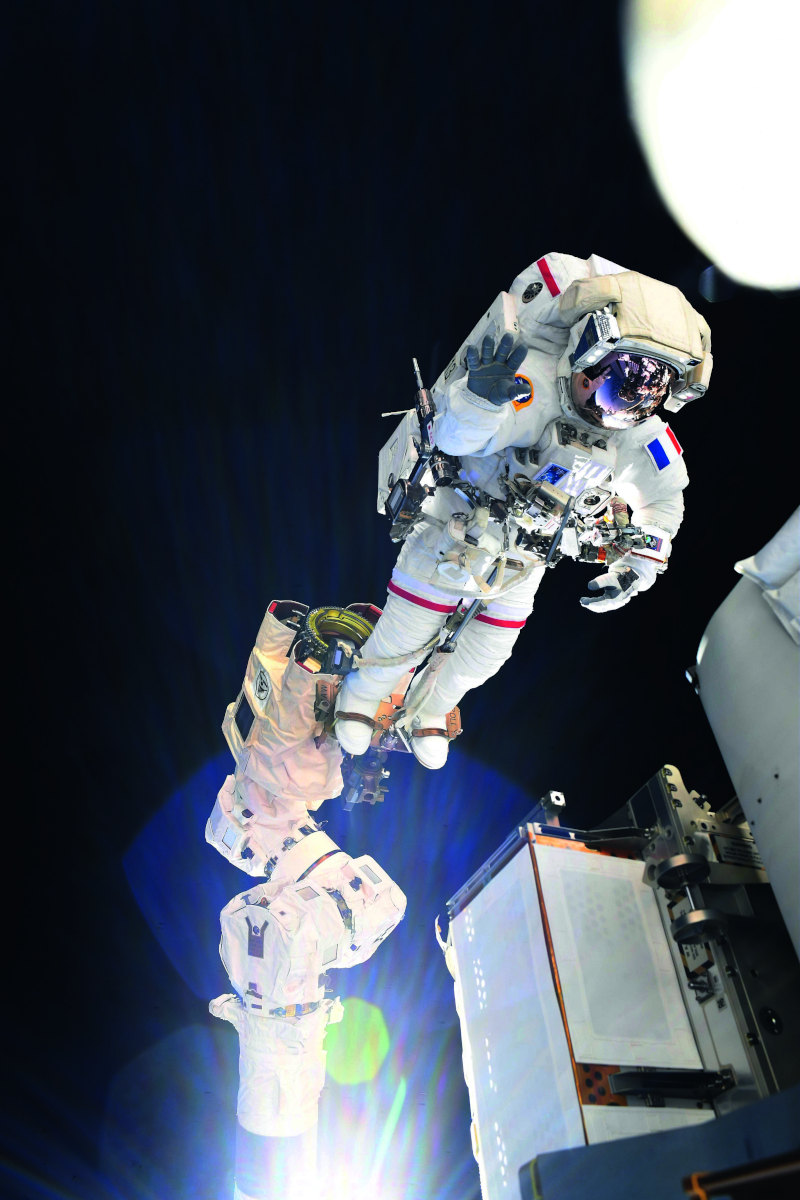
When our muscles are used less frequently, they eventually lose their fitness. To better support astronauts who experience this phenomenon after a long stay in space, specialists are proposing innovative research protocols.
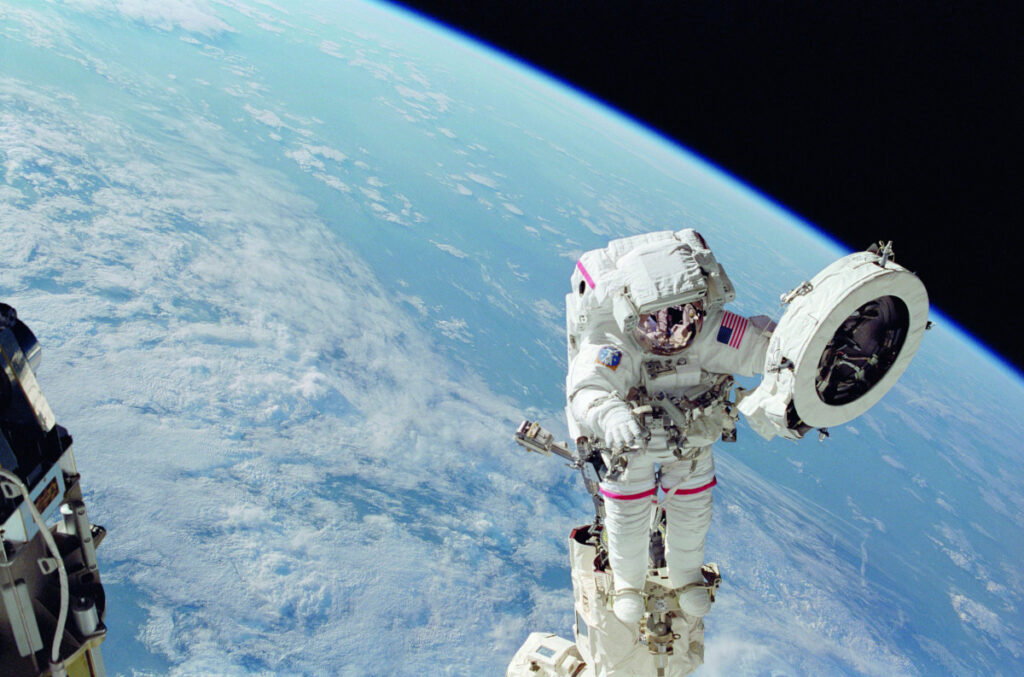
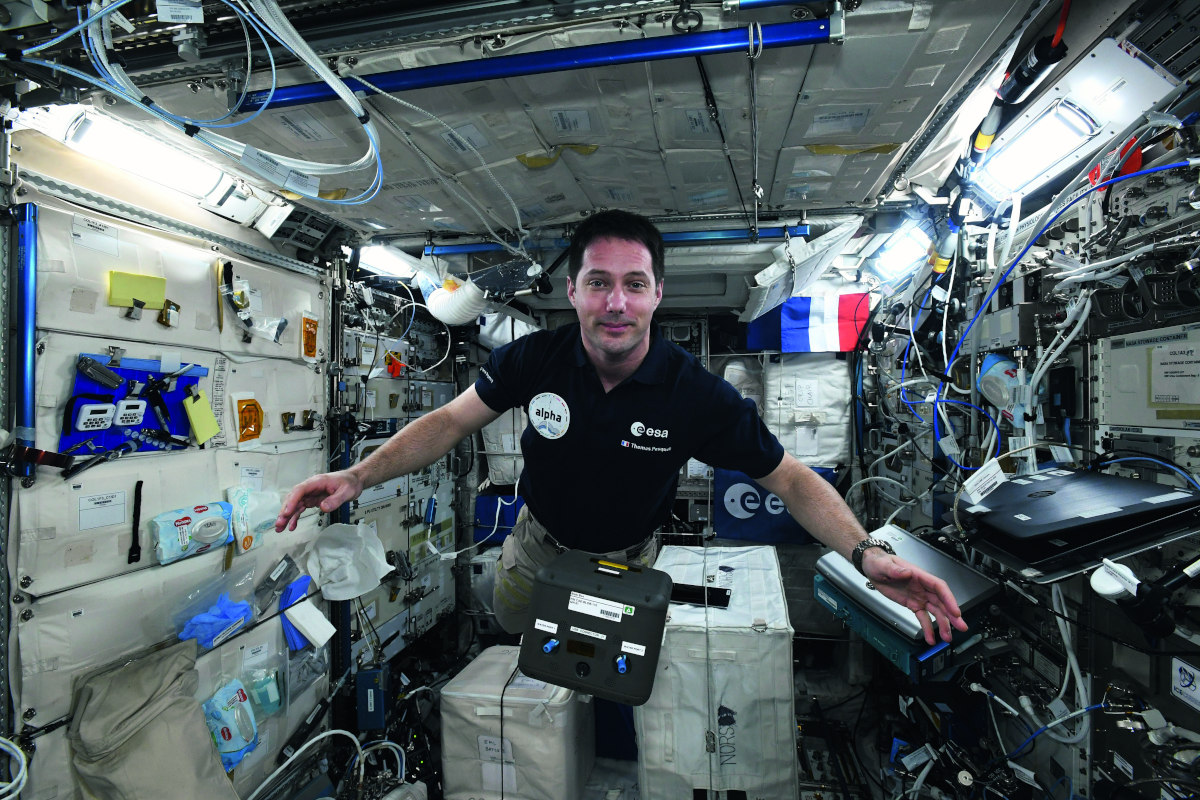
Walking, running, jumping—but also simply sitting or standing—under normal circumstances, our muscles are active all day long. “The mere act of resisting Earth’s gravity requires us to engage our muscular system, ” explains Angèle Chopard, a researcher at the Muscle Dynamics and Metabolism Laboratory1. But what happens to astronauts who are subjected to a microgravity environment? “Their muscles are used far less—especially their postural muscles—and this form of inactivity leads to general deconditioning, particularly of the musculoskeletal system, which manifests at the muscular level mainly as a loss of strength, muscle cell atrophy, and increased fatigue,” the researcher replies.
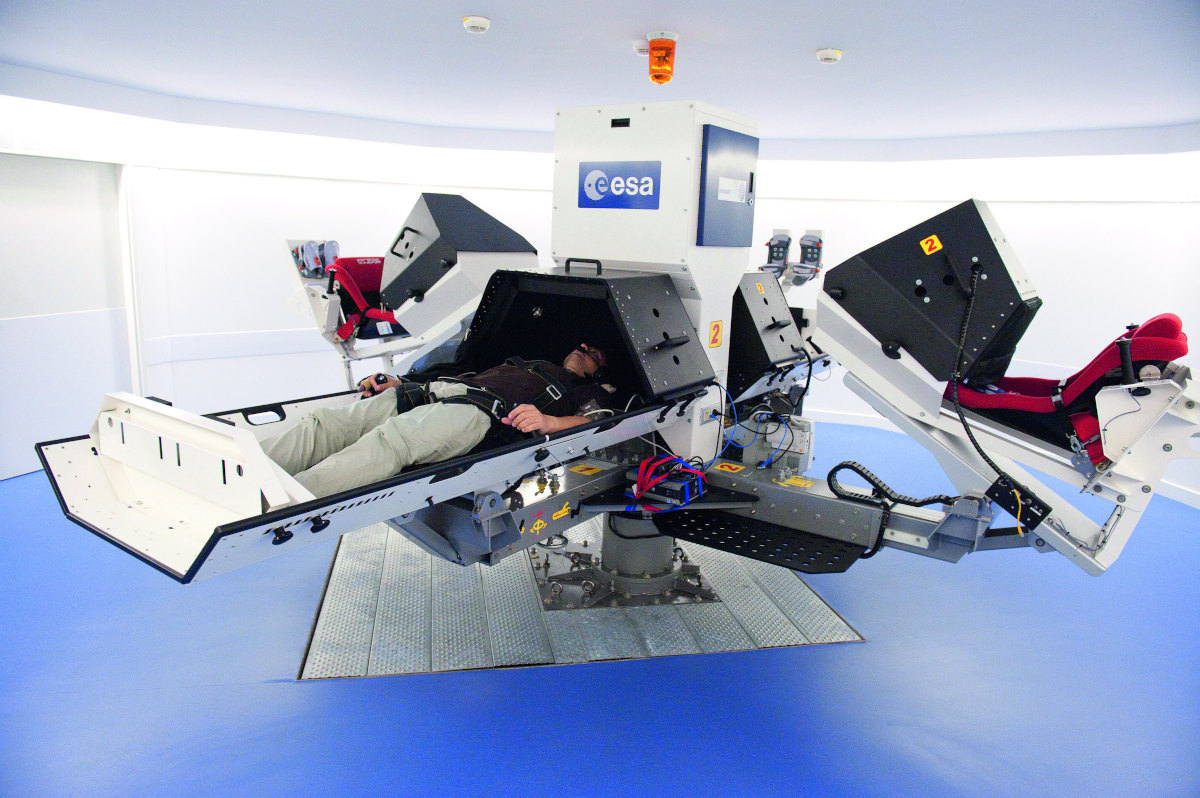
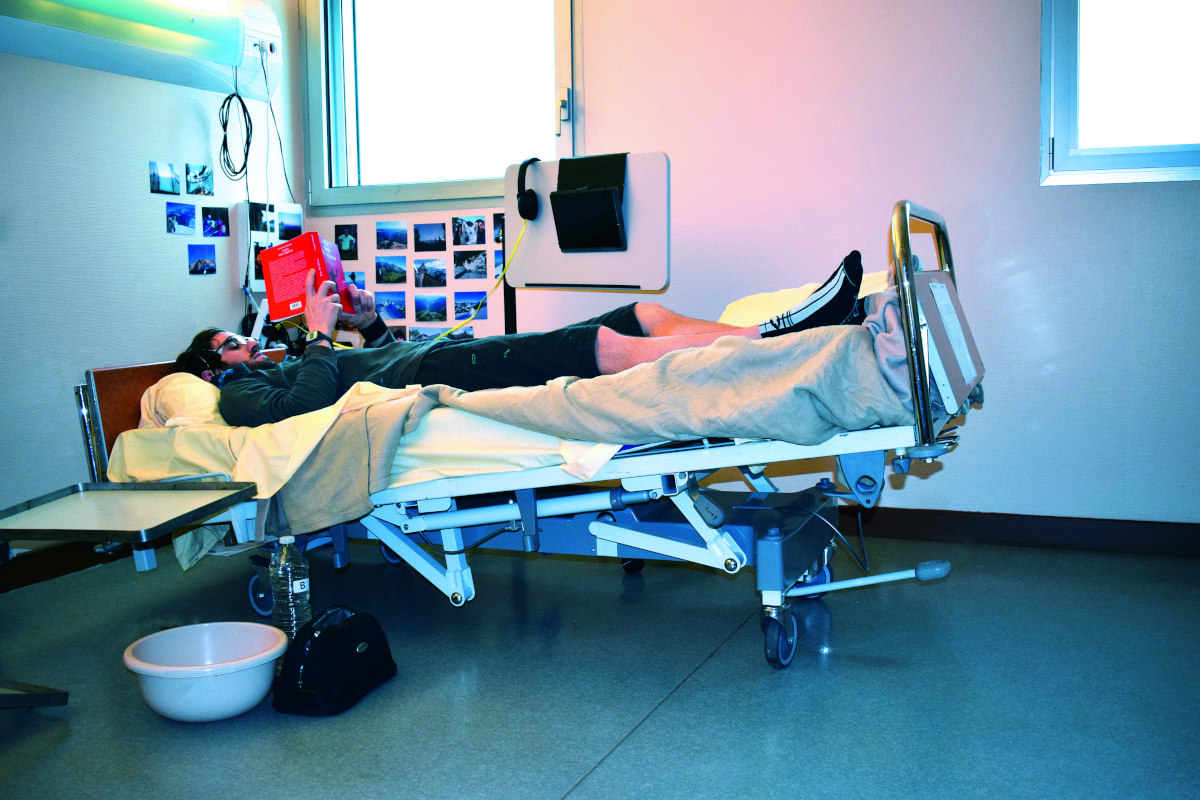
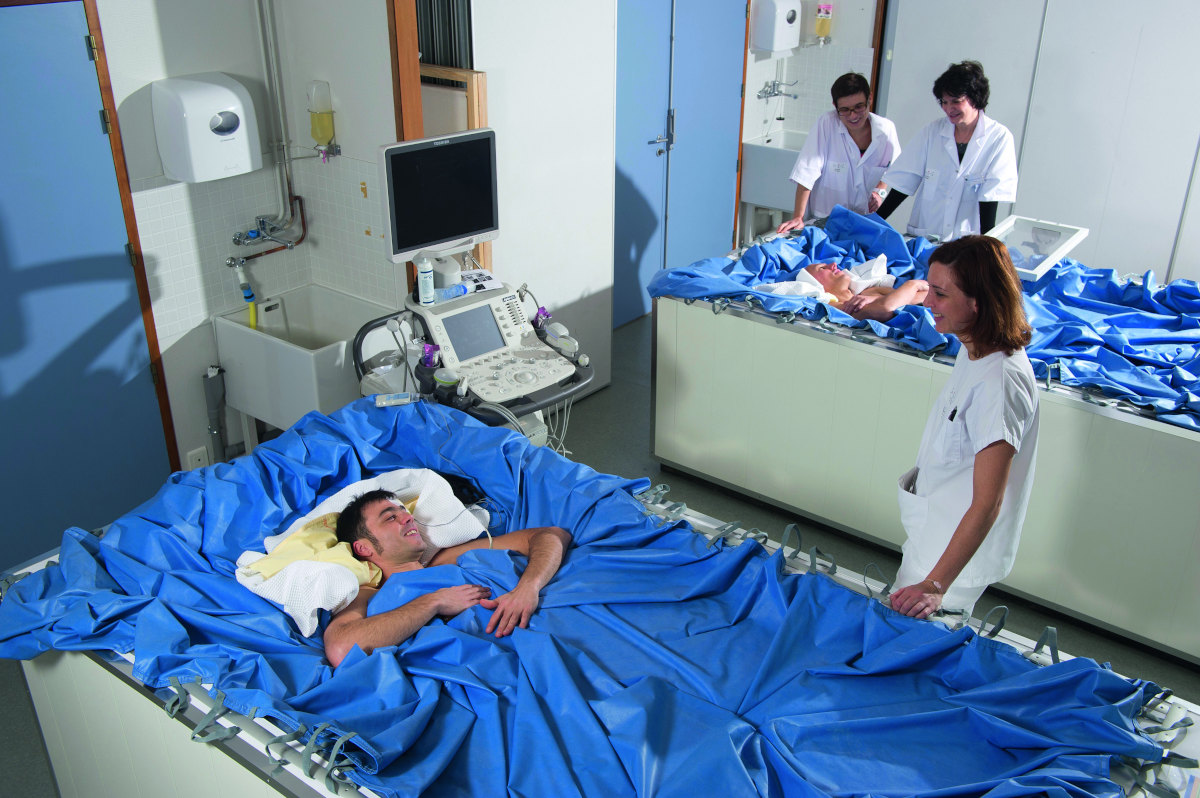
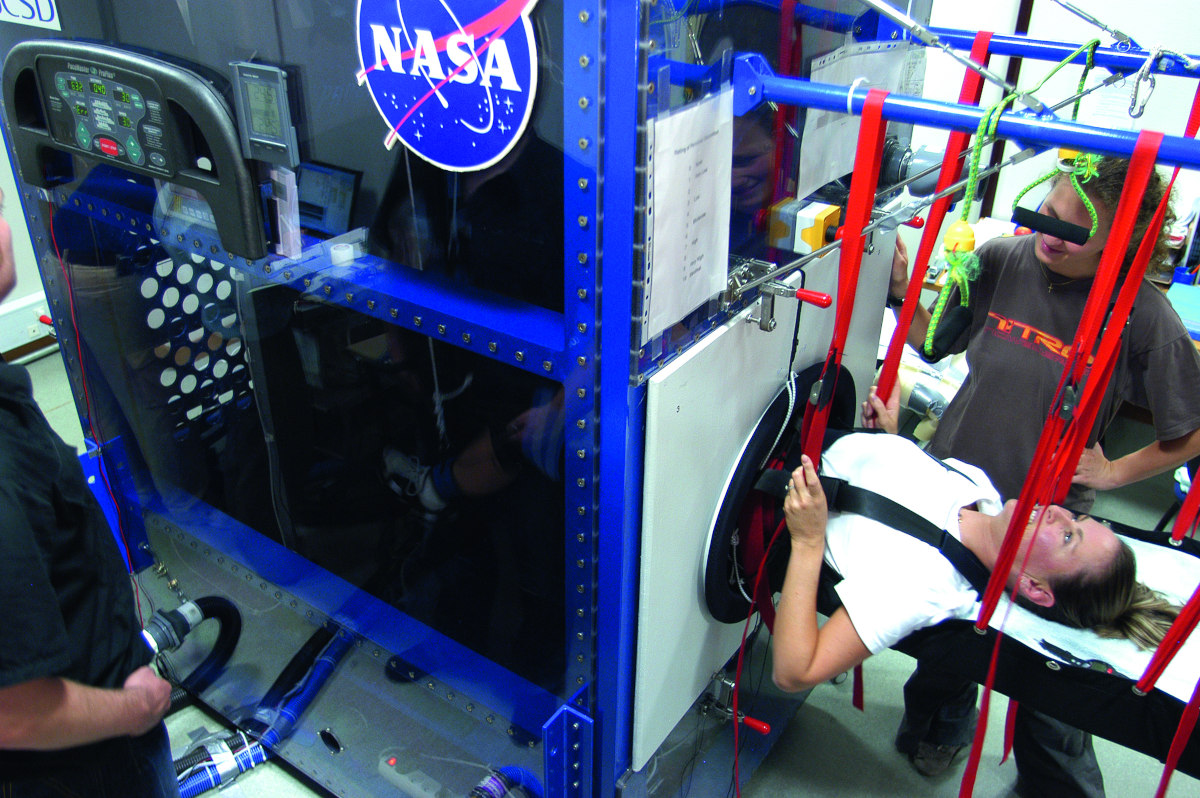
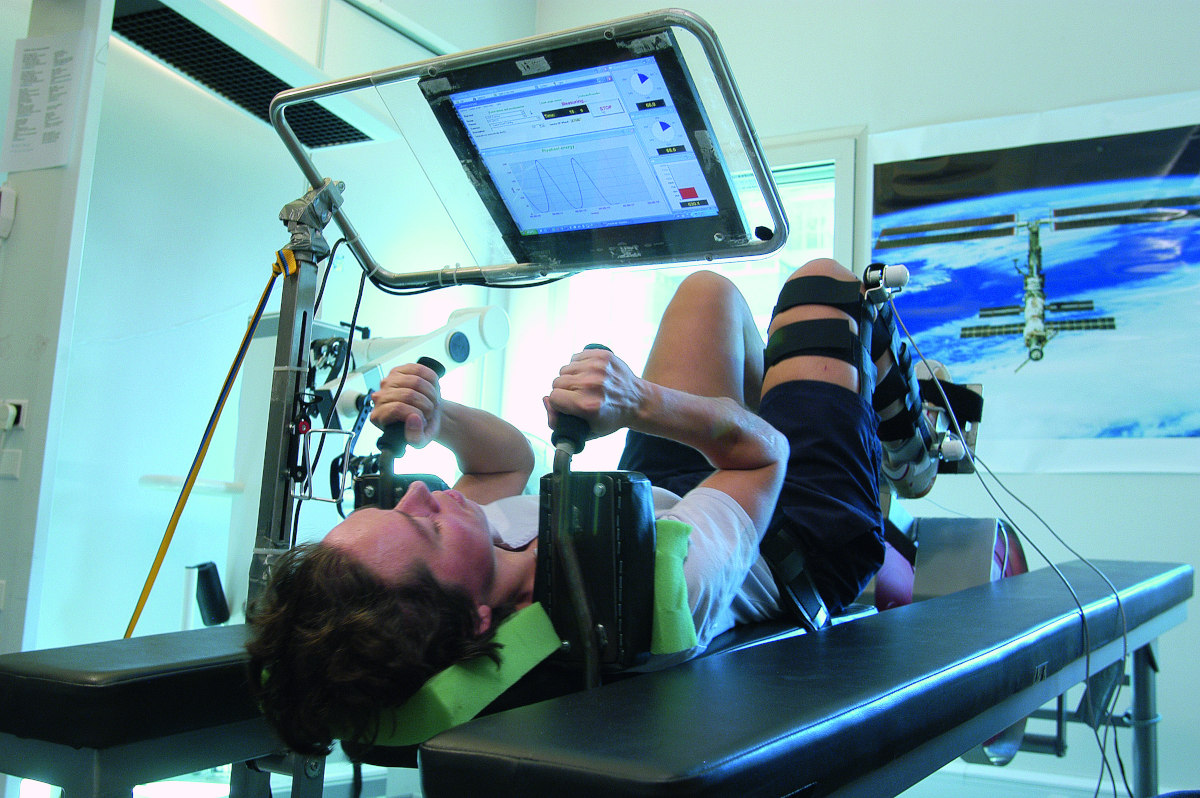
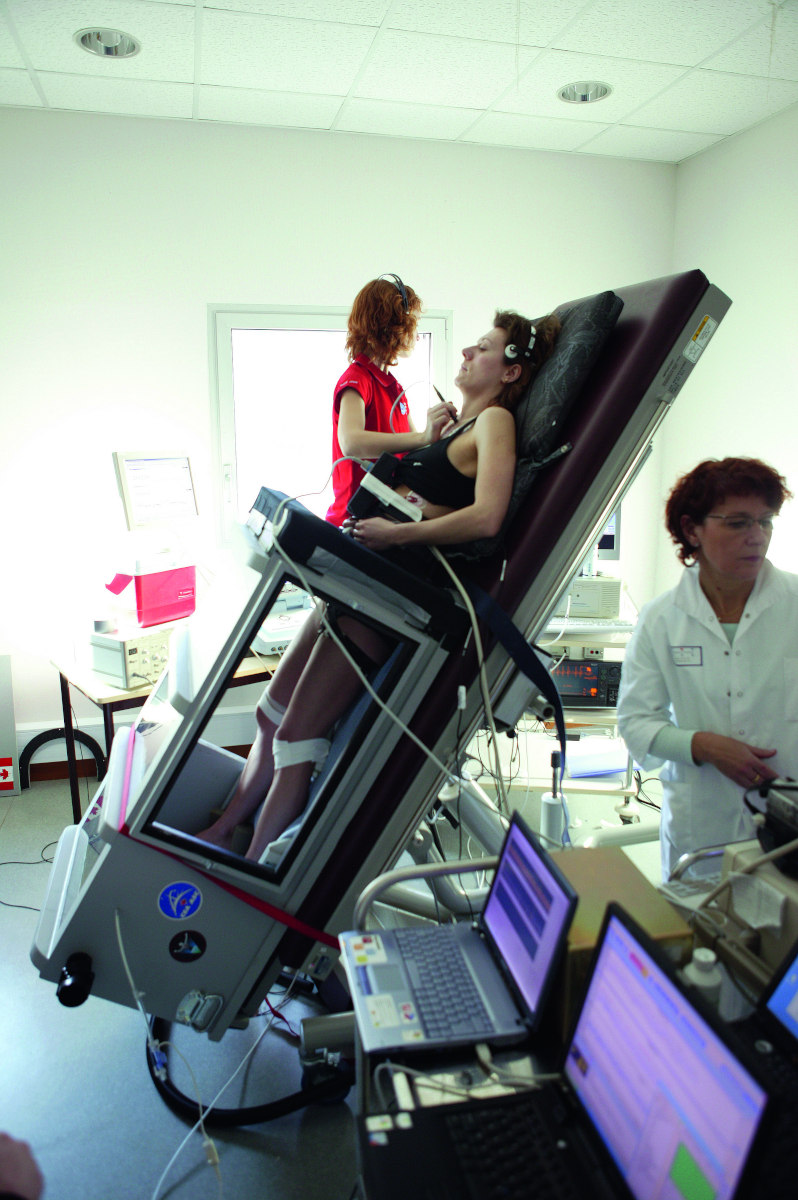
To better study this phenomenon, Angèle Chopard and her colleagues, Guillaume Py and Thomas Brioche, have access to microgravity simulation experiments conducted on the ground, using two protocols developed by space agencies designed to reproduce on Earth the microgravity conditions experienced by astronauts. The first involves prolonged bed rest with the head positioned at a 6-degree downward angle, “to mimic the increased return of fluids to the head in microgravity, ” explains the specialist. For the second protocol, known as “dry immersion, ” volunteers are submerged in a water bath from which they are completely isolated by plastic sheeting. “This floating model causes deconditioning to occur more rapidly—about three times faster than with simple bed rest.”
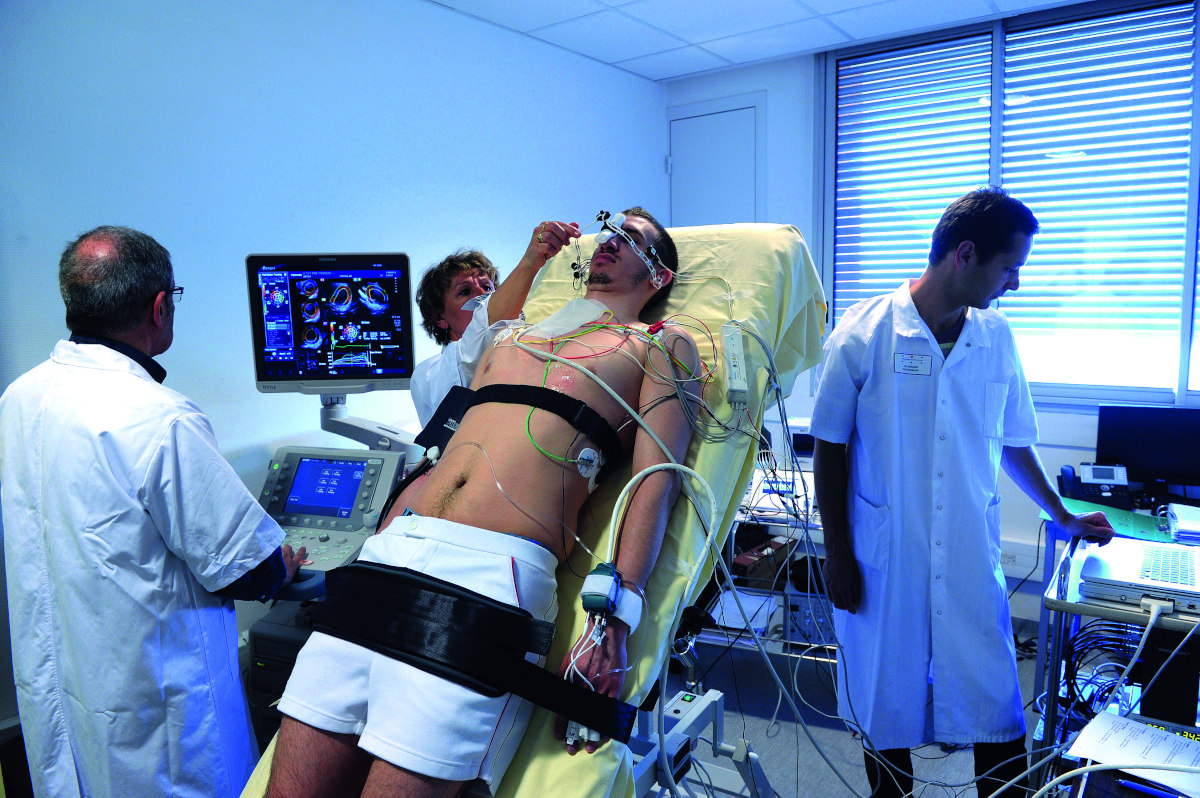
While their test subjects patiently endure the process, the researchers subject them to tests and biological samples designed to measure their bodies’ responses. “As far as we’re concerned, the goal of these studies is to determine how best to prevent muscle deconditioning—not only for cosmonauts but also for patients who are confined to bed for extended periods, for those with joint immobilization, and for people who are chronically inactive, ” explains Angèle Chopard.
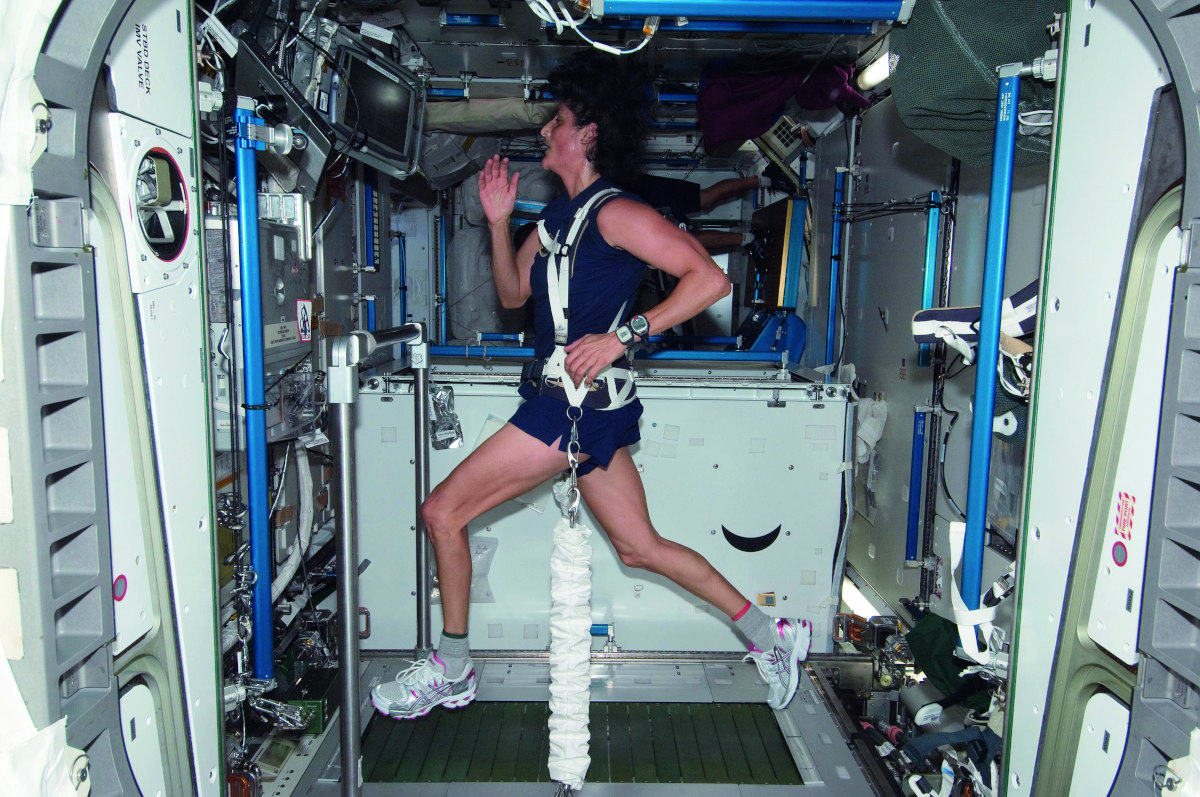
In terms of prevention, physical activity remains the most effective measure to date. “It’s the best way to counteract this loss of muscle condition, but it must be adapted to the available space and combined with nutritional supplements, for example.”
Check out theUM podcasts, now available on your favorite platform (Spotify, Deezer, Apple Podcasts, Amazon Music, etc.).
- DMEM (UM, INRAE)
↩︎