"UM : Science" [S04-ep19]: A child-robot interaction that challenges gender stereotypes in math
This week on *A l’UM * science, Madalina Croitoru, a researcher at the Lirmm, presents an experiment involving interaction between a robot and children to challenge gender stereotypes in mathematics. In the second segment, students in an optics lab class experiment with a laser cavity. The show airs every Wednesday on Divergence 93.9.
In a week, the die will be cast for the nearly 650,000 high school seniors invited to submit their college applications on the ParcourSup platform. Will this year, once again, see the same gender biases in the choices made by students of both genders? We’ll find out in a few weeks.
As early as 2022, the Maths et Sciences collective —which brings together numerous secondary school teachers’ associations—raised the alarm about an unprecedented drop in the number of high school girls enrolled in science tracks. The number of girls in the science track in their senior year fell by 28% between 2019 and 2021, and by 61% in math specialization courses.
The same group had then compared the 2019 figures with those from 1994. While the percentage of girls in science tracks had risen from 40% to 47% over the course of 30 years, it had fallen back to 44% by 2021. As for the math track, the percentage of female students has dropped from 40% to 35% over the past 30 years. How can we explain this decline in the number of girls in science tracks, given that, overall, they perform better than boys across all tracks and grade levels?
One theory is that the widespread prevalence of gender stereotypes steers girls toward careers in the humanities, while boys are seen as naturally more gifted in mathematics. And what’s most harmful is that the internalization of these gender stereotypes often begins as early as elementary school.
In Montpellier, a team of researchers in robotics and social psychology came up with the idea of combining their expertise and using artificial intelligence to analyze gender stereotypes in perceptions of mathematical ability. To do this, they set up an experiment involving interaction between a robot and a class of 7-year-olds.
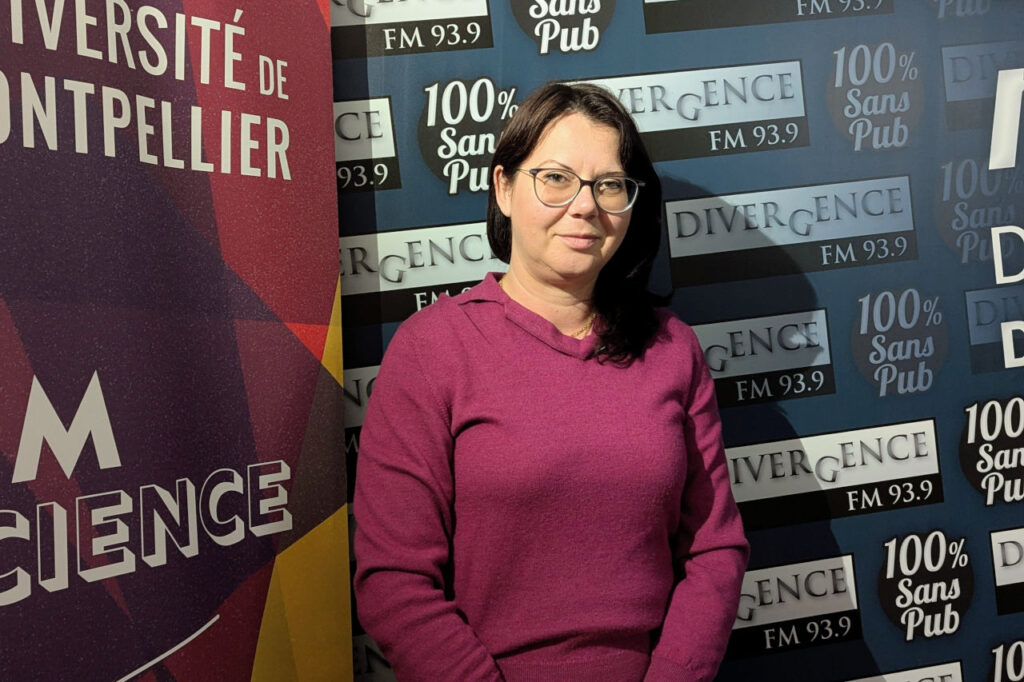
Madalina Croitoru is a computer scientist at the Montpellier Laboratory of Computer Science, Robotics, and Microelectronics. While pursuing her doctoral degree in cognitive science with the Epsylon Laboratory, she details the findings of this study:“A child-robot interaction experiment to analyze gender stereotypes in the perception of mathematical abilities.”
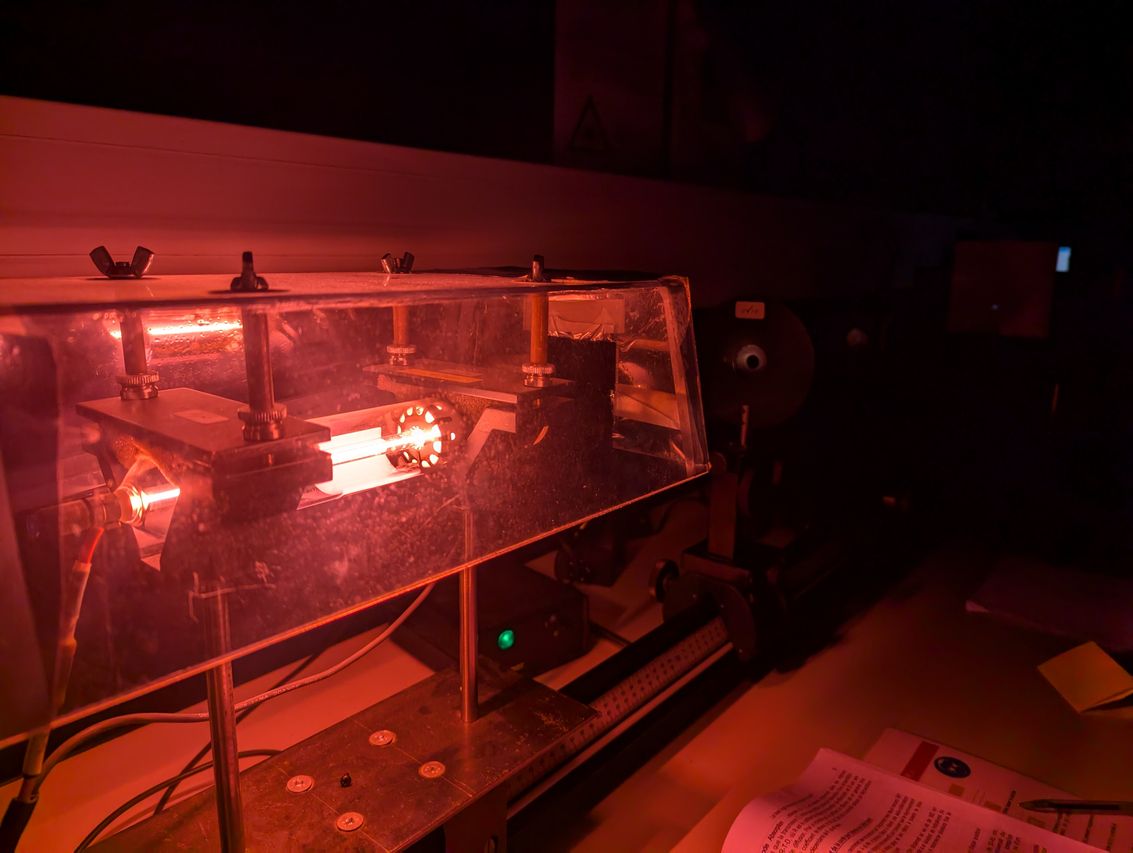
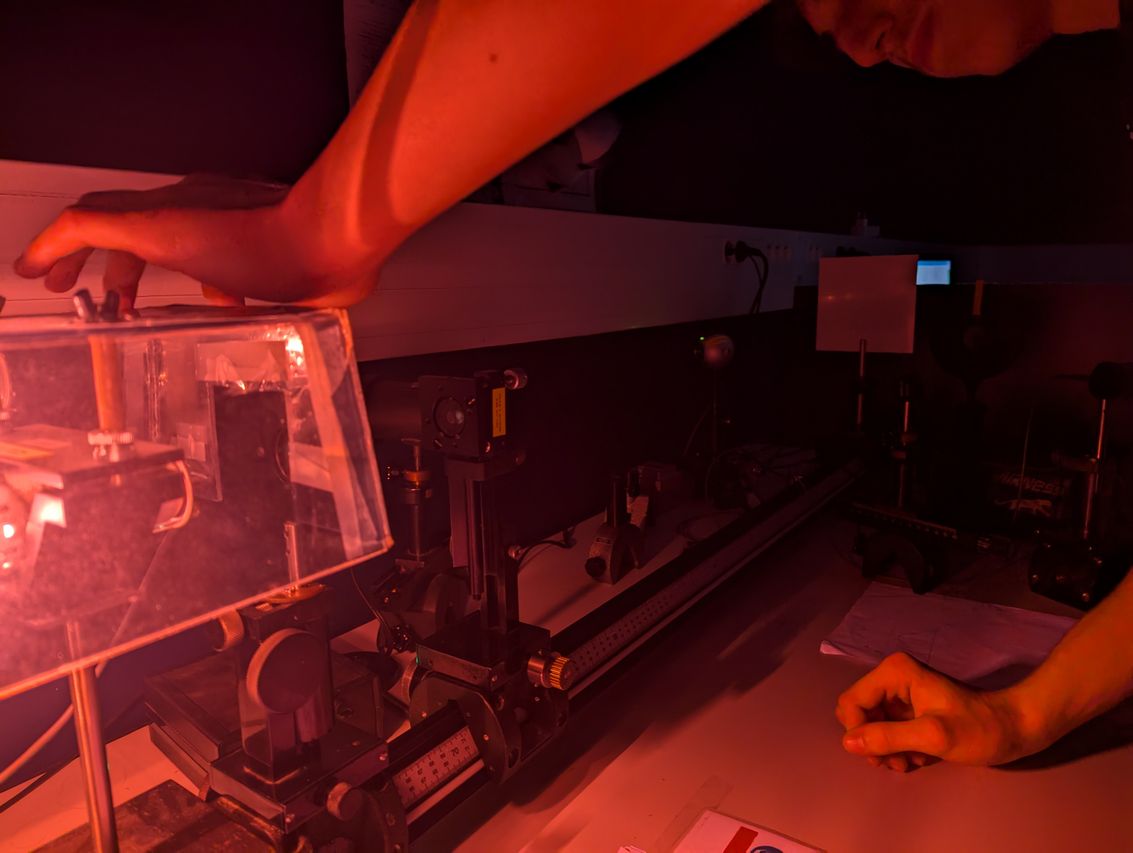
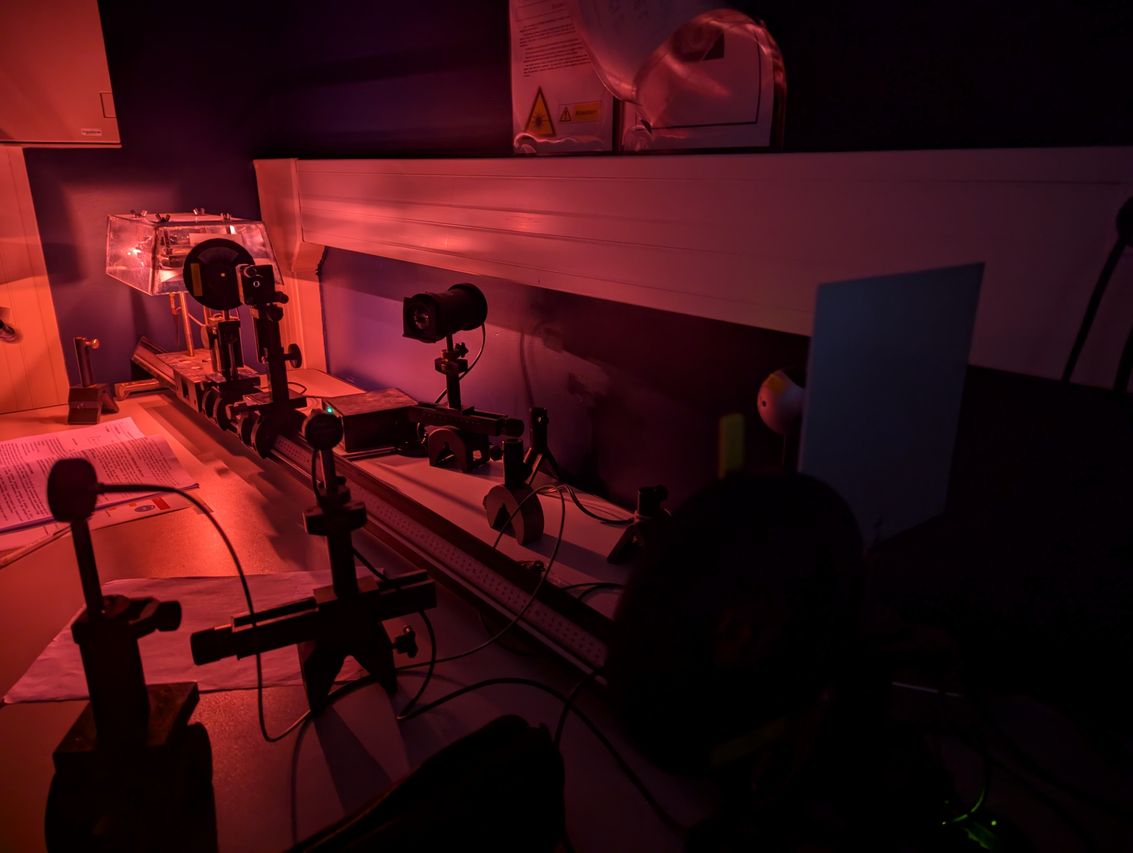
In the second half of the program, we’re staying in the realm of education, as the Faculty of Sciences is hosting us for a few weeks to give us a look at its educational facilities. We’re heading to the Triolet campus to observe lab sessions on waves, electromagnetism, and optics led by Professors s Thierry Guillet and Steeve Cronenberger. This week, two students have four hours to create a laser beam.
At "UM : Science," here's the lineup—let's get started!
Co-production: Divergence FM / University of Montpellier
Host: Lucie Lecherbonnier
Interview: Lucie Lecherbonnier / Aline Périault
Reporting and editing: Lucie Lecherbonnier
Director: Robin Laillou
Listen to the show “A l’UM la science” on Divergence FM 93.9

Check out theUM podcasts, now available on your favorite platform (Spotify, Deezer, Apple Podcasts, Amazon Music, etc.).