UM atUM [S02-ep13]: From the Resilience of Teeth to the Hummingbird
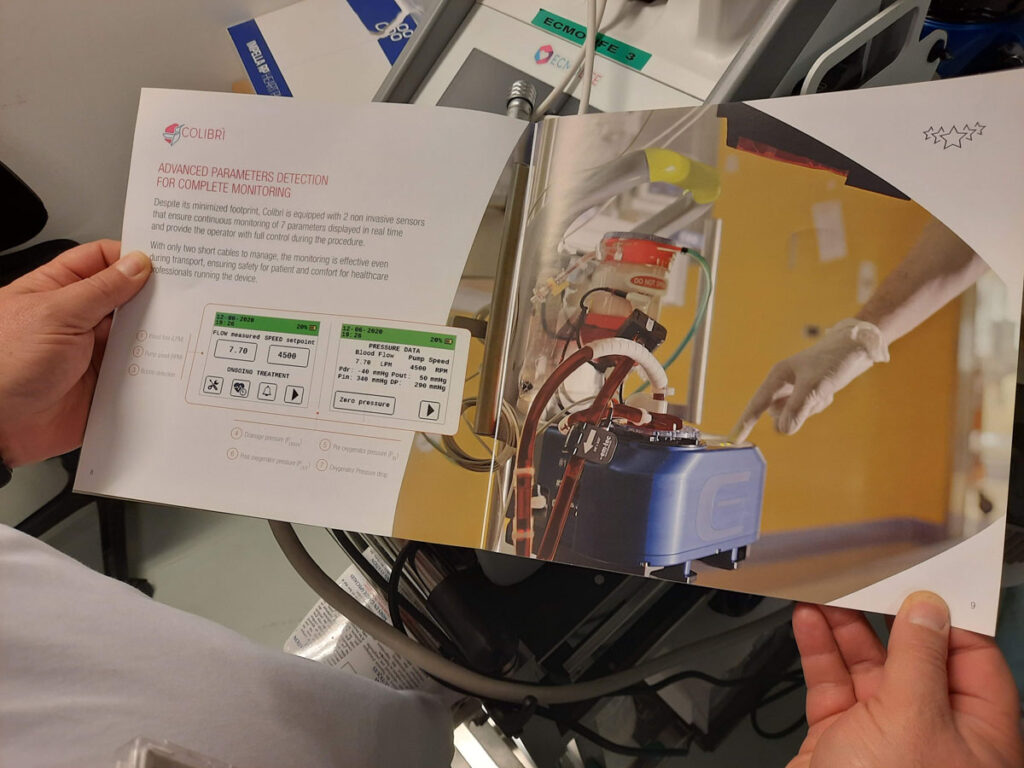
This week on *AUM science*, Alban Desoutter and Frédéric Cuisinier from the LBN discuss the folds in tooth enamel, a discovery that could explain why our teeth are so strong. The segment also introduces you to Colibri, the world’s lightest extracorporeal circulatory support system, and Jean-Paul Udave invites you to a lecture on the constitutional principle of secularism.
To have a big appetite, or to have a grudge against someone—often a stubborn one, or why not a hollow one if you’ve got fangs. Fangs to bite into life with gusto or, on the contrary, to gnash your teeth until they grind. Expressions referring to our canines, molars, and other incisors pepper our vocabulary, reflecting the importance we place on our teeth. In psychoanalysis, Carl Jung and others even interpreted dreams featuring falling teeth as a sign of fear or resistance to change. Don’t smile, though, because it’s undoubtedly to spare the little ones from breaking their teeth on this anxiety that our imaginations, armed to the teeth, finally gave birth to a mouse—to retrieve those little teeth and restore peace of mind without waiting for the chickens to grow teeth.
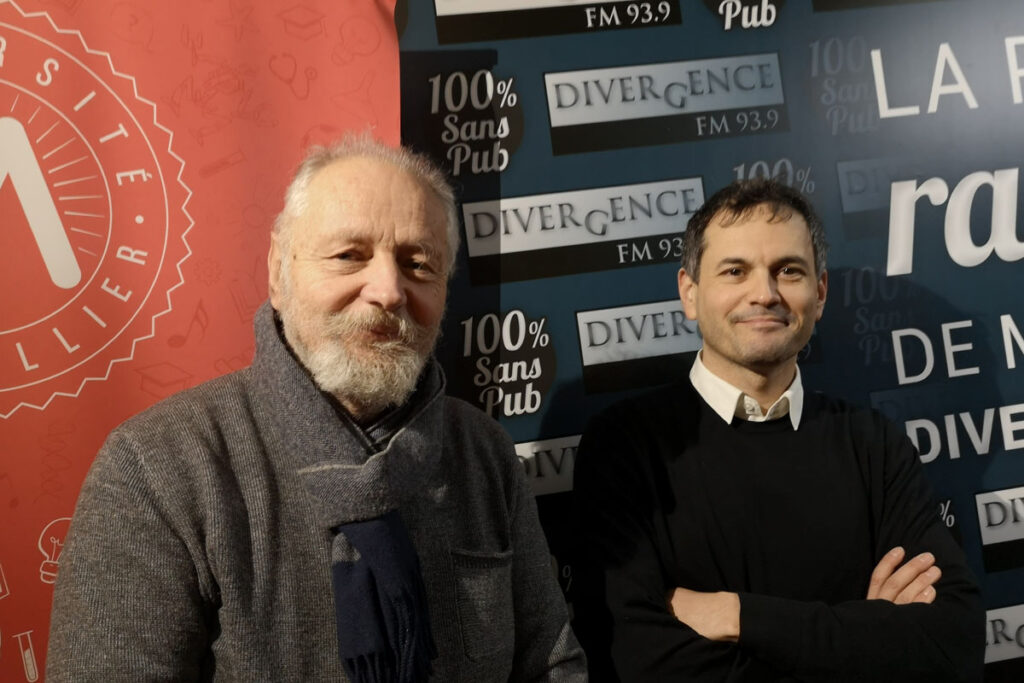
As you can see, today’s topic has us wide-eyed as we discuss a scientific discovery that could explain why our teeth are so strong. Alban Desoutter and Frédéric Cuisinier both work at the Bioengineering and Nanosciences Laboratory in Montpellier—the former as a technical assistant and doctoral student, the latter as Professor. Using 3D technology, they discovered a mysterious structure hidden deep within our teeth, which they’ve dubbed “enamel drapes.” Their findings were published in the journal *Archives of Oral Biology*.
Recommended reading:
Publication: “Human Tooth Enamel Tuft Drapes Revealed by Microtomography,” A . Desoutter, I. Panayotov, F. Cuisinier, D. Carayon, *Archives of Oral Biology*, September 2022.
Draped tufts: A 3D-revealed tooth structure may finally explain its high strength, Sciences et avenir, November 18, 2022
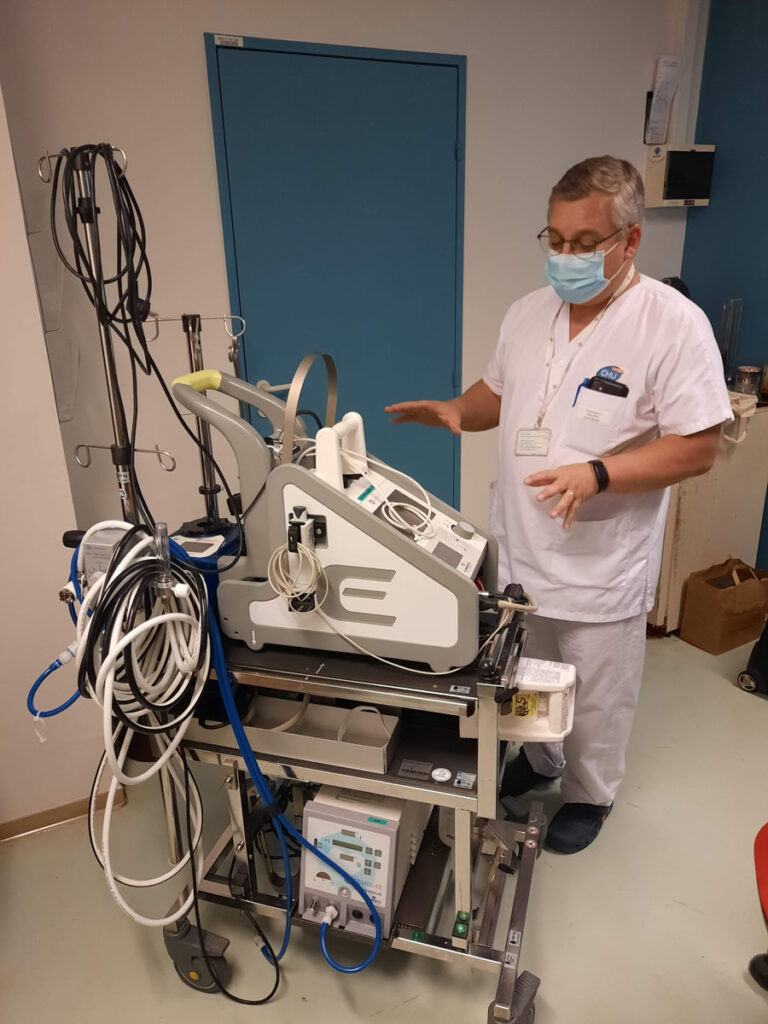
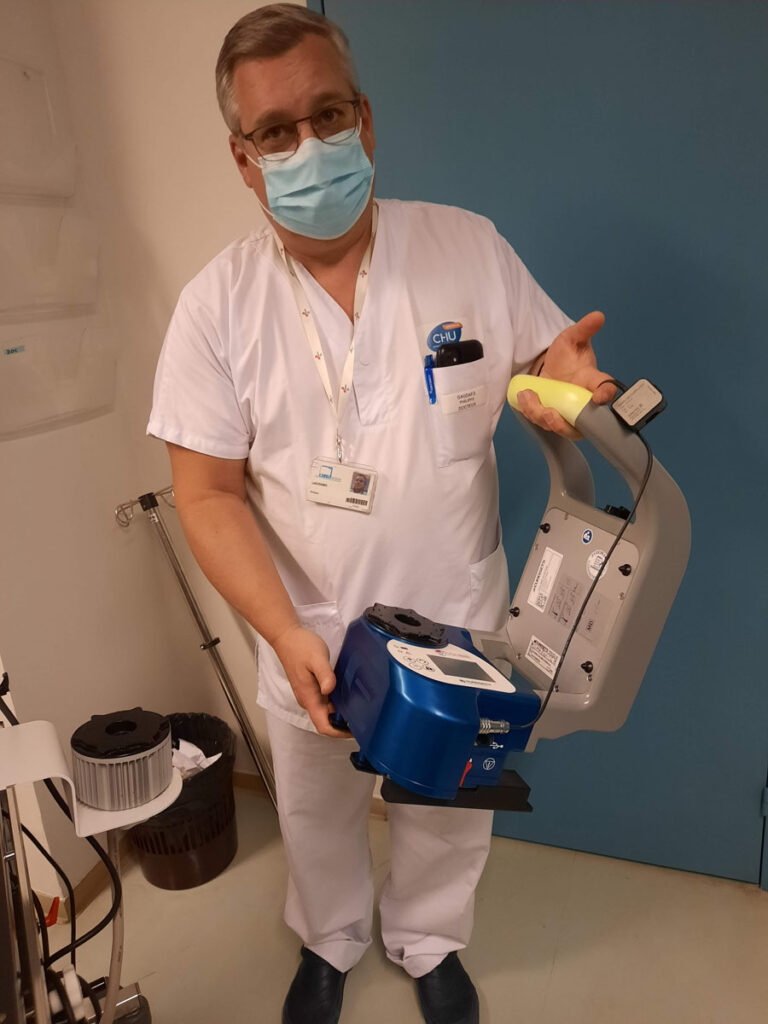
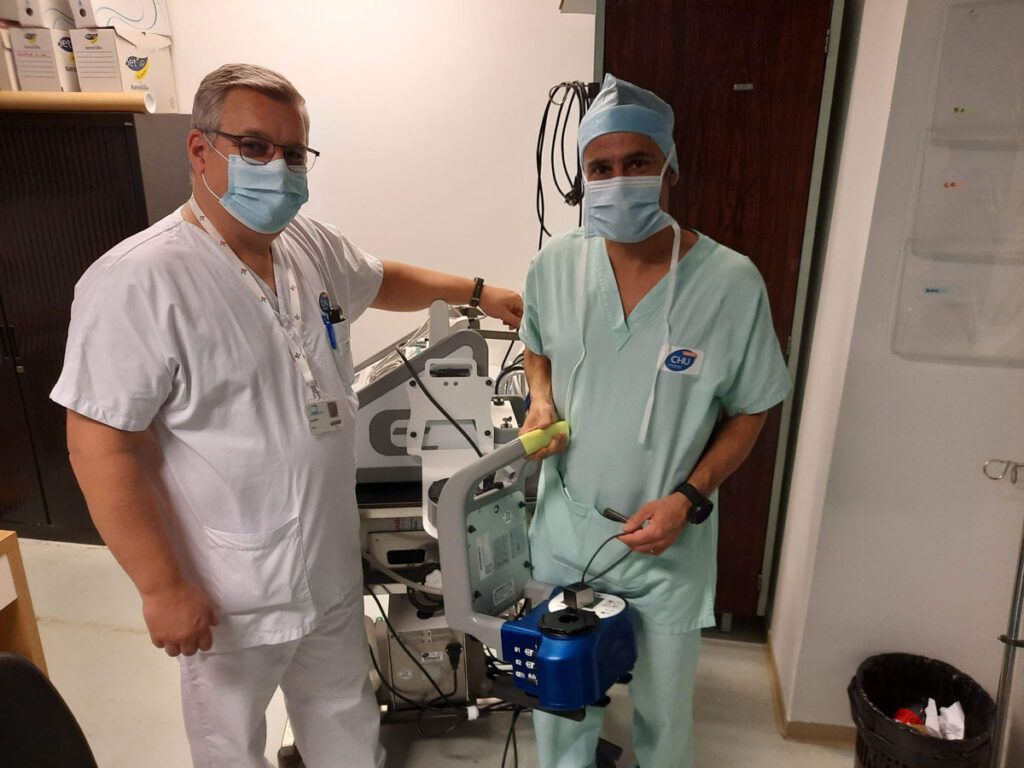
In the second half of the program, we’ll take you to Montpellier University Hospital—specifically to the Anesthesia and Intensive Care Unit at Arnaud de Villeneuve Hospital—where Dr. Philippe Gaudard will introduce us to the Colibri, the world’s lightest extracorporeal circulatory support system.
Finally, our last guest is Jean-Paul Udave, who serves as the secularism advisor at the University of Montpellier and is organizing the lecture on the constitutional principle of secularism to be given on February1 at the Aimé Shoening Student Center (Richter Campus) by Gwénaële Calvès, a professor of public law at the University of Cergy-Pontoise.
AtUM , you’ve got the schedule—let’s get started!
Co-production: Divergence FM / University of Montpellier
Host: Lucie Lecherbonnier
Interview: Lucie Lecherbonnier / Aline Périault
Reporting and editing: Aline Périault
Director: Tom Chevalier
Check out theUM podcasts,UM available on your favorite platform (Spotify, Deezer, Apple Podcasts, Amazon Music, etc.).