"UM : Science" [S02-ep17]: The Impact of Menstrual Products on Women's Health on BioWooEB
This week on *A l’UM * science, Ignacio Bravo, a virologist at Mivegec, shares a rare comparative study on the impact of tampons and menstrual cups on women’s health. The report takes you to the BioWooEB laboratory—which focuses on biomass, wood, energy, and bioproducts—along with François Pinta and Kévin Candelier. Finally, Agnès Pesenti invites you to the next Science Bar on March 16 at Le Dôme. The show airs every Wednesday at 6 p.m. on DivergenceFM-93.9. You can also find us on your podcast platform.
And on this March 8, 2023—International Women’s Rights Day—we’ve obviously found a topic for you… that’s a bit out there! I can already hear you saying:“It’s the same thing every year—we’re supposed to be talking about the fight for women’s rights, but we always get the same old drawings of uteruses and clitorises, the same debates about time off for painful periods! ” As if our identities, our questions as women, our realizations, and the ways we engage with the world to make policy couldn’t break free from the frills of our panties and our mythical feminine nature.
So no! Absolutely not! We weren’t planning on talking about “down there” on a day like this. And then we came across this study, which began with this simple observation:“There are relatively few studies on the impact of menstrual products on women’s health.” So there are studies on the impact that the coffee I drink in the morning or my sedentary lifestyle at work might have on my health, studies on the impact of watermelon-flavored e-cigarettes, time spent on the TikTok app, or pigeon droppings—but there are few, if any, studies on the impact that menstrual products have on women’s health. Yet in terms of consumption, French women alone use more than 5 billion sanitary products every year. Historically speaking, the phenomenon isn’t exactly new either, since the use of the very first tampons is said to date back to ancient Egypt, and women have presumably continued to menstruate ever since. In fact, this observation alone serves as a reminder of just how much, even in 2023, talking about “vaginas” in a patriarchal society still amounts to making a political statement.
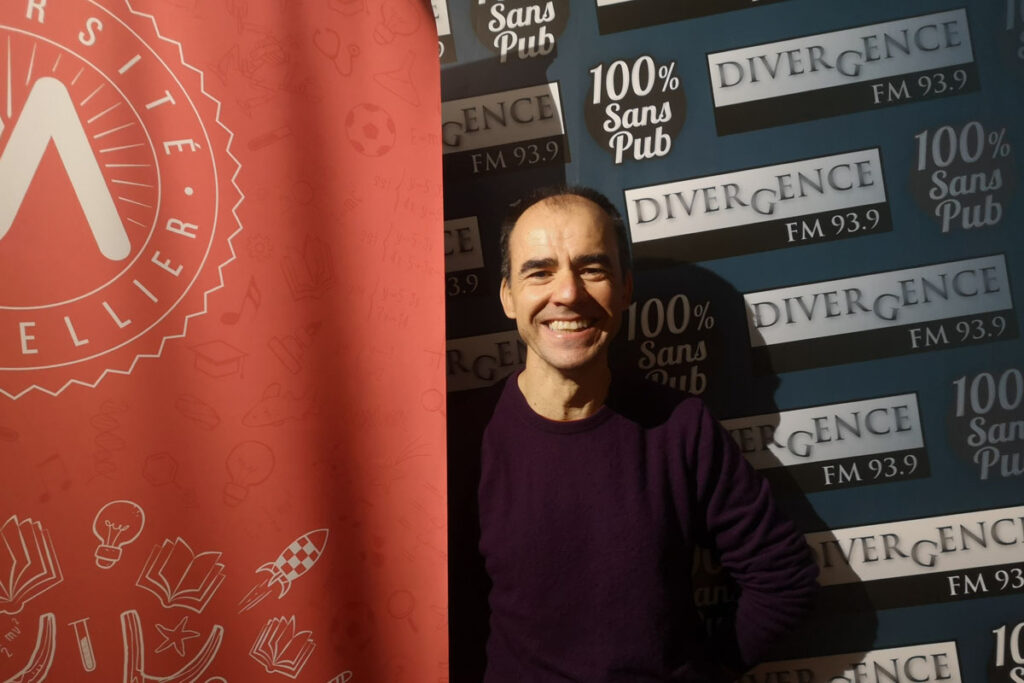
Our guest today is neither a political scientist, nor a sociologist, nor a women’s rights expert. Ignacio Bravo is a virology expert at the Mivegec Laboratory for Infectious Diseases and Vectors: Ecology, Genetics, Evolution, and Control. He participated in this comparative study of the immune profiles and vaginal microbiota of users of tampons and menstrual cups. This study was published in the journal *Molecular Ecology*.
Recommended reading:
CNRS Press Release: Comparison of Immune Profiles Between Menstrual Cups and Tampons.
Article: Does Exposure to Different Menstrual Products Affect the Vaginal Environment?
In the second half of the program, we’ll take you to the BioWooEB laboratory—specializing in biomass, wood, energy, and bioproducts—along with François Pinta and Kévin Candelier.
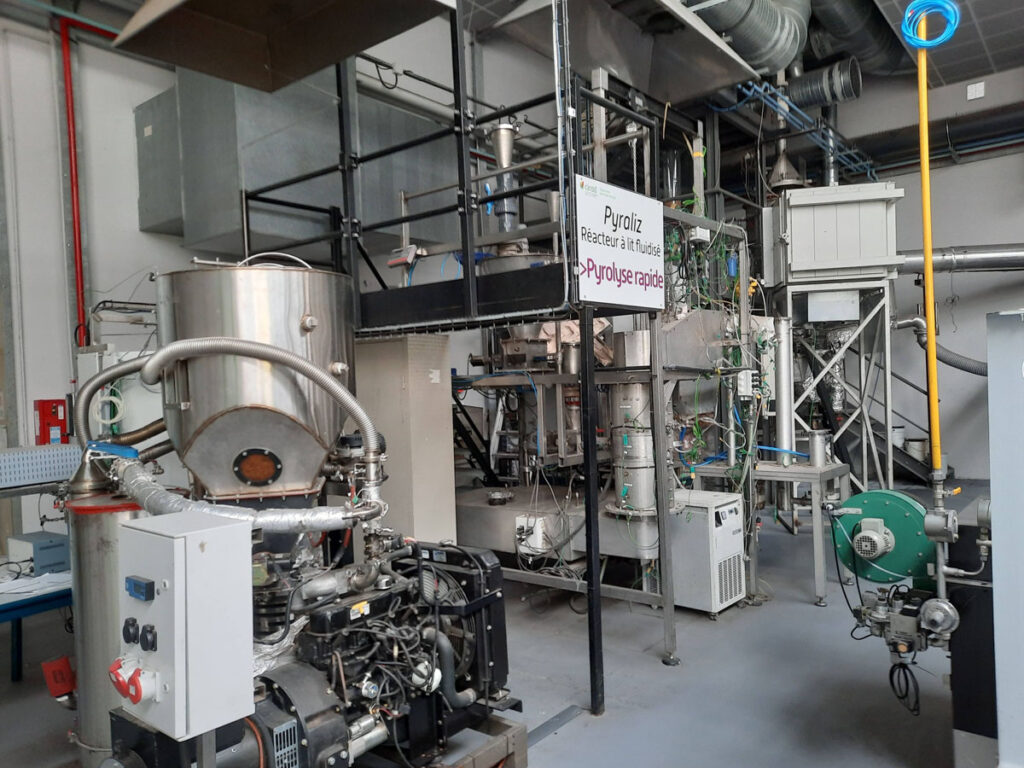
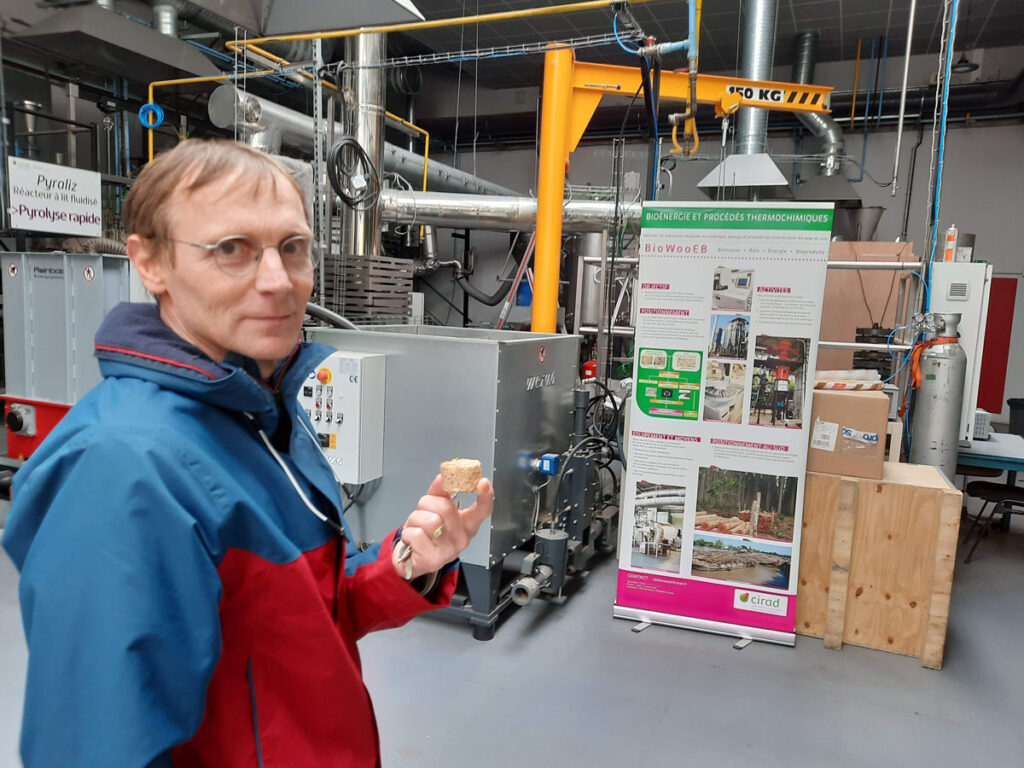
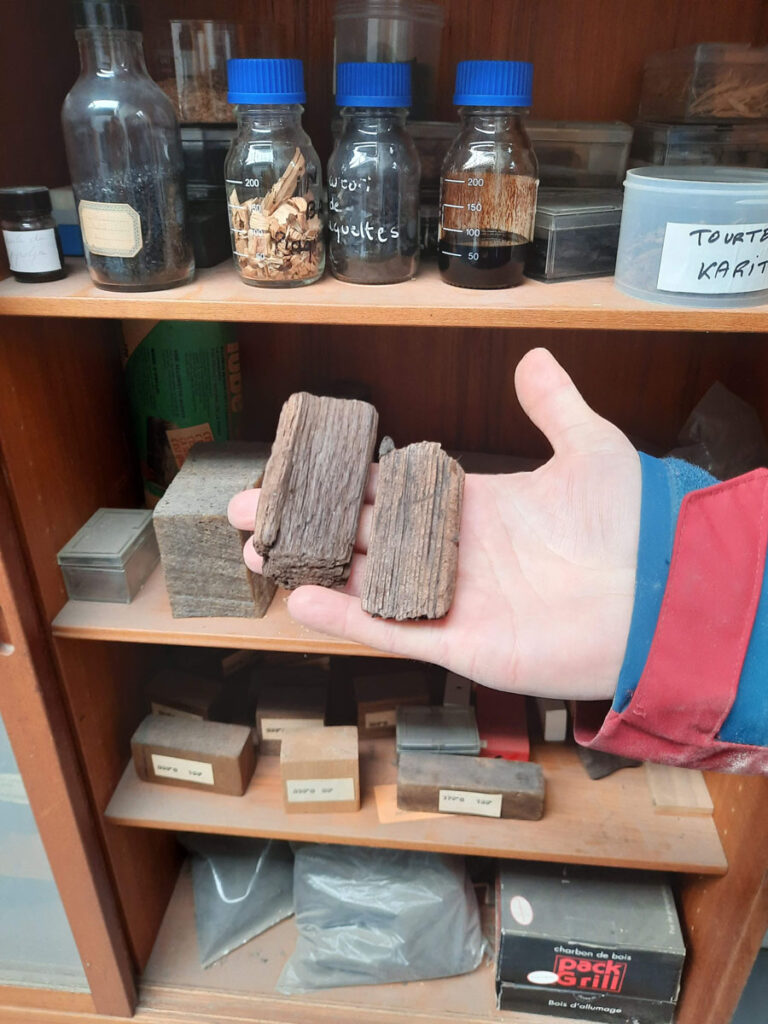
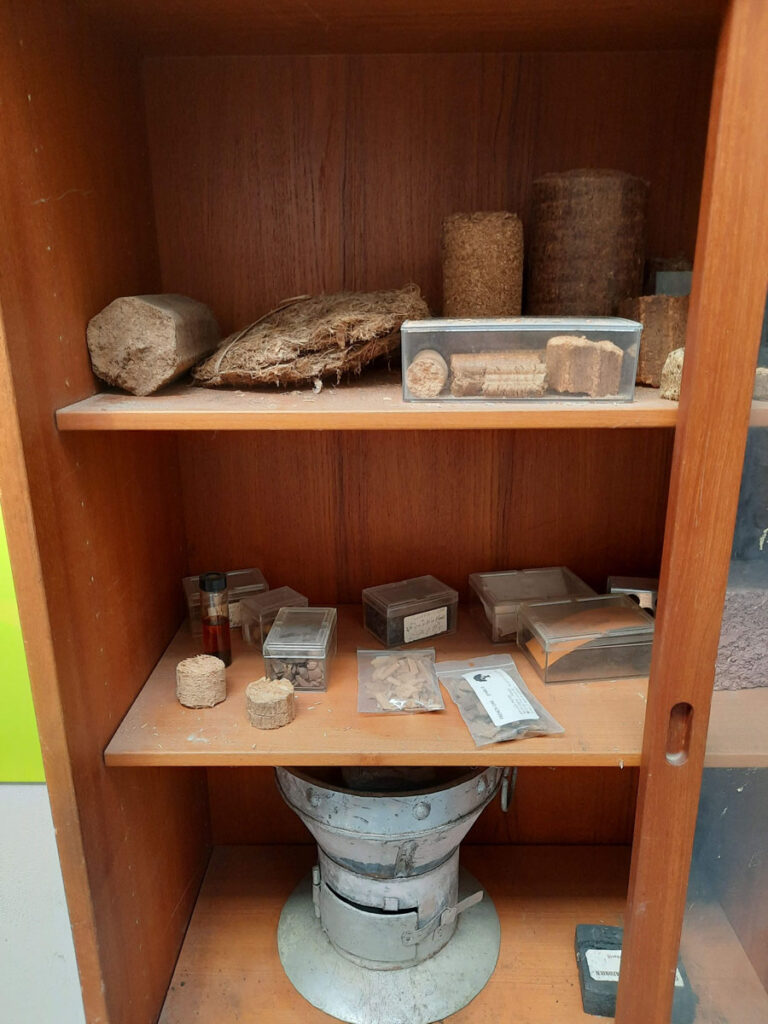
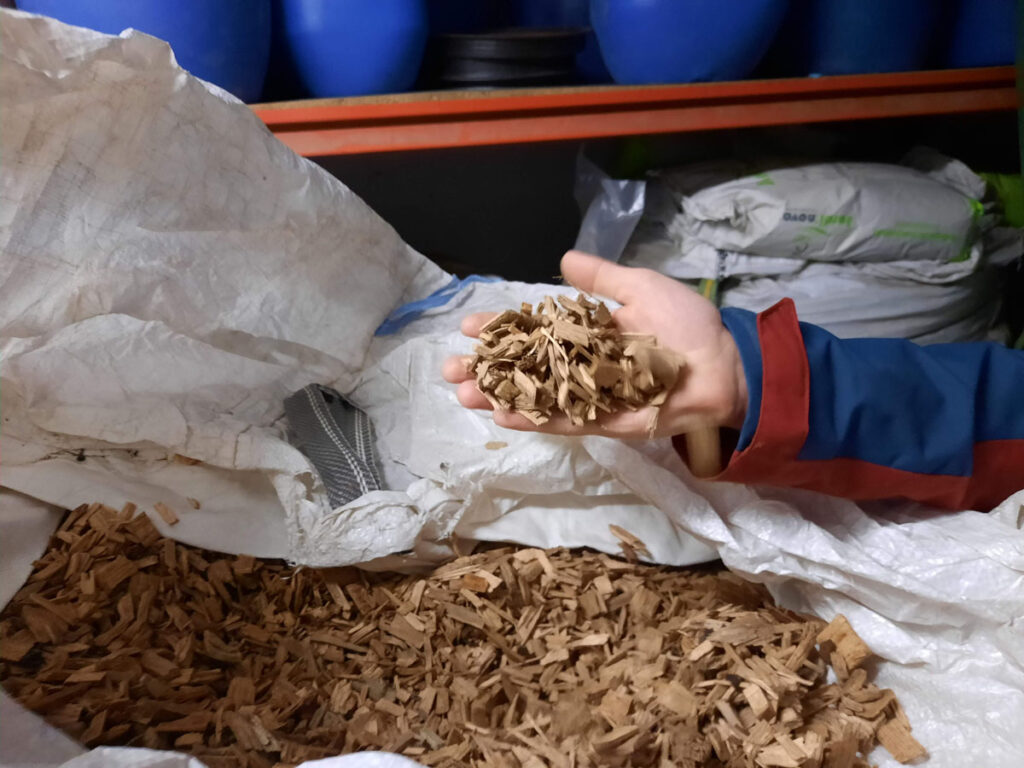
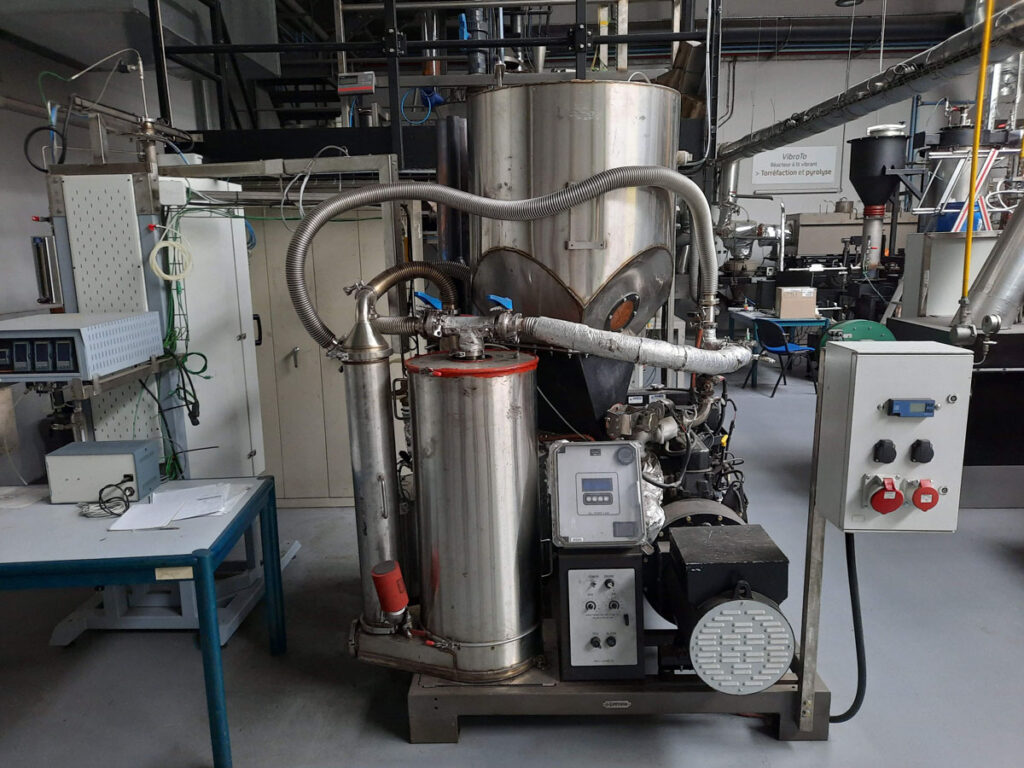
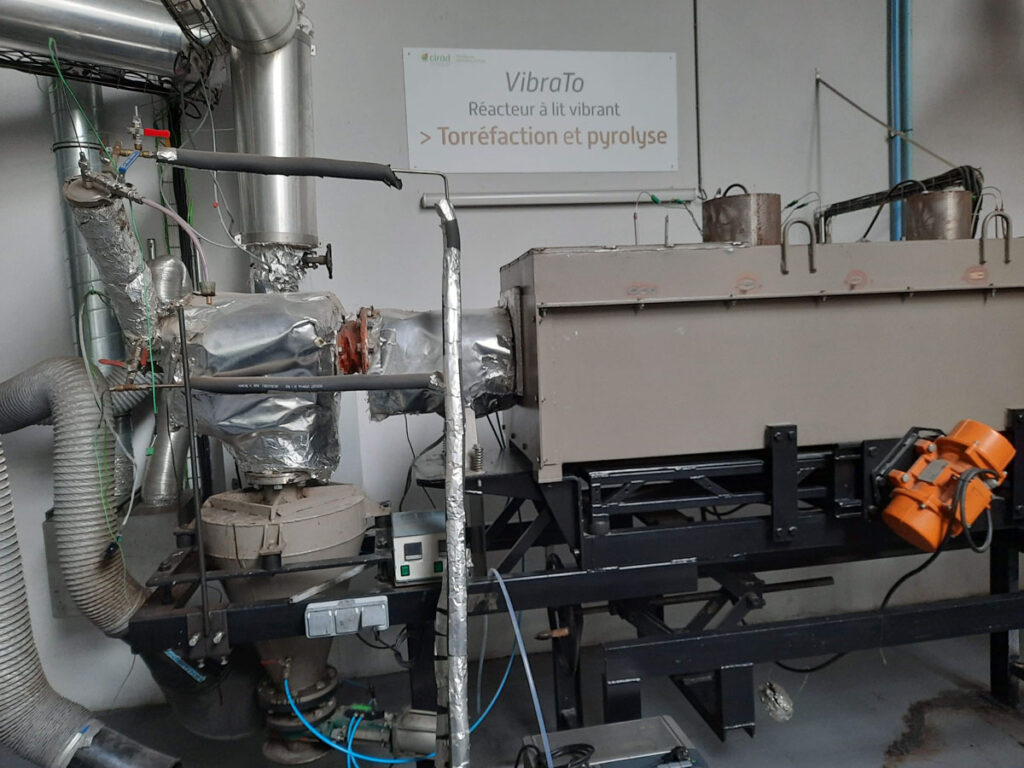
Finally, Agnès Pesenti, head of the scientific culture department at the University of Montpellier, will join us to discuss Brain Awareness Week, as the next Bar des sciences is partnering with this event for a discussion on the topic “Well-being in Education: How and Why?” It will take place on March 16 at 8:00 p.m. at the Brasserie le Dôme.
At "UM : Science," here's the lineup—let's get started!
Co-production: Divergence FM / University of Montpellier
Host: Lucie Lecherbonnier
Interview: Lucie Lecherbonnier / Aline Périault
Reporting and editing: Aline Périault
Director: Tom Chevalier
Listen to the show “A l’UM la science” on Divergence FM 93.9
Check out theUM podcasts, now available on your favorite platform (Spotify, Deezer, Apple Podcasts, Amazon Music, etc.).