Science at theUM [S03-ep18]: Evaluating Payments for Environmental Services
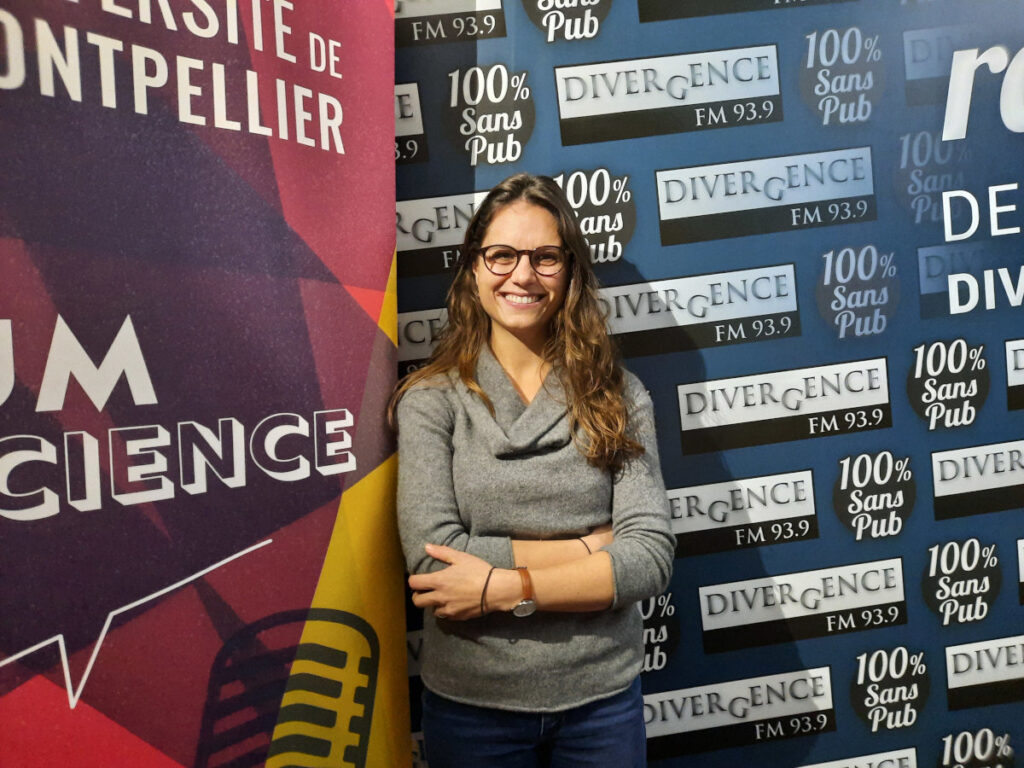
This week on *A l’UM : Science*, we’re discussing REDD+—initiatives aimed at reducing deforestation. The story takes place in Brazil, and we’re joined by Gabriela Demarchi, an economist at the Moisa Laboratory. The report takes us to Baillarguet, on the roof of the Ecotron, with Damien Landais, head of the Macrocosme platform. The show airs every Wednesday at 6 p.m. on Divergence-FM 93.9.
Forests cover 31% of our planet’s land area. But what is a forest? According to the Food and Agriculture Organization of the United Nations (FAO), forests are:“areas of land covering more than 0.5 hectares, with trees taller than 5 meters and a forest cover of more than 10 percent.” ” Of course, they are found on every continent and in both hemispheres, but they also feature prominently on the particularly striking cover of the latest issue of LUM, the University’s science and society magazine, titled for this occasion *The Call of the Forest*.
Throughout these pages, we invite you to embark on a journey to discover these incredible ecosystems. In the far north of Canada, in the lush mangroves of French Guiana, on the small islands of the Pacific, or right here in mainland France, all forests have one thing in common: they are struggling—or even in dire straits—due to climate change, megafires, hurricanes, droughts, and human exploitation. The trees are struggling, as is the biodiversity they harbor. In this issue, we’ll tell you about the iconic Pyrenean bear, the wild boar, and even tiny ants. We’ll also tell you about the Bakas, a people from Cameroon who are trying to survive caught between logging companies and nature reserves.
Between 1990 and 2020, deforestation alone caused the loss of 420 million hectares of forest—roughly seven times the size of France. This is a veritable “green hemorrhage” that international organizations are trying to stem with tools such as the Green Climate Fund and the European Green Deal. One of these flagship programs is REDD+ (Reducing Emissions from Deforestation and Forest Degradation).
Gabriela Demarchi is an economist. After completing her dissertation at CEE-M on the evaluation of REDD+ programs in Brazil, she is now continuing her research at the Moisa Laboratory.
Recommended reading:
- Using publicly available remote sensing data to evaluate REDD+ projects in Brazil, May 2023, in *Global Environmental Change*.
- Sustainability of Avoided Deforestation in a Transamazon REDD+ Project, November 2022, in *Ecological Economics*.
In the second half of the show, we head tothe Ecotron, located on the Baillarguet site, for a new series of reports. We start with the Macrocosmes platform, and Damien Landais, its manager, gives us a tour.
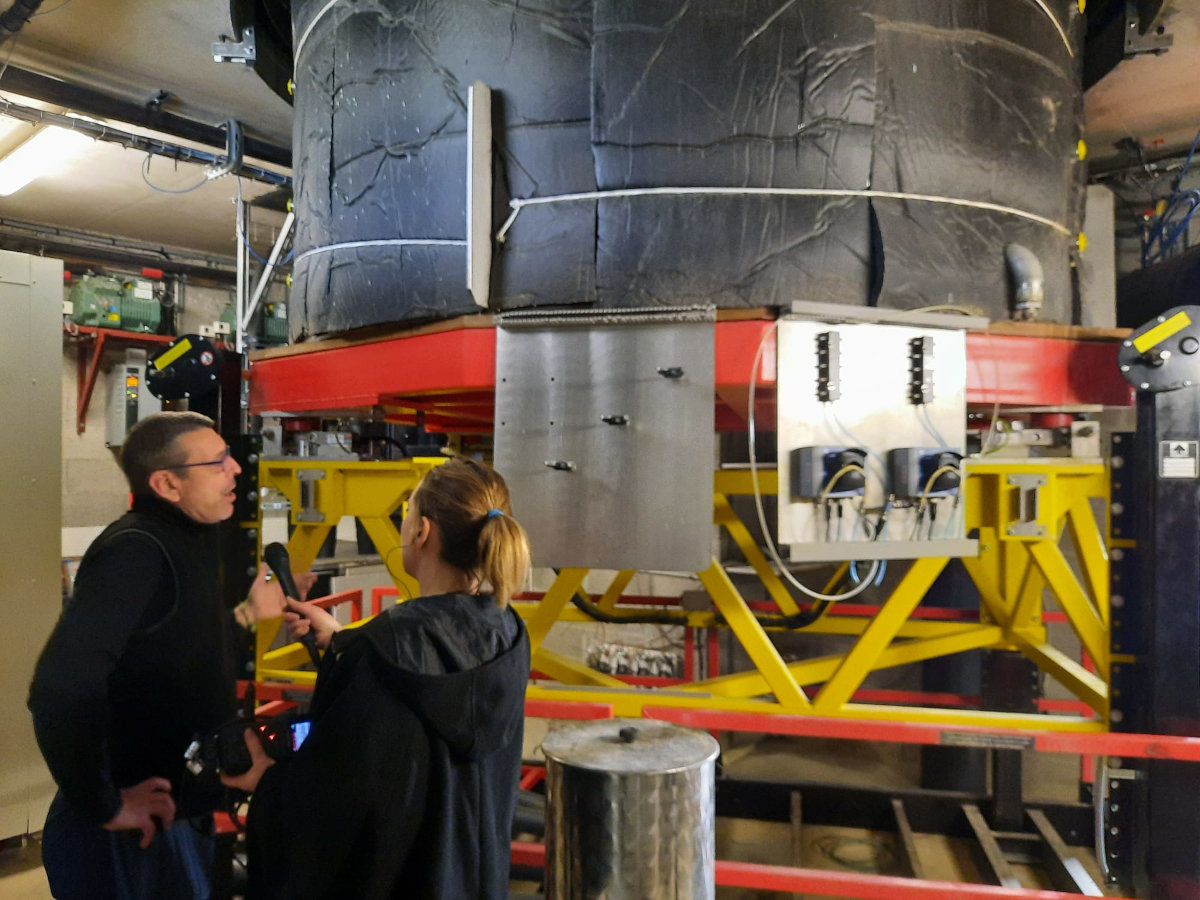
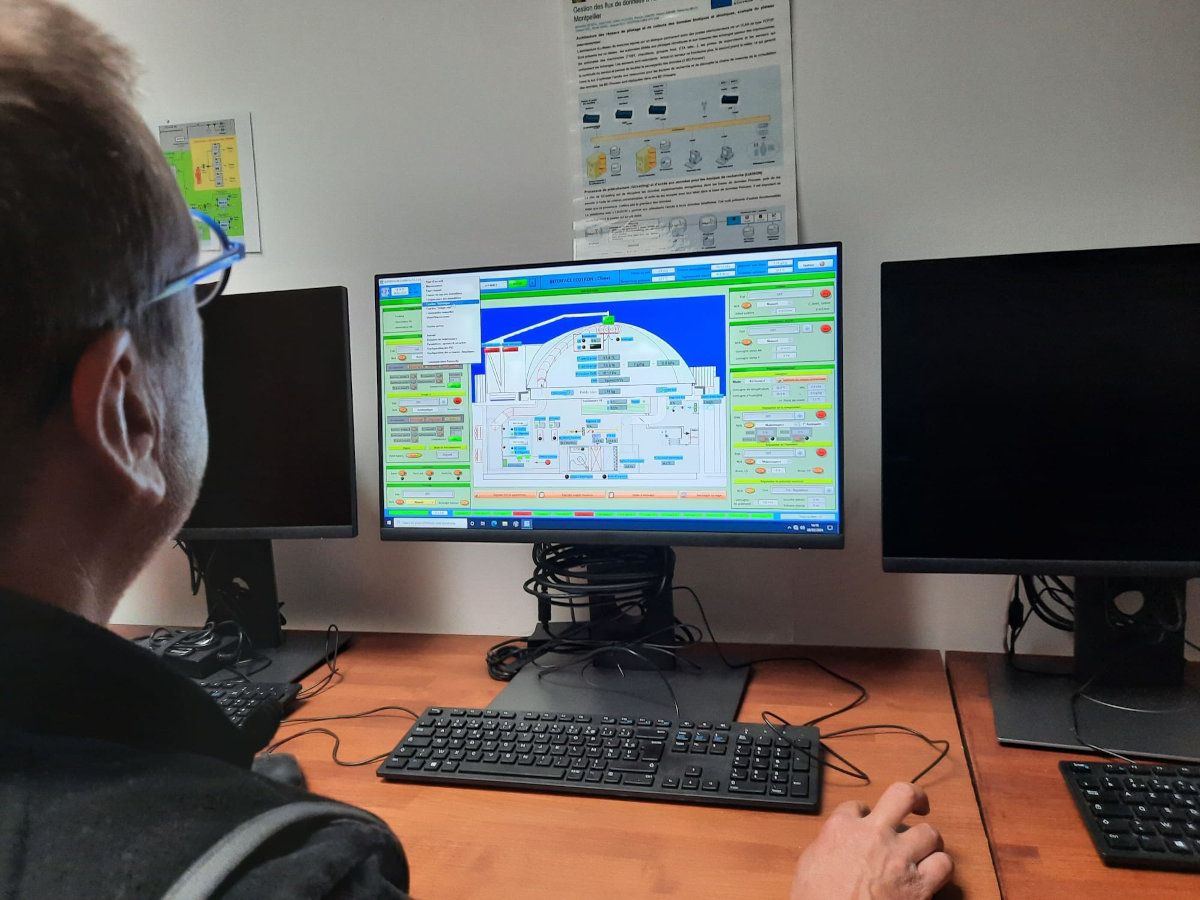
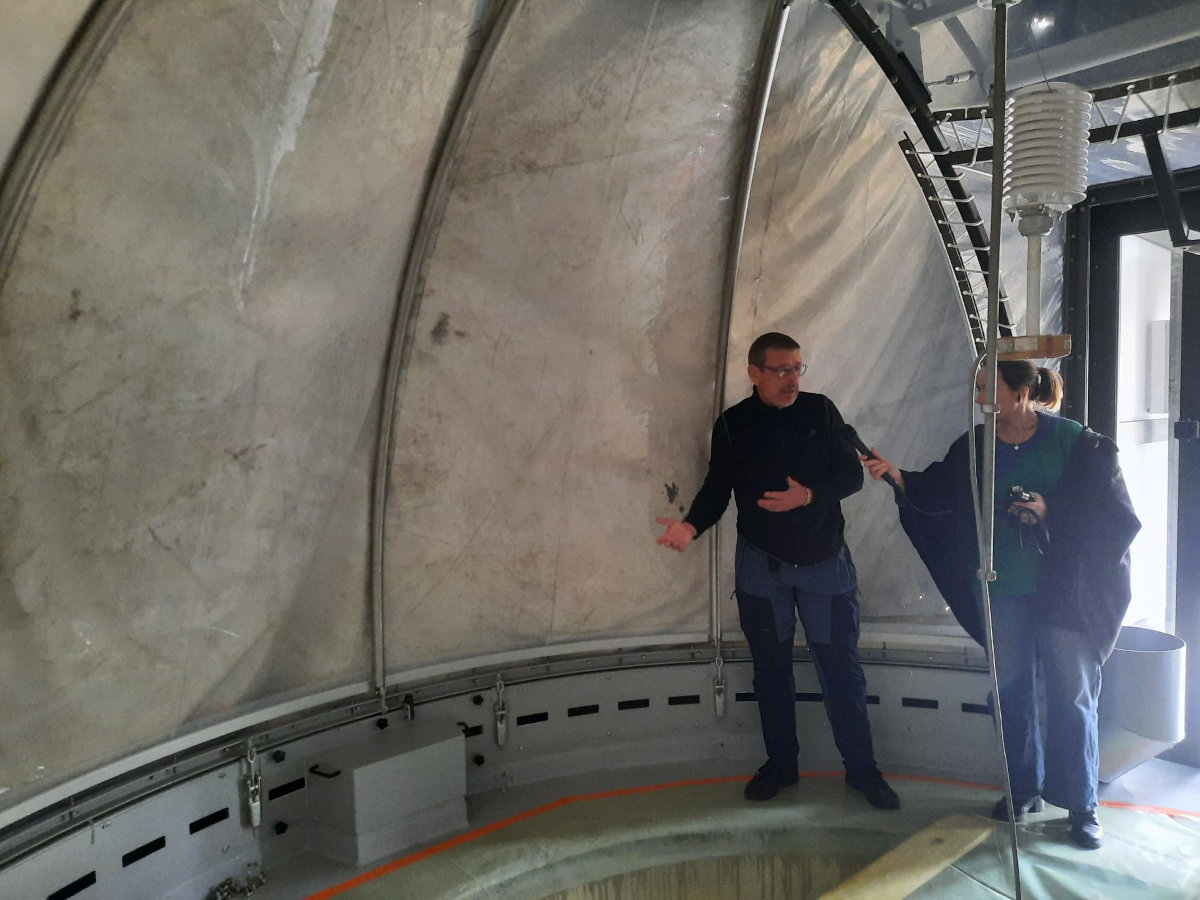
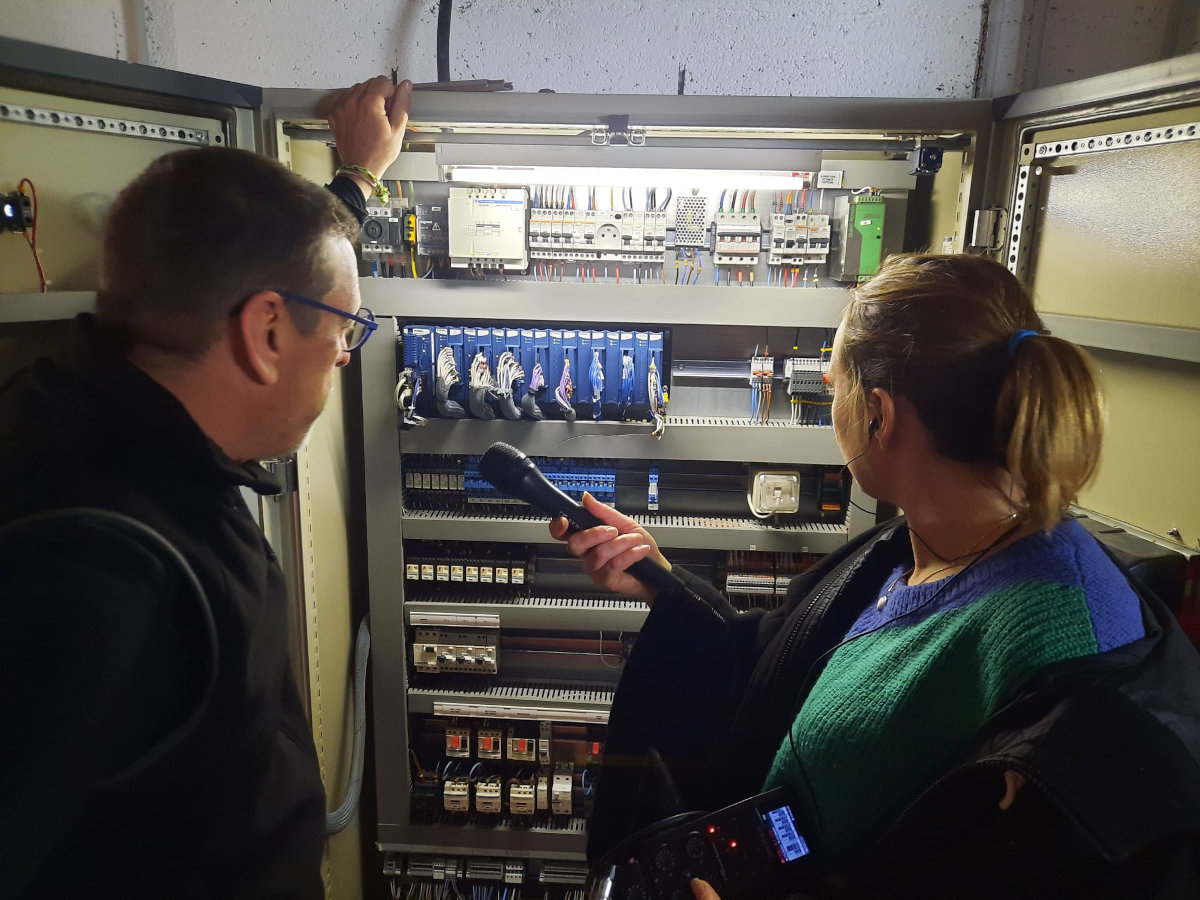
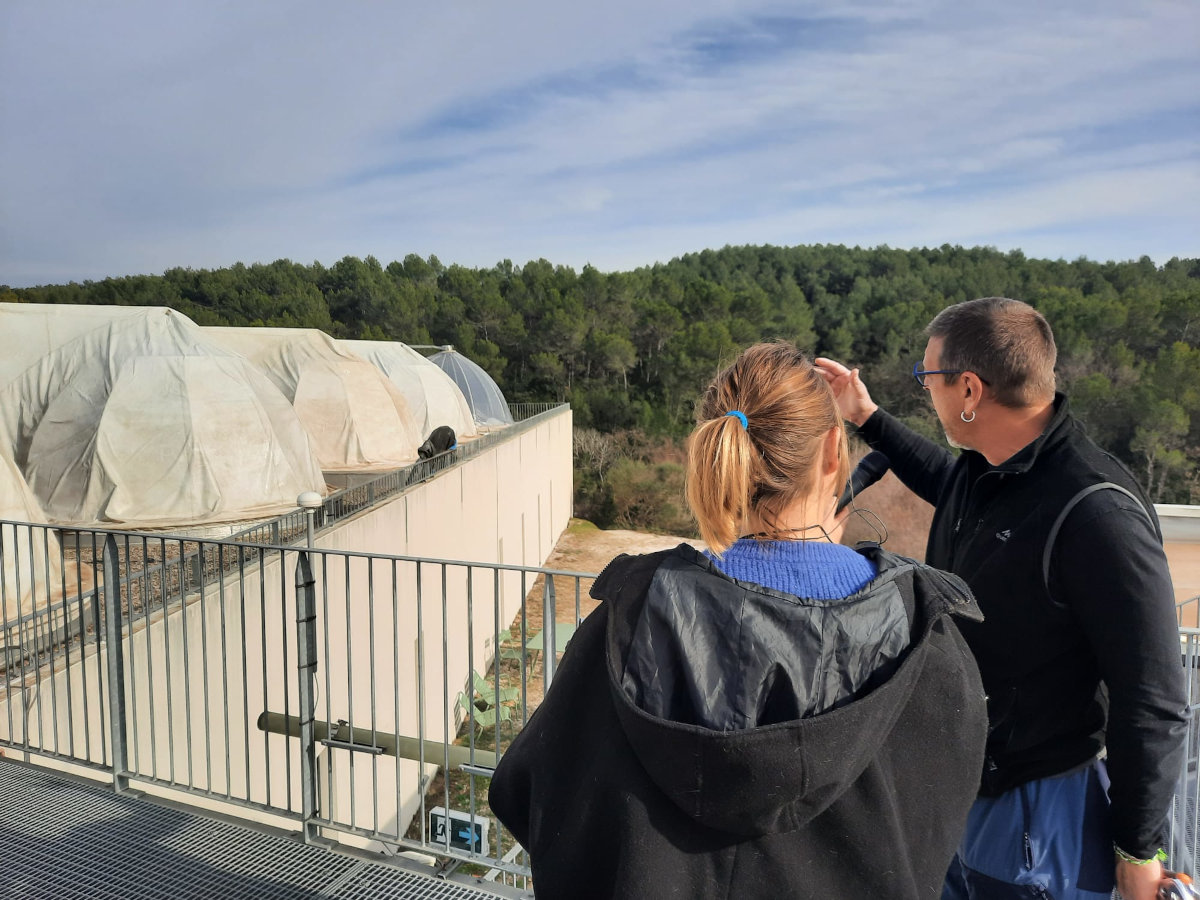
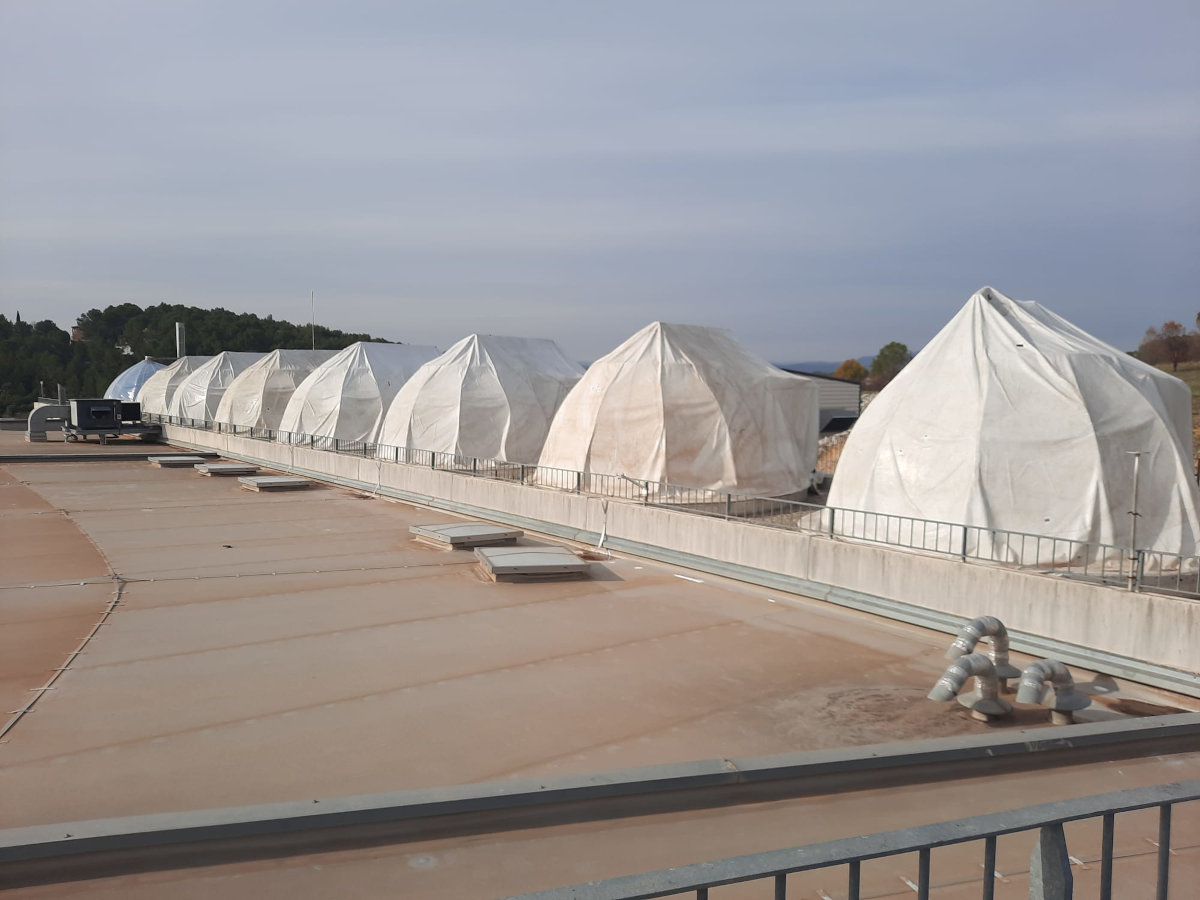
At "UM : Science," here's the lineup—let's get started!
Co-production: Divergence FM / University of Montpellier
Host: Lucie Lecherbonnier
Interview: Aline Périault / Lucie Lecherbonnier
Reporting: Aline Périault, Lucie Lecherbonnier
Editing: Lucie Lecherbonnier
Listen to the show “A l’UM la science” on Divergence FM 93.9
Check out theUM podcasts, now available on your favorite platform (Spotify, Deezer, Apple Podcasts, Amazon Music, etc.).