"UM : Science" [S03-ep21]: The Antipsychotics of Tomorrow
This week on *A l’UM : Science*, we’re discussing a new treatment for schizophrenia with Franck Vandermoere, a researcher at the Institute of Functional Genomics. The report takes us to the Isoflux platform at the Ecotron with Joana Sauze and Clément Piel. The show airs on Divergence-FM 93.9.
If I say “psychosis,” your mind might conjure up that music, as well as the character of Norman Bates and his famously renowned creator, Alfred Hitchcock, but very few of us are able to define what psychosis actually is. According to the VidalMedical Dictionary:“Psychosis is a mental illness that causes, at times, an inability to distinguish between reality and fantasy. Psychoses manifest as hallucinations and delusions. The psychotic individual is unaware of their illness. Their speech and behavior can become so disorganized that they can no longer communicate with the outside world.” Within this umbrella term of “psychosis” are numerous so-called psychotic disorders, such as bipolar disorder, persistent delusional disorders, and the most well-known clinical form: schizophrenia. Here, too, cinema has bombarded us with depictions of the most severe forms of the illness in films like *Black Swan* or *Shutter Island*.
In reality, schizophrenia affects 1% of the world's population. The clinical presentation of the disease varies greatly from one individual to another, with a wide range of possible symptoms: delusions, hallucinations, feelings of persecution, apathy, emotional blunting, disorganization…
All of these symptoms make it difficult to manage and treat this disease. Nevertheless, research continues to advance, and new mechanisms continue to be discovered, paving the way for better treatment options.
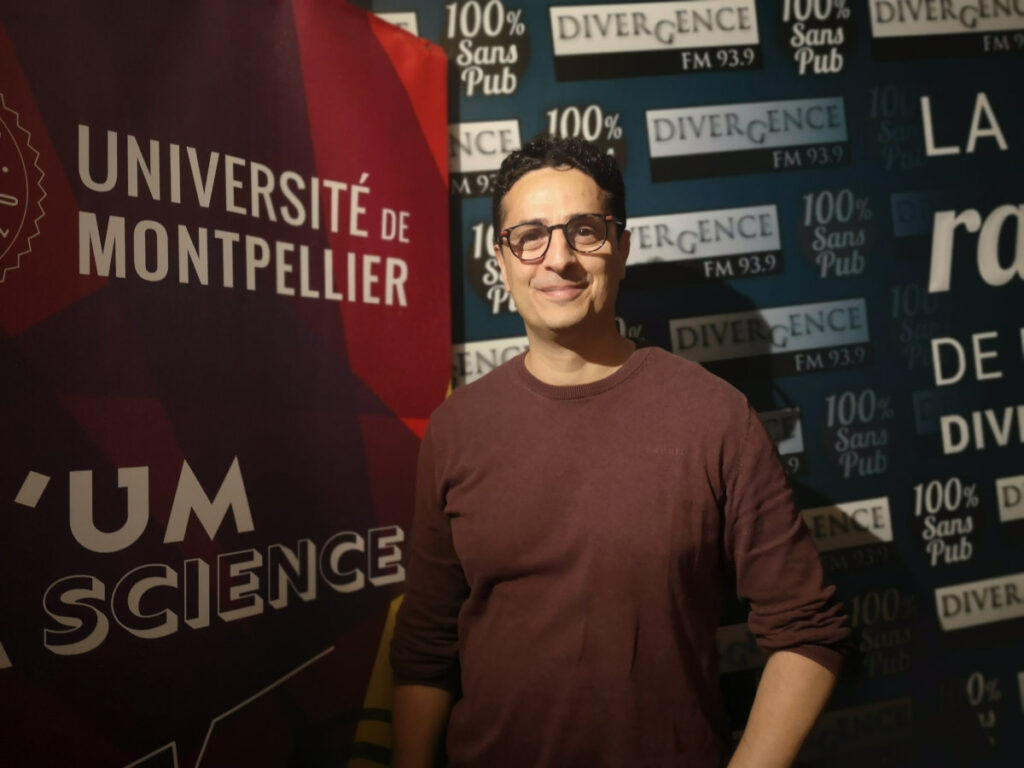
Our guest is Franck Vandermoere, a researcher at the Institute of Functional Genomics. Together with a team from Huazhong University in Wuhan, he has just published a paper in *Science Advances* on a new class of antipsychotics that target the MGlu2 glutamate receptor.
Read the press release:
A New Mechanism of Action for the Antipsychotics of the Future
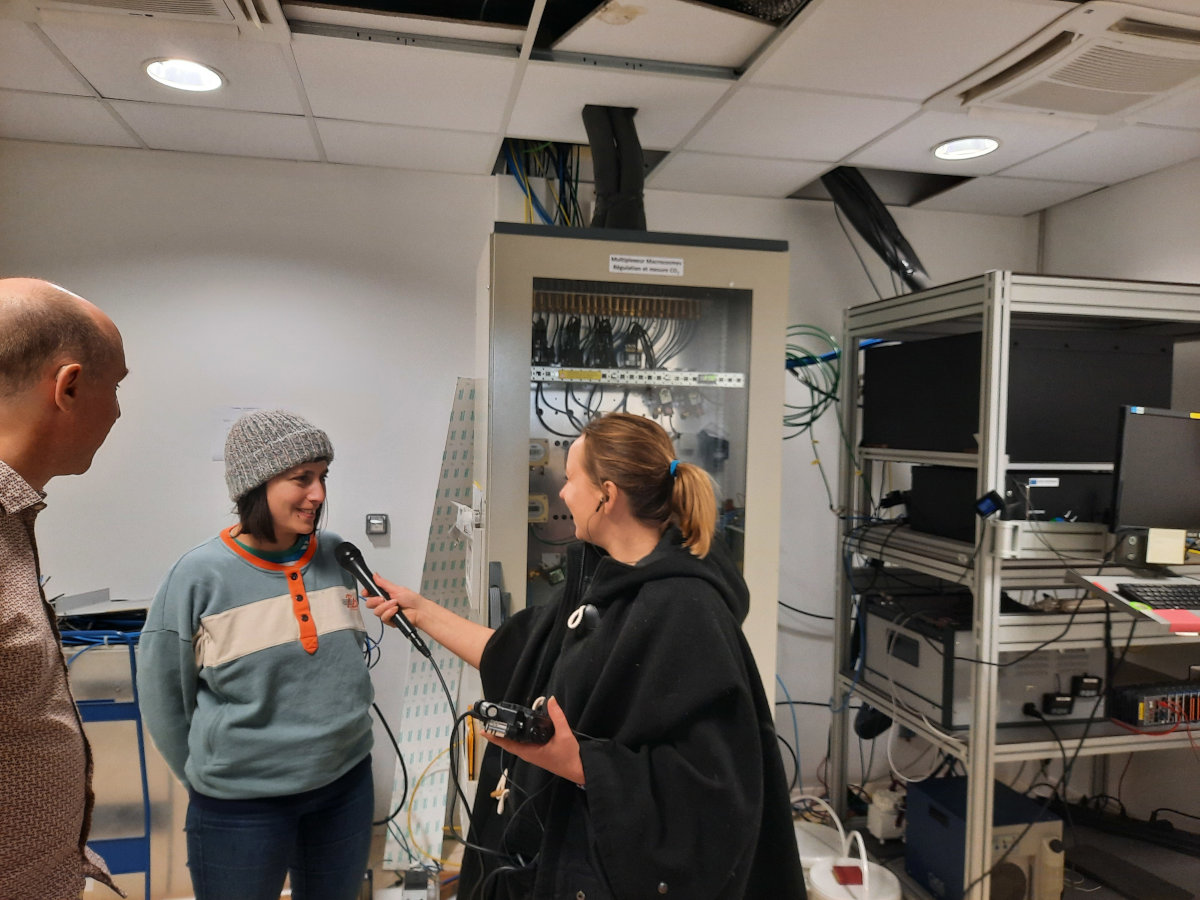
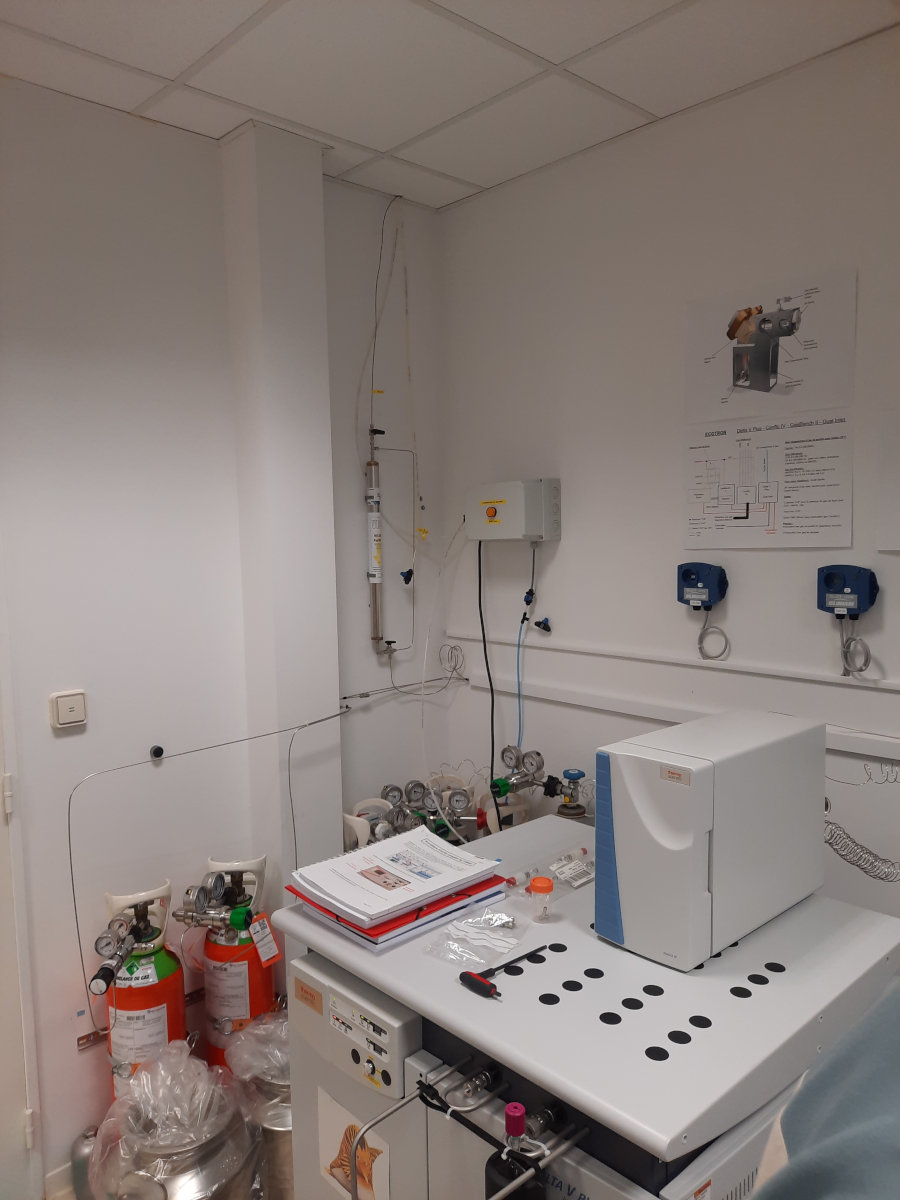
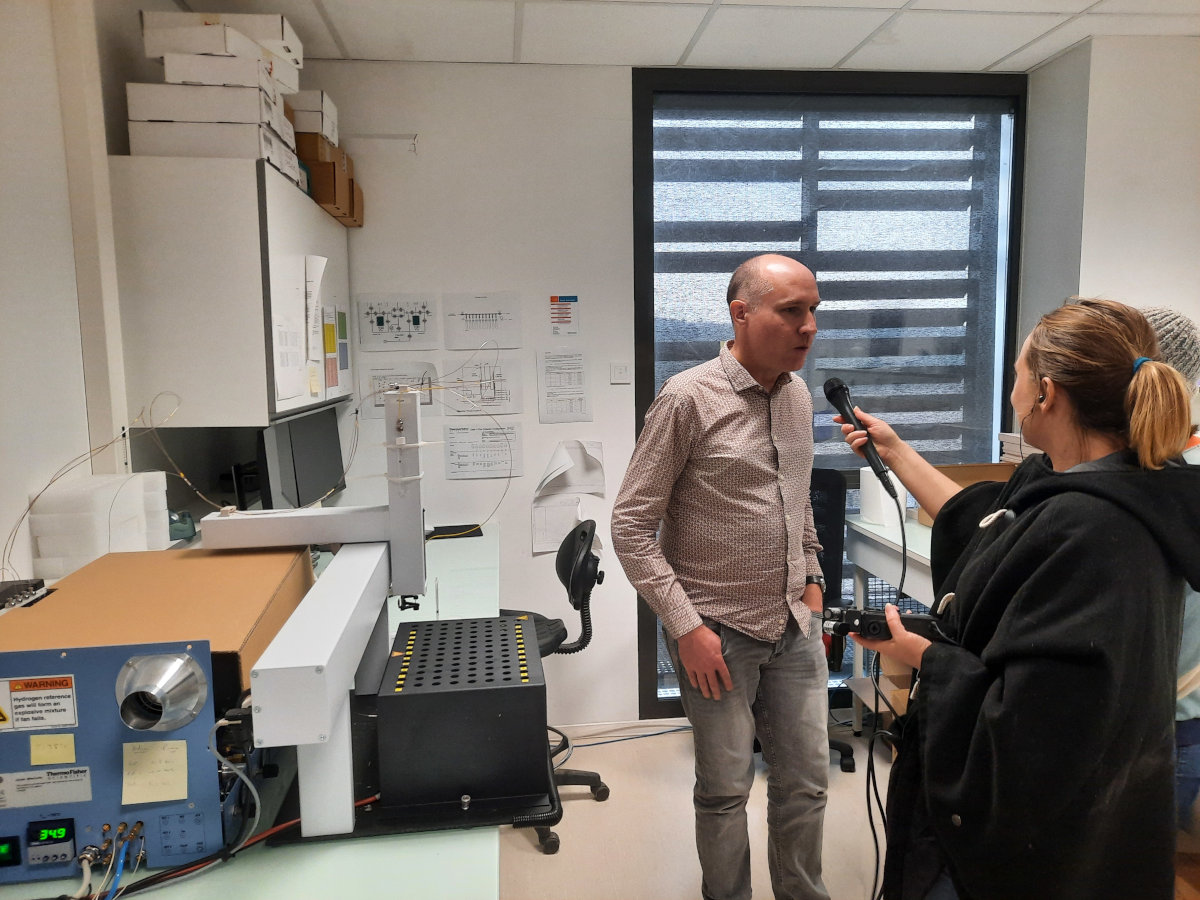
In the second half of the program, we wrap up our tour of the Ecotron with thisfourth and final segment. Joana Sauze and Clément Piel introduce us to the Iso-Flux platform, whose mission is to analyze all gas fluxes—especially greenhouse gases—observed across the three experimental platforms.
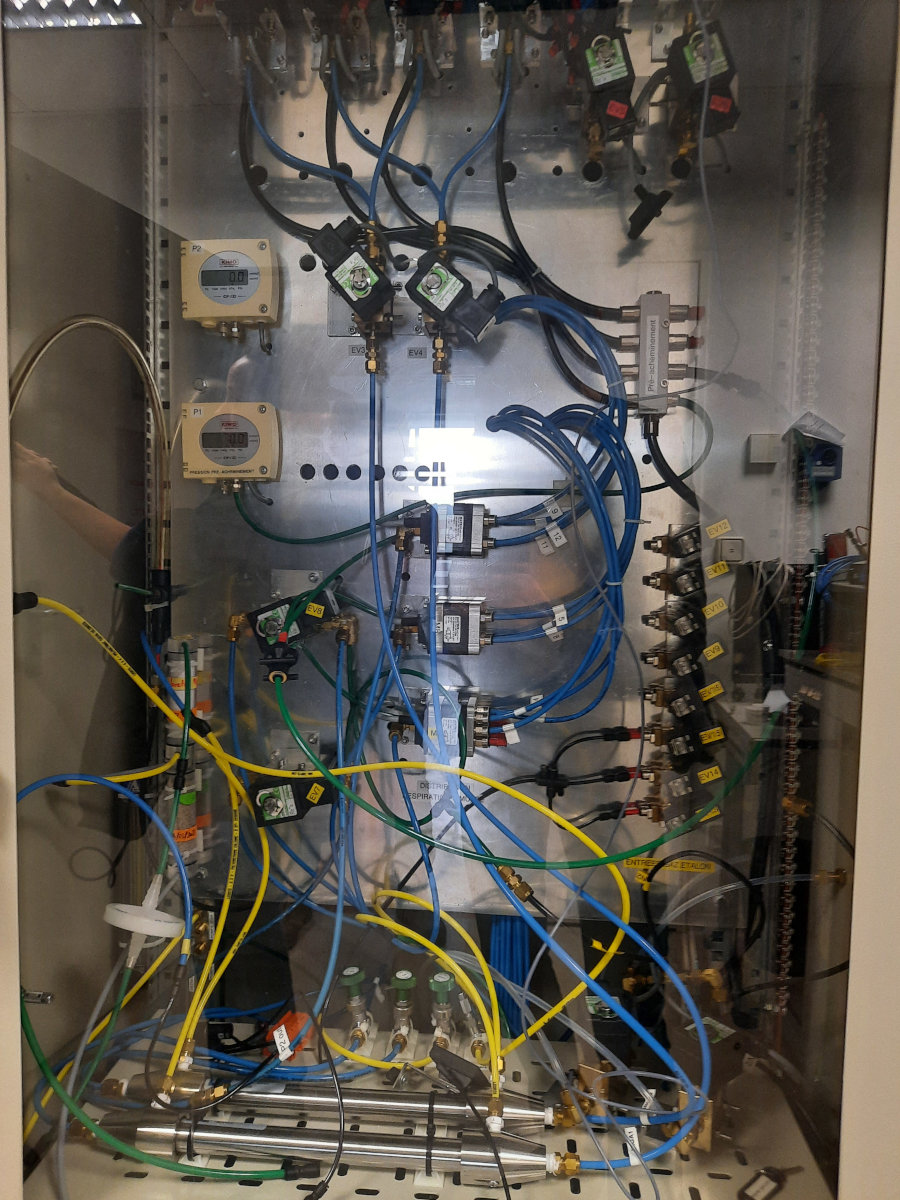
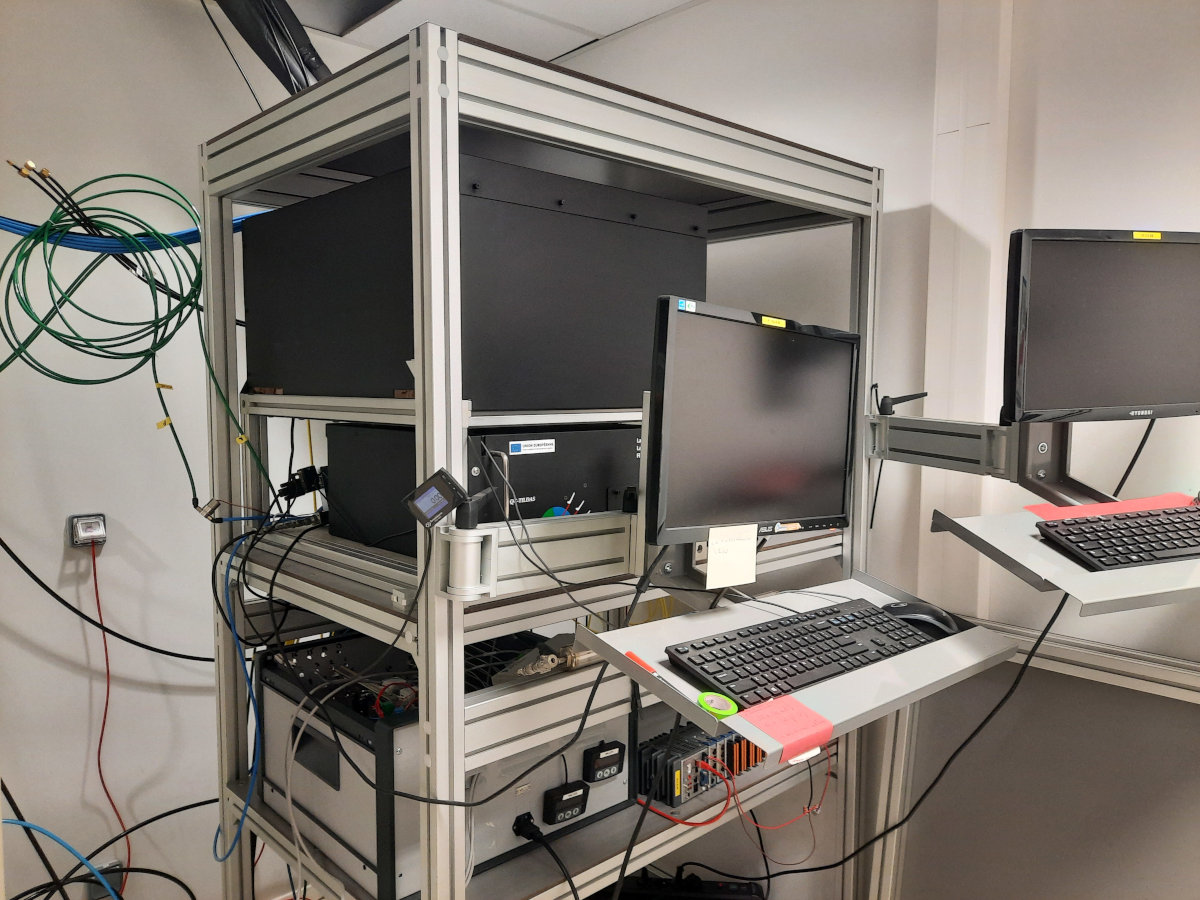
At "UM : Science," here's the lineup—let's get started!
Co-production: Divergence FM / University of Montpellier
Host: Lucie Lecherbonnier
Interview: Aline Périault / Lucie Lecherbonnier
Reporting: Aline Périault, Lucie Lecherbonnier
Editing: Lucie Lecherbonnier
Directed by: Alice Rollet / Tom Chevalier
Listen to the show “A l’UM la science” on Divergence FM 93.9
Check out theUM podcasts, now available on your favorite platform (Spotify, Deezer, Apple Podcasts, Amazon Music, etc.).