UM atUM [S03-ep29]: Butterfly Hybridization
This week on “Science atUM ”: Mathieu Joron, a researcher at the Center for Functional and Evolutionary Ecology, talks to us about hybridization in butterflies. In the second half of the program, we return to Cemipai with Yara Tasrini, who introduces us to a microscope she uses to observe zebrafish. Finally, Nathan Roure will present the upcoming Bar des sciences. A program co-produced with Divergence FM and broadcast every Wednesday at 6 p.m. on 93.9.
Have you ever heard of pizzlys, or—less poetic but much funnier—grolars? In both cases, we’re talking about the offspring of a grizzly bear and a polar bear. If the father is a grizzly and the mother comes from the ice floes, the cub is called a grolar; otherwise, it’s called a pizzly. You’ve no doubt noticed my delicate euphemism for what is more seriously referred to as hybridization. Other examples exist; the mule is a well-known one.
But there are others:
- the liger, or tigon, a hybrid between a tiger and a lion;
- the sanglochon, a cross between a wild boar and a pig;
- the cama, a cross between a llama and a dromedary;
- The zorse—a cross between a horse and a zebra—is more difficult.
In 2019, according to National Geographic, scientists also discovered:
- the narluga, a hybrid of the beluga and the narwhal;
- In 2020, a hybrid between a rose-breasted cardinal and a scarlet piranga made headlines because these two bird species seem so different.
As for us Homo sapiens, aren't we the result of hybridization with Neanderthals or Denisovans?
While the phenomenon is not as rare as it seems, it nonetheless raises questions. Are these simply trivial, fruitless flings, or could they lead to the emergence of new species?
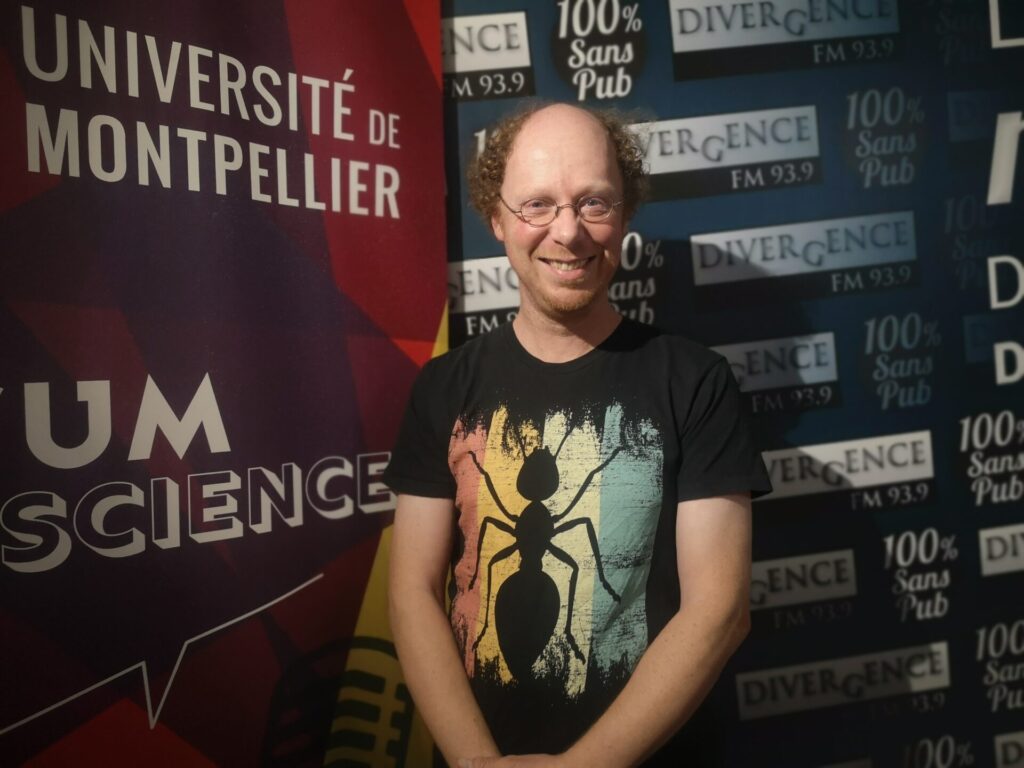
This is one of the questions that Mathieu Joron will address; he has been studying a very unusual species of butterfly. He is a researcher at CEFE, the Center for Functional and Evolutionary Ecology, and is a co-author of a paper in *Nature* titled “Hybrid speciation driven by multilocus introgression of ecological traits.”
Read the press release:
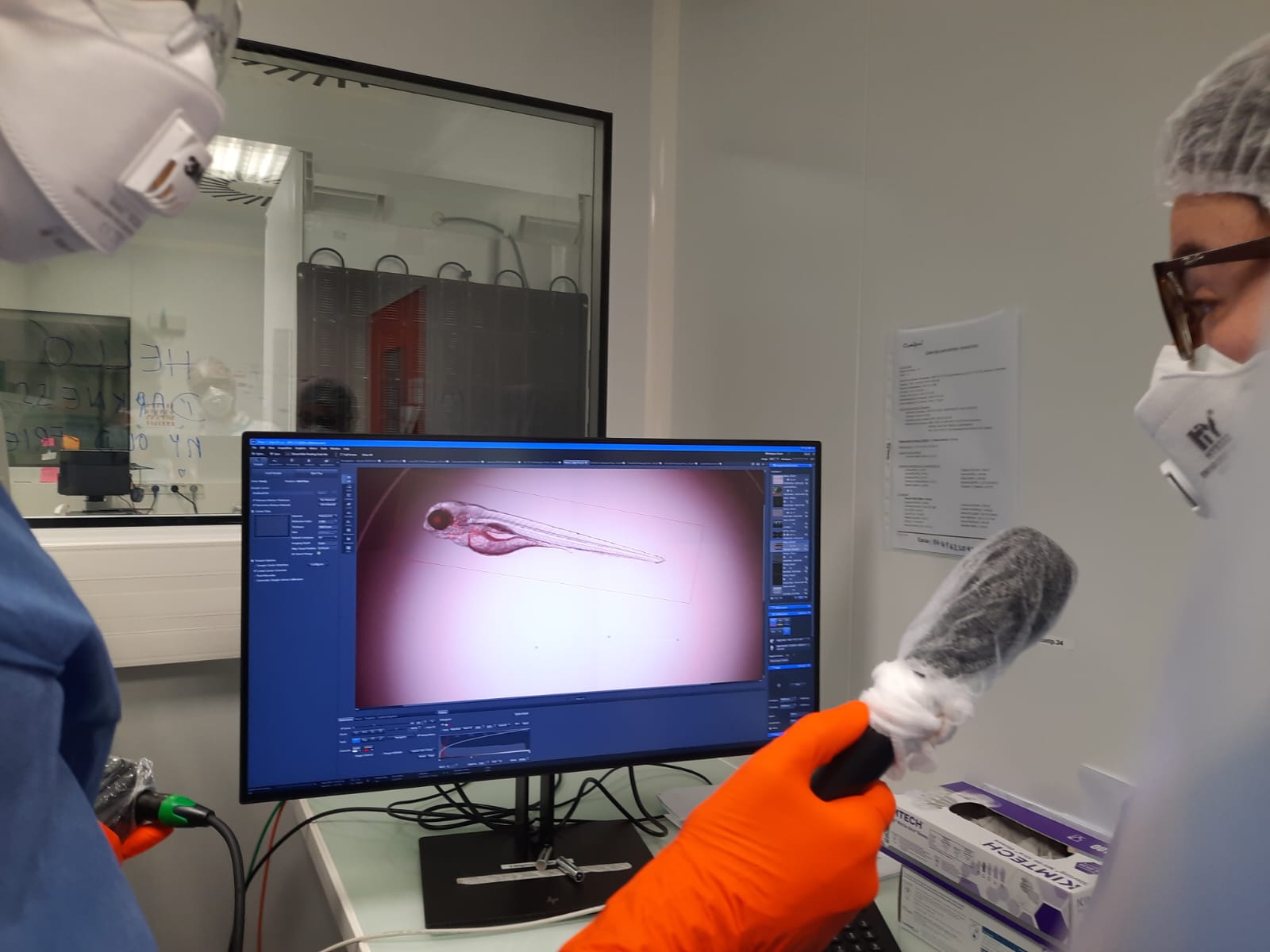
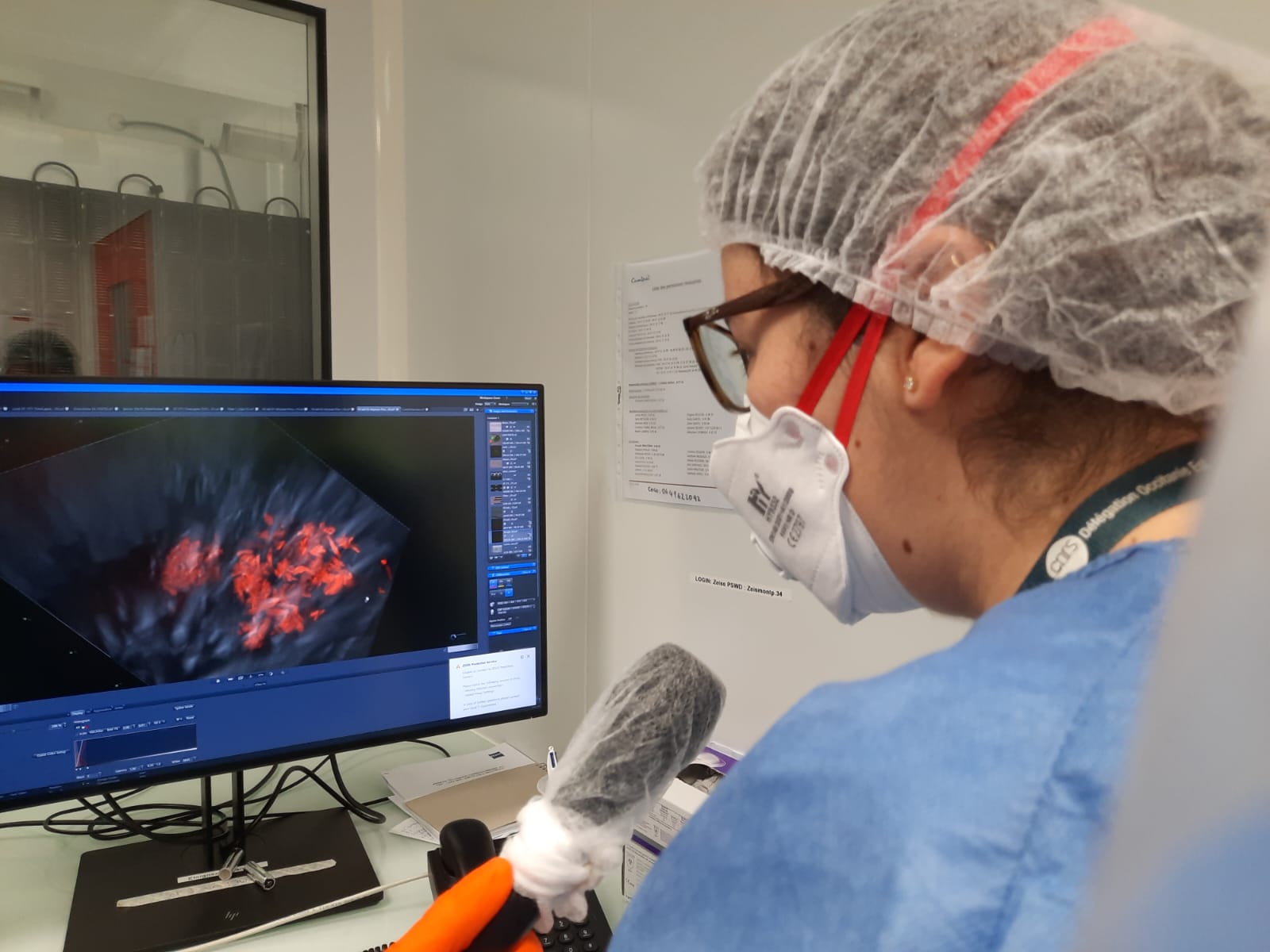
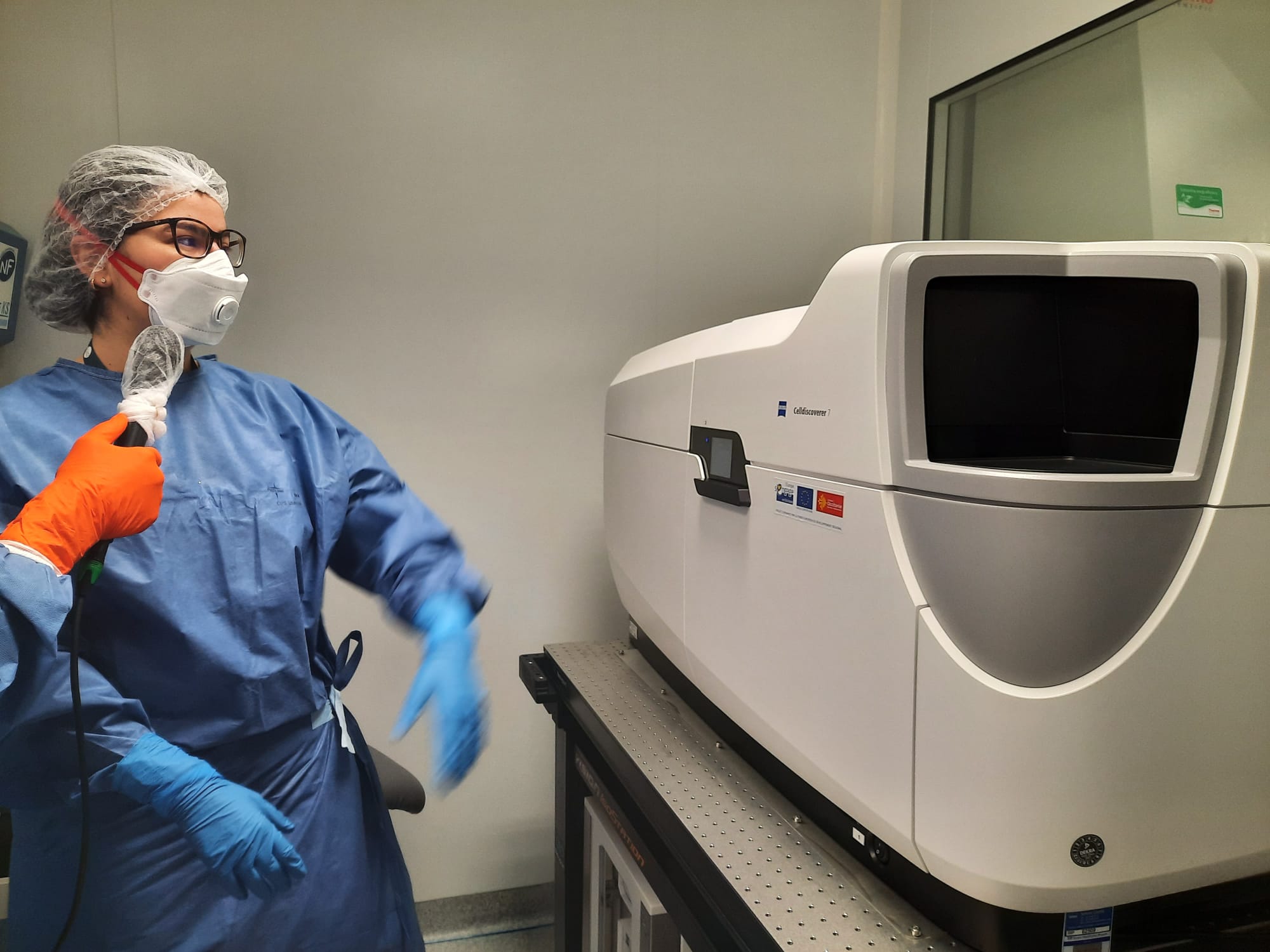
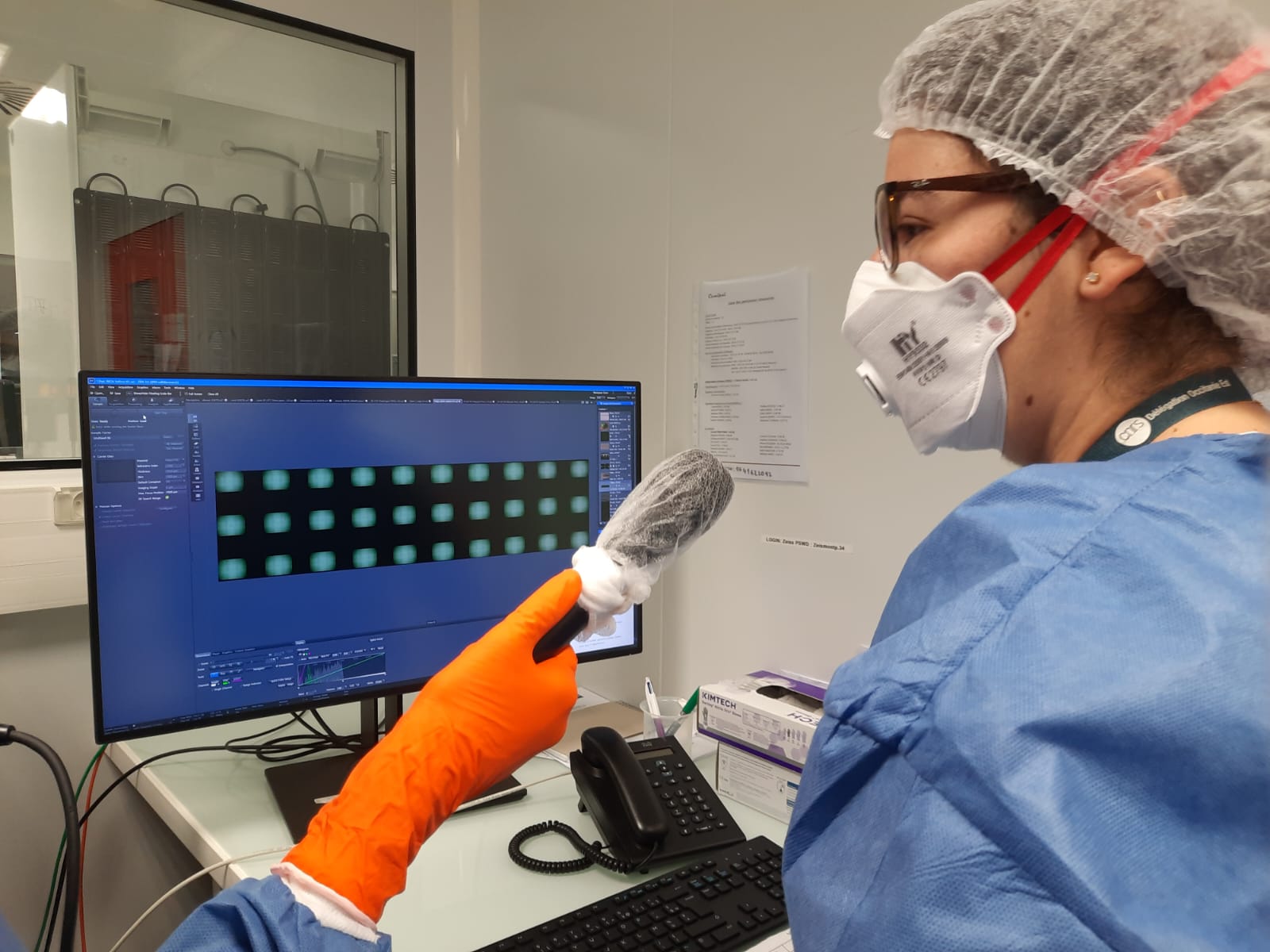
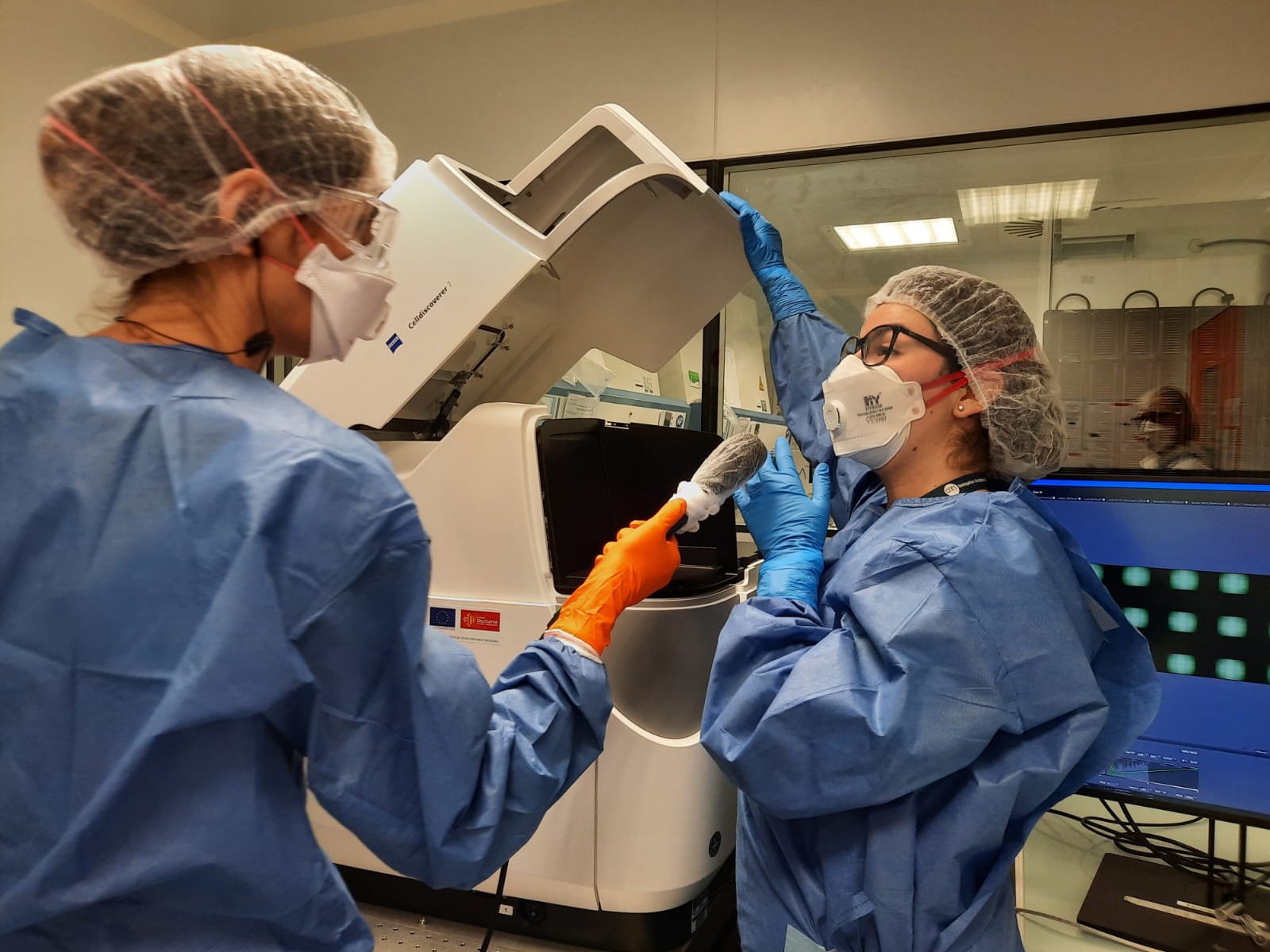
In the second part of the show, we return to Cemipai with Yara Tasrini and Sébastien Lyonnais, who introduce us to an automated microscope. It’s the only one in France installed in a P3 laboratory, and, as a bit of trivia, it was brought to Cemipai at the very start of the pandemic to study SARS-CoV. As you’ll hear, the model used is the zebrafish—or rather, zebrafish embryos before their nervous system has formed—to avoid causing them any pain.
Finally, Nathan Roure, press relations officer at the University of Montpellier, will join us to present the season’s final “Bar des sciences” event, dedicated to the migration of animal and plant populations since the dawn of time. See you on Thursday, June 13.
AtUM , you’ve got the schedule—let’s get started!
Co-production: Divergence FM / University of Montpellier
Host: Lucie Lecherbonnier
Interview: Aline Périault / Lucie Lecherbonnier
Reporting and editing: Lucie Lecherbonnier / Aline Périault
Directed by: Tom Chevalier / Alice Rollet

Check out theUM podcasts,UM available on your favorite platform (Spotify, Deezer, Apple Podcasts, Amazon Music, etc.).