UM atUM [S04-ep01]: Optimizing Paralympic Performance
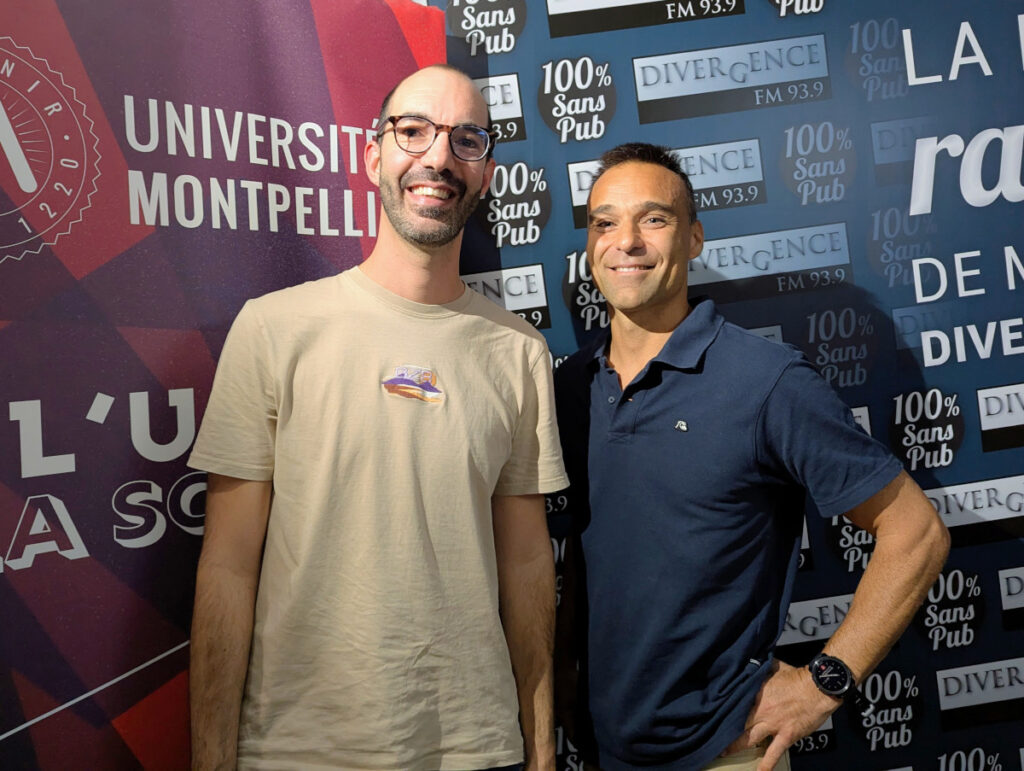
AtUM returns for a new season with Yann Beldame and Rémi Richard, sociologists at the Health, Education, and Disability Situations Laboratory (Santesih). They discuss performance and training environments for para-athletes. In the second half of the program, Lorenzo Stievano gives us a tour of the battery testing lab at theICGM. A program co-produced with Divergence FM and broadcast every Wednesday at 6 p.m. on 93.9.
75 is the number of medals—including 19 gold—won by the 230 French para-athletes at the Paralympic Games that concluded on September 8. Eight—that’s our ranking in the competition. A return to the top 10 that France hadn’t seen since the Sydney Games in 2000. We finished14th in Tokyo in 2020,12th in Rio in 2016, and16th in London in 2012. This is a far cry from our record—set 40 years ago—when we placed fourth in Barcelona in 1992 with 36 gold medals out of a total of 106.
Can this resurgence in popularity be explained by anything other than the enthusiasm of the French public, which has indeed turned out in force? Beyond issues of visibility, what factors contribute to improved performance among para-athletes? How can athletic training and the environment surrounding that training improve these performances? What actionable strategies can be proposed to those involved in the Paralympic world—whether the athletes themselves, their families, or their support staff?
These are some of the questions addressed in a report titled Paraperf: “Optimizing Paralympic Performance: From Identification to Medal Winning.” This report was produced as part of a call for proposals launched in preparation for the Paris 2024 Paralympic Games. It is the result of a collaboration between numerous partners, including two sports federations—the French Handisport Federation and the French Shooting Federation—and more than 13 research units, among them the Montpellier-based Santesih laboratory (Health, Education, and Disability).
Sociologists Yann Beldame and Rémi Richard contributed to the preparation of this report, specifically to the section titled “The Social Production of Paralympic Performance: Availability, Expertise, Sociability, and Competition.”
See also:
In the second half of the program, we’ll take you to the CNRS campus—specifically to the Balard Chemistry Center—where Lorenzo Steviano, a researcher at the Charles Gerhardt Institute in Montpellier, will give us a tour of the battery testing lab.
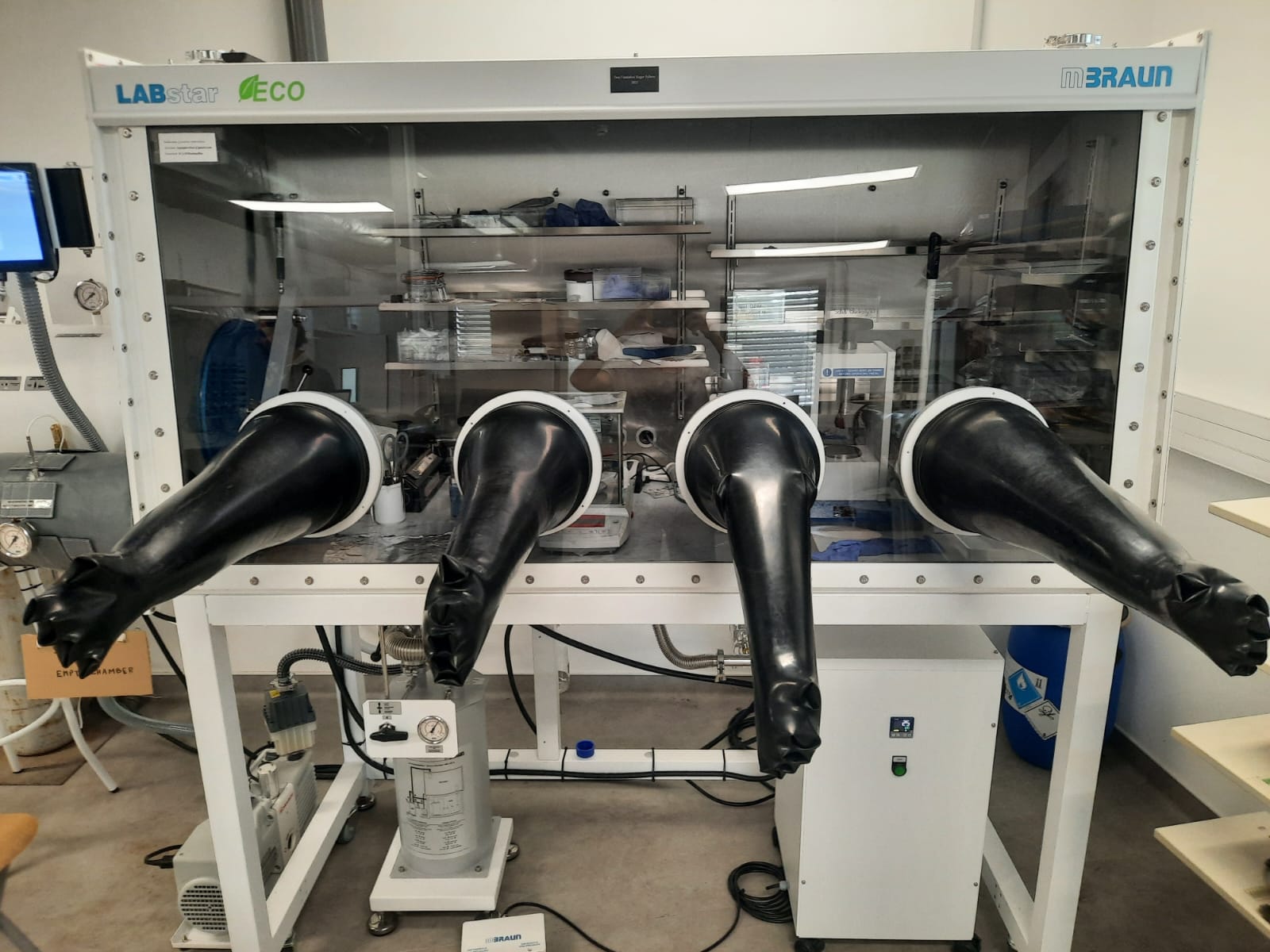
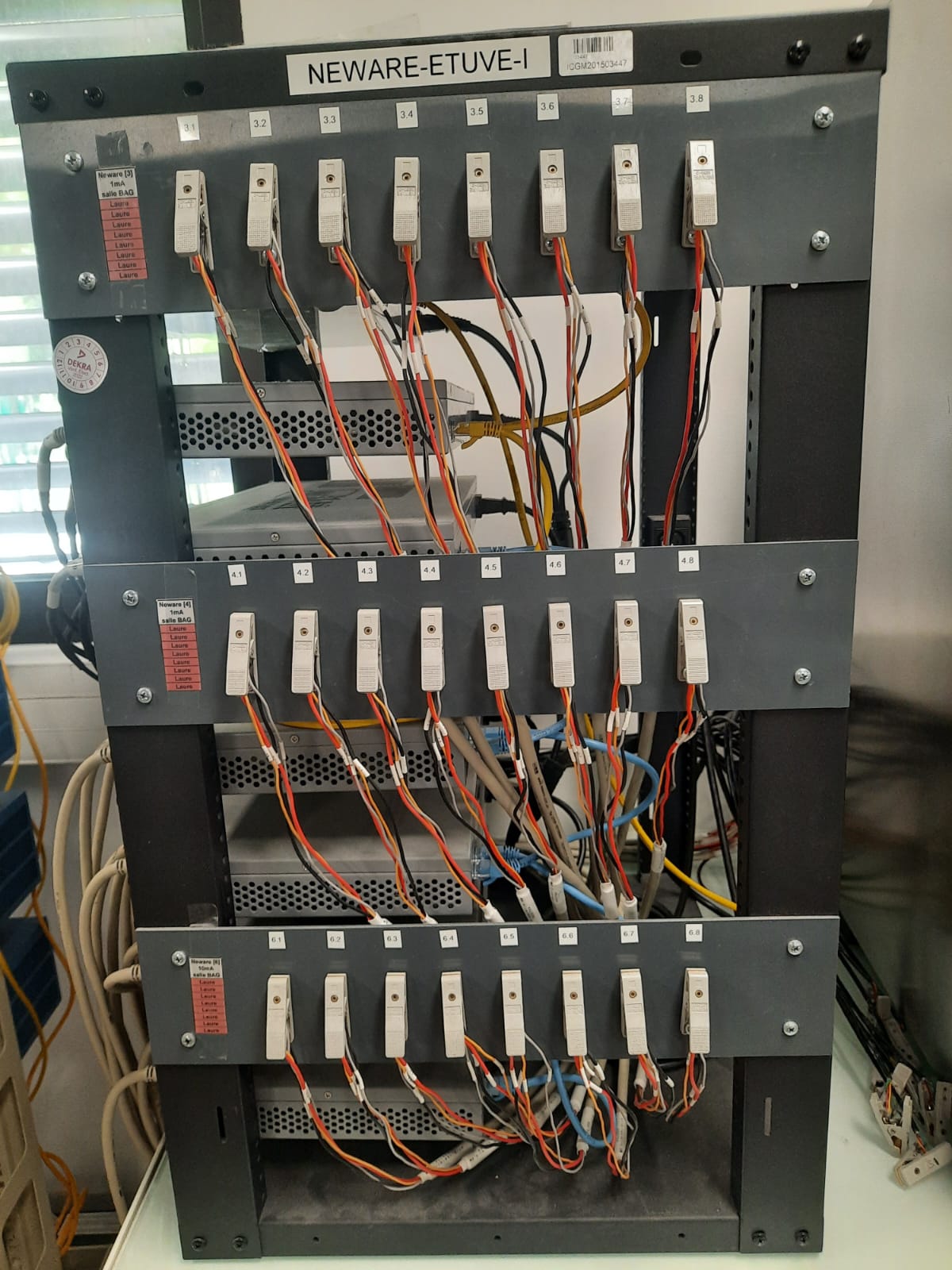
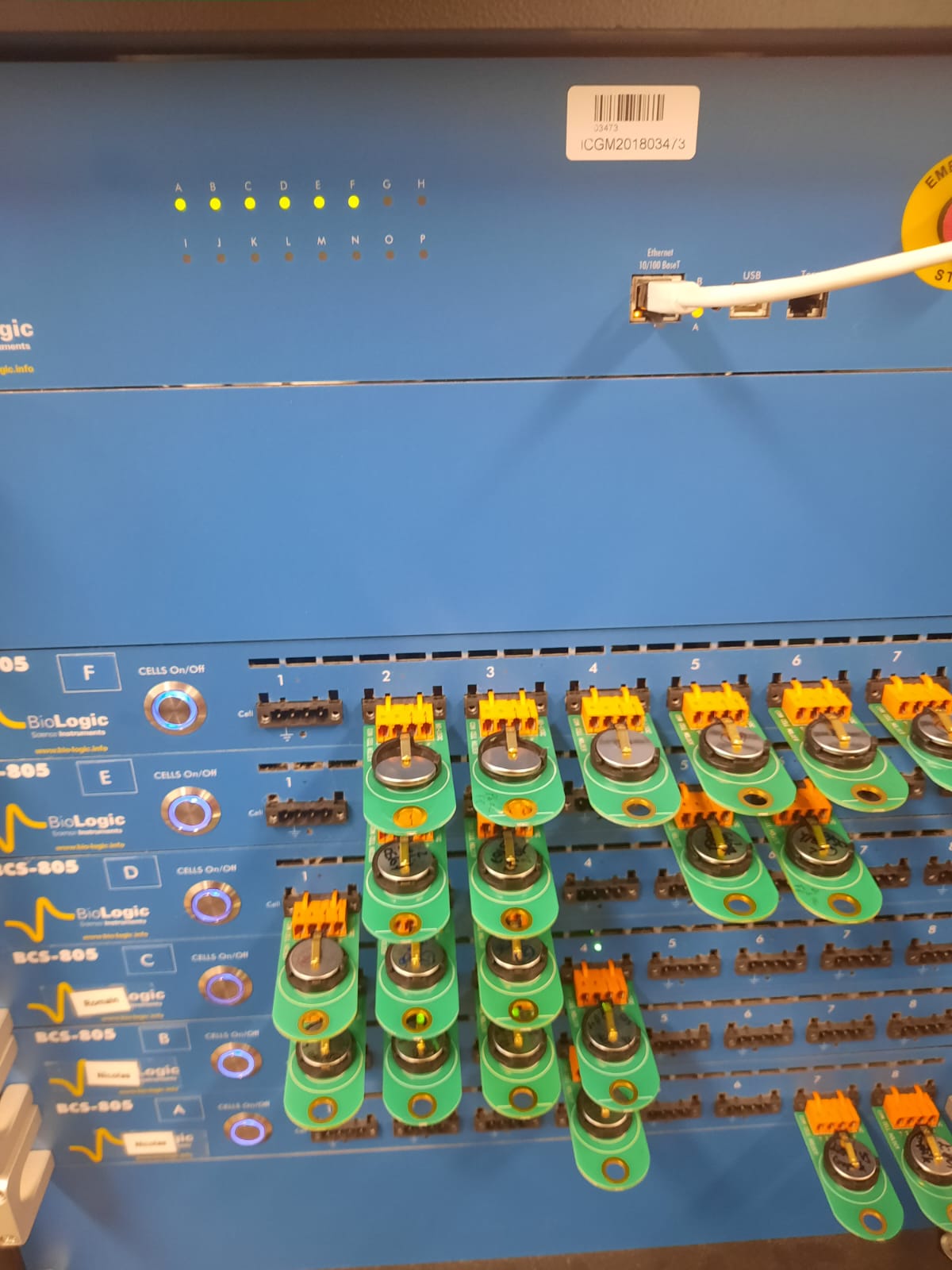
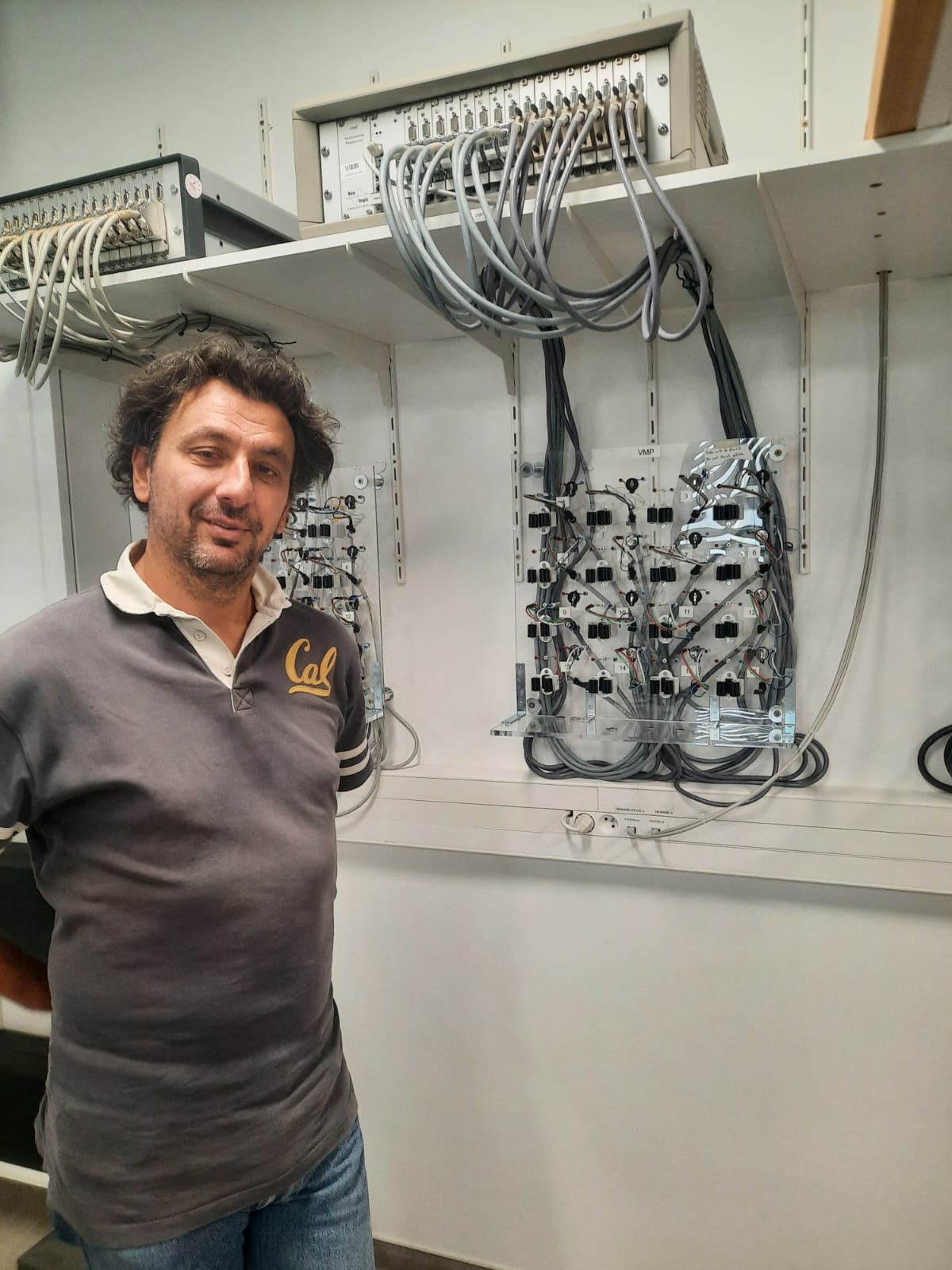
AtUM , you’ve got the schedule—let’s get started!
Co-production: Divergence FM / University of Montpellier
Host: Lucie Lecherbonnier
Interview: Aline Périault / Lucie Lecherbonnier
Reporting and editing: Lucie Lecherbonnier / Aline Périault
Director: Tom Chevalier
Check out theUM podcasts,UM available on your favorite platform (Spotify, Deezer, Apple Podcasts, Amazon Music, etc.).