"UM : Science" [S04-ep02]: Students' Food Environment
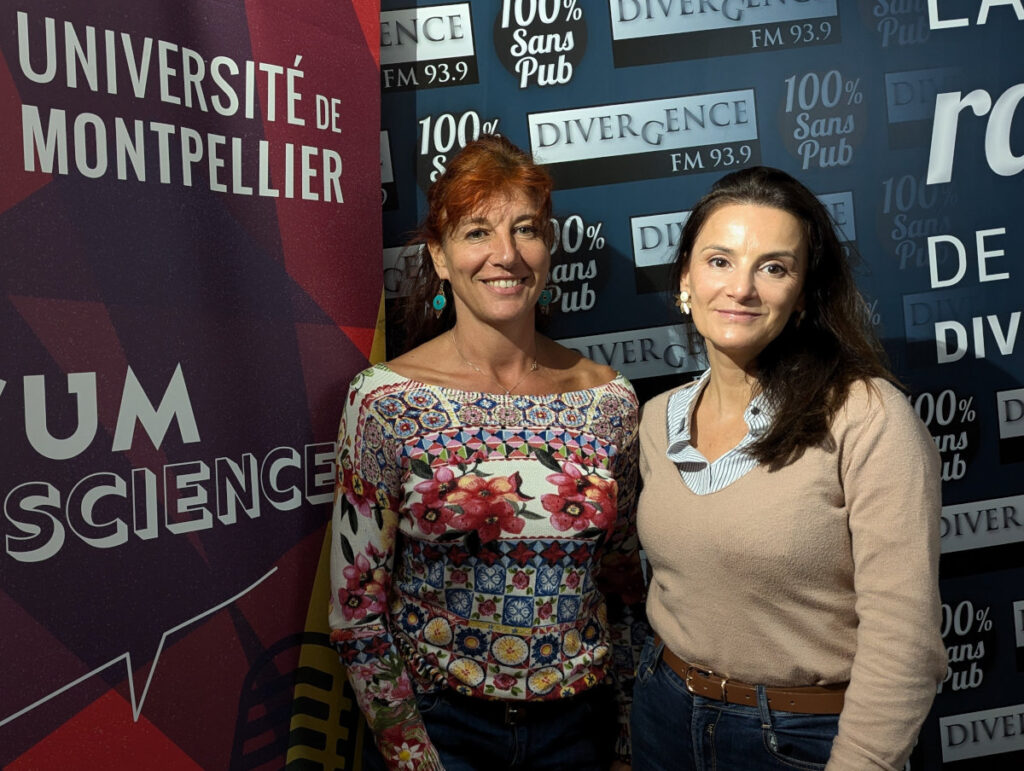
This week on *A l’UM *: science with Angélique Rodhain and Karine Garcia, researchers at MRM talk to us about students’ dietary environments. Sara Cavaliere from theICGM gives us a tour of the fuel cell and electrolysis platform, and Marie Pequignot, Chief Operating Officer of Genopolys , presents the Mediterranean Night of Women Researchers. A show airing every Wednesday at 6 p.m. on Divergence FM-93.9.
According to the latest survey by FAGE, the leading student union, 20% of students do not eat enough and skip an average of 3.5 meals per week. Thirty-four percent of them believe they have an unbalanced diet, characterized by the consumption of fatty and sugary foods. Their age group is also the one most affected by the rise in obesity. This food insecurity was brought to the public’s attention by the COVID-19 pandemic, prompting the development of initiatives such as the CROUS’s 1-euro meals, which have since been made a permanent program for students receiving financial aid. And yet, this food insecurity is not a new phenomenon.
As I was preparing this topic, memories of my college years came flooding back. The tram rides to La Paillade to stock up on groceries for the week at what was, at the time, the only affordable supermarket in the area. The one owned by that photographer friend of mine whose job was to capture the contents of students’ refrigerators. Through her photos, we went from Alice’s fridge—whose contents revealed a diet consisting exclusively of spaghetti and olive oil—to the rancid odors wafting from Ivan’s, a fan of scavenging through supermarket trash cans, at the cost of a minor bout of food poisoning every three months. Then there was Caroline and her organic vegetable juices, bought at full price at the Biocoop in downtown. Not to mention Yann, a brilliant student who was always in a hurry, surviving on a steady stream of ready-made meals or sandwiches bought on the go.
These profiles, despite the 20 years that have passed, are not so different from what we can read in our guests’ study. Angélique Rodhain and Karine Garcia are both marketing researchers at Montpellier Research in Management. Last July, they published an article titled “Food Accessibility: An Approach Based on the Real-Life Experiences of Students Living Away from Home” in the journal * Research , and Applications in Marketing*.
For more information:
- The episode of *A l’UM * on science, featuring Andrea Gourmelen, a researcher at the MRM Laboratory: Consumer Profiles, the Library of Legal History, and Courstache
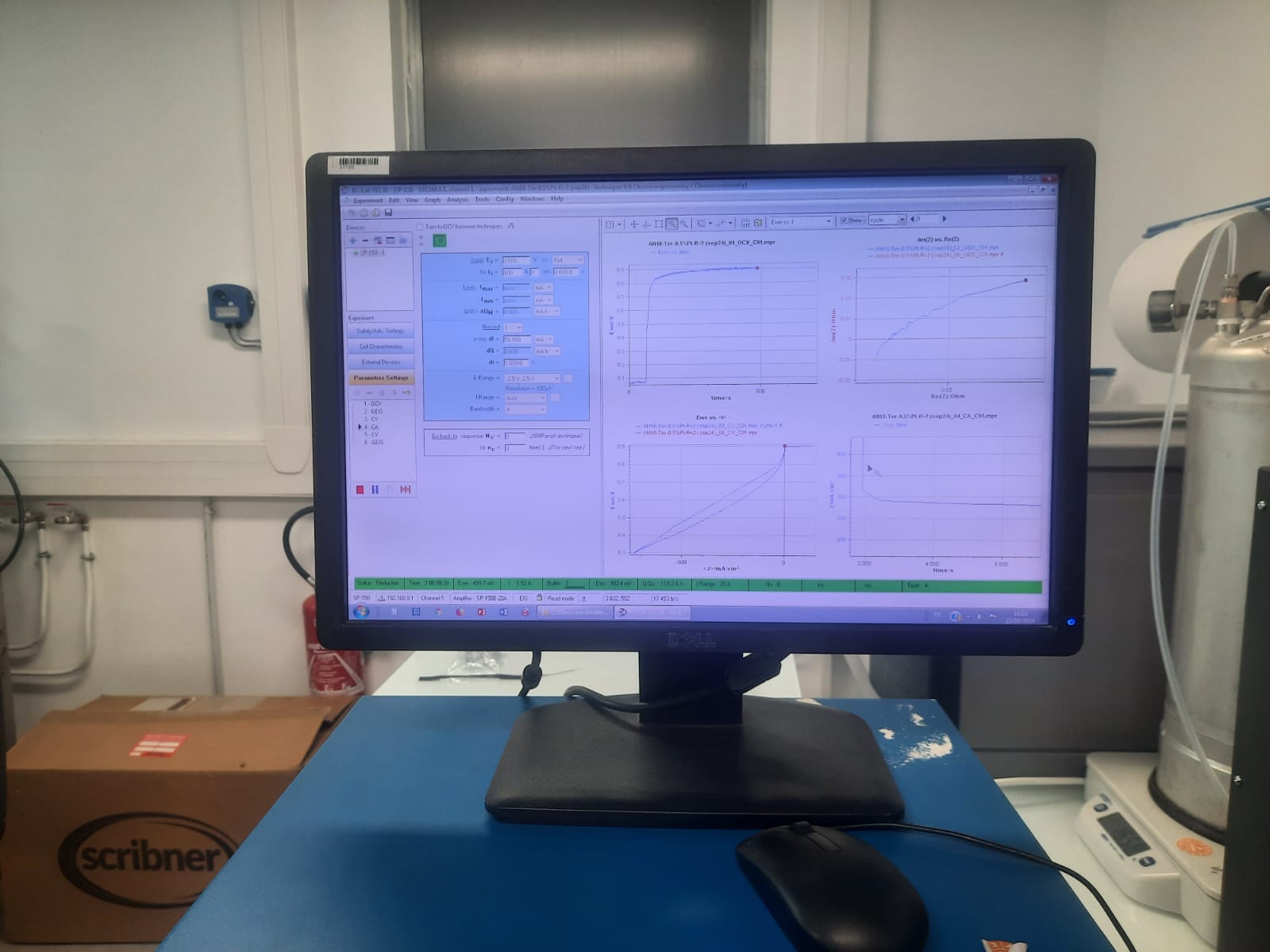
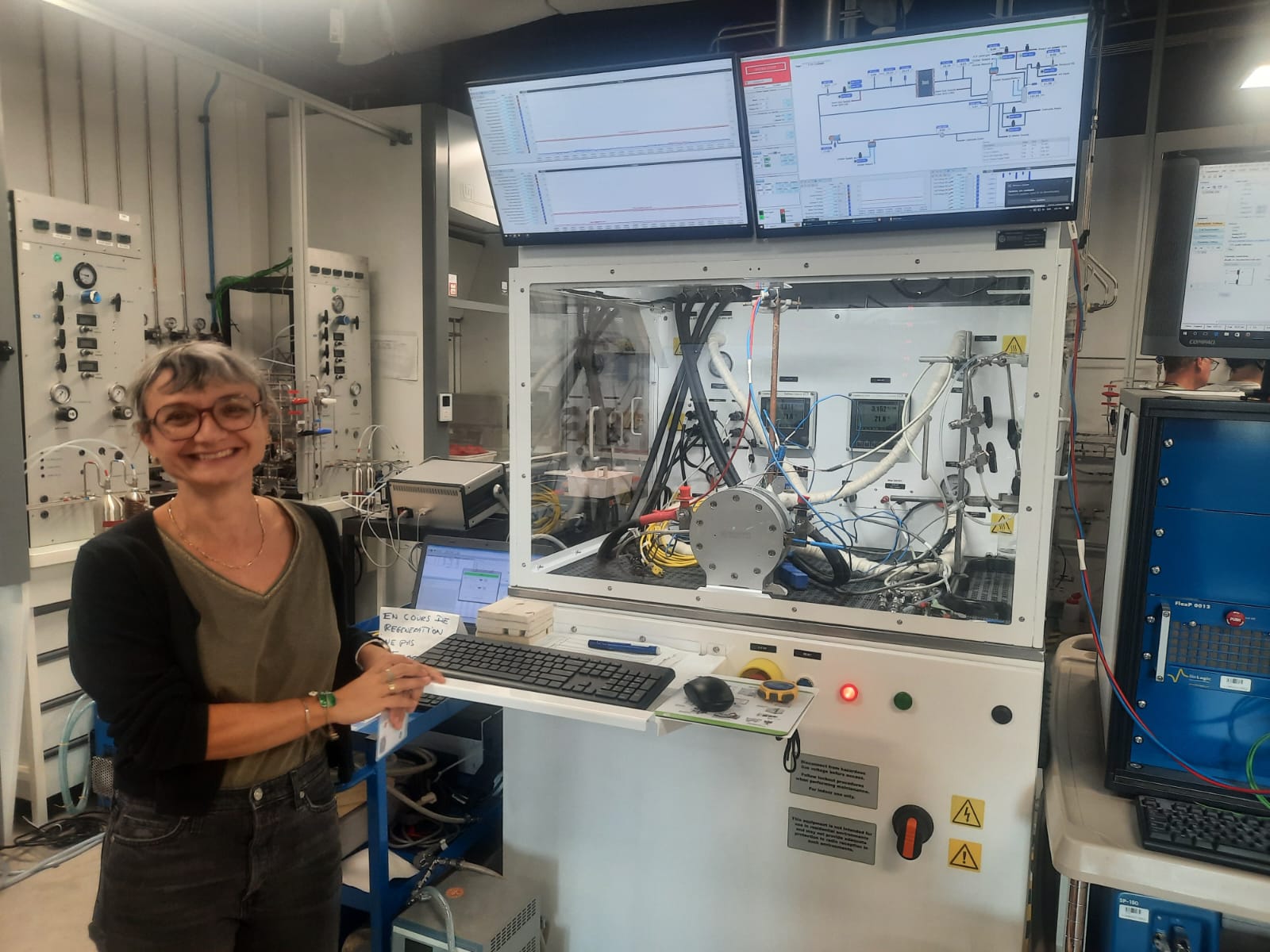
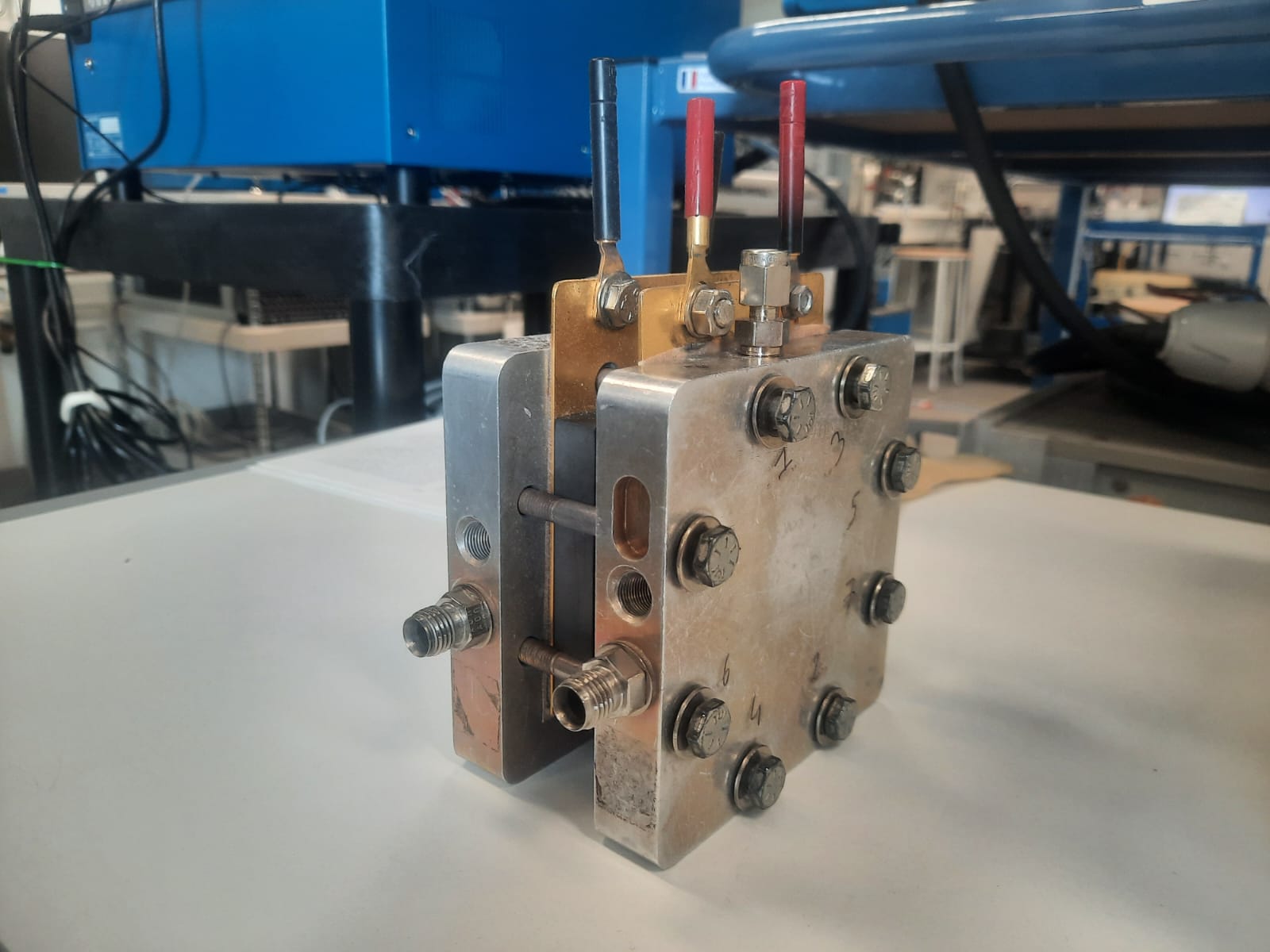
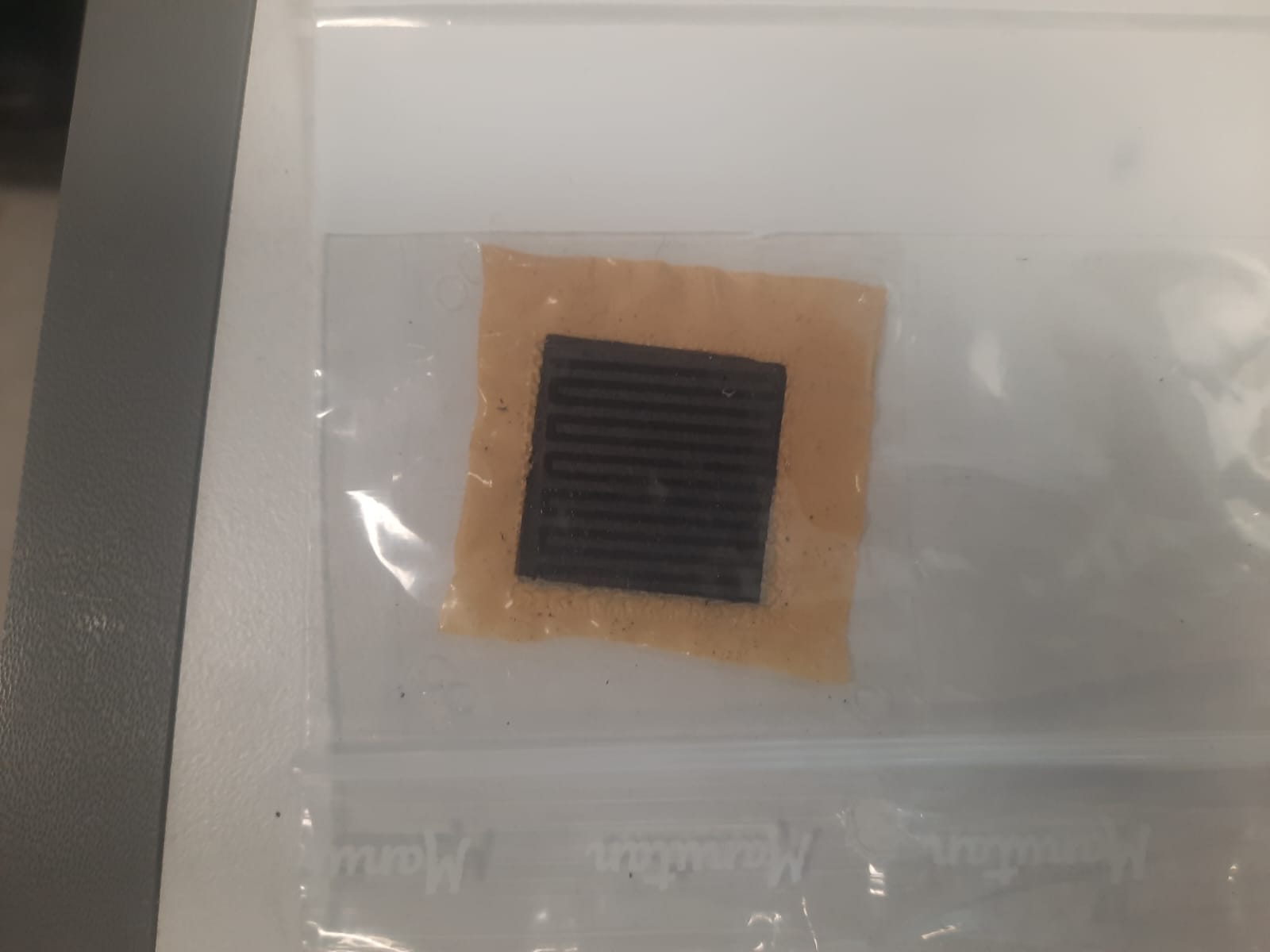
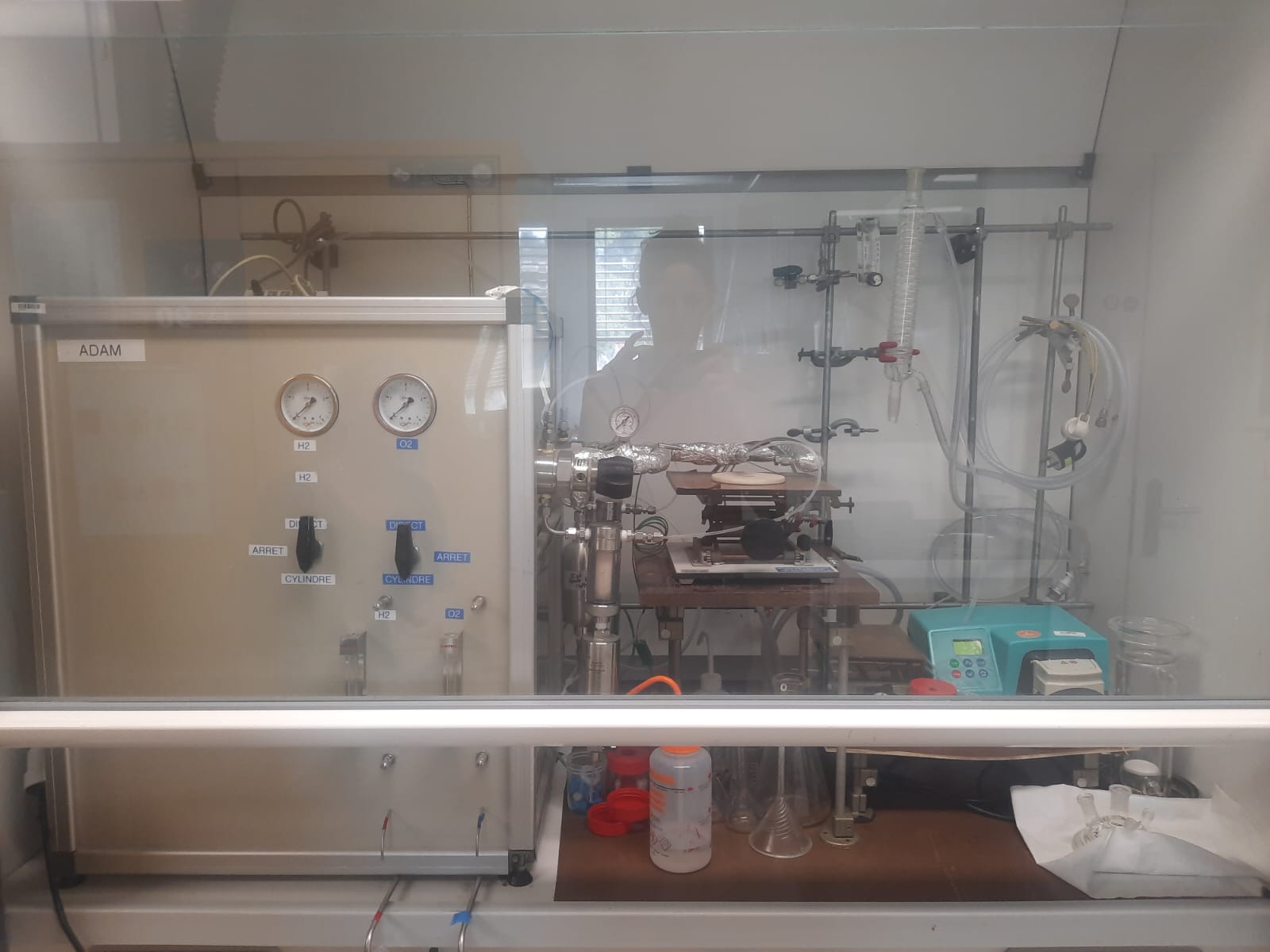
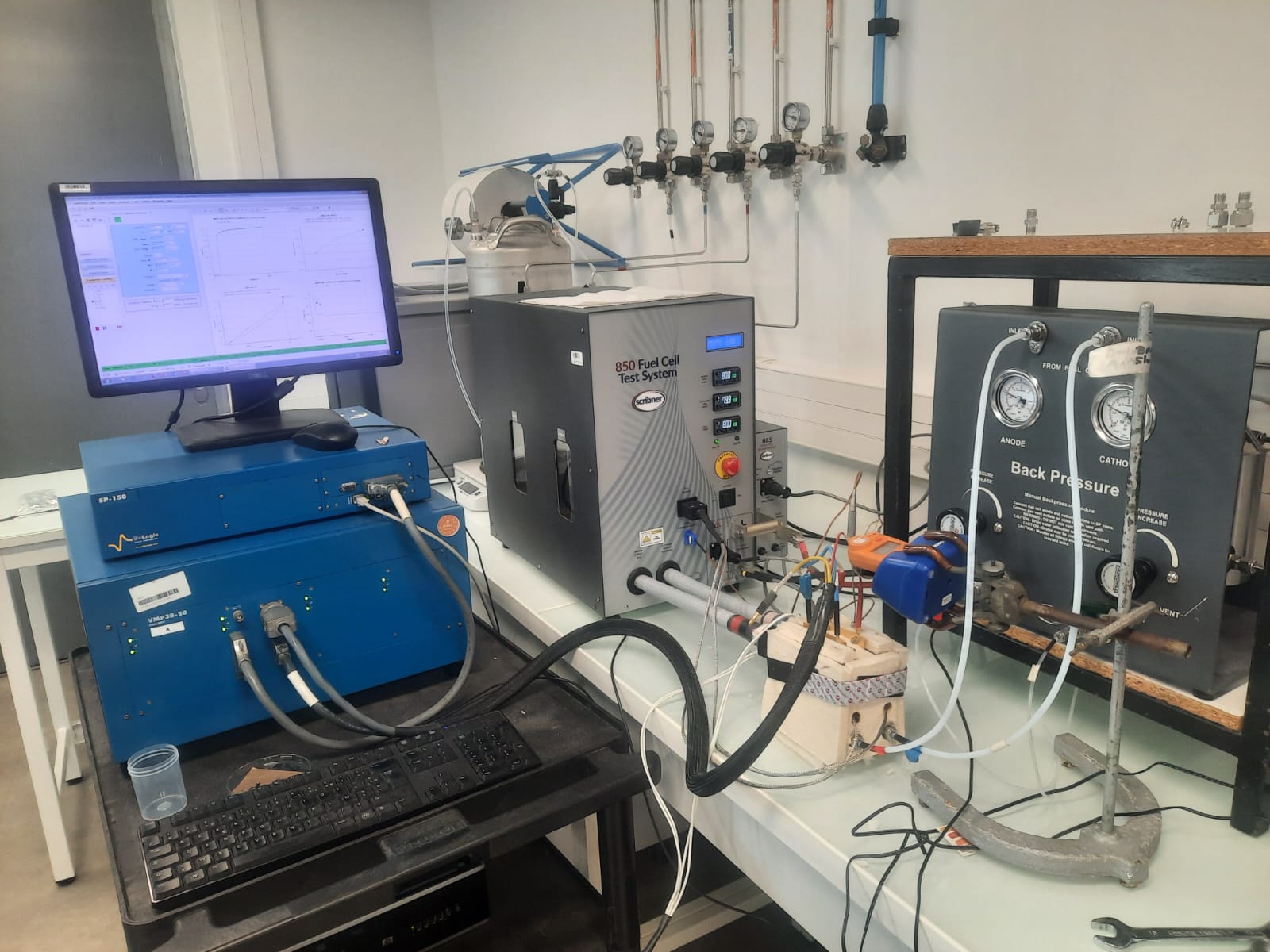
In the second half of the program, we head back to the Balard Chemistry Hub with Sara Cavaliere to recharge our batteries. She gives us a tour of theICGM’s fuel cell and electrolysis platform. Here, energy is converted and stored using hydrogen. These fuel cells are already used in some cars and could be expanded to other mobility sectors, such as air travel.
Finally, Marie Péquignot, Genopolys’ Chief Operating Officer, introduces us to the Mediterranean Night for Female Researchers, which will take place on Friday, the 27th, from 4:30 p.m. to 10:30 p.m. at Lycée Joffre.
At "UM : Science," here's the lineup—let's get started!
Co-production: Divergence FM / University of Montpellier
Host: Lucie Lecherbonnier
Interview: Aline Périault / Lucie Lecherbonnier
Reporting and editing: Lucie Lecherbonnier / Aline Périault
Director: Tom Chevalier
Listen to the show “A l’UM la science” on Divergence FM 93.9

Check out theUM podcasts, now available on your favorite platform (Spotify, Deezer, Apple Podcasts, Amazon Music, etc.).