"UM : Science" [S04-ep04]: The Health of France's Mayors
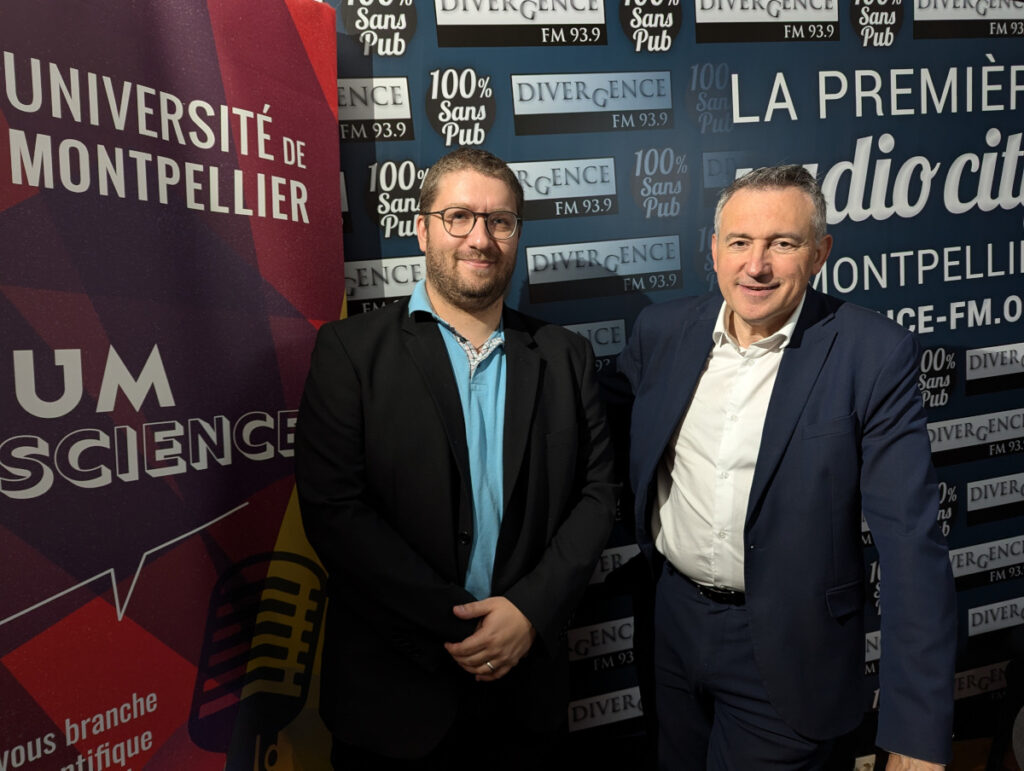
This week on *A l’UM * la science, Olivier Torrès and Mathieu Le Moal from the observatory Amarok present a groundbreaking study on the mental health of France’s mayors. The report takes you inside the elementary analysis room at the physical measurements lab with Magalie Lefeuvre. Finally, we wrap up with a special, off-season edition of “Bar des sciences”! A program co-produced and broadcast on Divergence Radio every Wednesday at 6 p.m.
Since the 19th century, the mayor has emerged in France as the preeminent public figure. He is Monsieur de Rénal in *The Red and the Black*, he is Jean Valjean, now known as Monsieur Madeleine, and he is Fabrice Lucchini in *Alice and the Mayor*, or Clovis Cornillac in the film *Monsieur le Maire* , released last year.
As the smallest unit of representative democracy, the mayor is the person who enforces the Republic’s laws, who marries you, who signs the permit to build your house or to bury a loved one. The mayor is the one who inaugurates the school cafeteria or the community sports complex, who serves on the hospital’s board of overseers, and who ensures public safety. Being mayor—even in a metropolis like Montpellier—means being the person who still rides a bike to work, wearing a tie and with the wind in their hair!
In a small town, being mayor means learning to deal with phone calls at home day and night.
– “Hello, Mayor? I’m sorry to bother you, but our neighbor has been gone for two days, and he left his dog on the balcony. The poor thing just keeps howling—we don’t know what to do.”
–“Hello, Mr. Mayor? Yes, this is the new general practitioner. Well, this is just terrible! In the move-in specifications, I asked for a blue wall in my office, and now… the wall is green!”
–“Hello, Mr. Mayor. Sorry to wake you up in the middle of the night, but there’s been an accident on Route de l’Avenir—two little girls on scooters. Yes, it’s serious, Mr. Mayor—you need to come!”
Being a mayor is a role that requires close contact—not to say intimacy—with the community, one that must be carried out 7 days a week, day and night, with no weekends off, little vacation time, and often little recognition. But does this unwavering availability have no impact on the mental health and well-being of France’s 34,893 mayors? Well, you should know that our guests are the first—and the only ones—to have taken an interest in this question.
Olivier Torres and Mathieu Le Moal, researchers atthe Amarok Observatory, are co-authors of a report titled: “From the Risk of Burnout to the Well-Being of Mayors: Moving Beyond Ignorance.”
Learn more:
- Download the press kit
- See also: My Small Business Will Overcome the Crisis, 2020, Lum 13
In the second part of the program, we return to the physical measurements laboratory to visit the elemental analysis room. Magalie Lefeuvre introduces us to a technique that determines the percentage of carbon, hydrogen, nitrogen, sulfur, and oxygen in organic compounds. There, she analyzes samples that are sometimes surprising: plants, oils, soups, cocoa, fish eggs, tires, and even fabric from hospital bed linens.
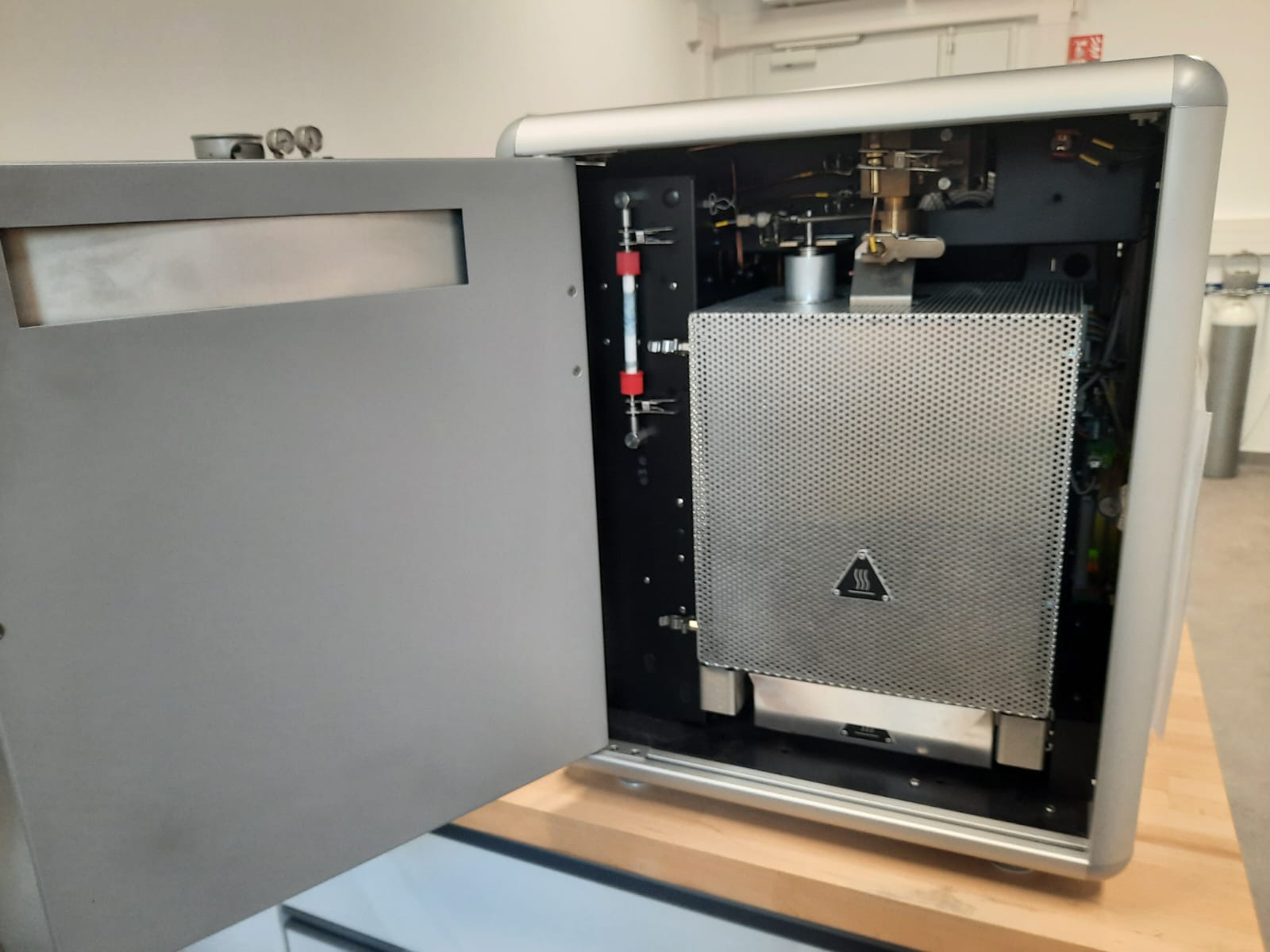
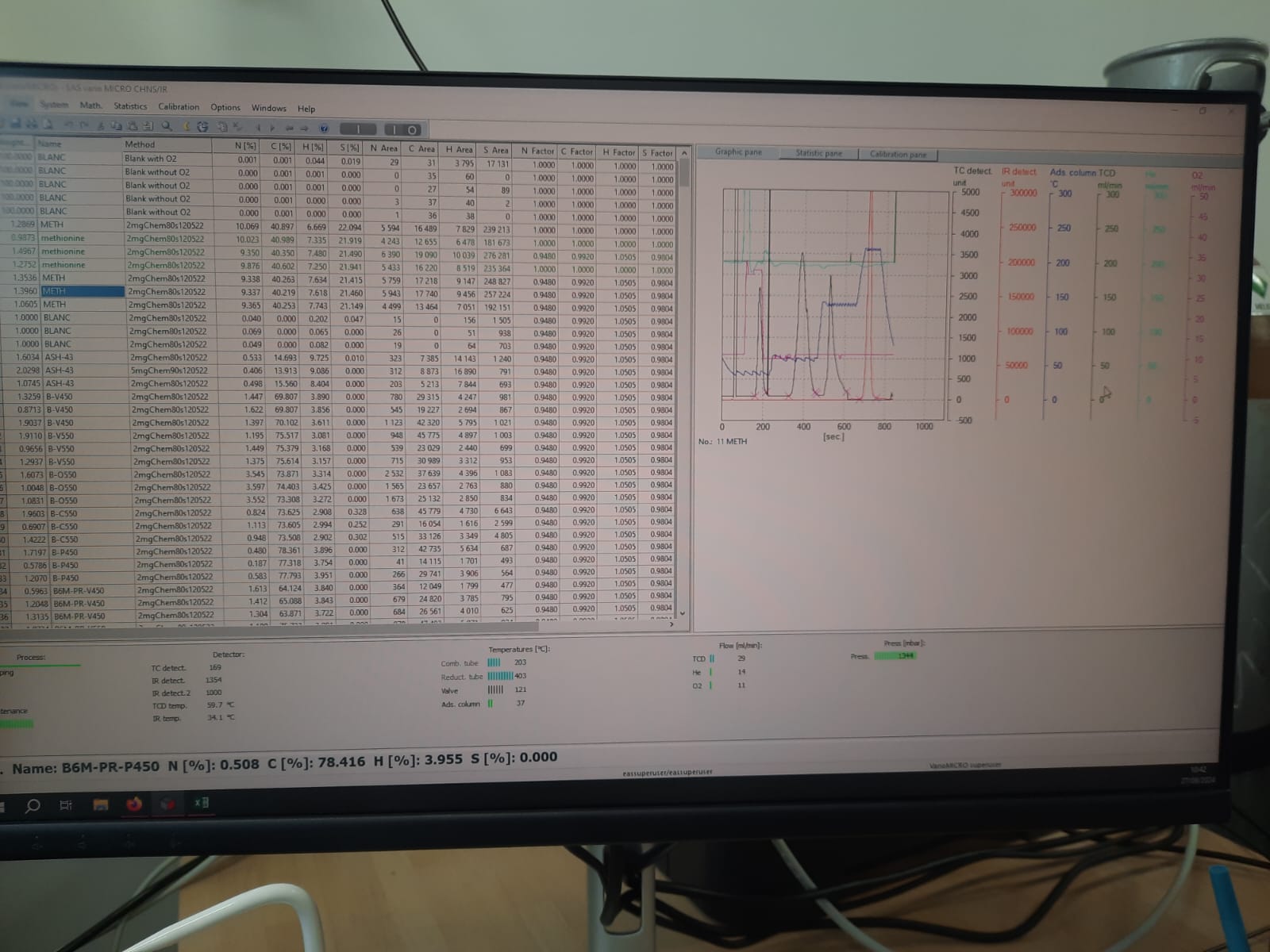
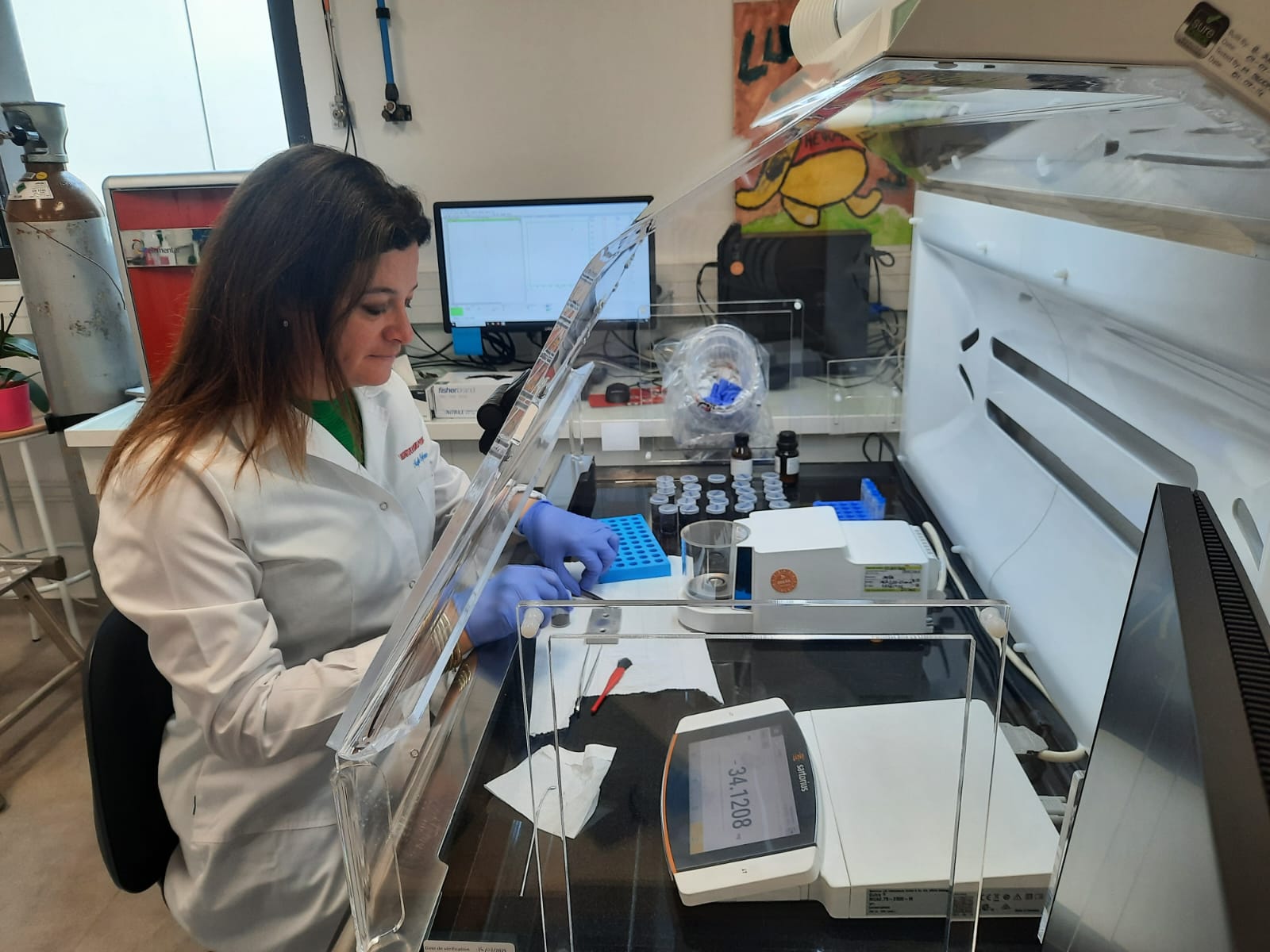
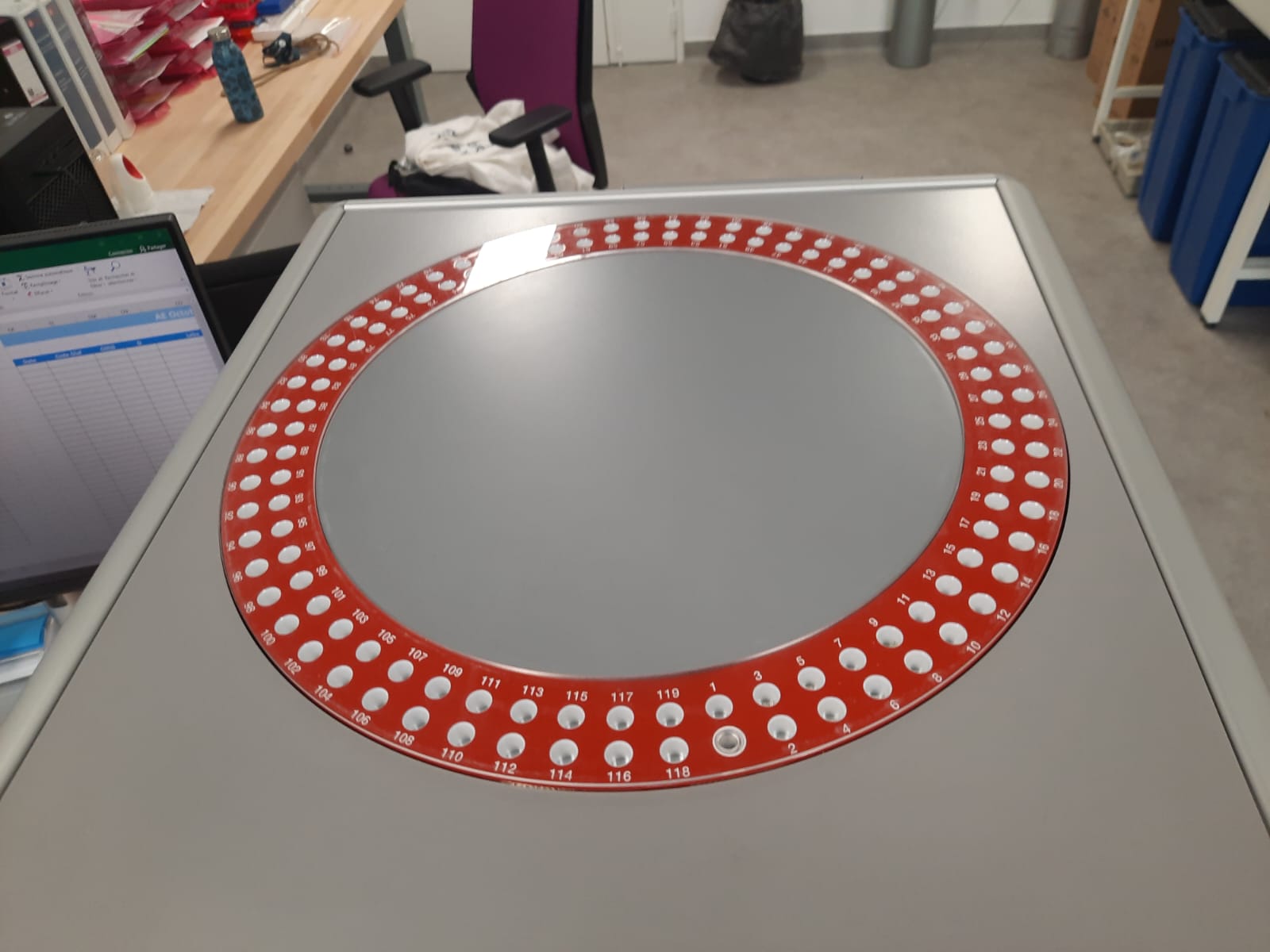
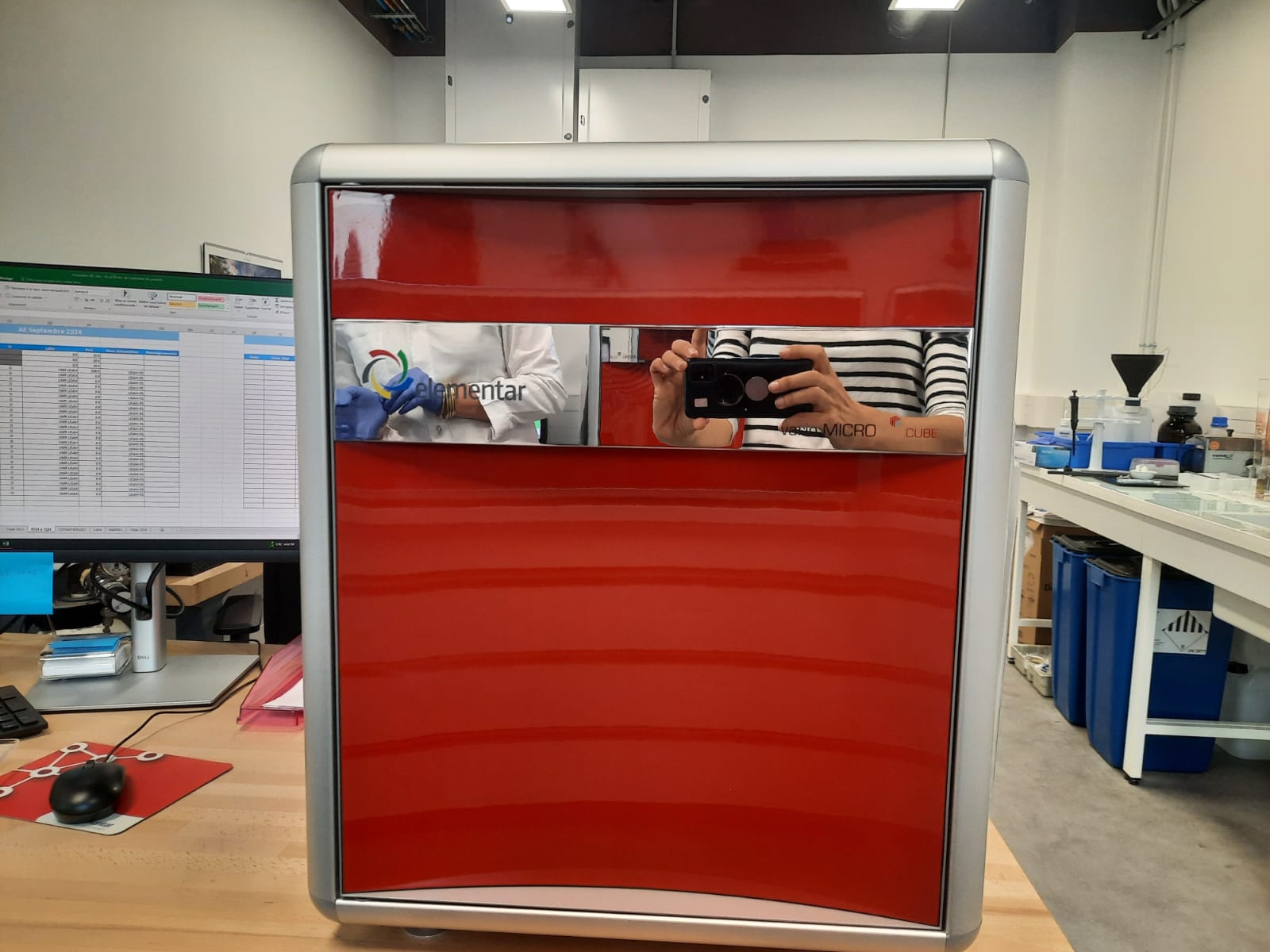
Finally, our last-minute guest is sticking to his guns—it’s Thomas Pichery once again, communications officer for science outreach. He’s presenting a special edition—or rather, off-season—Science Bar: an autumn Science Bar! Unprecedented…! The theme? “Water: Source of Life for Men, Source of Inequality for Women?” It’s this Thursday at 8 p.m. at the Émile Zola Media Library.
At "UM : Science," here's the lineup—let's get started!
Co-production: Divergence FM / University of Montpellier
Host: Lucie Lecherbonnier
Interview: Lucie Lecherbonnier / Aline Périault
Reporting and editing: Aline Périault
Director: Tom Chevalier
Listen to the show “A l’UM la science” on Divergence FM 93.9