"UM : Science" [S05-ep04]: Sexual Dominance Under Siege
This week on *A l’UM *: Elise Huchard from the Institute of Evolutionary Sciences in Montpellier (ISEM) talks to us about sexual dominance in primates. The segment takes us to ISEM’s palynology lab with Sylvie Rouland. The show airs every Wednesday on the radio station Divergence.

It has long been taken for granted that, whether in grammar or in society, the masculine takes precedence over the feminine. And what better way to cement dominance than to present it as a fact—or even a biological law? Thus, among animals, the male is said to dominate the female by nature.
A few counterexamples were cited to counter this argument from authority, such as the matriarchy among female elephants, the sexual dimorphism in hyenas favoring females, or, worse still, the voracious appetite of praying mantises. But these exceptions only served to confirm the rule: male dominance is a law of nature.
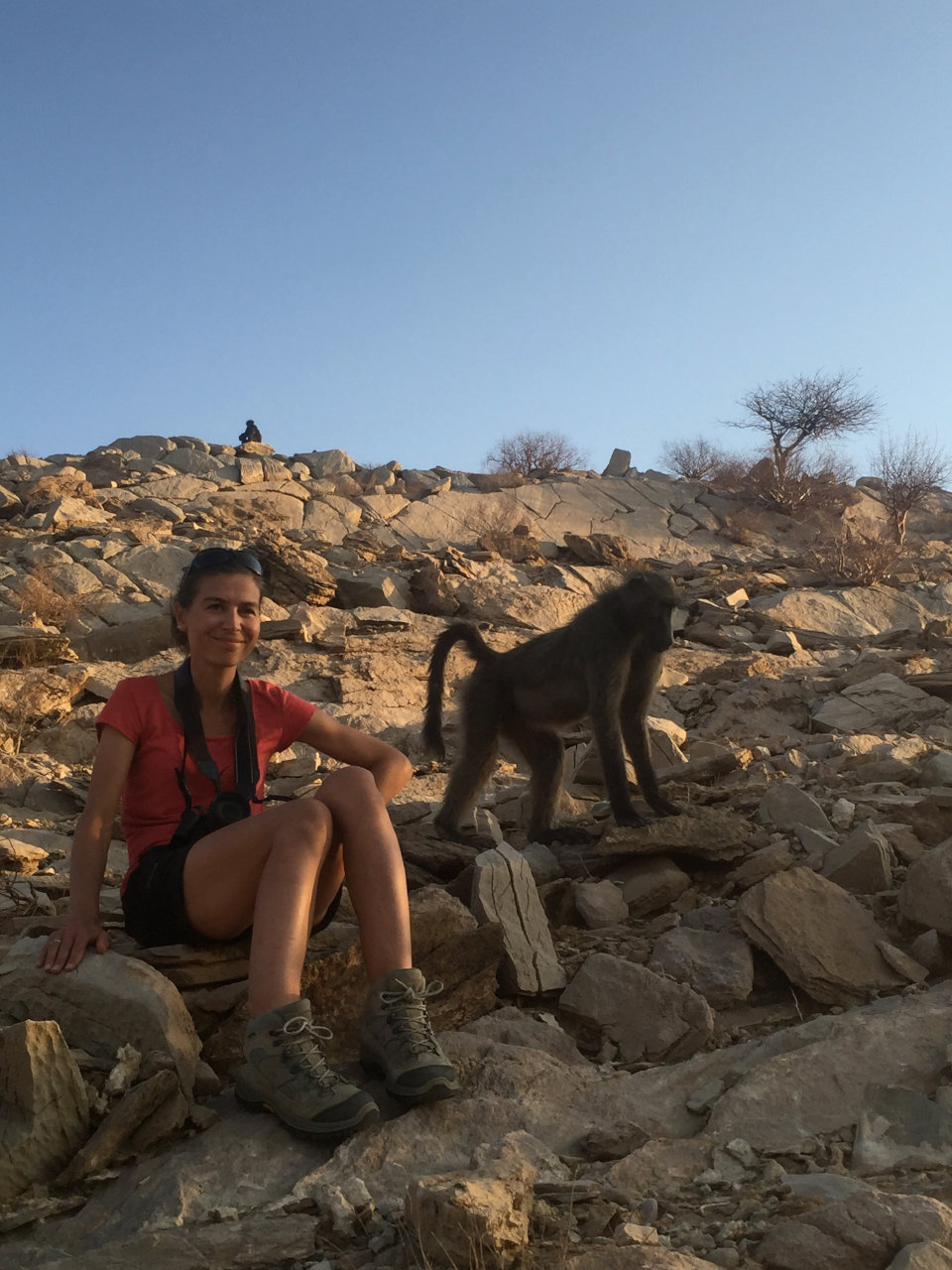
Upon closer inspection, this male dominance is far from the norm, and among many primate species, the females do not take this lying down. So are there social structures, lifestyles, or biological factors that favor the dominance of one sex over the other? Is a dominance hierarchy inevitable? And what evolutionary pathways might lead a species to adopt one type of dominance over another? A team of Franco-German researchers sought to answer these questions by compiling existing studies on the subject.
Elise Huchard, an ethologist at the Institute of Evolutionary Sciences in Montpellier, is a member of this team. They published this meta-analysis on variations in male-female dominance among primates in the journal PNAS, titled “The Evolution of Male-Female Dominance Relationships in Primate Societies.”

See also:
"Observing the Mourning of Chacma Baboons," an article from Lum magazine discussing the work of Elise Huchard, which you can also listen to in the episode "From the Mourning of Chacma Baboons to the Anatomy Museum."
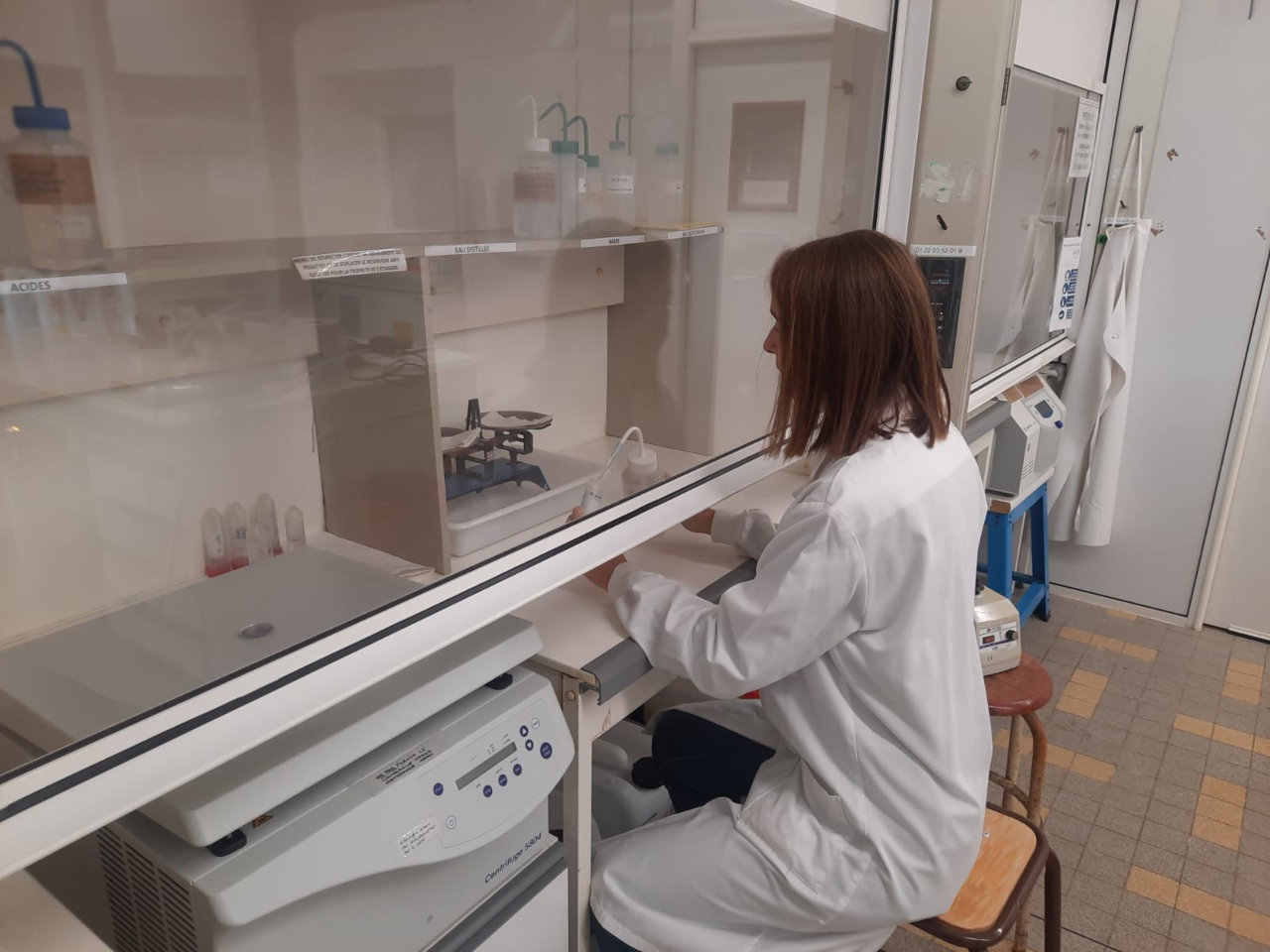
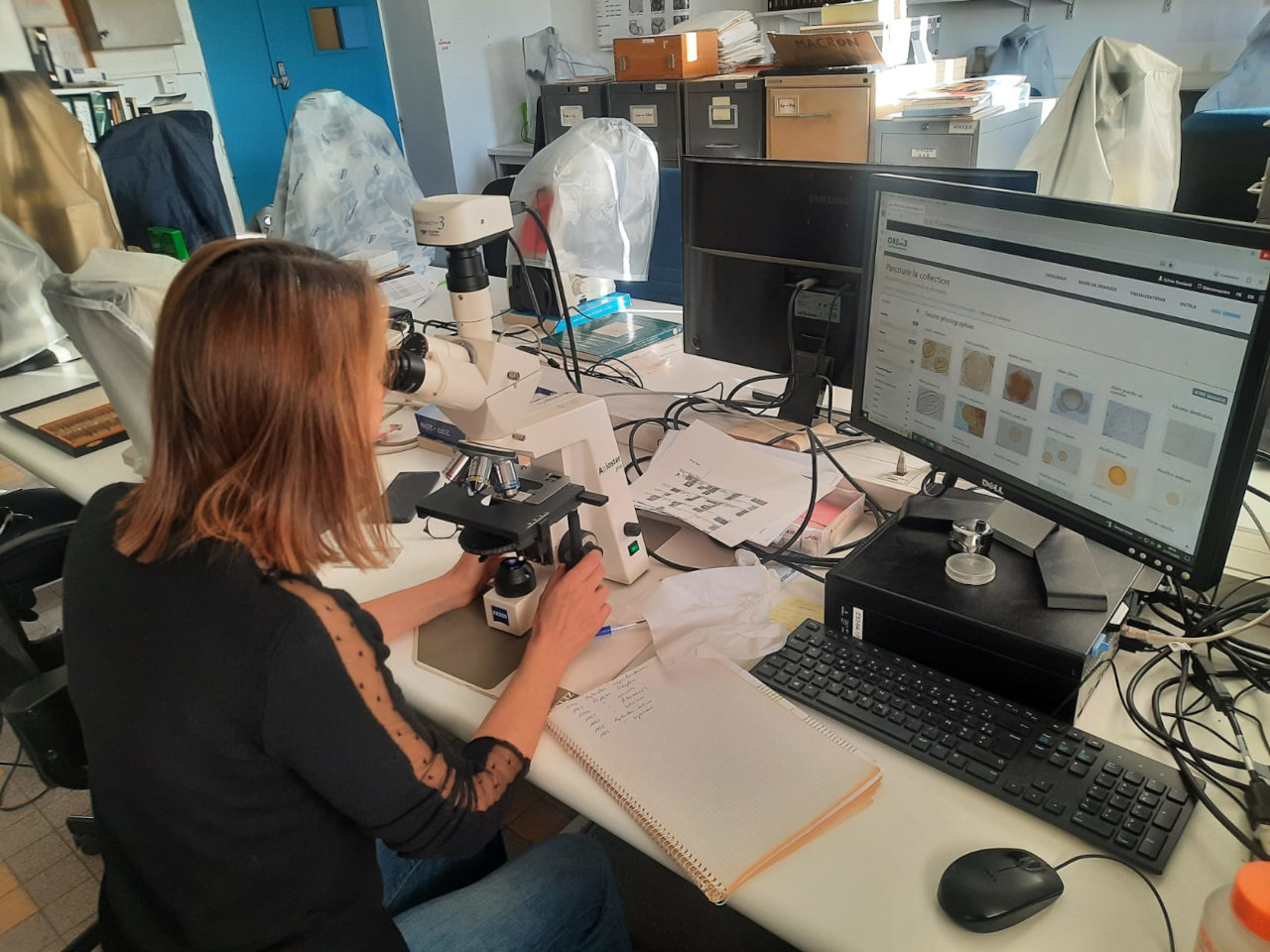
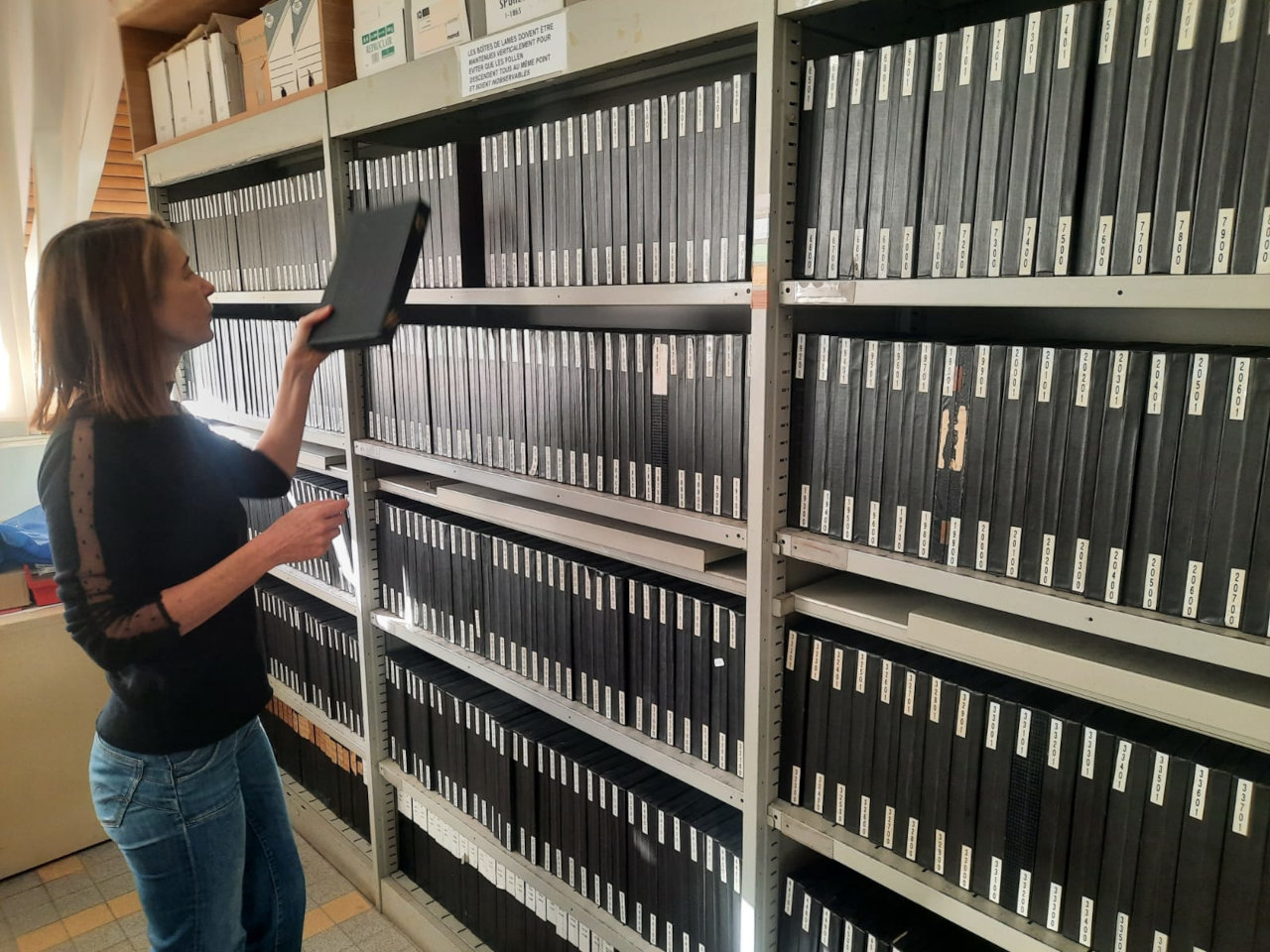
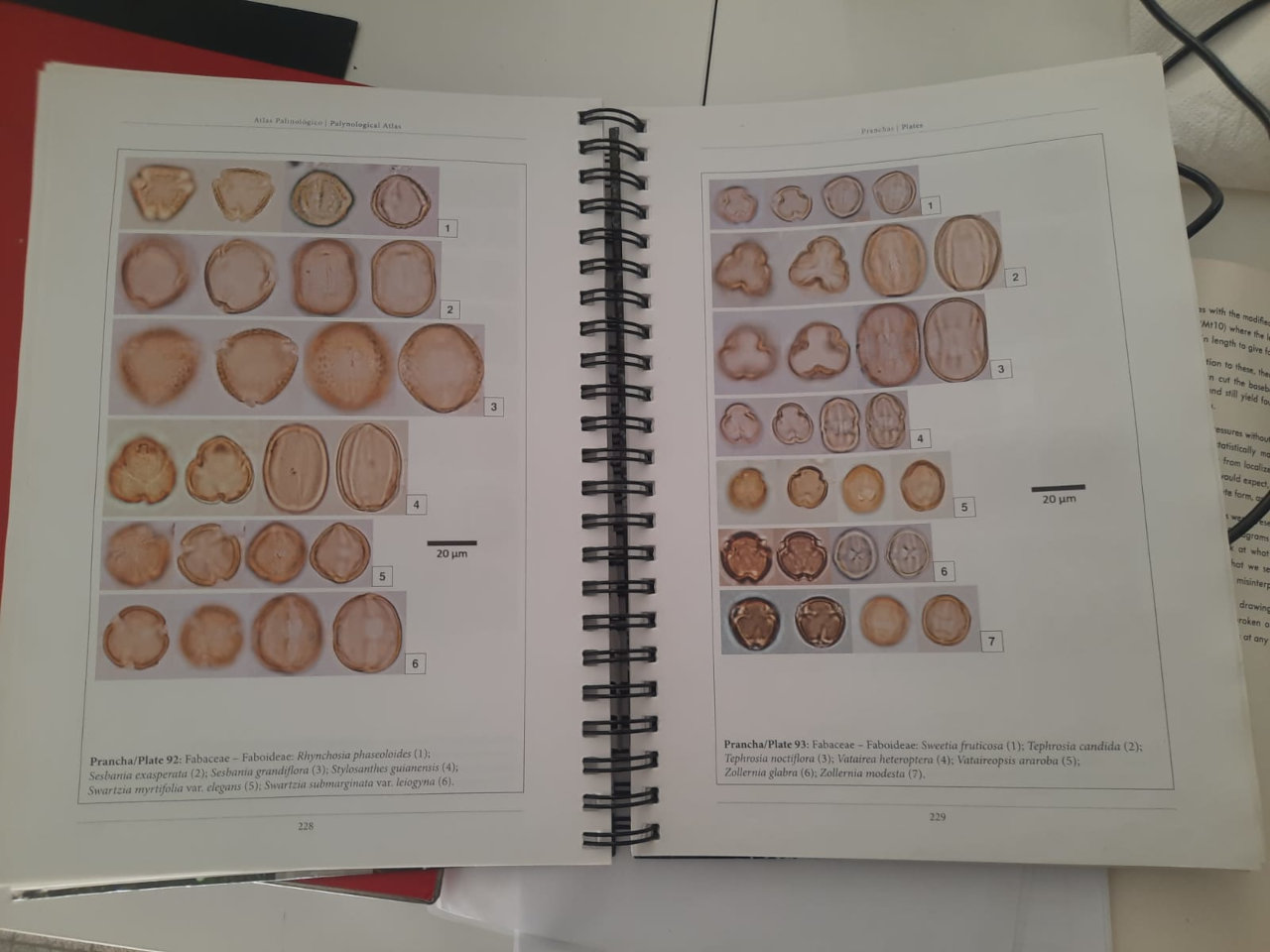
In the second half of the program, we stay at ISEM for our second report and head to the palynology lab, which—as its name doesn’t necessarily suggest—is dedicated to the study of pollen grains. Sylvie Rouland shows us how to extract pollen grains from sediments and then identify them under a microscope. With nearly 30,000 taxa, ISEM’s reference collection is one of the largest palynological collections in the world.
At "UM : Science," here's the lineup—let's get started!
Co-production: Divergence FM / University of Montpellier
Host: Lucie Lecherbonnier
Interview: Lucie Lecherbonnier / Aline Périault
Reporting: Aline Périault
Director: Alice Rollet
Listen to the show “A l’UM la science” on Divergence FM 93.9

Check out theUM podcasts, now available on your favorite platform (Spotify, Deezer, Apple Podcasts, Amazon Music, etc.).