Science at UM [S05-ep06]: When Fishing Gets in the Way
This week on "Science at UM," Gaël Mariani from the Marbec talks to us about the impact of global warming and fishing on carbon storage in the oceans. The report takes us to the aquaponics training unit at Smel with Gérard Sposito. A program broadcast every Wednesday on Divergence.
The mention of the ocean can evoke a multitude of images. For some, it is a source of life and sustenance; for others, a place for recreation, competition, or transit. It may be a source of fear or, conversely, a source of poetic inspiration, but for all of us who inhabit this planet—human and non-human animals alike—it is an indispensable carbon sink essential to sustaining life on Earth under acceptable conditions. But for how much longer?
While the ocean—and particularly the biomass it supports—does indeed store a significant amount of the CO2 emitted by human activities, those same activities, and fishing in particular, are depleting its fish stocks a little more each day, thereby limiting its ability to store carbon.
In 2022, we welcomed Anaëlle Durfort for a discussion on carbon sequestration in whale carcasses. Today we welcome Gaël Mariani, a doctoral student at the Marbec marine biology laboratory, who has quantified the combined effect of climate change and fishing on marine macrofauna and projected it onto carbon sequestration by the year 2100. His article, titled “The combined impact of fishing and climate change on future carbon sequestration by ocean macrofauna,” was published in Nature Communications.
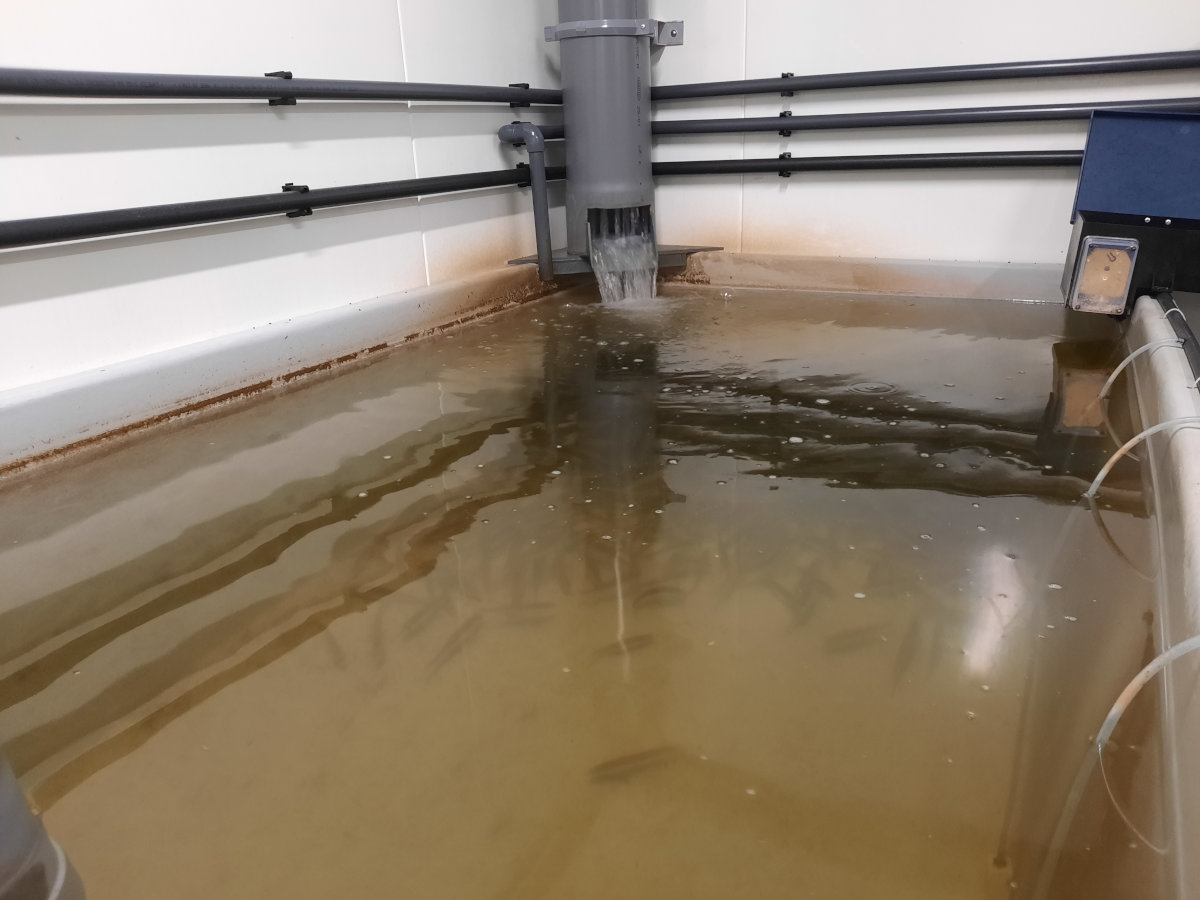
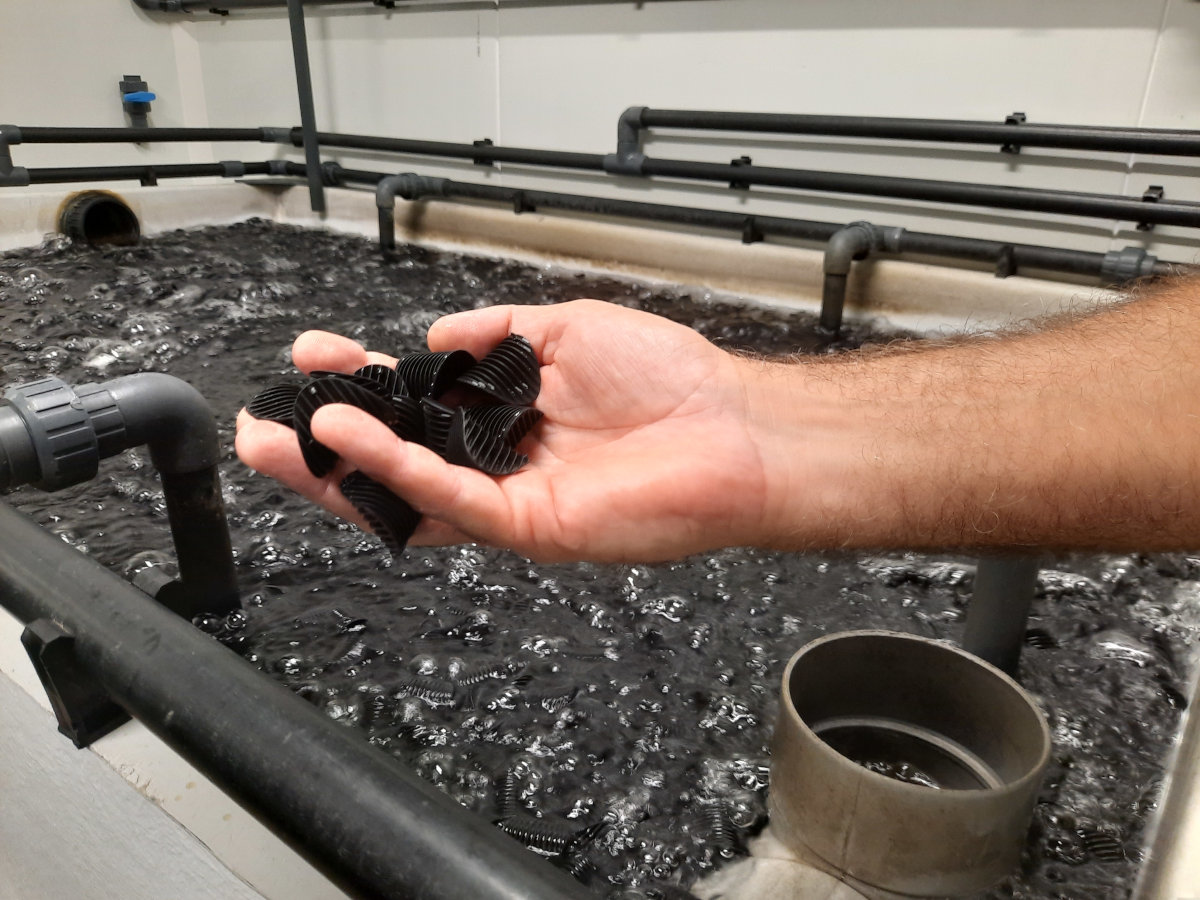
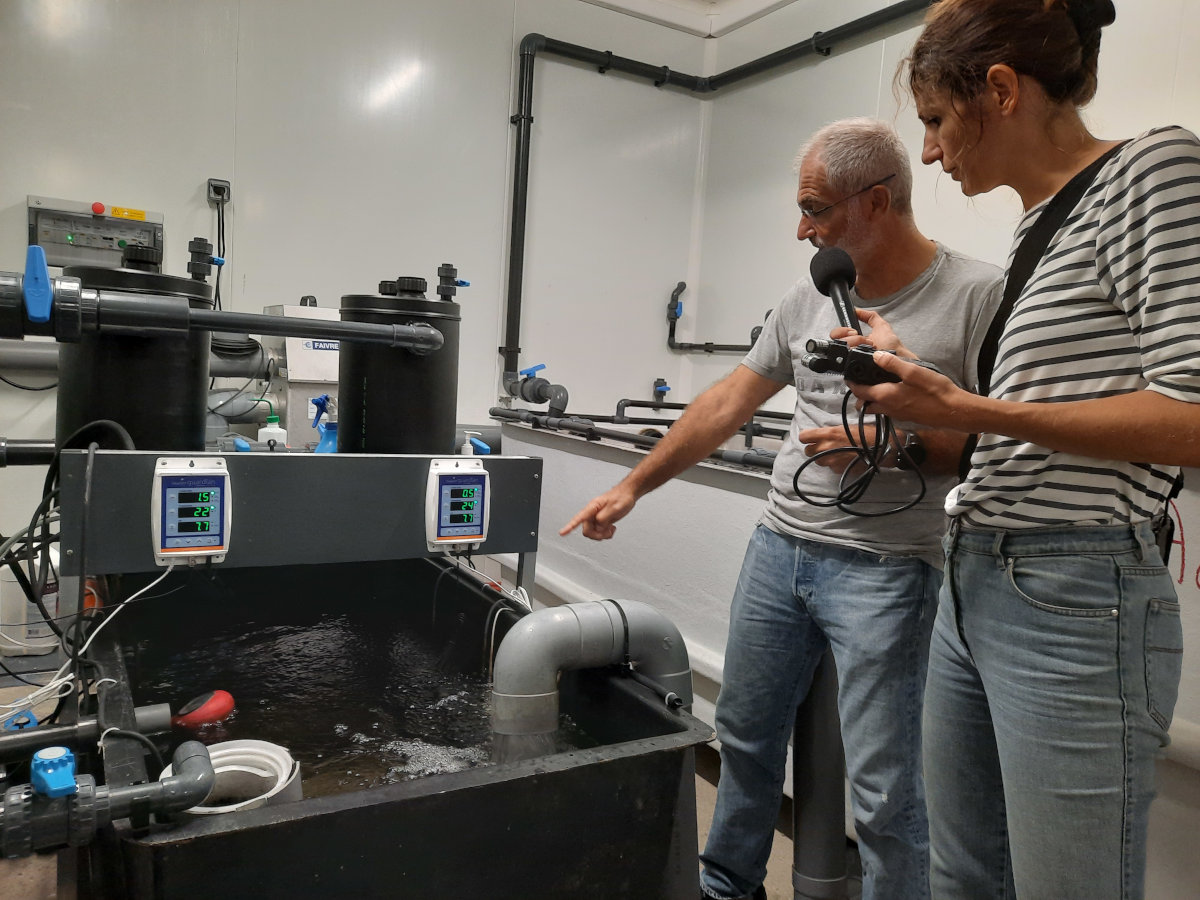
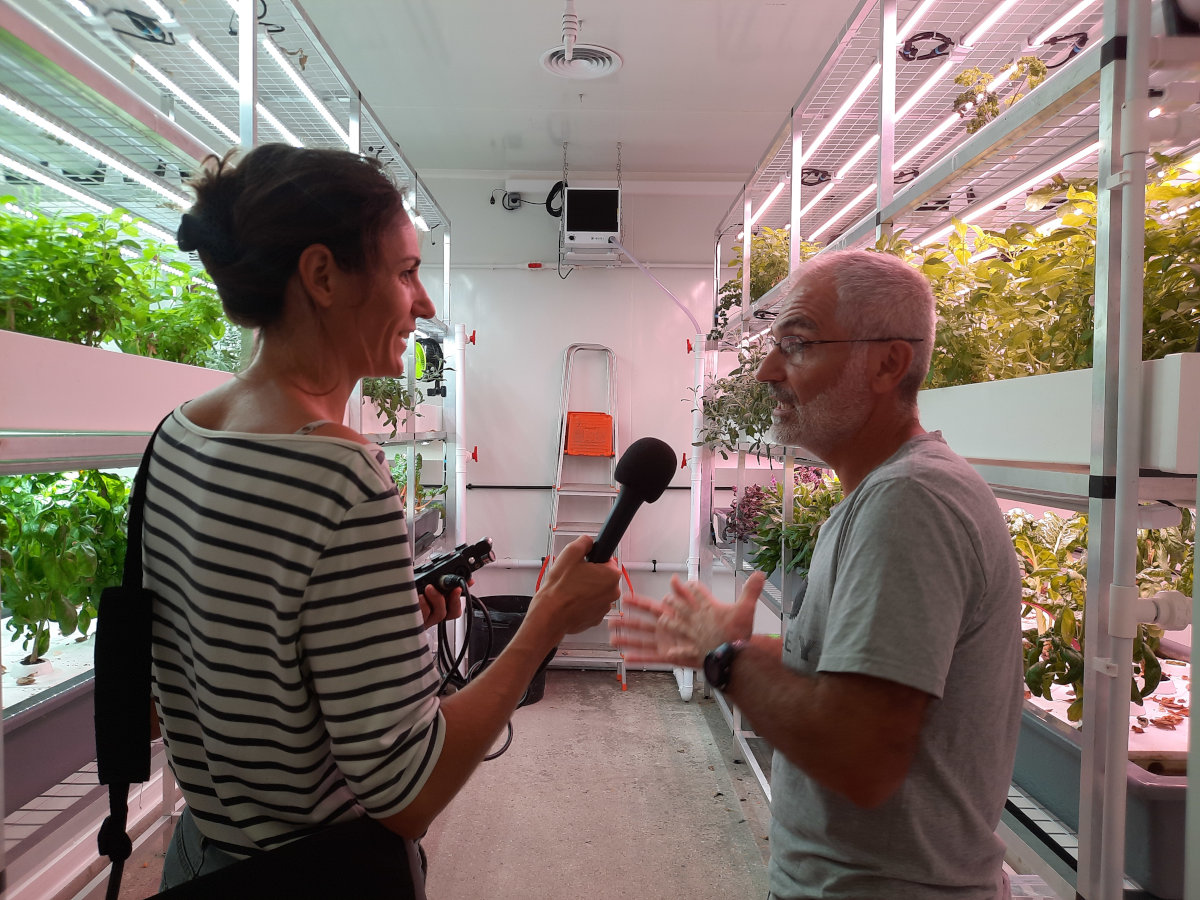
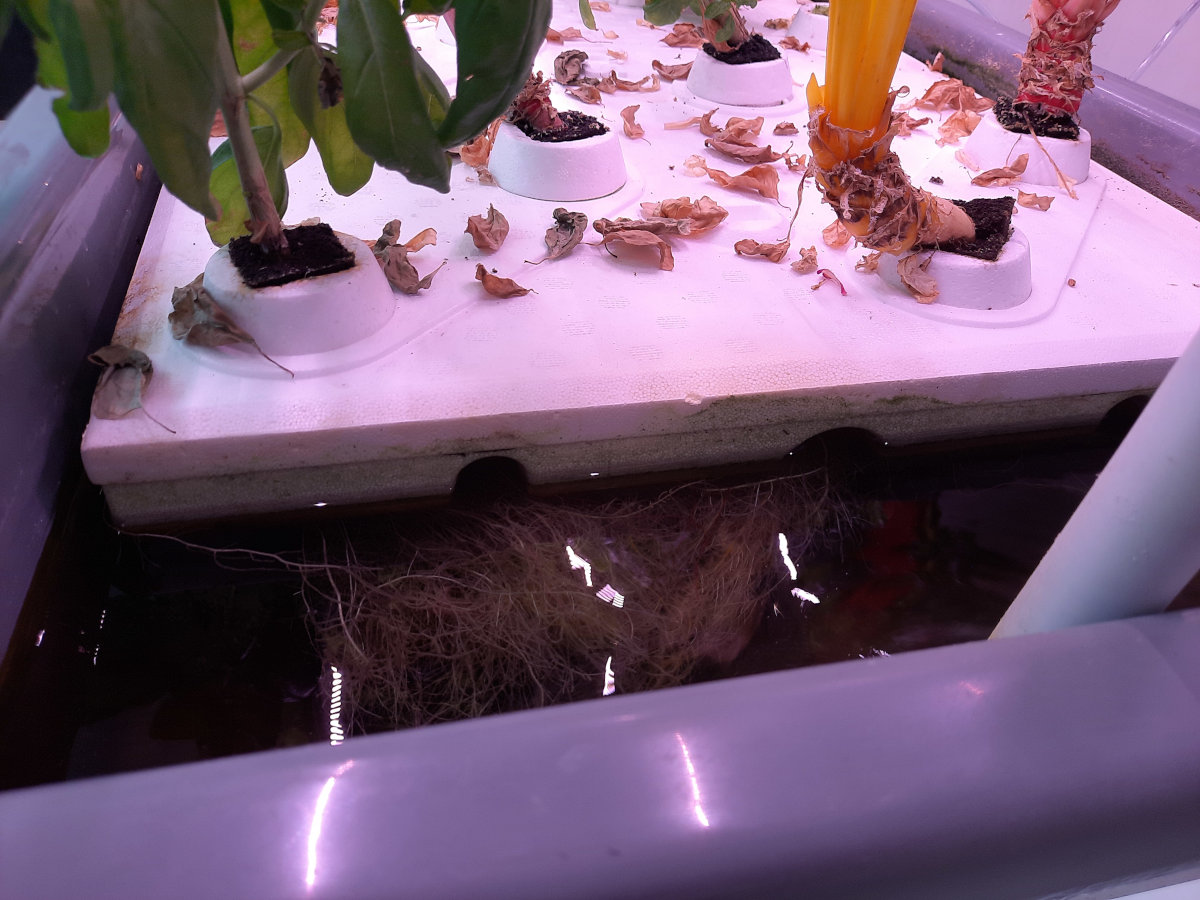
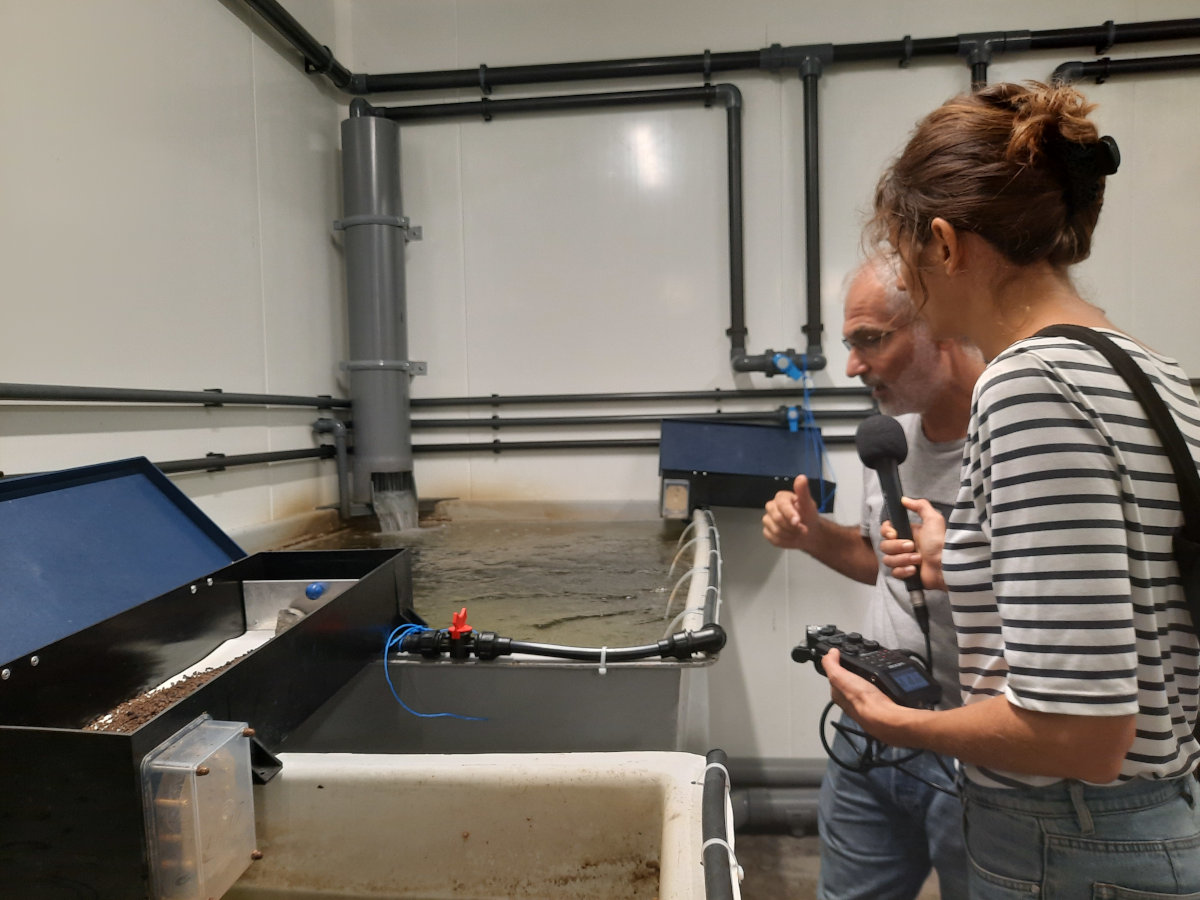
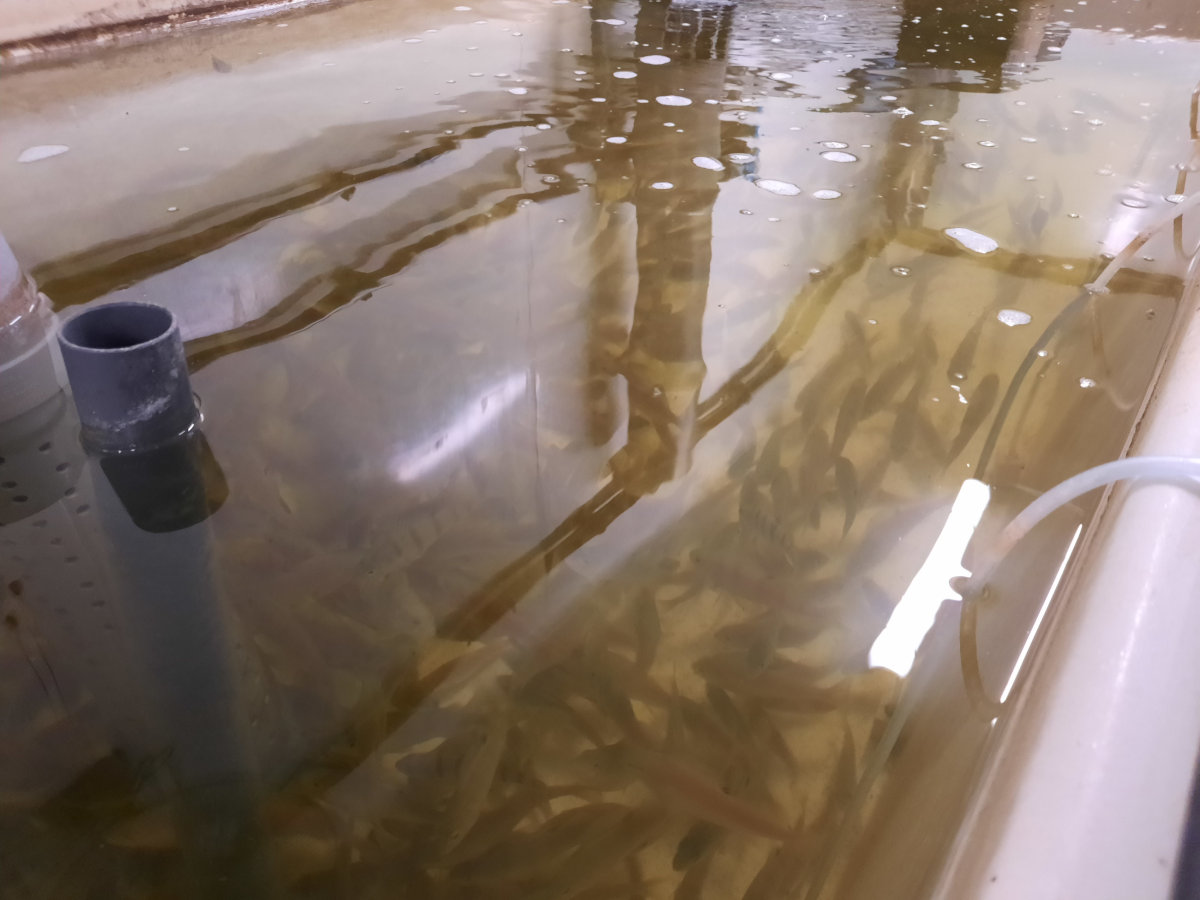
In the second half of the program, we’re rebroadcasting a report filmed at the aquaponics training facility at the Mediterranean Coastal Environment Station. Gérard Sposito, a project manager in the continuing education department of the aquaculture division, explains how fish and plants can be raised and grown in the same system.
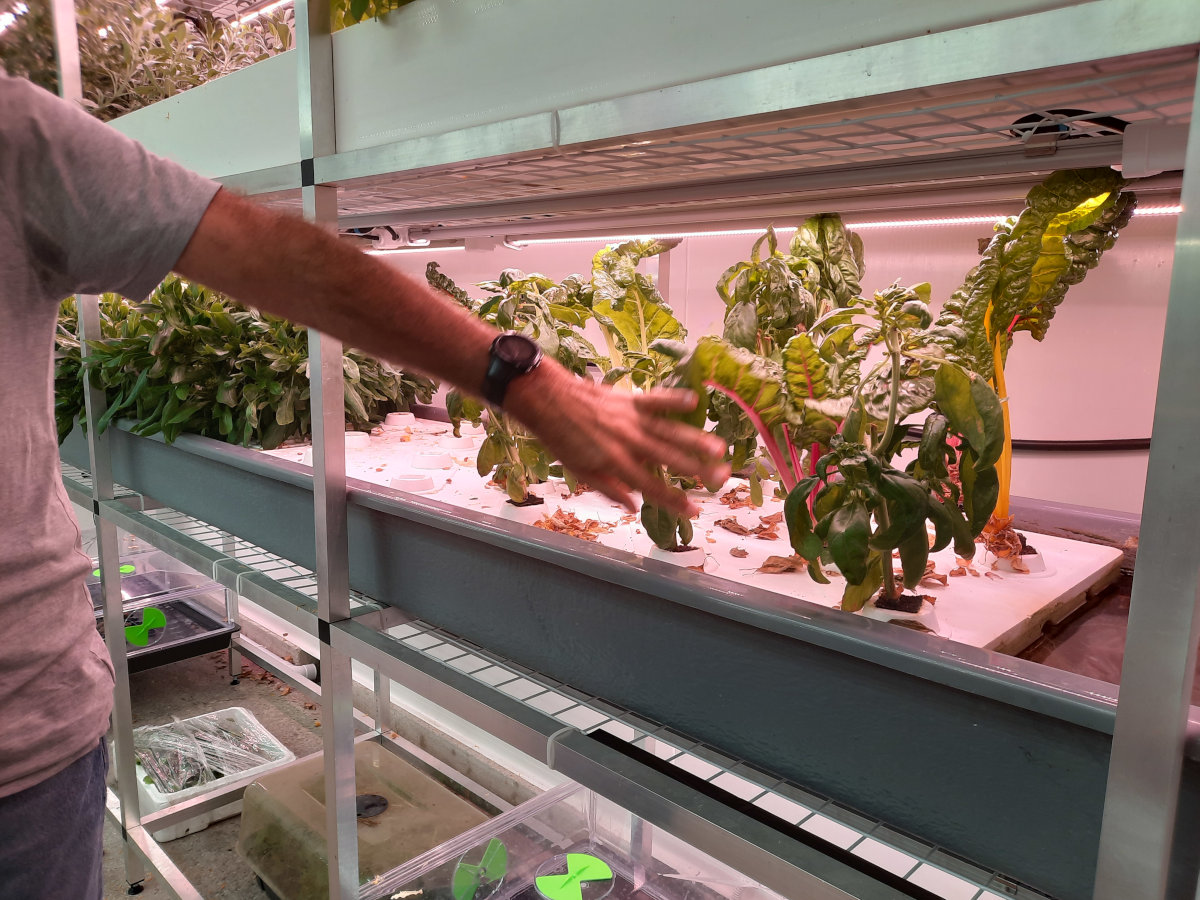
Finally, our last-minute guest is Jean Caelen; he is a member of the Arum association and is organizing a lecture on Auguste Comte on January 21.
At UM Science, you’ve got the program—let’s get started!
Co-production: Divergence FM / University of Montpellier
Host: Lucie Lecherbonnier
Interview: Lucie Lecherbonnier / Aline Périault
Report: Lucie Lecherbonnier / Aline Périault
Director: Alice Rollet
Tune in to the show “A l’UM la science” on Divergence FM 93.9
UM podcasts are now available on your favorite platform (Spotify, Deezer, Apple Podcasts, Amazon Music, etc.).