Balancing School, Career, and Passion
The University of Montpellier is taking a new step forward in its commitment to inclusion and support for its students with the introduction of three new specific categories of status. Following the creation of categories for people with disabilities and elite athletes, the university is expanding its support to include artists, employees, and entrepreneurs. The goal? To better address their realities and aspirations, thereby enabling a better balance between their studies and their professional or artistic pursuits.
The various specific statuses for students fall under the Special Study Regime (RSE), as defined by Article 12 of the decree of January 22, 2014. This decree aims to establish essential accommodations to enable the students concerned to pursue and successfully complete their university studies, while taking into account their challenges, constraints, and specific circumstances. Until now, students with disabilities and elite athletes were eligible for special status. It is now available to students who are artists, employees, and entrepreneurs.
Educational Success Agreement
Granted for one semester or a full academic year, the terms and conditions require an annual renewal application for students who wish to benefit from them throughout their entire course of study. After approval by a dedicated committee, an academic success agreement formalizes the commitments and accommodations agreed upon by both parties. It is important that students honor their commitments, particularly those related to their status—such as participating in intercollegiate competitions for elite athletes—or risk losing that status.
Finally, each academic unit, school, and institute has the freedom to adapt this system, thereby allowing for greater flexibility in its implementation. “The primary goal is to recognize the unique characteristics of student profiles and to offer a more tailored and flexible framework for tailoring academic paths without compromising academic standards,” says Agnès Fichard-Carroll, vice president for academic affairs and campus life.
Art student
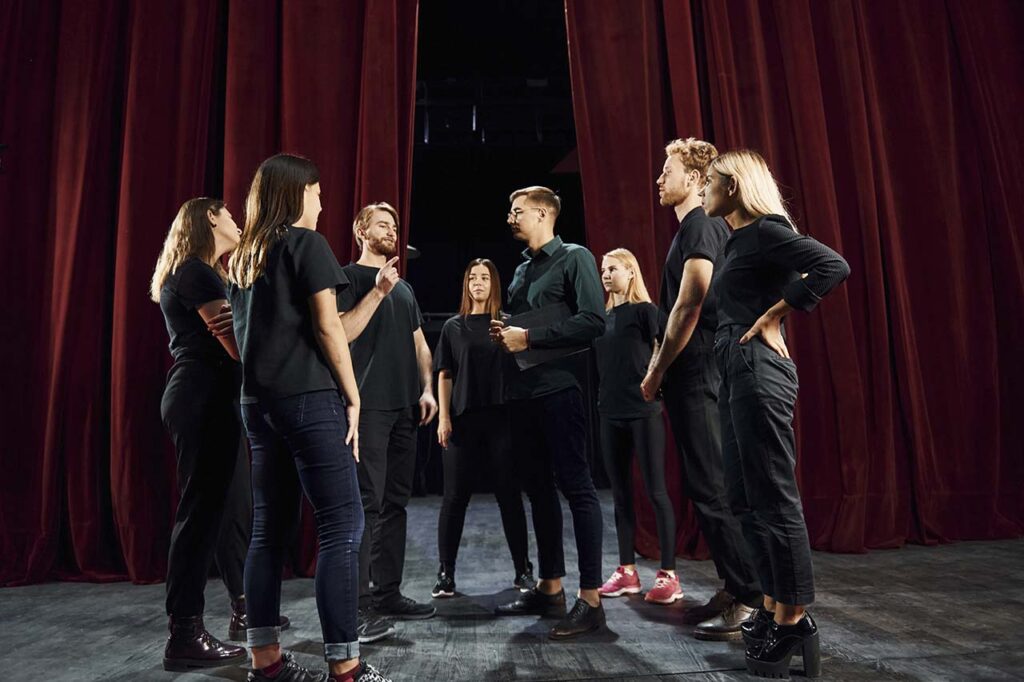
The “student artist” status is a specific program designed to allow students to balance their university studies with intensive artistic practice, while supporting them in developing their artistic practice into a professional career. To date, applications for this status have been submitted by students in disciplines such as music, dance, and theater. However, this status remains open to other artistic disciplines.
Still relatively uncommon, this program is recognized at fewer than 100 institutions in France. “Although the University of Montpellier does not offer an arts program, it is nonetheless rich in talent, and we needed to help these students emerge. ” Thus , in addition to allowing for flexibility in academic planning, this status offers personalized monitoring of the student’s artistic development, with specific guidance aimed at professionalizing their approach and facilitating their entry into the art world.”
Student and Student Entrepreneur
The “innovative student entrepreneur” status is a specific academic program designed for students in their third year or higher. To qualify, applicants must submit an application demonstrating their commitment to an innovative entrepreneurial project. This project must, in particular, address the challenges outlined by the I-Site label of excellence, which is centered on three major areas: feeding, caring for, and protecting. The application must highlight the student’s creation of a professional venture as well as their active involvement in initiatives that address these major societal challenges. Support for the project will be provided, in particular, through the University Innovation Hub (PUI).
Students Who Work
Student-employee status at the University of Montpellier is available to any student enrolled in a full-time program leading to a national degree, with the exception of work-study programs. This status allows students to balance their studies with employment, provided they meet certain criteria related to the duration and number of hours specified in their employment contract. For an employment contract of fewer than 12 consecutive weeks, the student must work a minimum of 10 hours per week, or 40 hours per month. However, for a contract lasting more than 12 weeks, a minimum of 120 hours of work per semester or 240 hours over the academic year is required. This program thus offers flexibility to students who are combining their studies with a job.