Eastern Occitanie Regional Final of the “My Thesis in 180 Seconds” Competition: The University of Montpellier Takes Center Stage
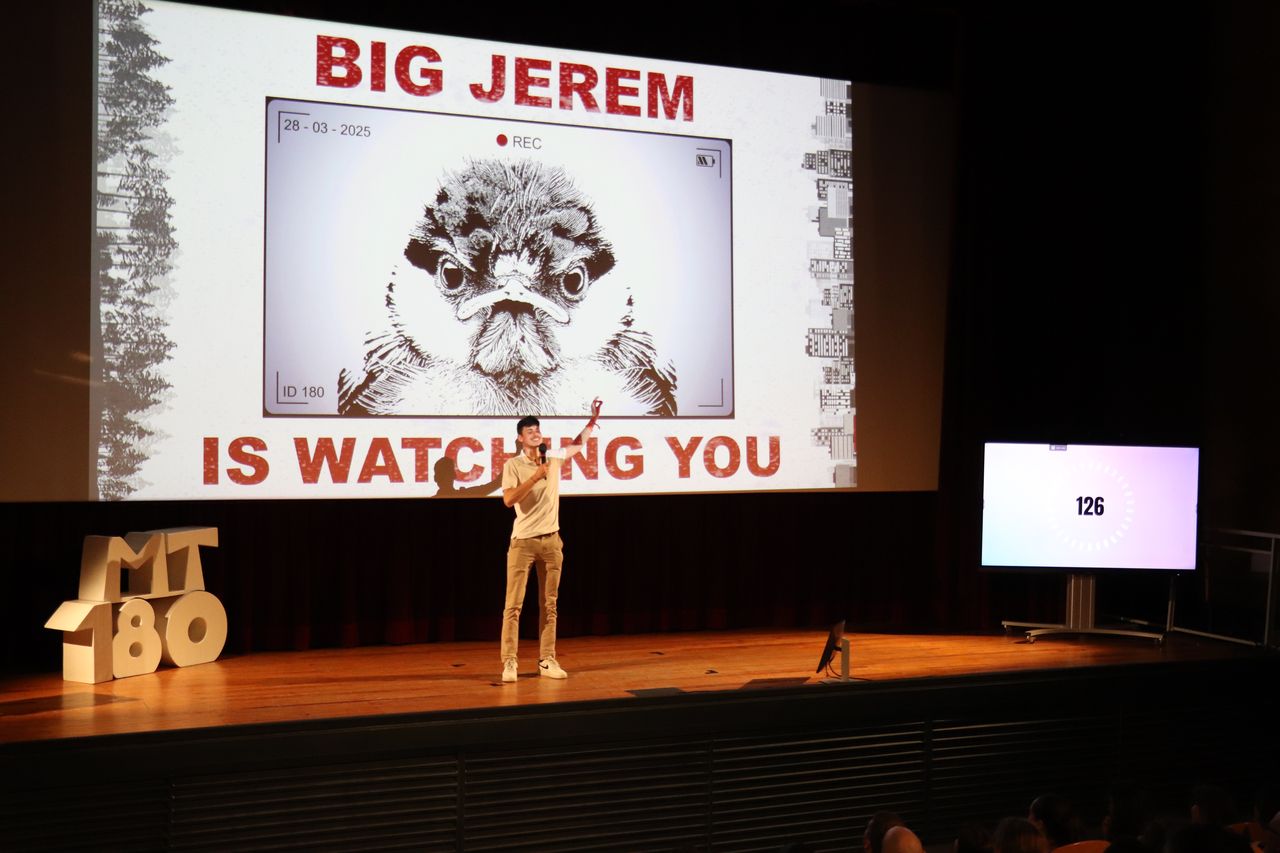
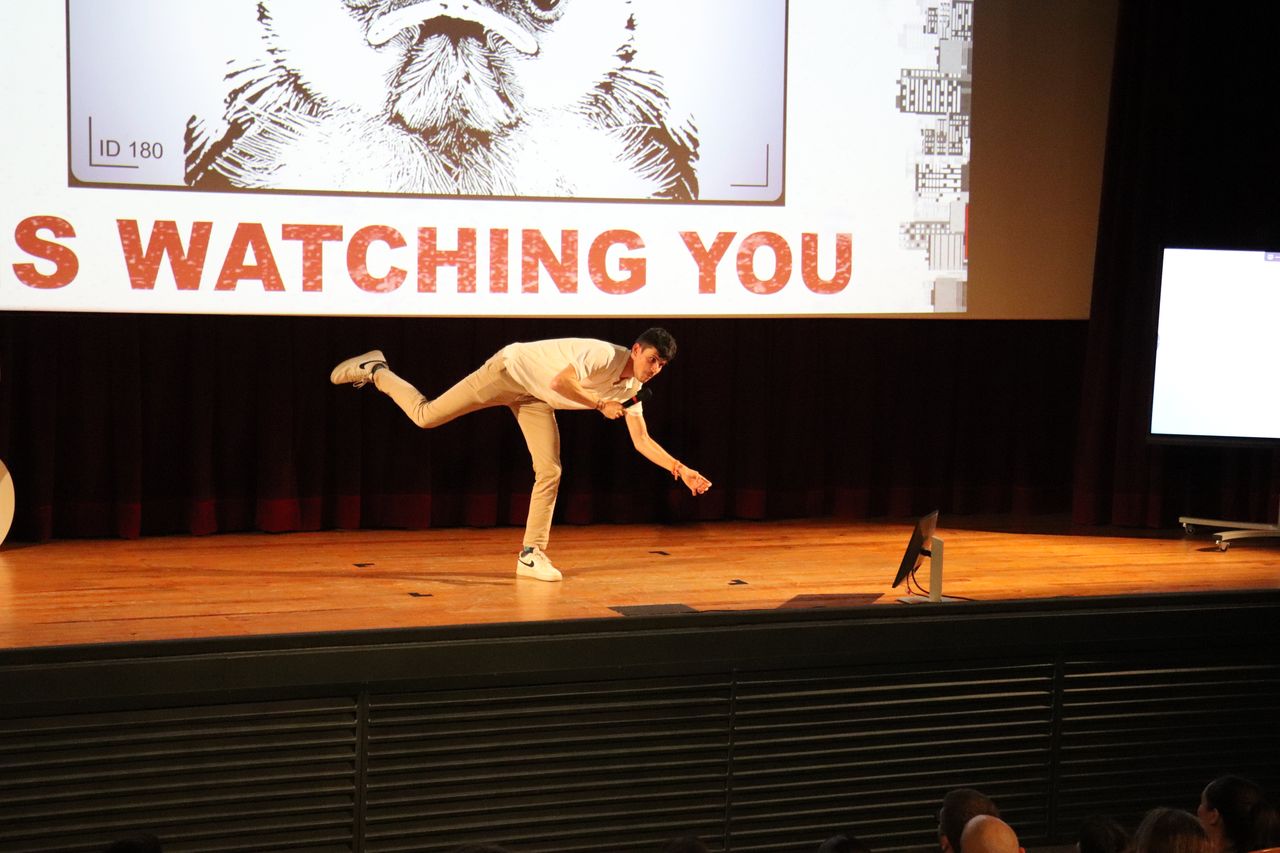
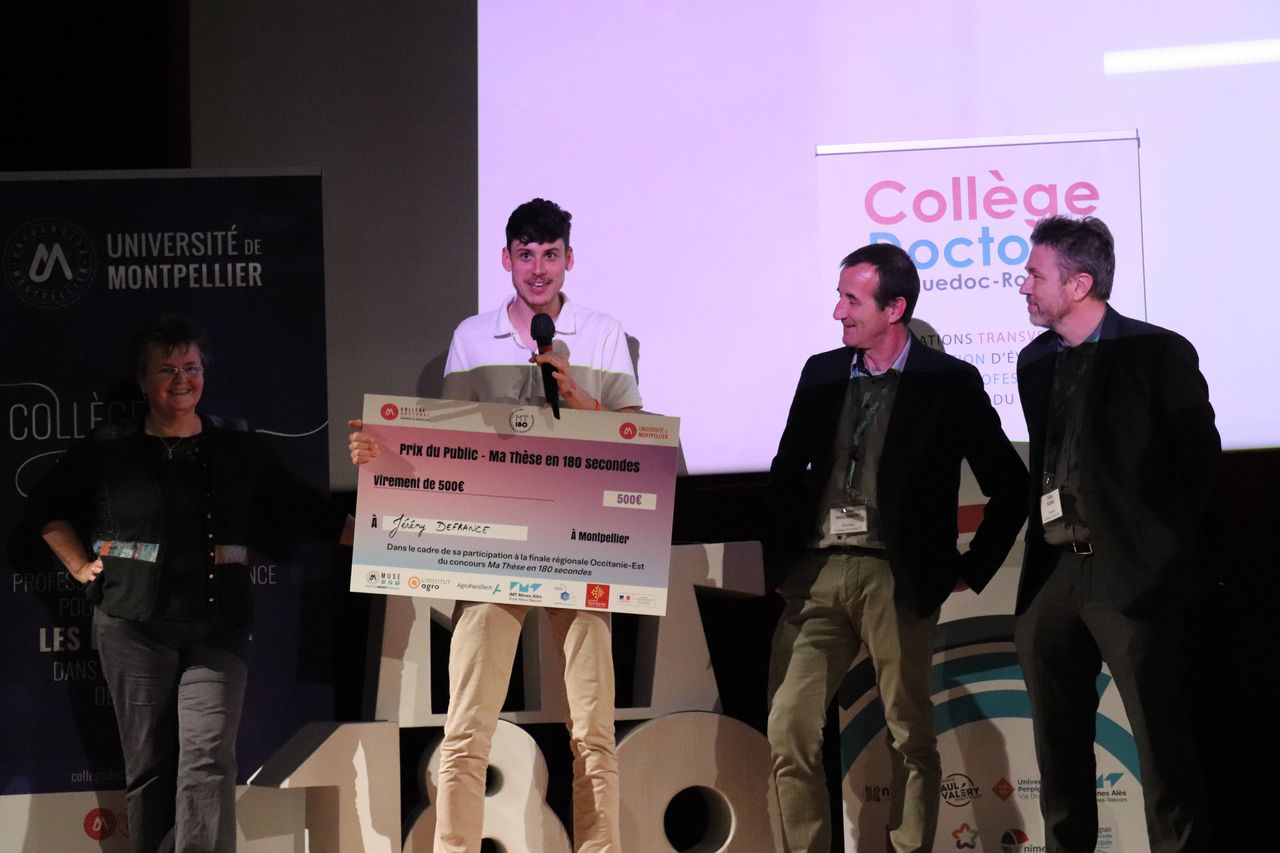
On Friday, March 28, 2025, the Eastern Occitanie regional final of the “My Thesis in 180 Seconds” competition was held, an event organized by the LR Doctoral College and the Doctoral College of theUM , which showcases talent in research. Jérémy Defrance, winner of the jury’sfirst prize and the audience award, will represent the University of Montpellier by joining the 16 candidates selected for the national final, which will take place on June 17, 2025, at La Villette in Paris.
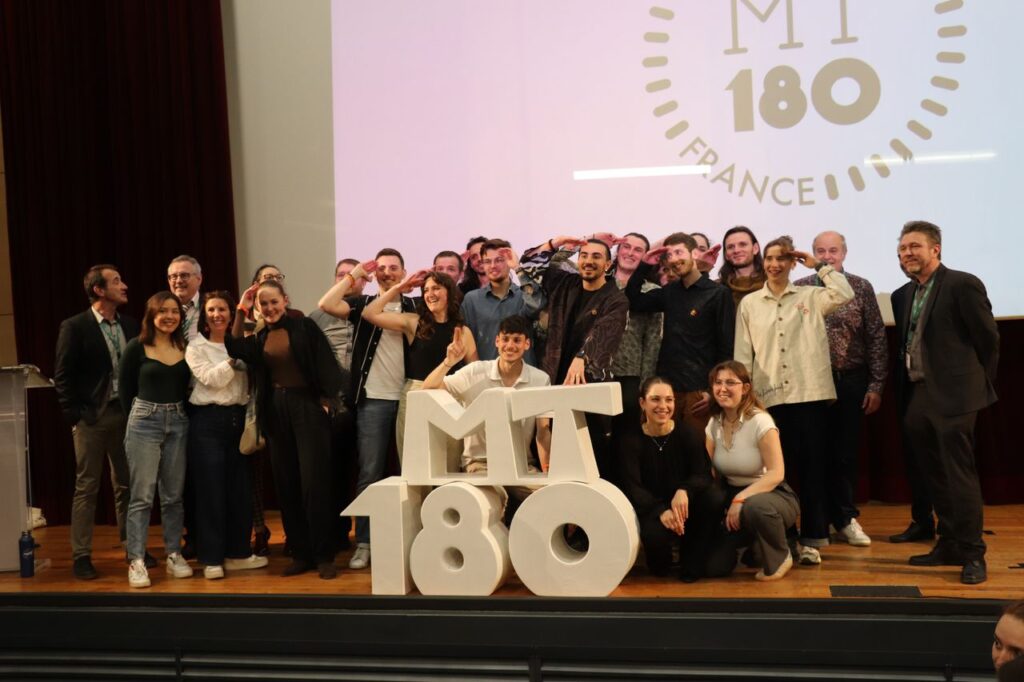
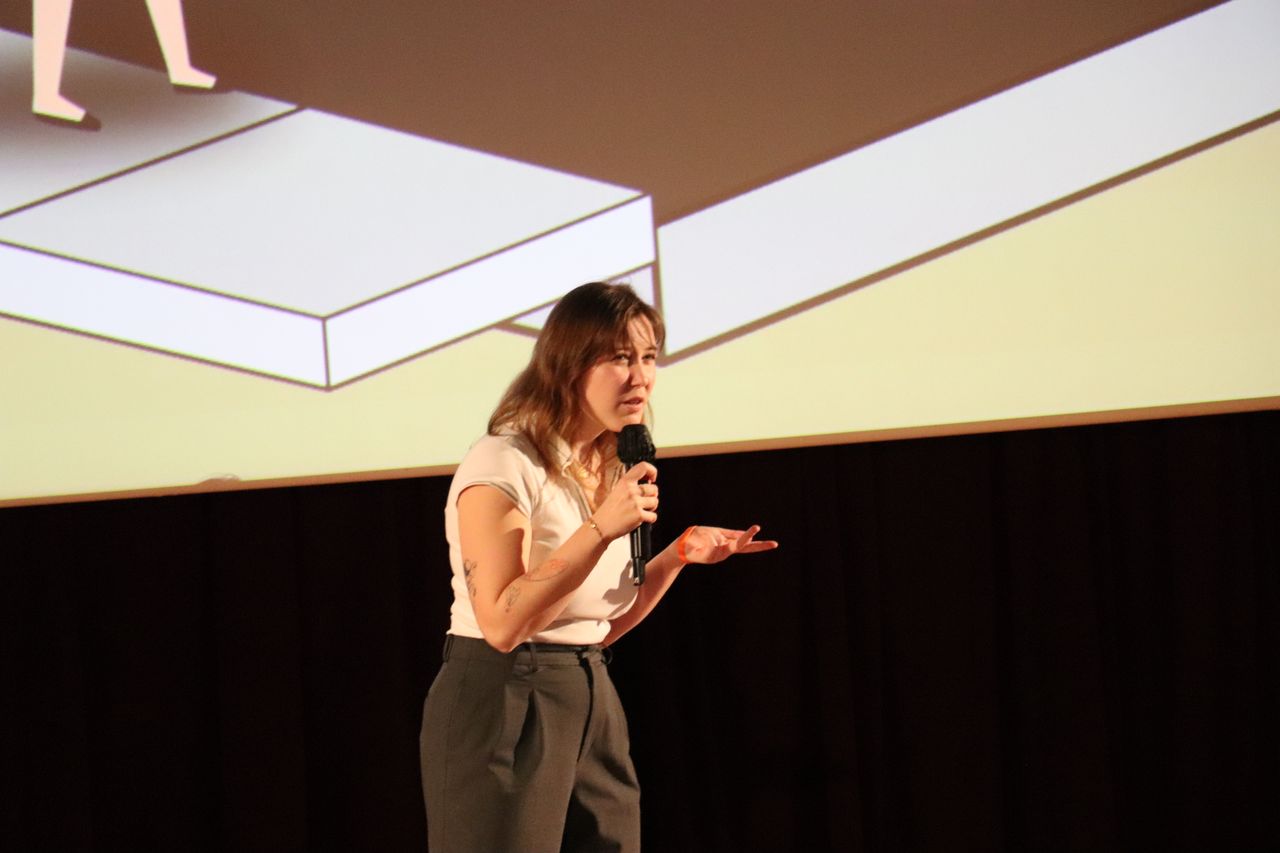
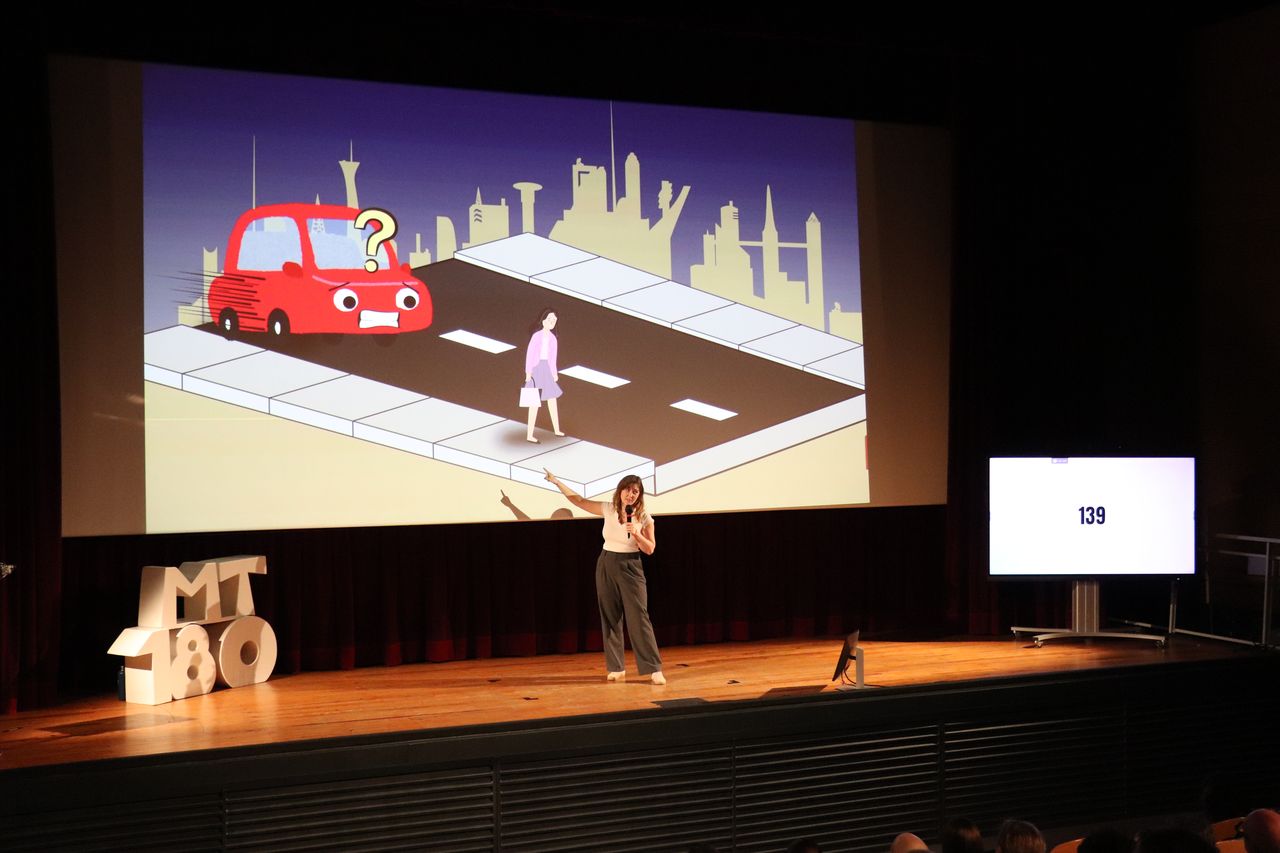
Twenty doctoral researchers s presented their research in just three minutes to an enthusiastic and diverse audience that had turned out in large numbers at the Centre Rabelais in Montpellier. The goal? To allow them to present their thesis in exactly three minutes, using a single slide. A demanding challenge in which clarity, eloquence, and the ability to communicate effectively are essential.
With 13 of the 20 finalists coming from its ranks—including the three winners selected by the jury and the public—the University of Montpellier stood out, demonstrating its scientific influence.
2025 Awards
Jury Prize and Audience Award
Jérémy Defrance, University of Montpellier
, GAIA Doctoral School, Center for Functional and Evolutionary Ecology (CEFE) (UM, UMPV, CNRS, INRAE, IRD, Institut Agro, EPHE).
Thesis Topic: “Assessment of the Role of Spatiotemporal Variation in Resources on the Differentiation Observed in the Great Tit (Parus major) in Urban Habitats.”
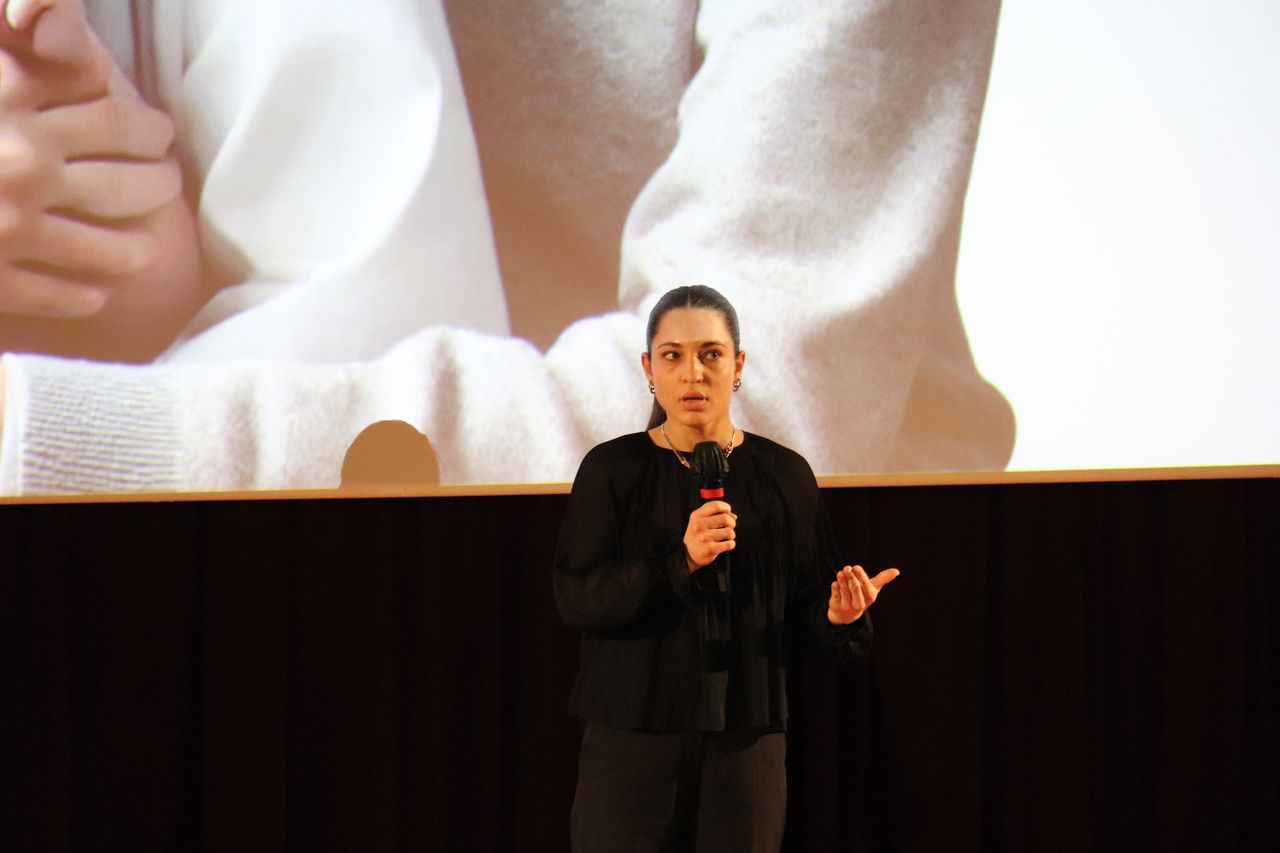
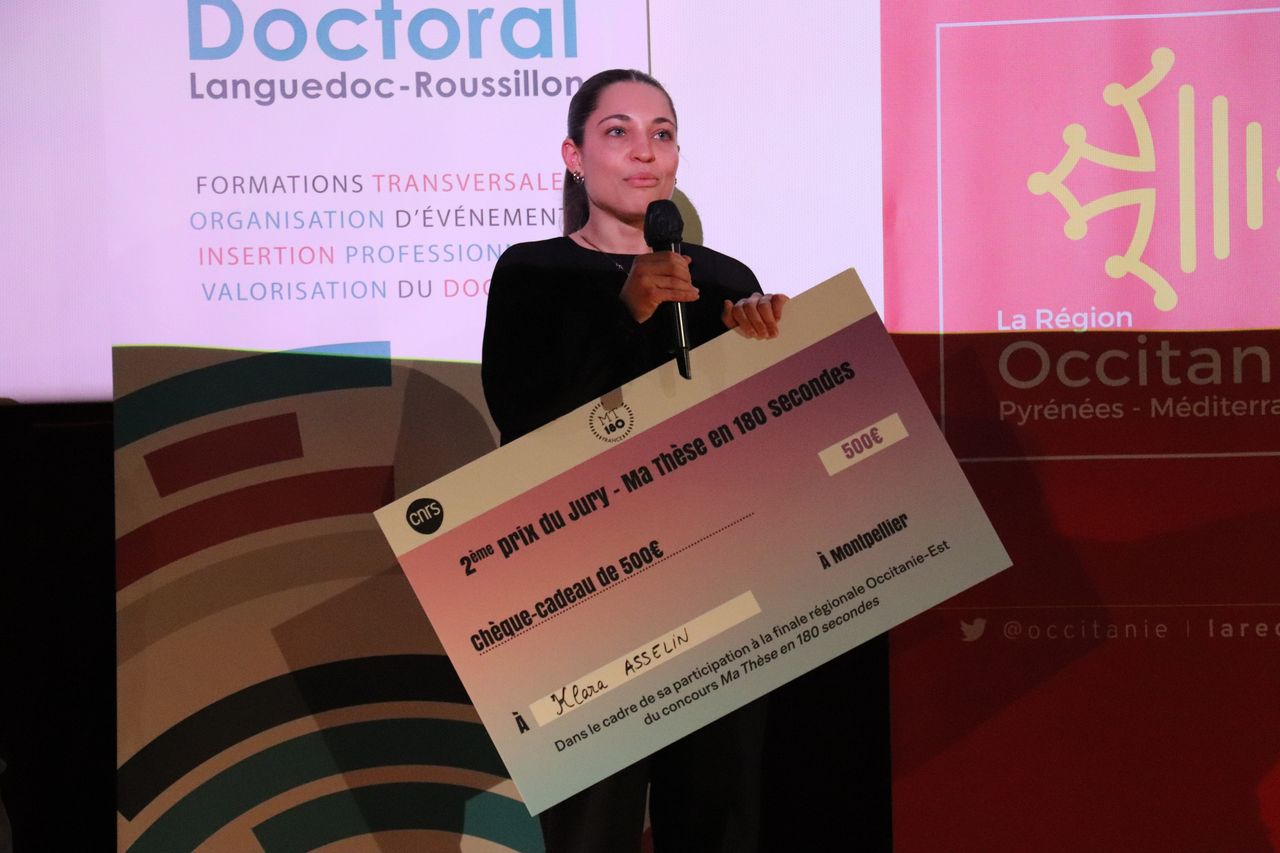
2nd Jury Prize
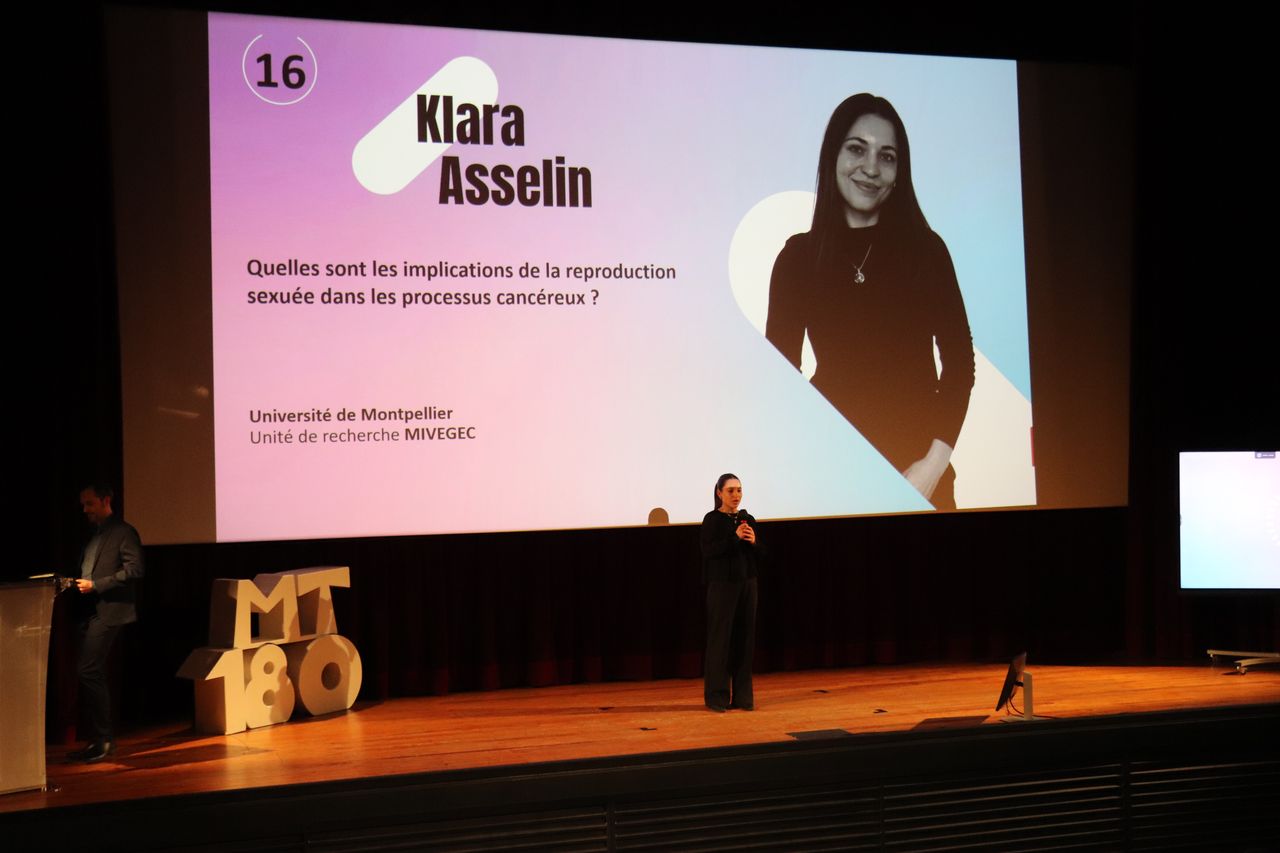
Klara Asselin, University of Montpellier
GAIA Doctoral School, UMR Mivegec – Infectious Diseases and Vectors, Genetic Ecology (UM CNRS, INRAE, IRD)
Thesis Topic: “Does Sexual Reproduction Limit the Vertical Transmission of Cancers?”
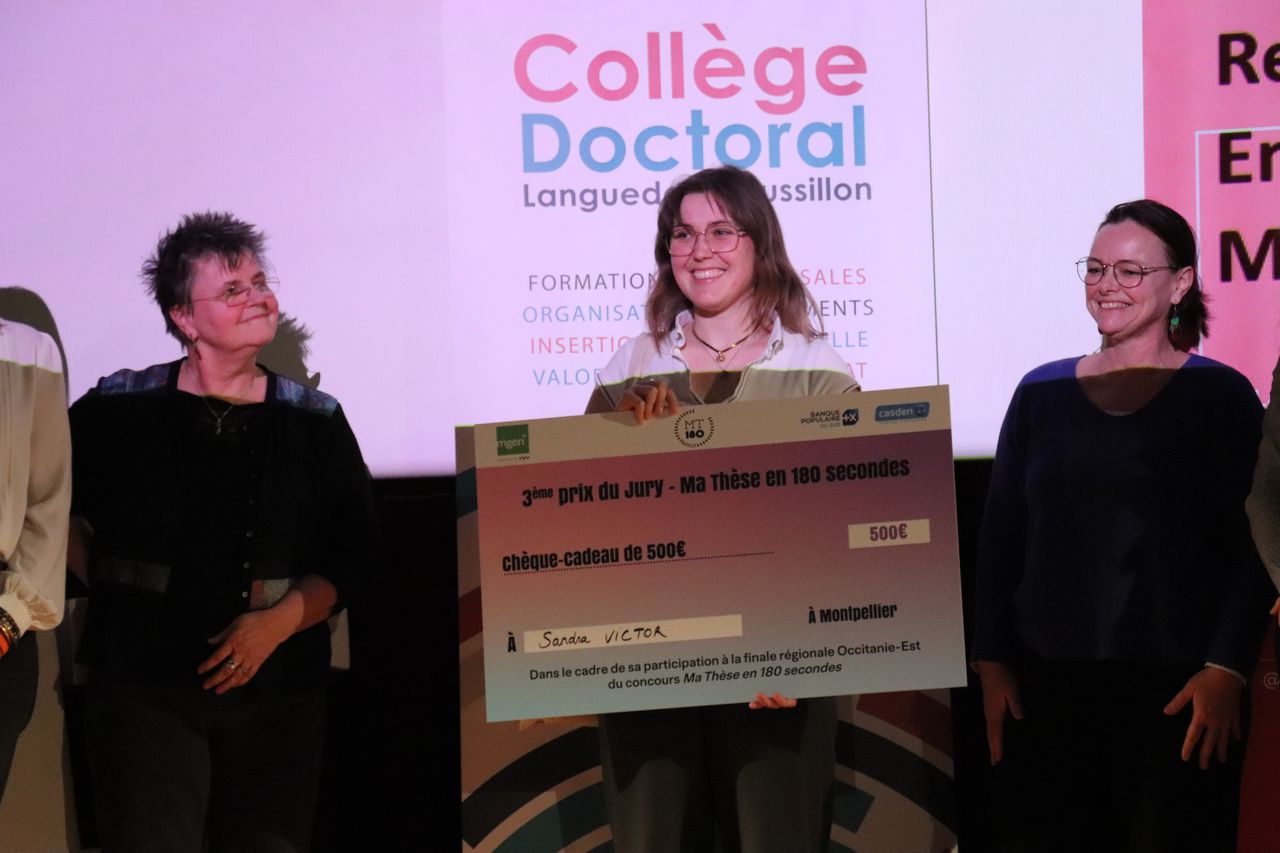
3rd Prize from the Jury
Sandra Victor, University of Montpellier
I2S Doctoral School, Montpellier Laboratory of Computer Science, Robotics, and Microelectronics – LIRMM (UM, CNRS)
Thesis Topic: “Analysis and Hybrid Computational Modeling of Human Behavior During Interactions with Intelligent Automated Agents.”