[LUM#13] The Sea Without Humans
What happens at sea when humans are kept away from the coast? A unique study, led by researchers from the Marine Biodiversity, Exploitation, and Conservation Laboratory (MARBEC / University of Montpellier, IRD, CNRS, Ifremer), aims to assess the return of marine wildlife during the lockdown.
Not a single boat in sight. Deserted beaches. No one at sea. No one except David Mouillot and Julie Deter’s team, along with their researchers, technicians, and divers.“We witnessed scenes straight out of a movie—like something from the end of the world. The coastline was completely empty—it was something we’d never seen before,” says the marine biologist. This team is among the select few who were able to sail the Mediterranean during this very unusual period of lockdown. Their goal: to study marine biodiversity in the absence of any human activity.
Baseline
“It was a wonderful opportunity to obtain a true baseline of the marine environment temporarily spared from human presence. This baseline will, in particular, allow us to more accurately measure the extent of marine biodiversity loss and the impact of the protective measures that have been put in place.” Before this lockdown period, only marine reserves provided a glimpse of what the ocean is like without humans.“A very rough idea, because as we’ve already shown, only the few reserves located far from human activity are sufficiently undisturbed; the others offer only a pale reflection of what biodiversity would be like in the absence of human presence,” emphasizes David Mouillot.
In partnership with Andromède Océanologie and SpyGen—two companies with close ties to theUM , and MARBEC—along with funding from the Water Agency and approval from the maritime prefecture, about ten scientists set sail for a month and a half on a unique observation expedition. “Thiswas also made possible thanks to the commitment and responsiveness of the University of Montpellier and our laboratory, which supported us in this ambitious project.”
A bold project
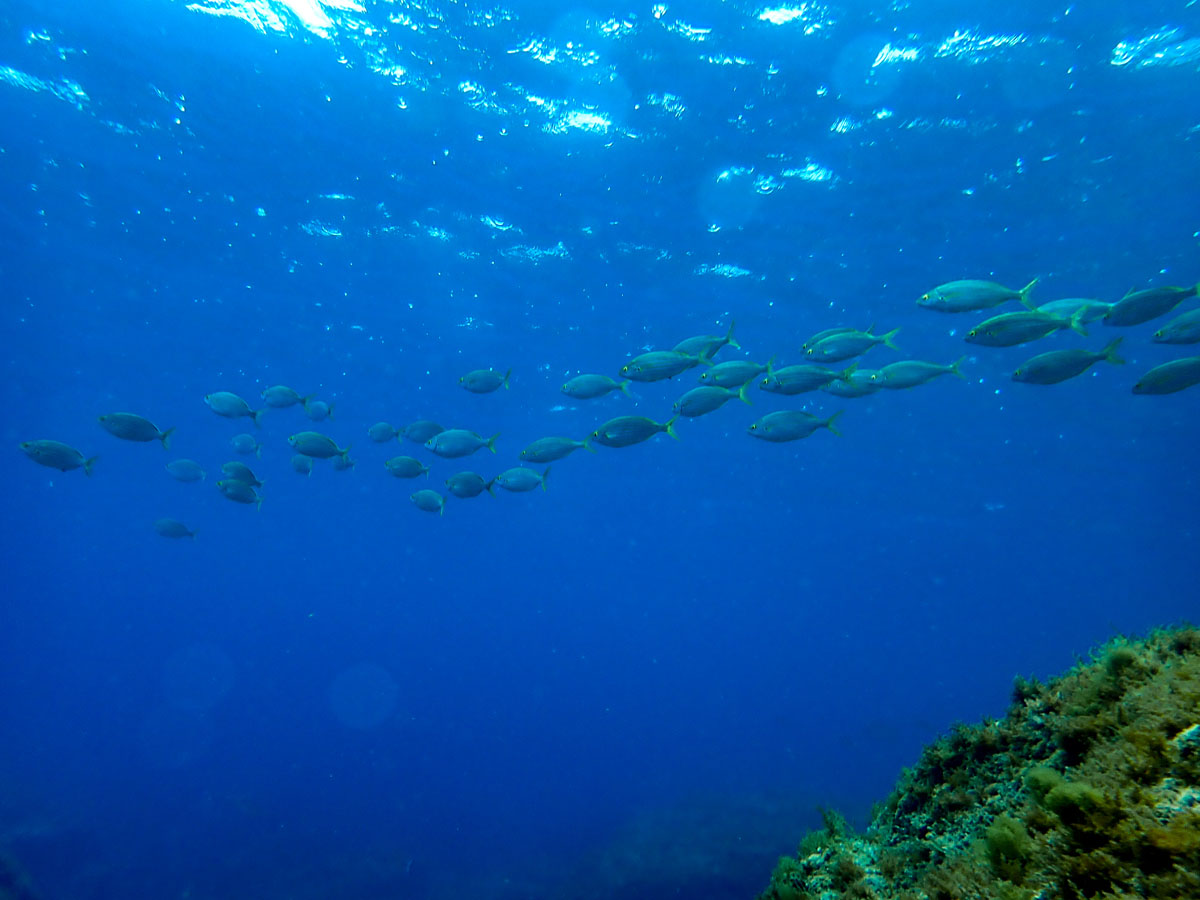
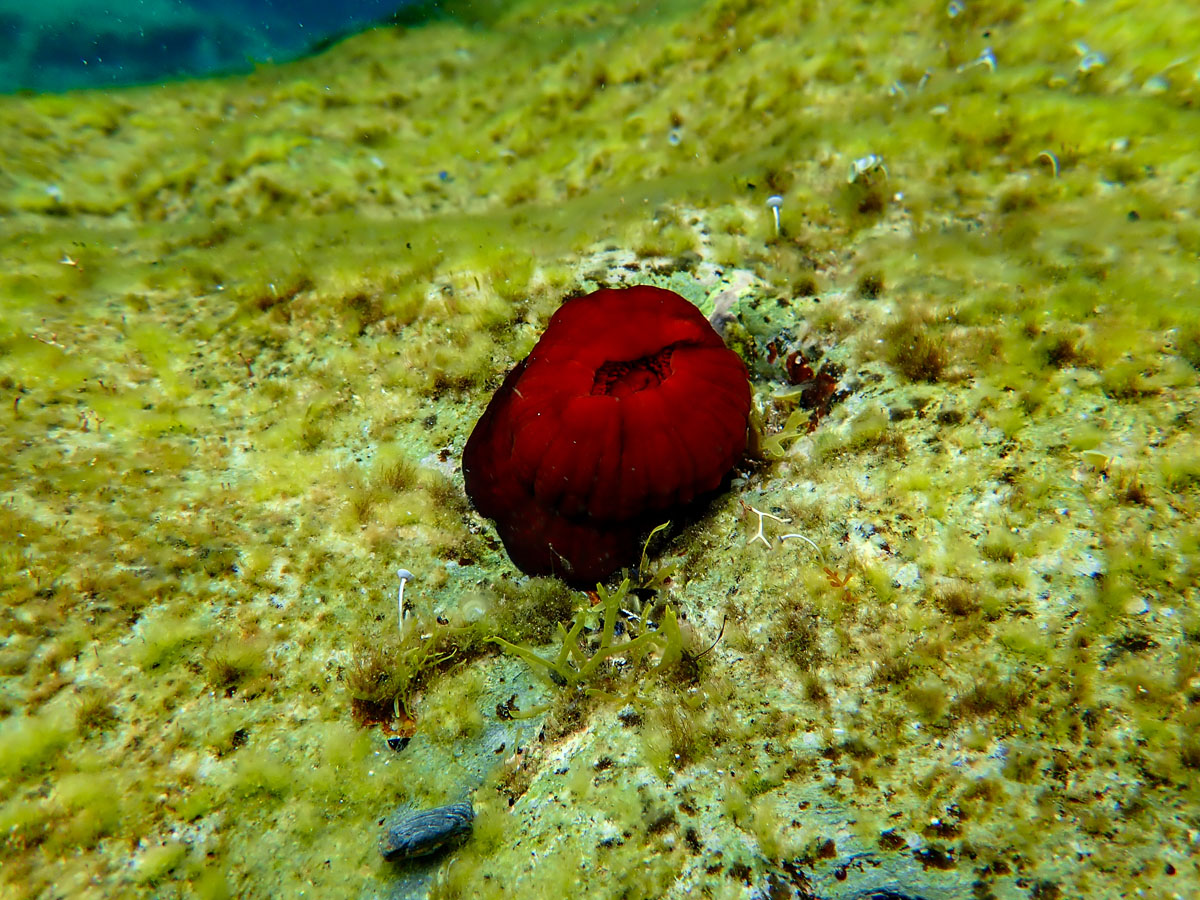
Once at sea, the team deployed several types of tools to study marine biodiversity.“Visual tools, for one, thanks to the scuba divers who captured exceptional footage.” The researchers also used hydrophones to listen to the sounds of the ocean.“Under normal circumstances, these recordings are disrupted by human-made noise such as boat engines,” explains David Mouillot.
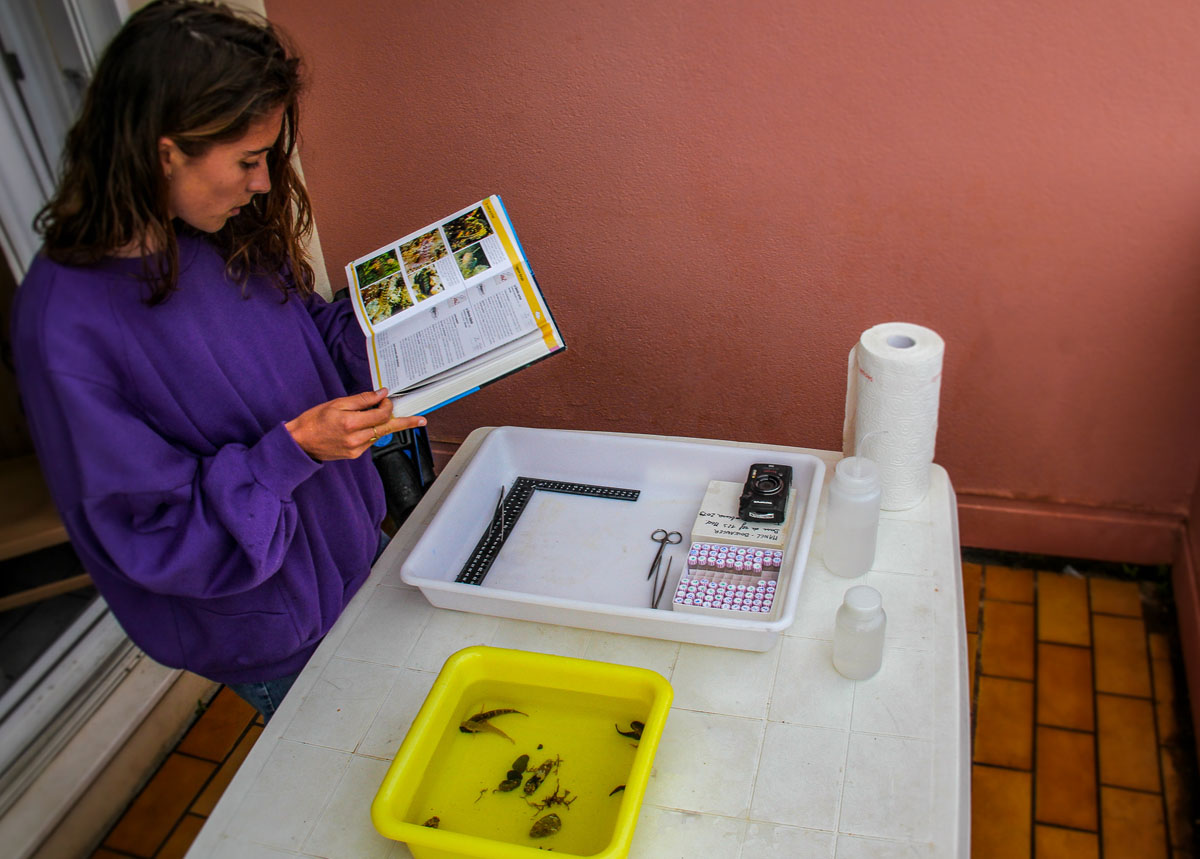
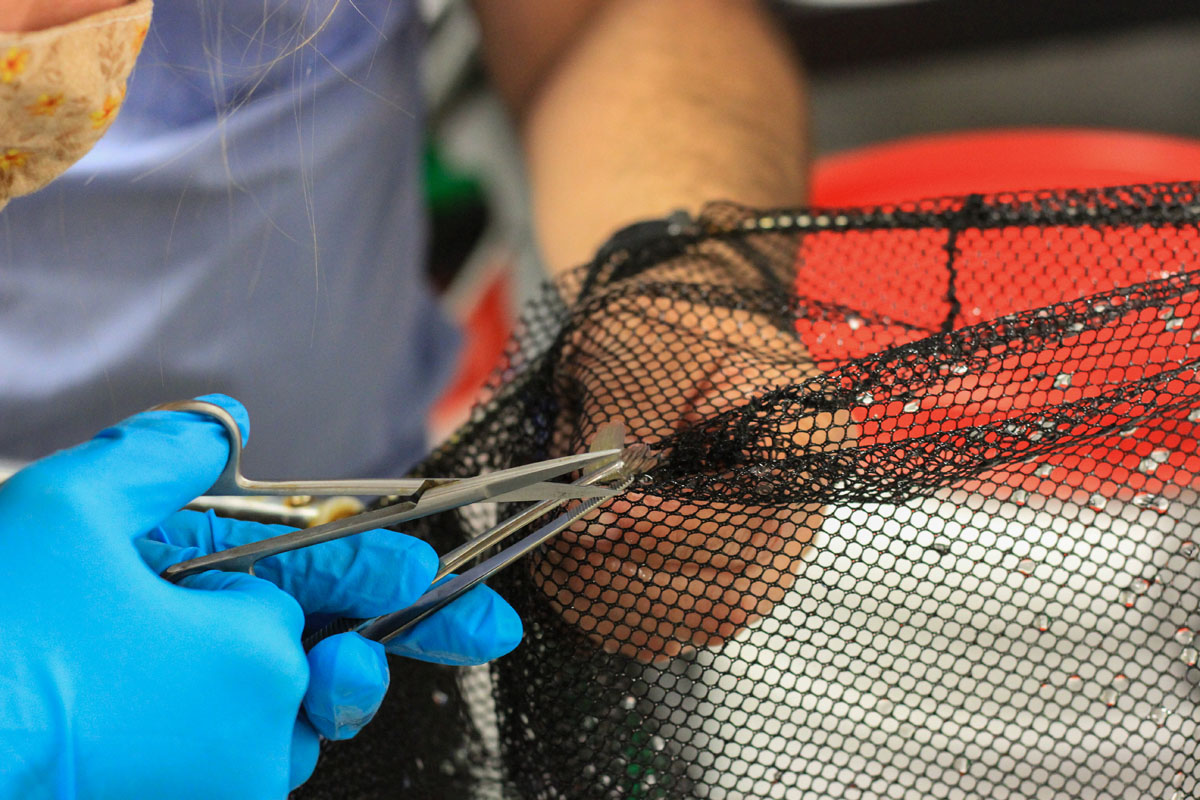
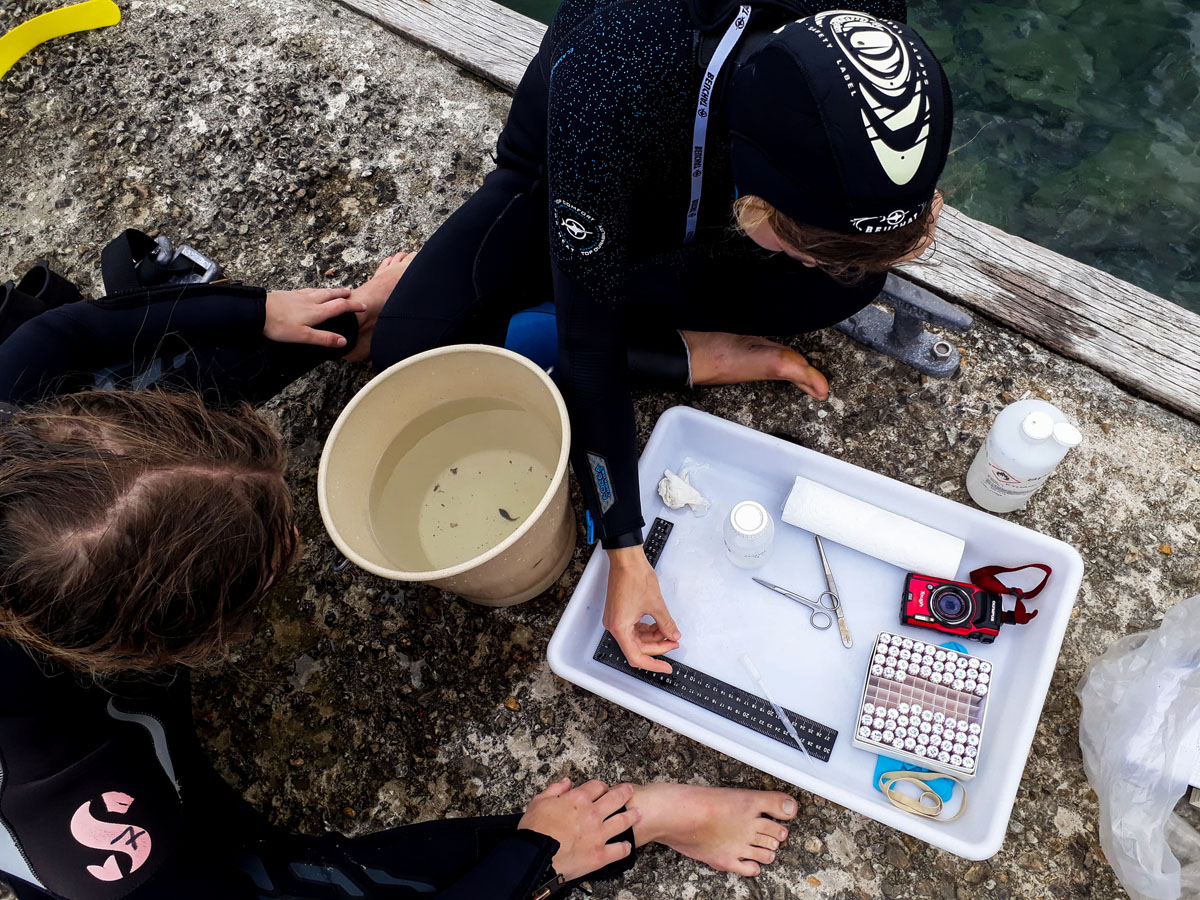
The expedition also utilized an innovative tool developed in collaboration with the company SpyGen: environmental DNA analysis. The principle involves filtering water samples to recover DNA left behind by living organisms. This DNA is then compared against a reference database to determine which species it belongs to. “This technique reveals the presence of rare or elusive species that we never see while diving, ” explains the researcher. “This will allow us to determine whether species that are typically found on the seafloor or farther out at sea have moved closer during the lockdown; we should be able to detect changes in their behavior.”
Exceptional images
That same team had already conducted this survey in the Mediterranean in the springs of 2018 and 2019, at a time when lockdowns were still the stuff of science fiction.“What a stroke of luck! This will allow us to truly compare the state of marine biodiversity during the same period, with and without human activity.”
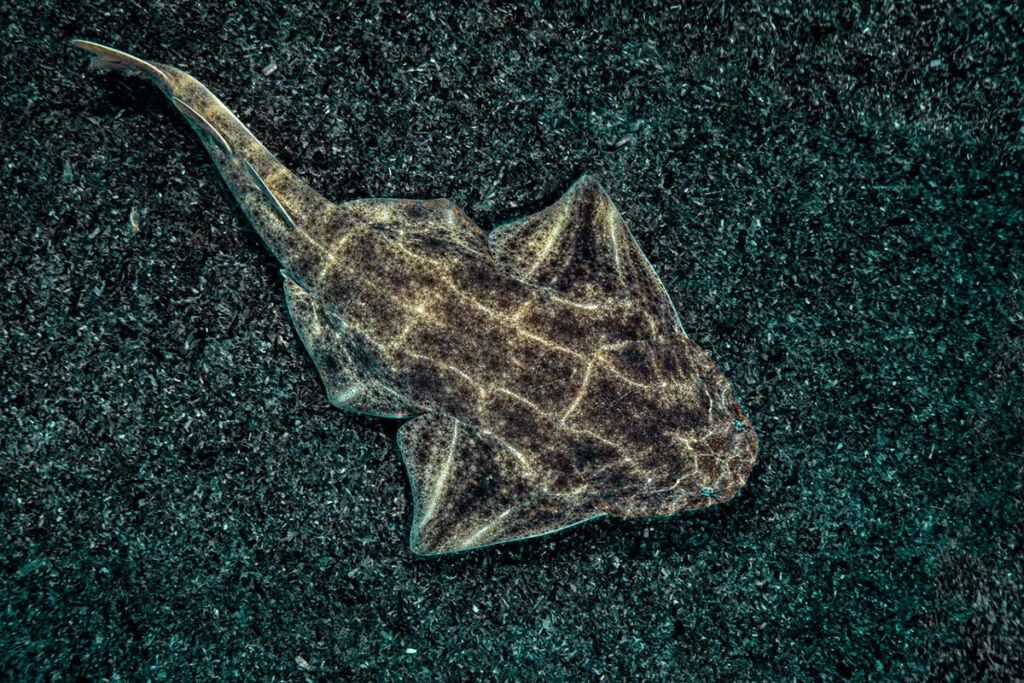
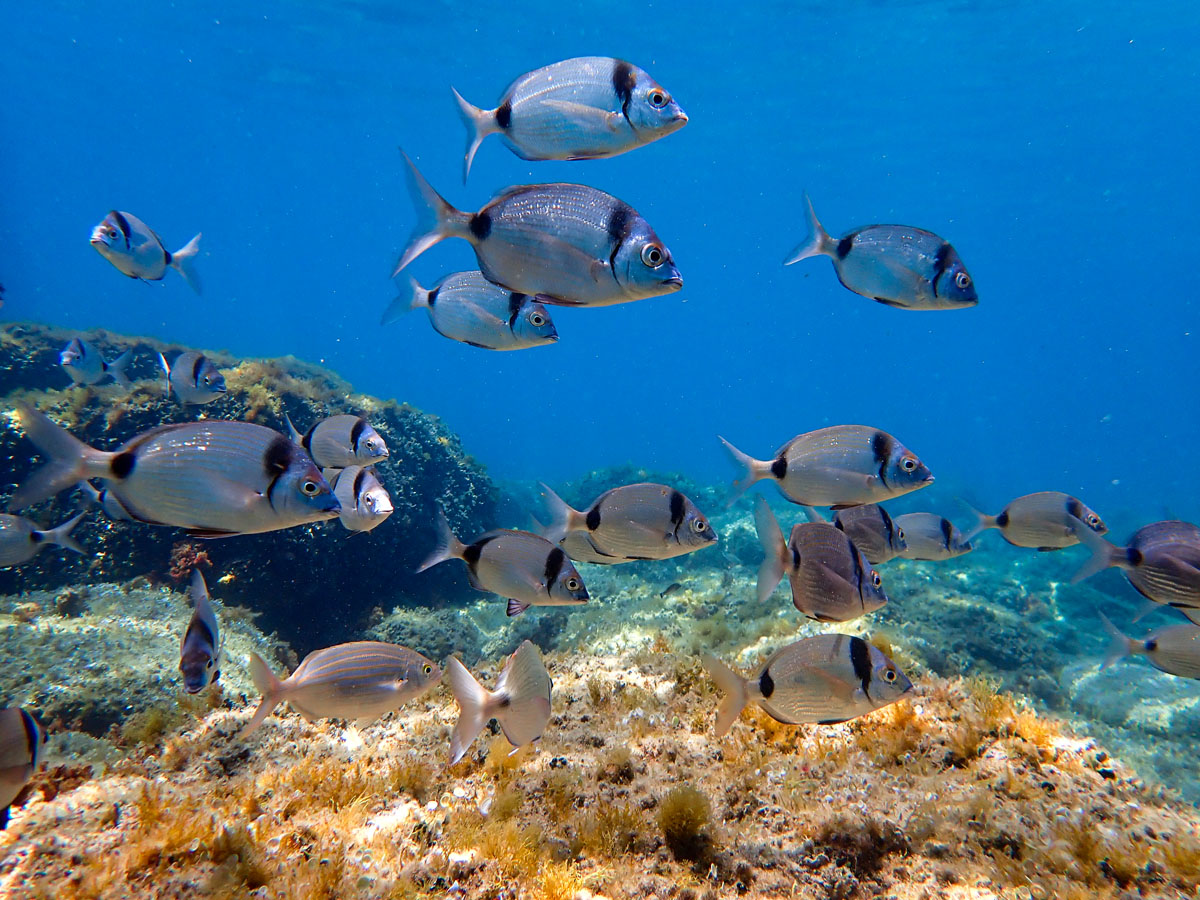
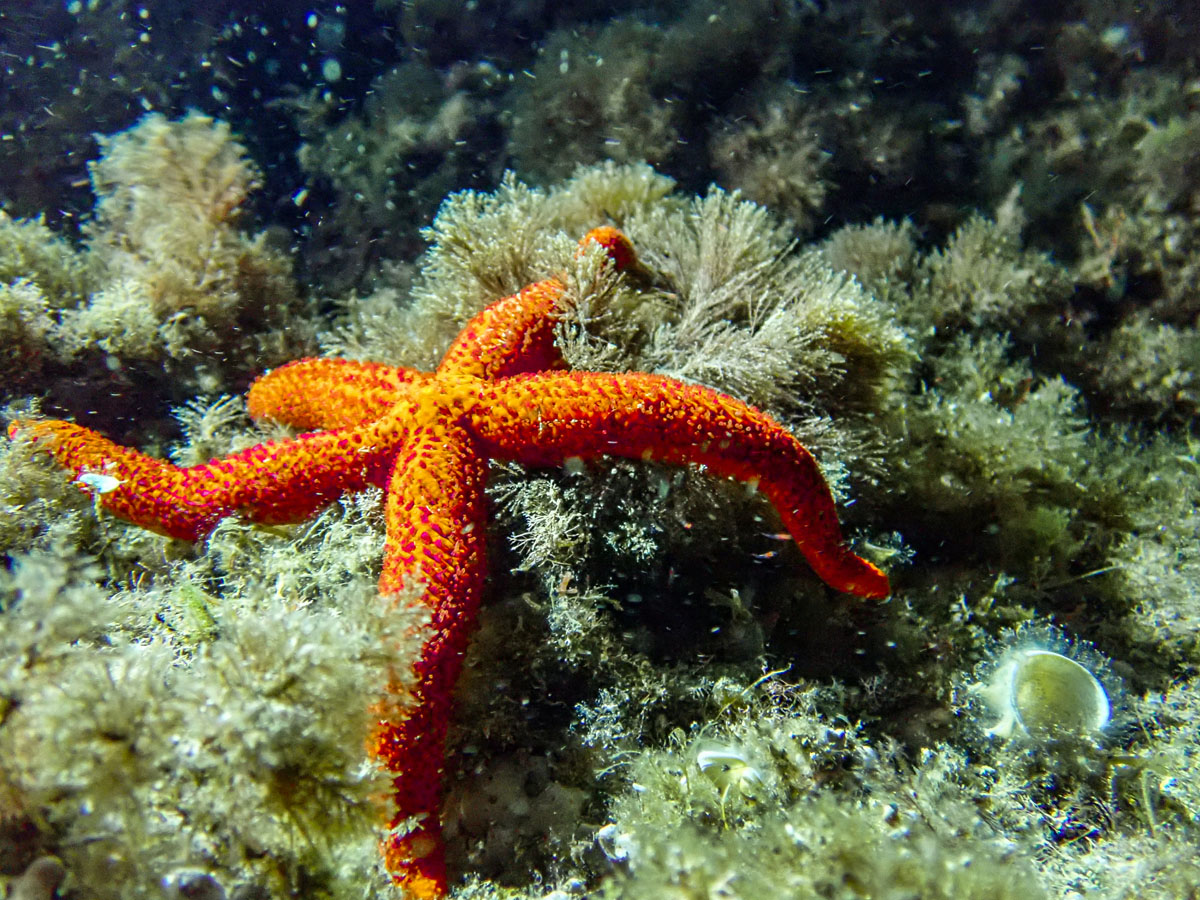
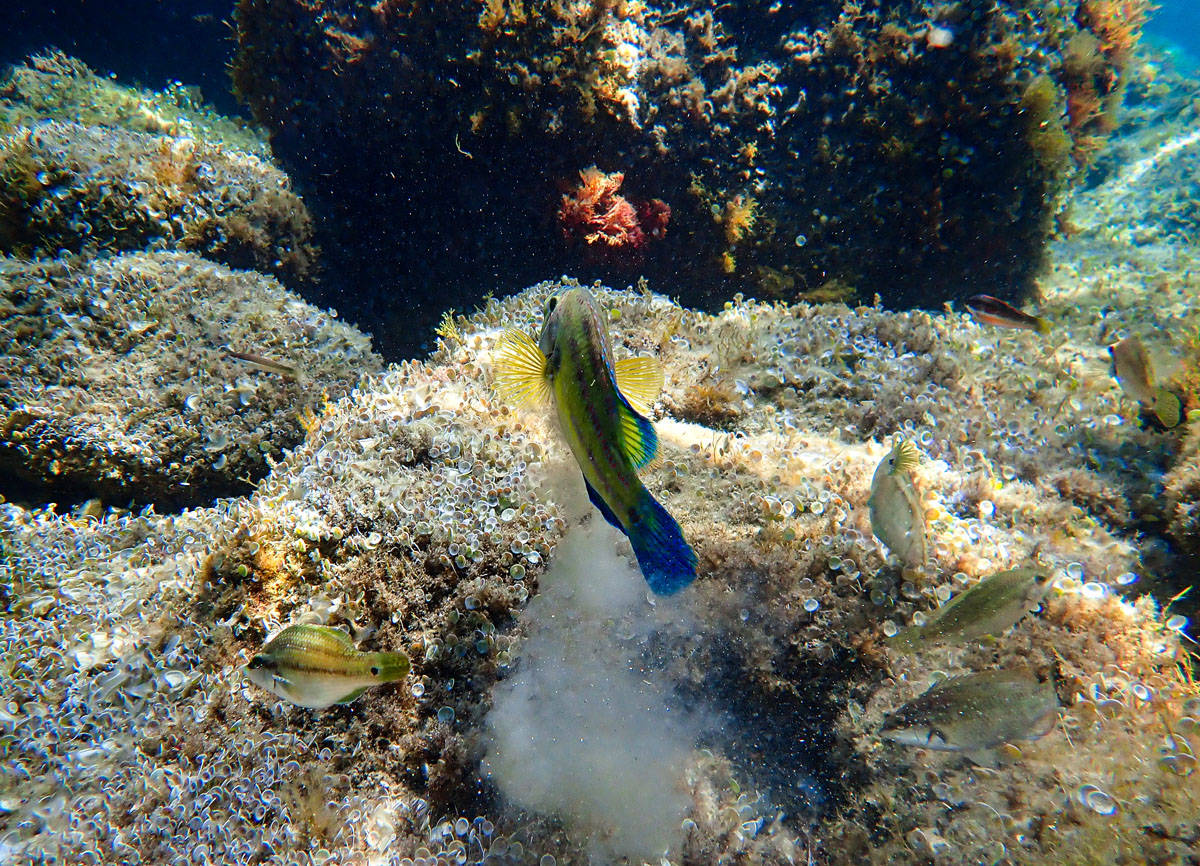
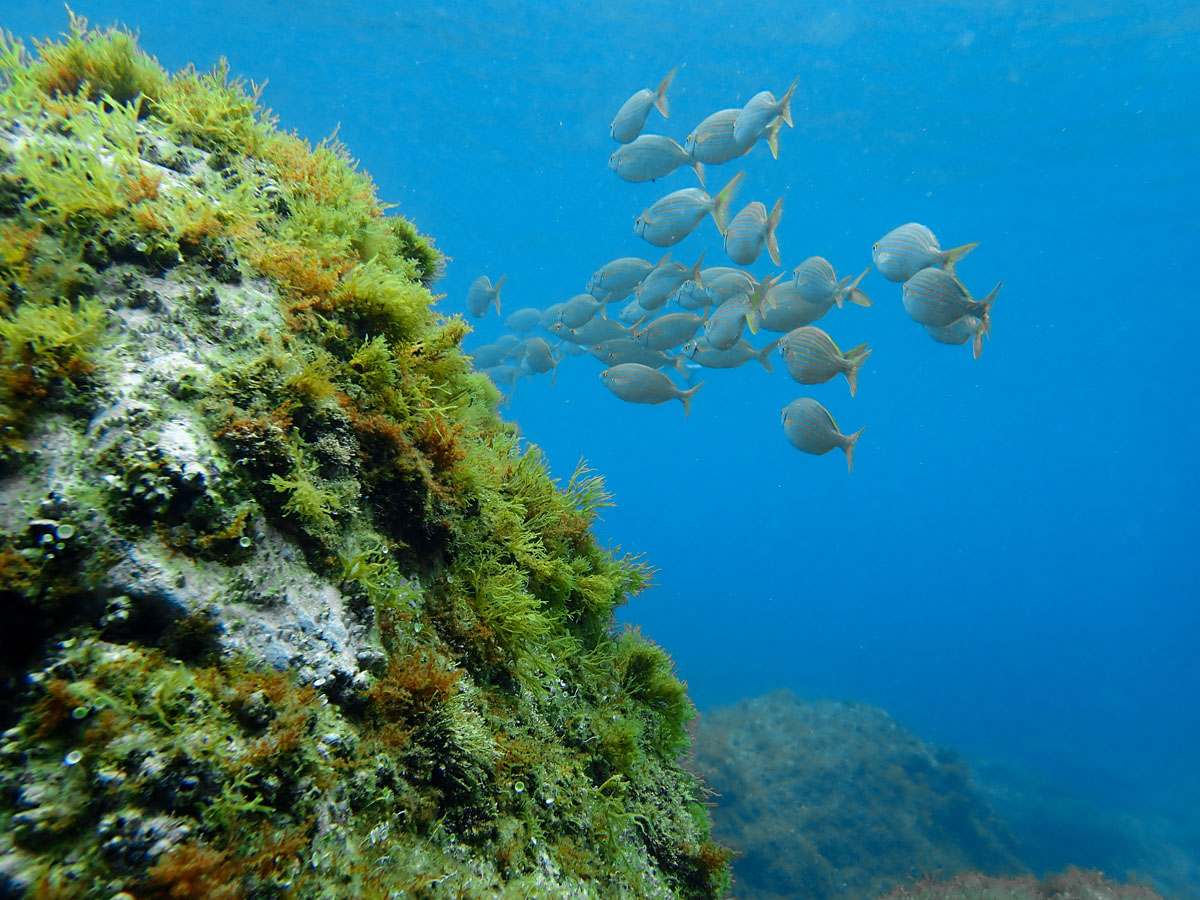
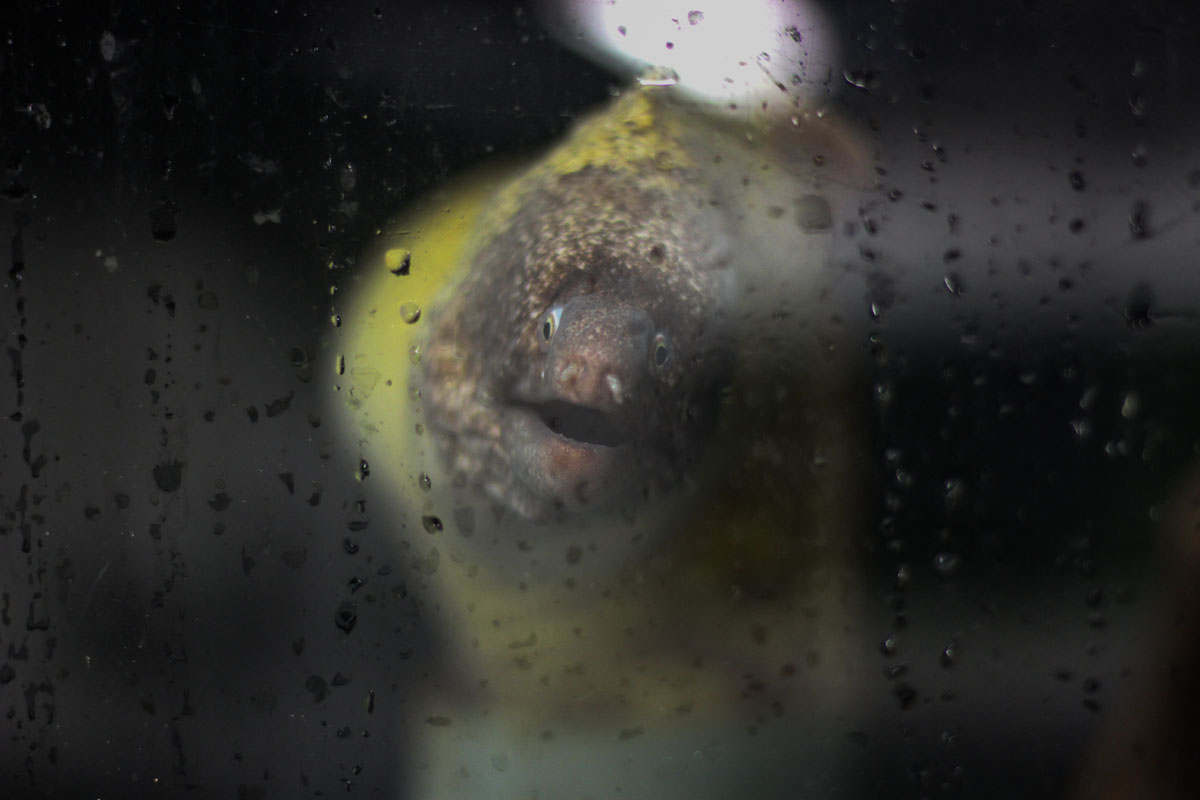
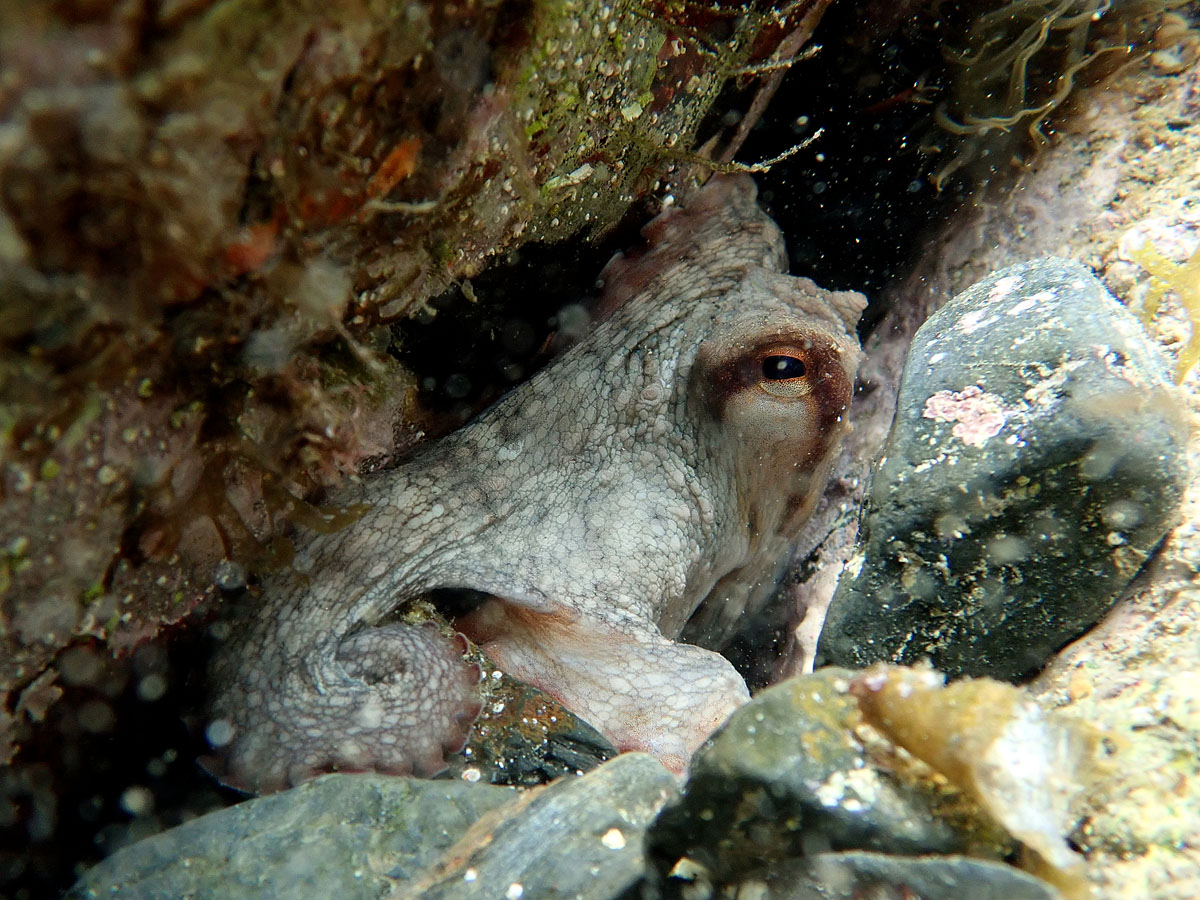
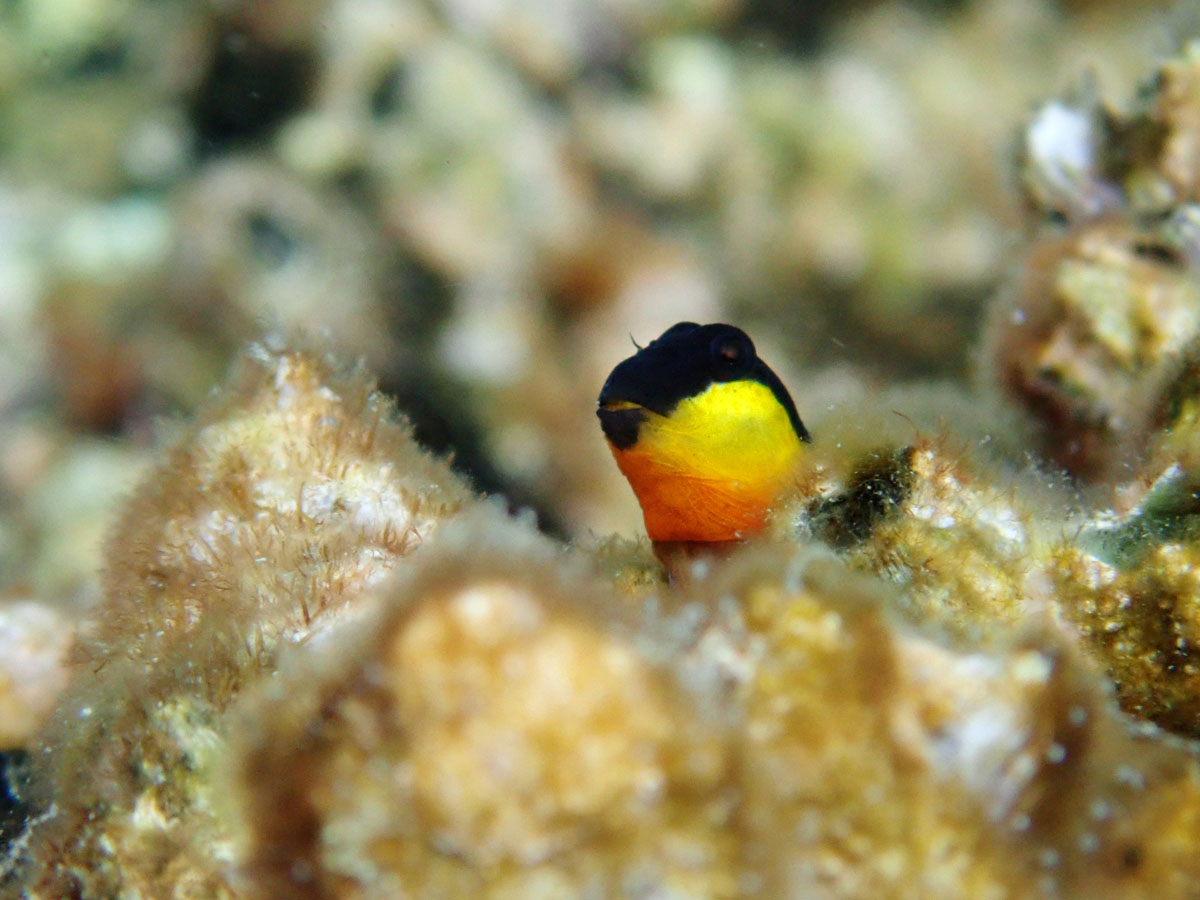
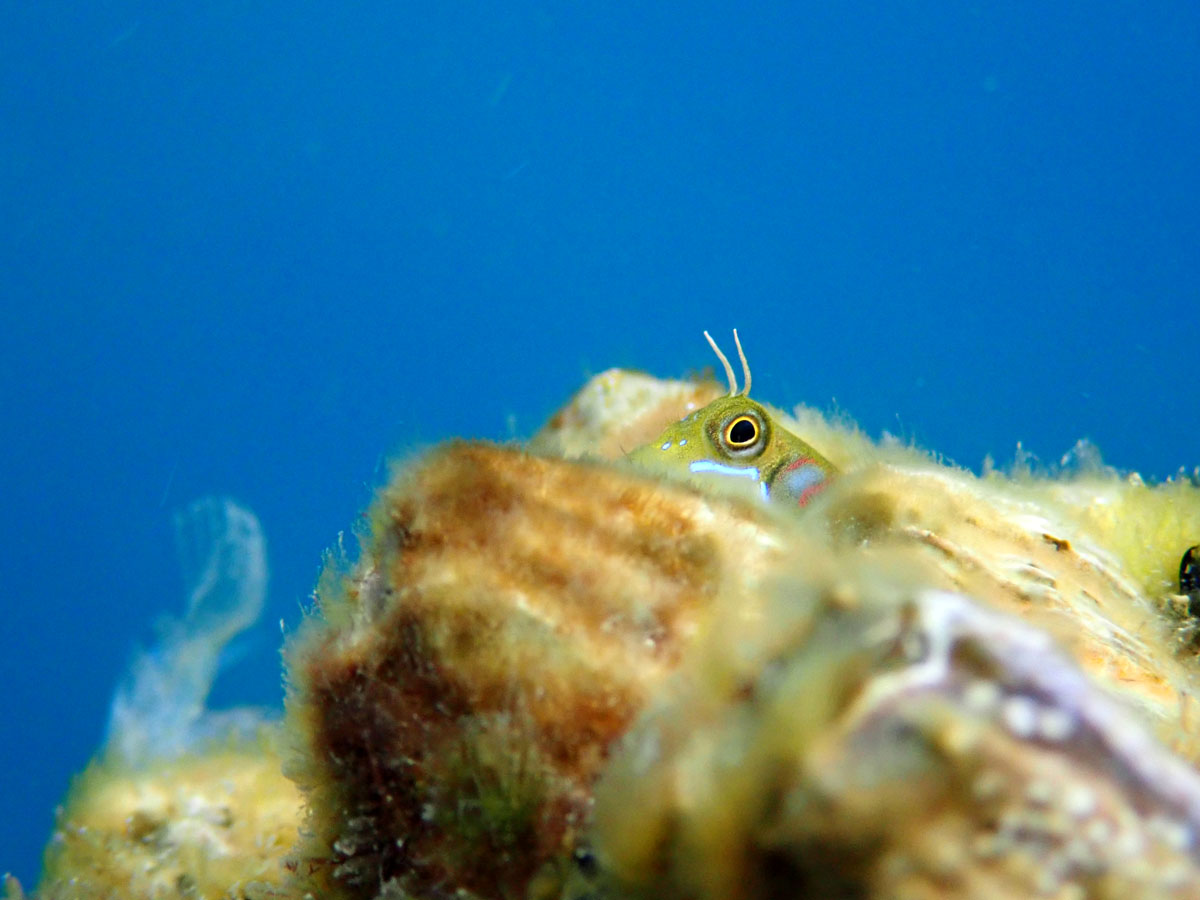
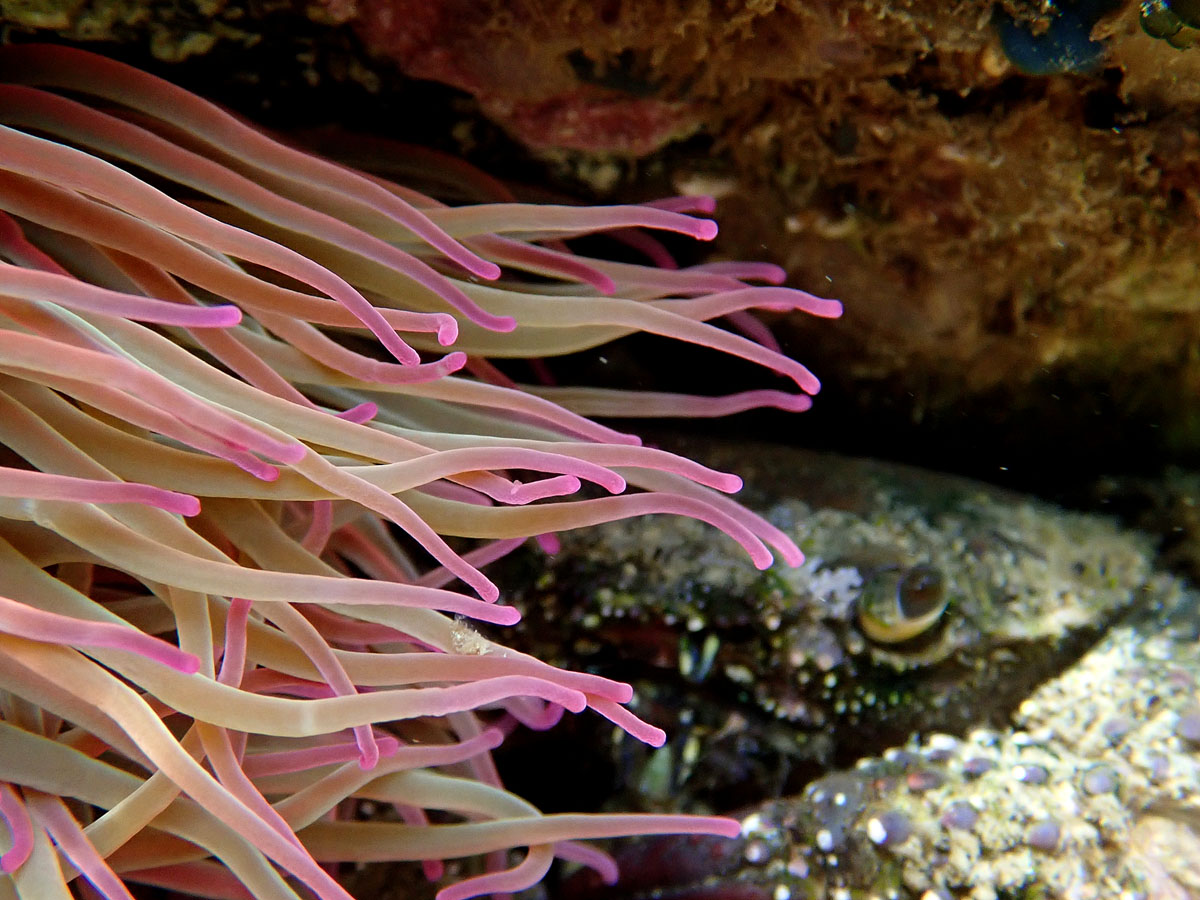
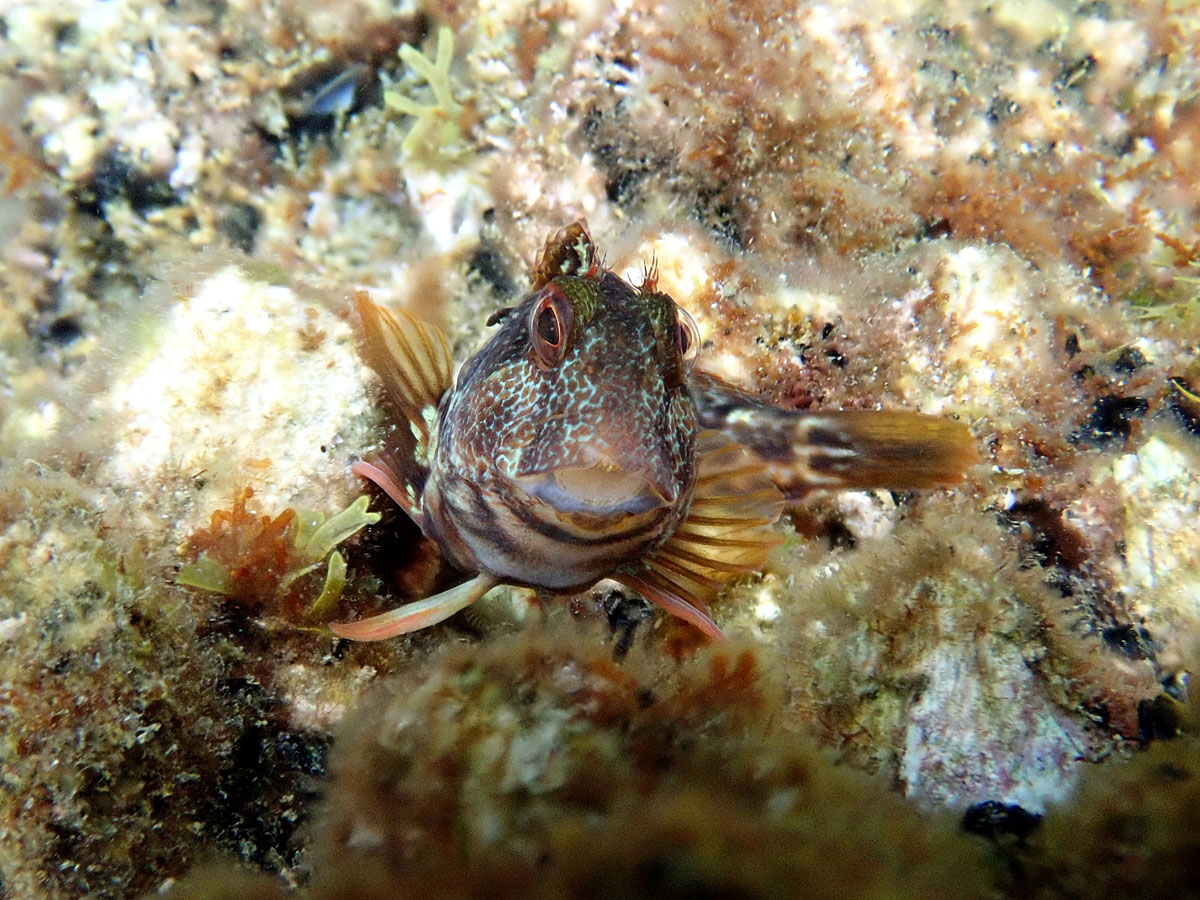
Although it will be some time before the results of the environmental DNA analyses are available, the expedition has already revealed that the Mediterranean has clearly benefited from the absence of humans. A prime example is this shark, the angel shark (Squatina squatina), swimming peacefully beneath the camera of diver Laurent Ballesta.“A species that hadn’t been observed in the western Mediterranean for years!”exclaims David Mouillot. These initial findings already speak volumes about the impact of human activities.“Fishing, recreational boating, but also simply swimming—all these activities have consequences for the coastal inhabitants, who have surely come out of lockdown during our own confinement.”
See also:
Check out theUM podcasts, now available on your favorite platform (Spotify, Deezer, Apple Podcasts, Amazon Music, etc.).