# Science Is Fun: The Merger of Regions
Welcome to *La science s’aMuse*, the science program co-produced by theUM and Divergence-FM, which takes you on a journey through the Muse Laboratories archipelago. On the eve of the regional elections, and six years after the merger of the regions, CEPEL political scientist Emmanuel Négrier helps us take stock of this reform.
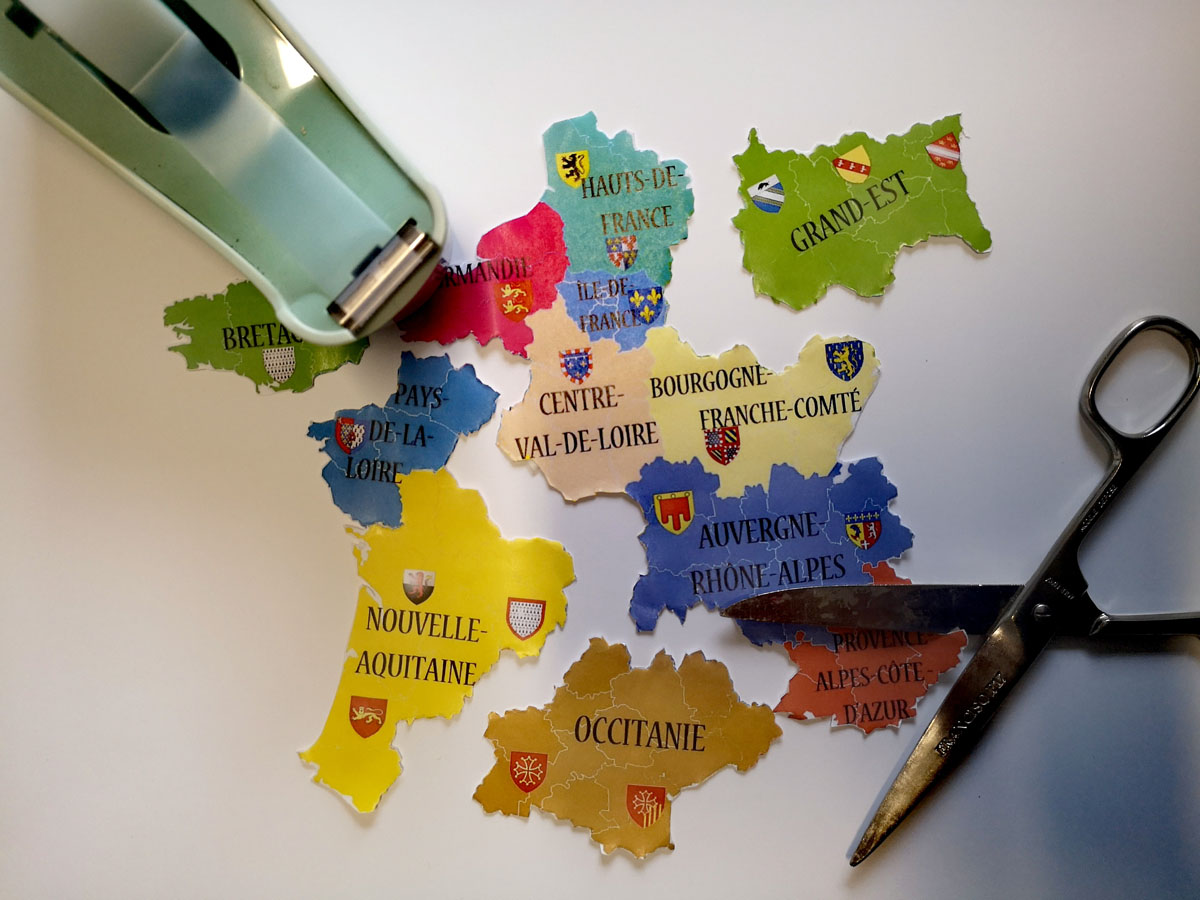
Land in sight! Today we’re dropping anchor in our territories—more specifically, in our regions. On January 1, 2016, France woke up to find it no longer had 22 regions but 13, following the entry into force of the law on regional boundaries. This law was heralded as one of the cornerstones of Act III of the decentralization drive championed by François Hollande—a process, as you may recall, that was not without its challenges. From Alsace, fearing it would fall under Nancy’s control, to Nantes asserting its historic ties to Brittany, and including the rather isolated Centre region, the map of France suddenly turned into a real headache.
Six years later, and on the eve of the regional elections—the first since this reform was implemented—has the reform achieved its objectives? And what, exactly, were those objectives? How has this redistricting affected regional authority, which had already been upended by theNOTRe law, another key pillar of decentralization? We’re discussing this today with our guest, Emmanuel Négrier. He is a political scientist atCepel, the political science research center at the University of Montpellier. Together with Vincent Simoulin, a sociologist in Toulouse (well, well), he co-edited a collective work titled *La fusion des régions : le laboratoire d’Occitanie* (The Merger of Regions: The Occitanie Laboratory).
For more information:
- The Conversation:Regional Mergers: New Bottle, Same Wine?
- Collective work:*The Merger of Regions*, by E. Négrier and V. Simoulin, published by PUG
Science Is Fun—you’ve got the map, let’s go!
Production: University of Montpellier / Divergence-FM
Host: Lucie Lecherbonnier
Interview: Aline Périault / Lucie Lecherbonnier
Director: Bruno Bertrand
Tune in to the show “A LUM LA SCIENCE” on Divergence FM 93.9