The Art of Persuasion in 180 Seconds
The 9th edition of the “My Thesis in 180 Seconds” competition was held on March 17 in Nîmes. The “ doctoral researchers ” from universities and institutions in the Eastern Occitanie region received personalized guidance from professionals in science communication and theater to help them make their thesis topics more accessible and spark the interest of the general public.
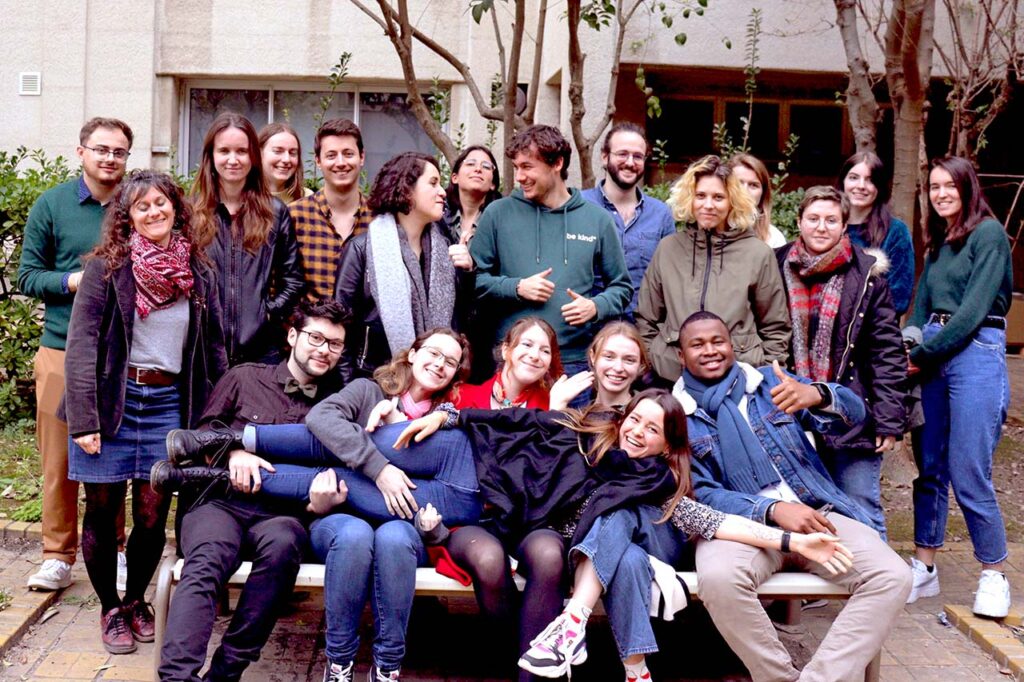
“I decided to enter this contest to overcome my fear of public speaking. It’s a real challenge for me, both personally and professionally. I believe that science communication is crucial for the future of aspiring doctors,” explains Bianca, a contestant in the regional finals.
40 hours of customized training
“During our first session, we had to put ourselves in the audience’s shoes. We quickly realized that what seemed obvious and self-evident to us wasn’t necessarily so for others. So we started thinking differently, using simple words, synonyms, and clear phrasing to help the audience understand what we were saying and avoid confusion,” says Thomas, a young doctoral student at the University of Montpellier.
The team of experts consists of three members: Pascaline Girot, a rhetoric and argumentation coach who focuses on the structure and logic of speeches; Marc Dumas, a coach specializing in public speaking, self-confidence, enthusiasm, and the presentation of text; and Patrick Sandrat, a science outreach instructor responsible for ensuring consistency between the presentation and the selected slides. “We aim to foster a healthy competitive spirit among the candidates to boost their self-confidence by showcasing their research through the competition, whether at the national or international level. Especially since we have a high standard of excellence in research here in Occitanie!” explains Patrick Sandrat.
To best prepare the 20 candidates competing in the regional finals—in terms of both content and presentation—small-group training sessions are held from February through March. “In addition to the training sessions, we also receive regular feedback from the coaches between sessions to help us refine our scripts and slides. This has allowed us to improve our presentations through email and phone exchanges and to receive constructive feedback from the group during the training sessions,” explains Bianca.
Make accessible and share
“This contest is an opportunity to practice explaining my thesis topic in layman’s terms, and for me, it’s a chance to share my research with a wide audience at the various events organized by the lab. I might as well share it with as many people as possible,” explainsJulie, who placed third in the contest.
In addition to being a competition, this event offers young researchers the opportunity to develop communication and science outreach skills so they can share their passion for research with the general public. “For us, it’s about taking the candidates out of the usual academic setting. We help them step back to determine what they want to present and why it’s important. We encourage them to step outside their comfort zone and set aside overly technical scientific concepts so they can present their research to the general public,” explains Patrick Sandrat.
The coaching sessions allow doctoral students to develop transferable skills in various areas, such as teaching, presenting projects, negotiating, and preparing for job interviews. Working as a group allows everyone to pool their skills and ideas. Each candidate contributes and learns from the other group members. “With just a few days left before the competition, I’m ready to take on the challenge, even though the stress is starting to set in. We’re especially excited to see the presentations from the other group members during this regional final,” concludes the young researcher.
The Winners of the 2023 Contest
1st Prize: Flo Sordes, University of Nîmes
2nd Prize: Julie Bas, University of Montpellier
3rd Prize: Julie Cailler, University of Montpellier
Audience Choice Award: Pauline Bron, University of Montpellier
Flo Sordes and Pauline Bron will compete in the national semifinals, which will take place March 29–31 in Paris.