[LUM#21] The Wild Boar of Discord
One of the goals of Raphaël Mathevet and Simon Chamaillé, researchers at the Center for Functional and Evolutionary Ecology who coordinated a project on integrated wild boar management, is to gain a better understanding of wild boars in order to coexist with them more effectively.
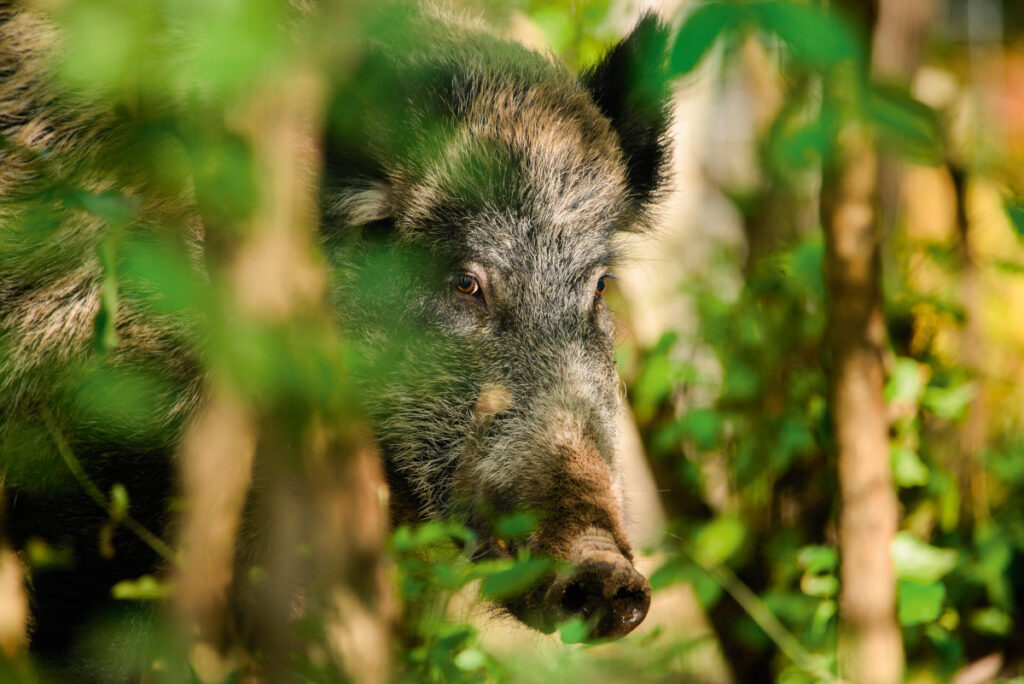
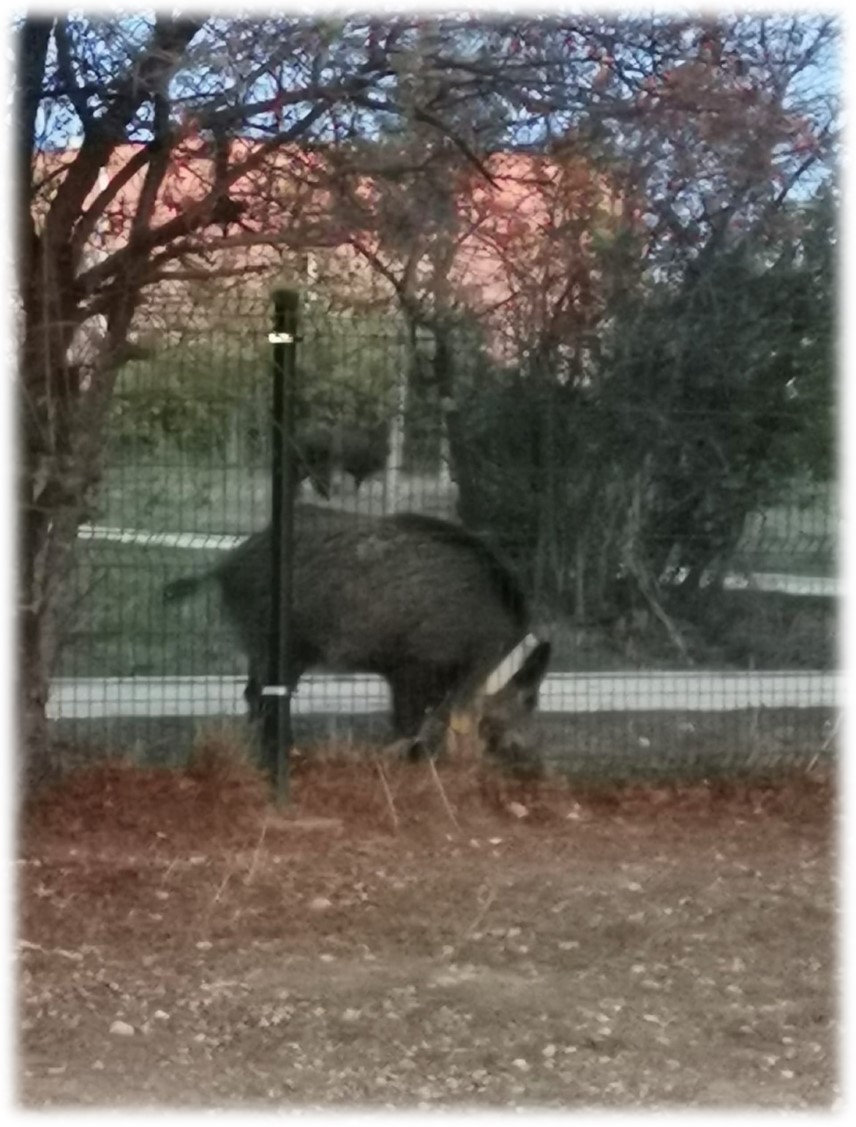
With 17 million hectares of forest, France’s woodlands have regained the area they covered before the medieval clearings. This rapidly expanding habitat is home to more than 1.5 million wild boars, which are pushing its boundaries ever further. This coexistence is sometimes a source of tension: “The increase in wild boar densities is associated with a rise in agricultural damage, a growing number of road collisions, and often conflicts between hunters, farmers, protected area managers, and other users of rural and suburban lands, ” explains Raphaël Mathevet, a researcher at the Center for Functional and Evolutionary Ecology1.
How can we help all these stakeholders reach a consensus to find the right place for the wild boar? To facilitate this coexistence, Simon Chamaillé and Raphaël Mathevet coordinated a project dedicated to the integrated management of this animal. “A better understanding of the animals’ biology, behavior, and habits—as well as the functional, economic, social, and ecological interdependencies of the affected areas—is essential to fostering a collaborative dynamic, ” explains Raphaël Mathevet.
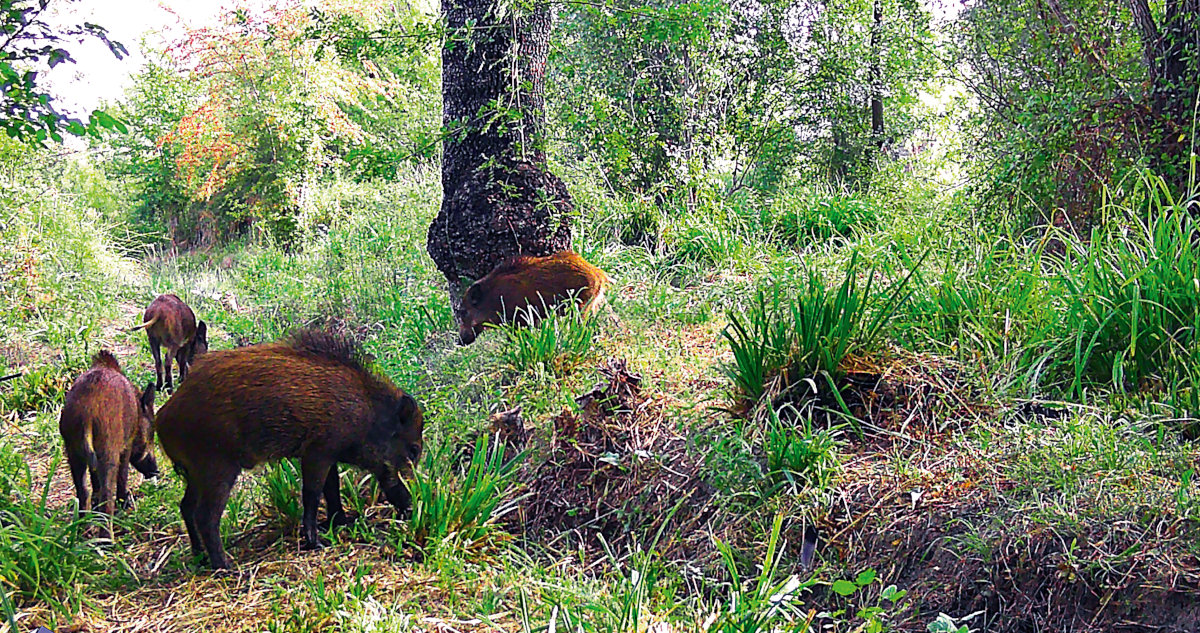
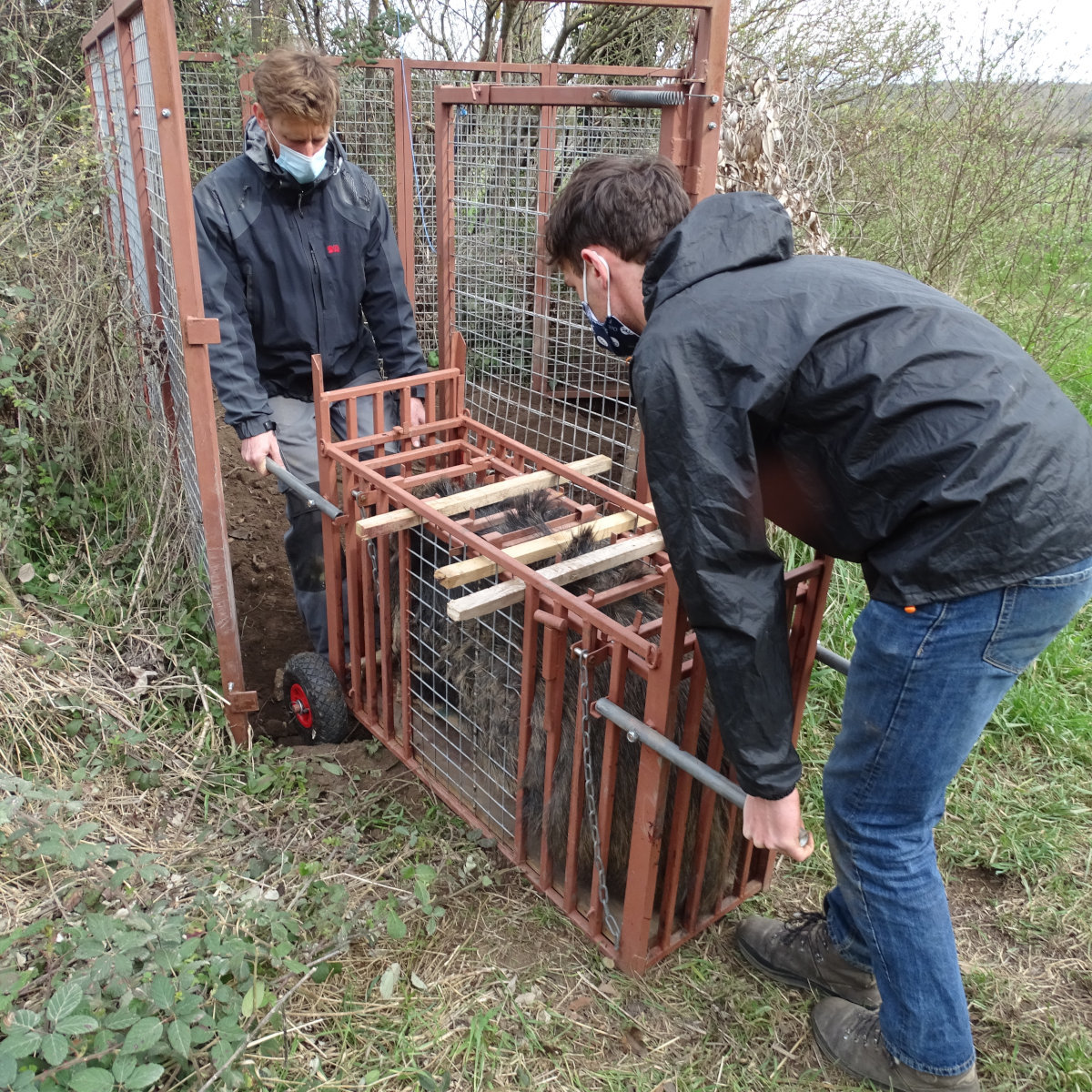
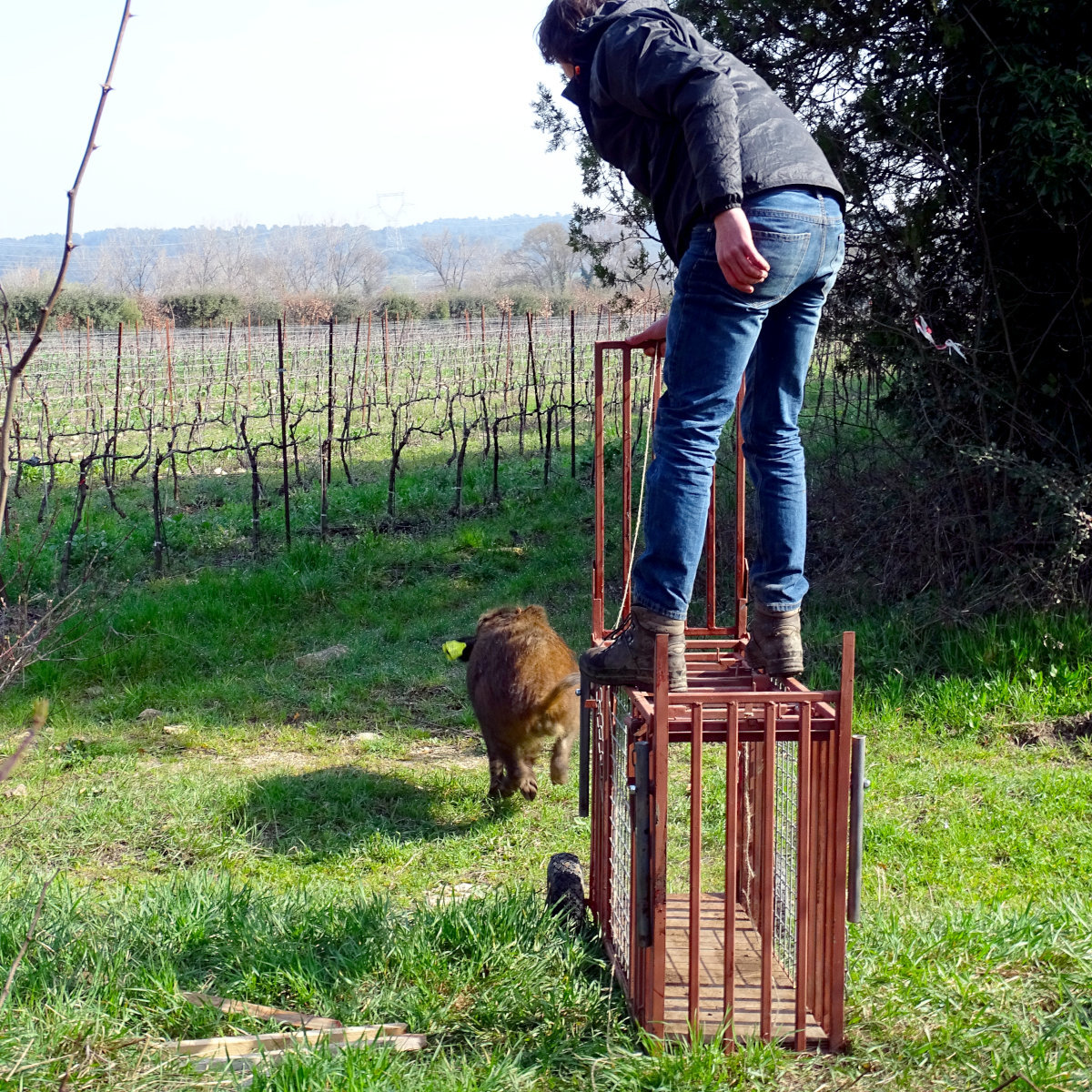
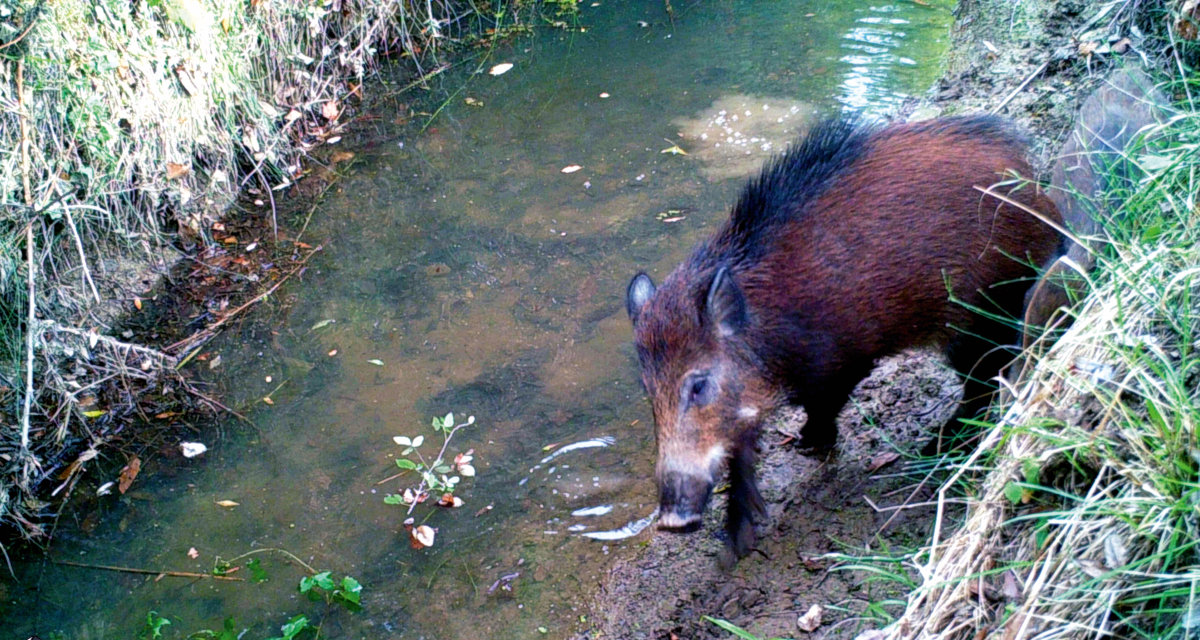
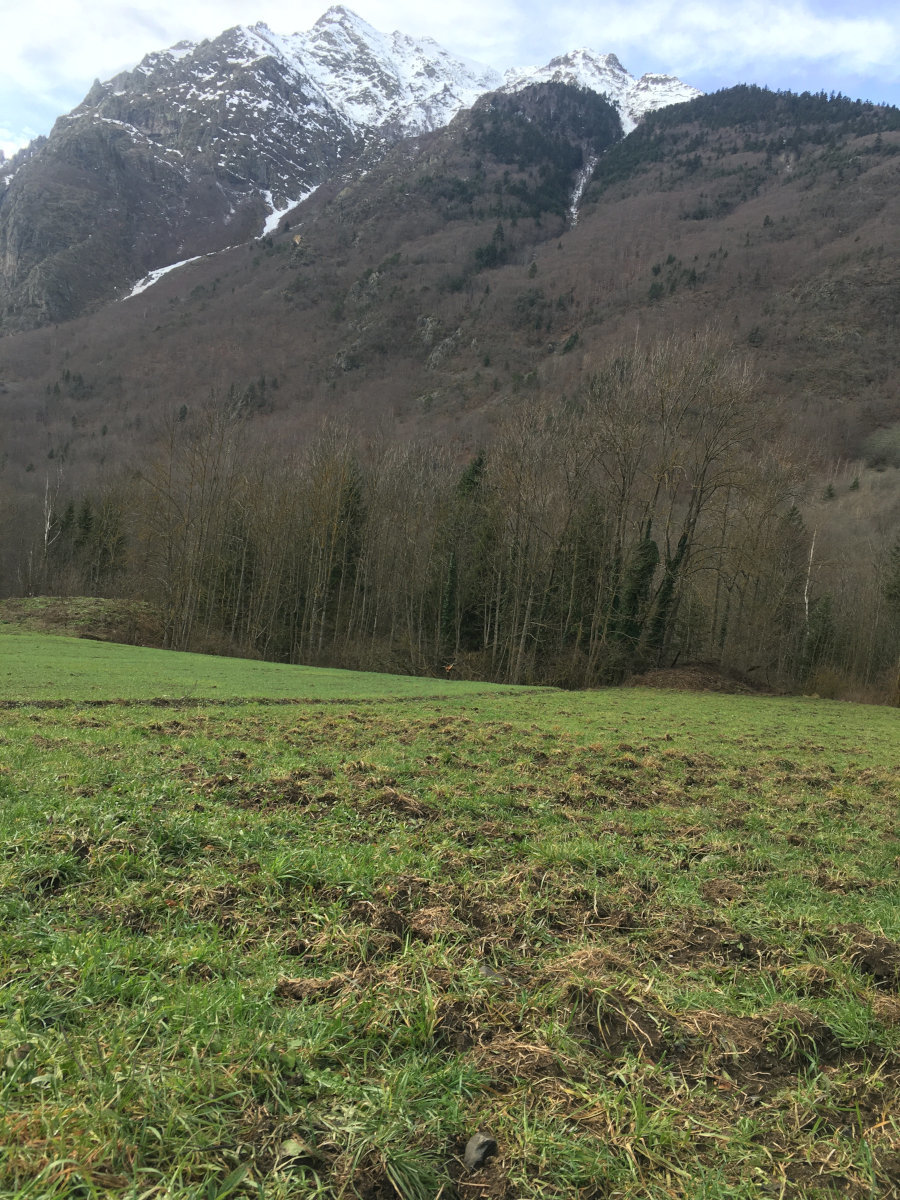
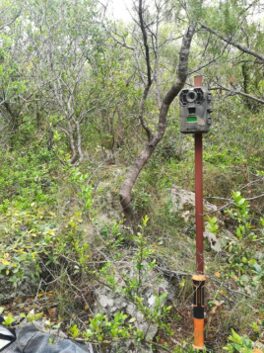
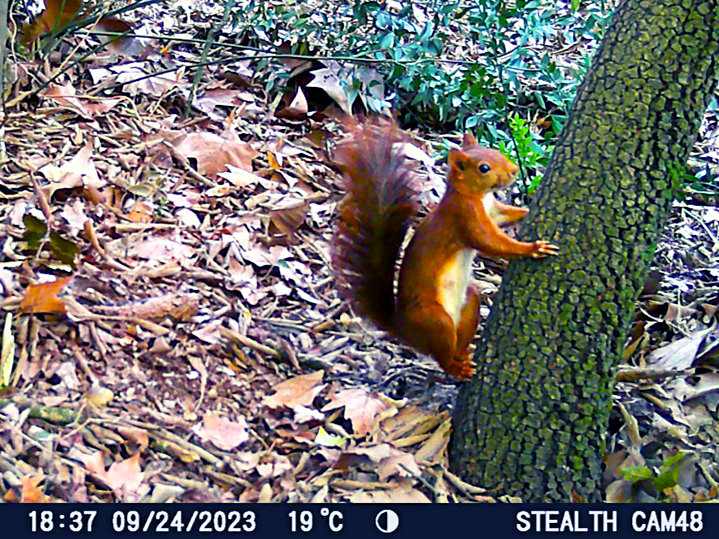
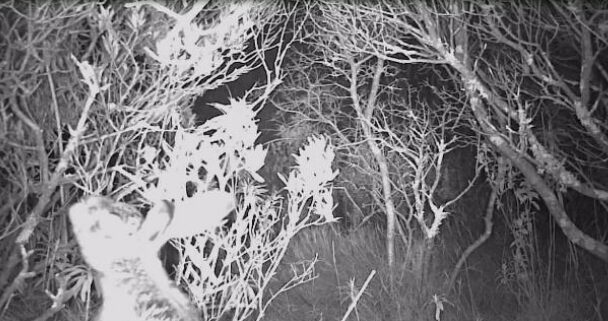
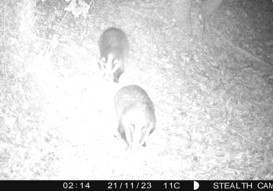
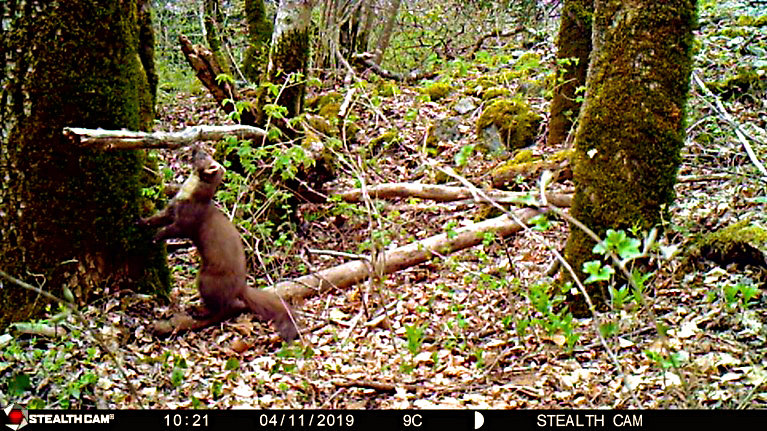
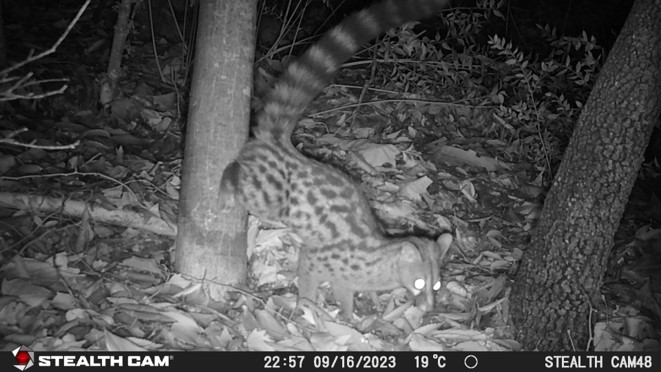
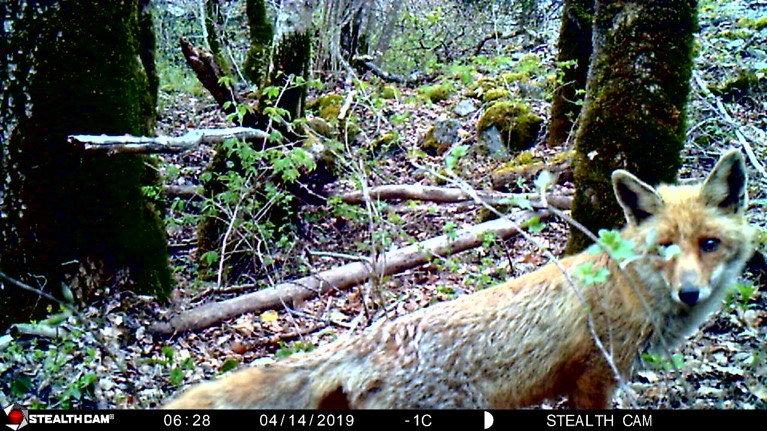
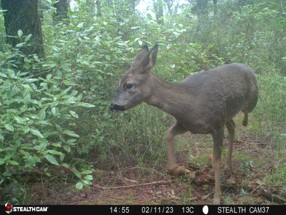
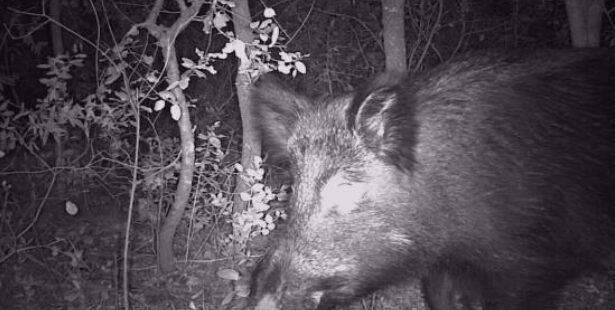
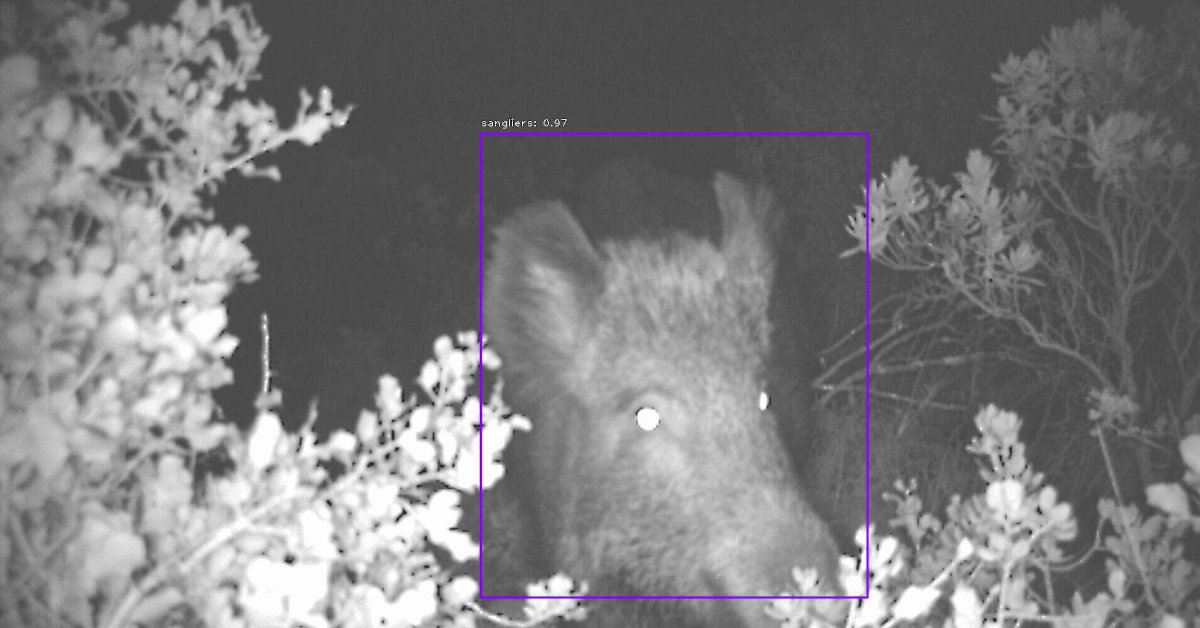
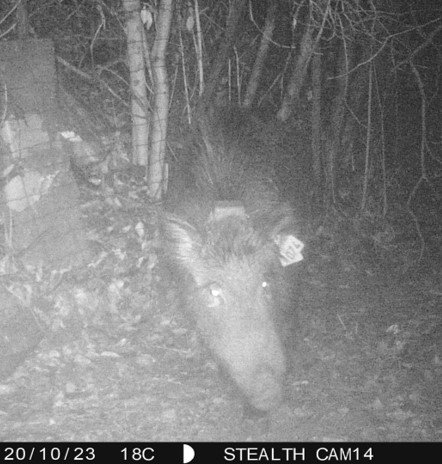
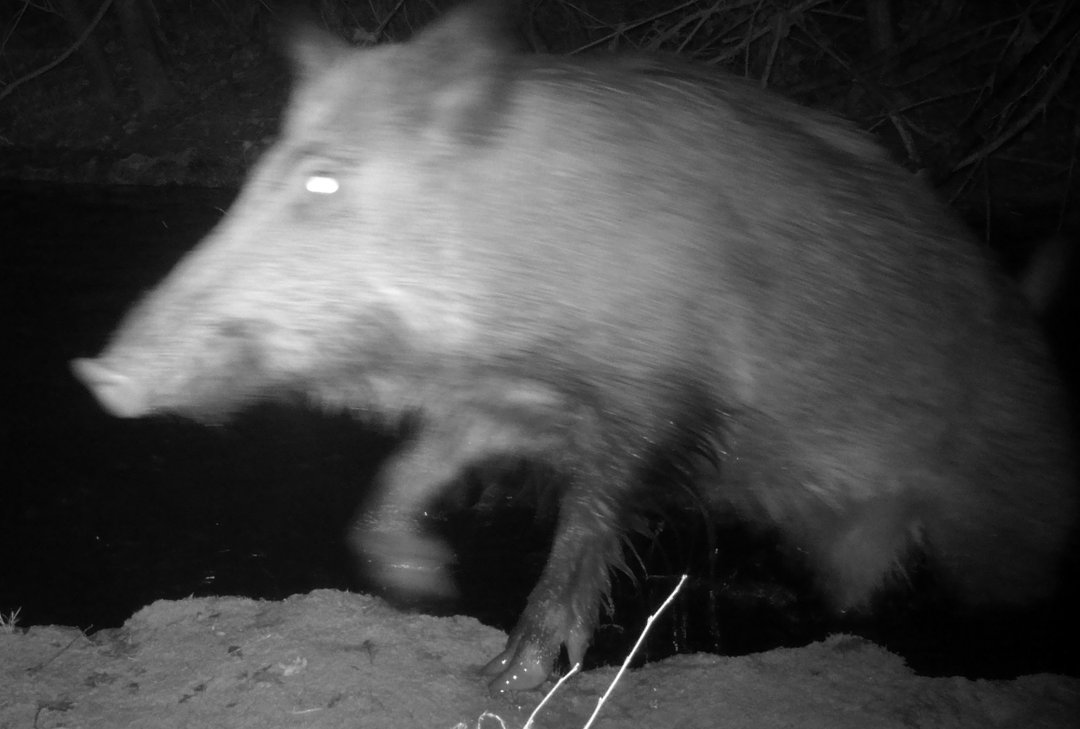
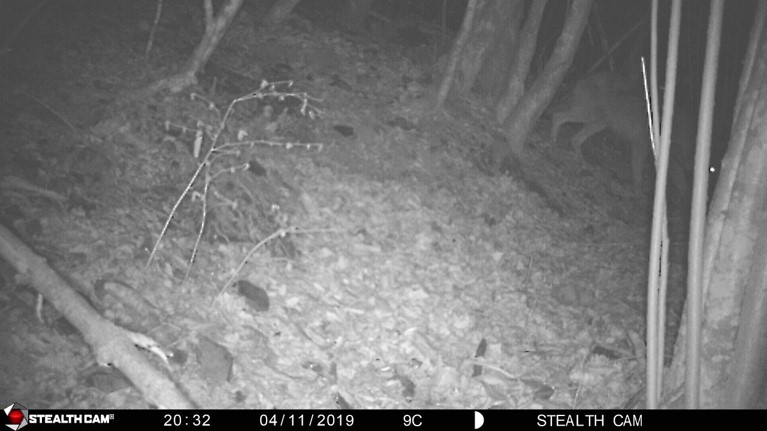
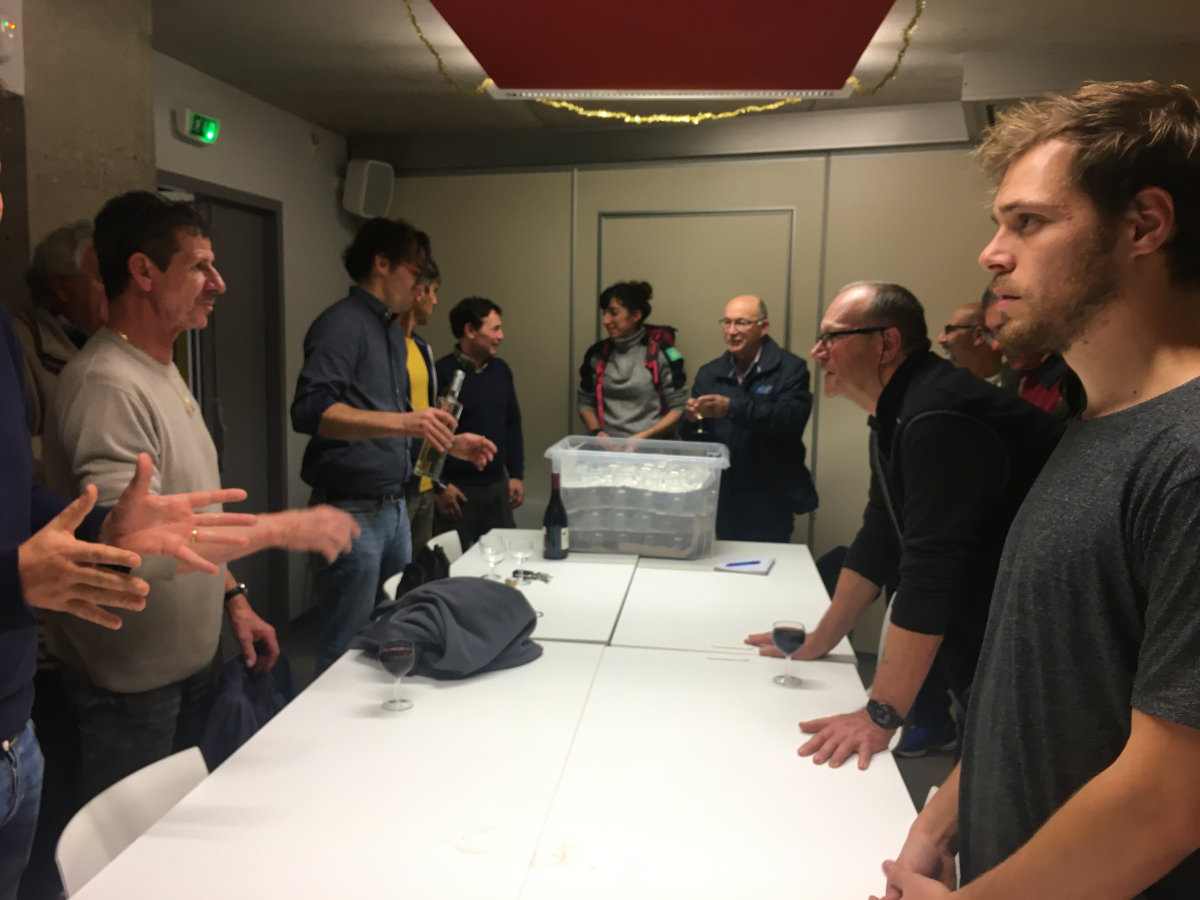
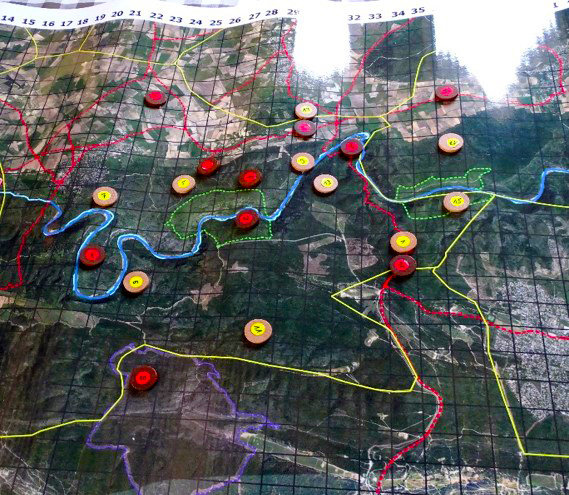
Researchers set up camp—equipped with GPS collars and camera traps—in the Gardon Gorges and the Écrins National Park to study the movements of wild boars. Their goal: to gather factual data on how the animals use the landscape, and thus determine whether protected areas where hunting is prohibited serve as refuges for them. They also sought to meet with local residents to share this data with them and help them better understand wild boars.
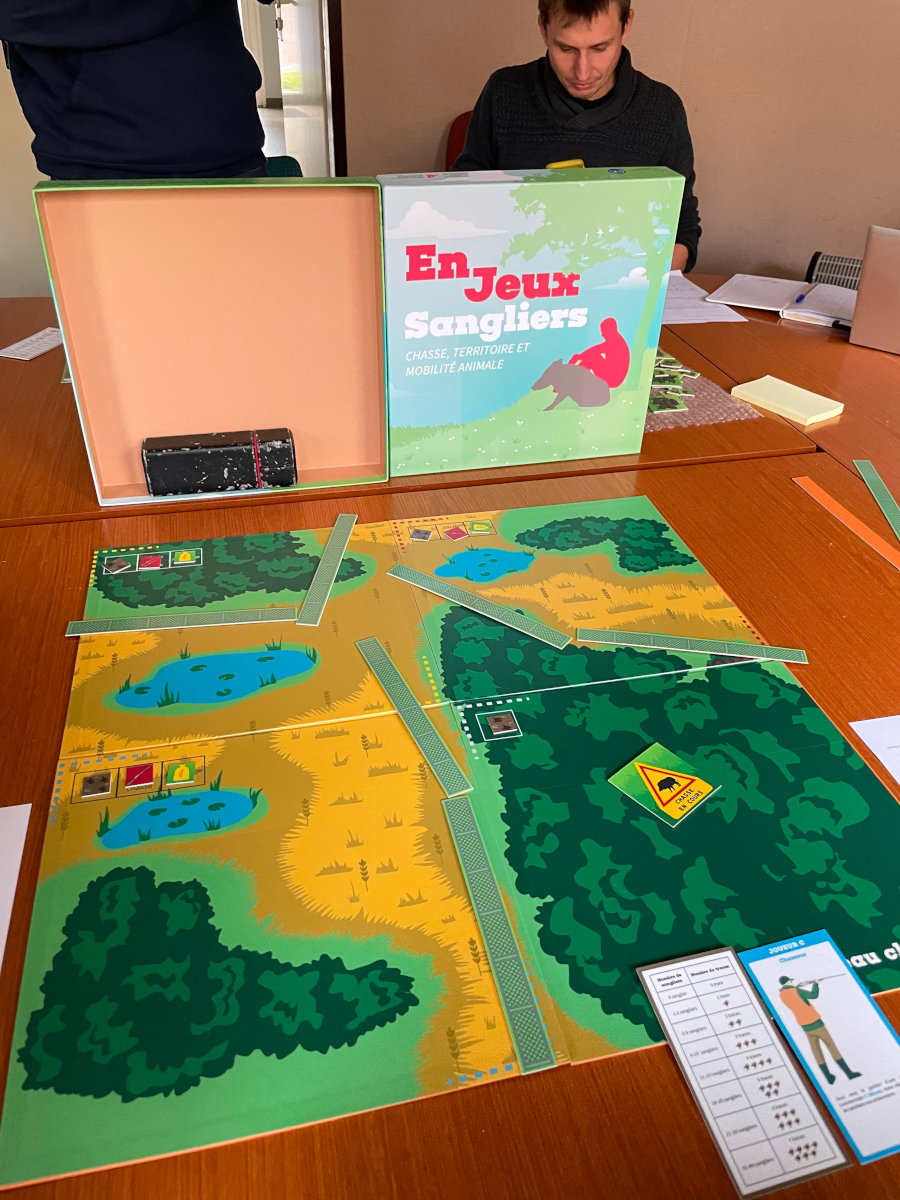
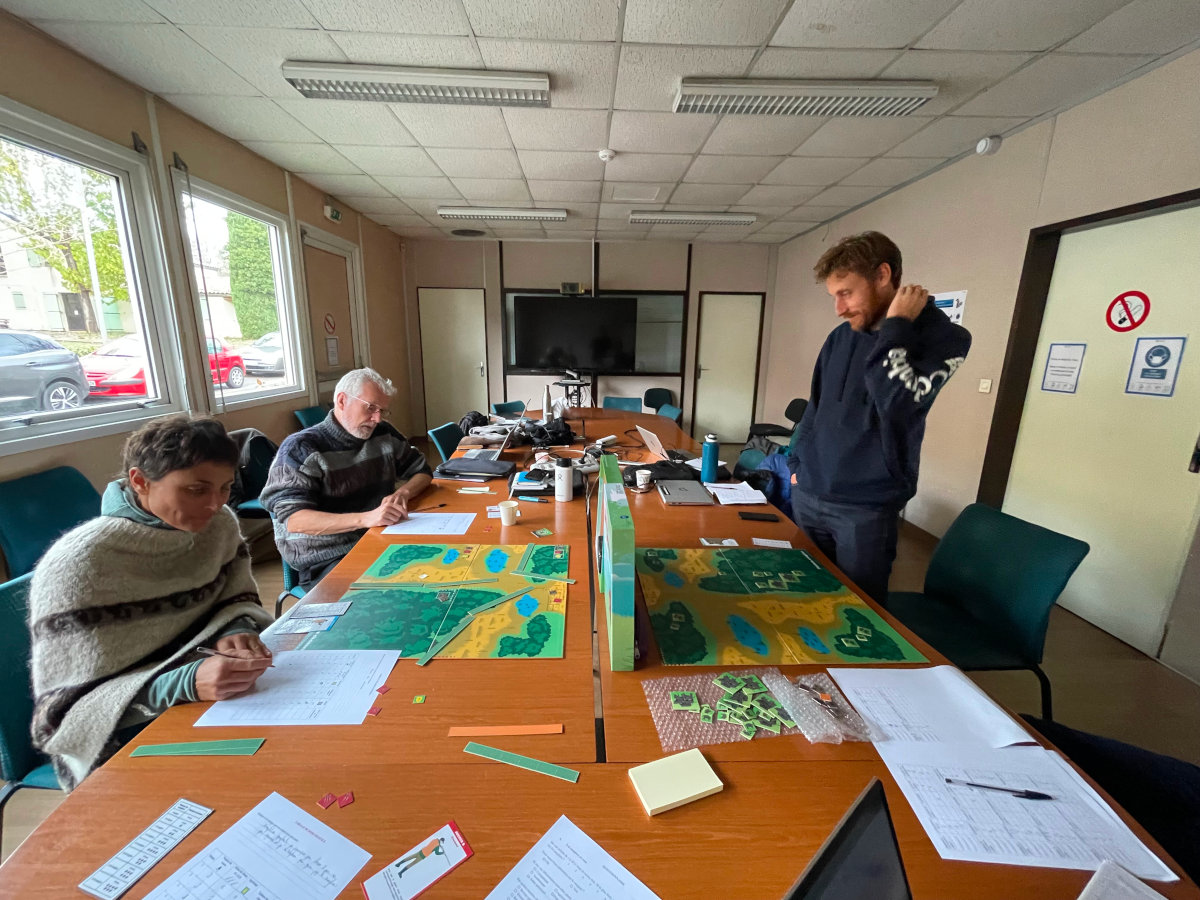
“The communication challenge is enormous; it’s also a genuine project in scientific and social outreach,” say the researchers, who developed a serious game for the occasion that, for example, invites hunters to take on the role of a wild boar population. “This allows them to adopt the animal’s perspective and reflect on the effects of their practices, ” emphasizes Raphaël Mathevet. Scientists are now applying these methods to urban settings as part of a project with the cities of Montpellier and Nîmes. The goal is to better track wild boar movements in the city and to better understand the relationships that city dwellers have with these animals, with whom we are increasingly sharing urban wastelands, parks, and gardens.
Watch Raphaël Mathevet’s lecture at the Agora des savoirs, “Wild Boars: The Geographies of a Political Animal”
Check out theUM podcasts, now available on your favorite platform (Spotify, Deezer, Apple Podcasts, Amazon Music, etc.).
- Cefe (CNRS, UM, IRD, EPHE)
↩︎