Dengue cases are surging in metropolitan France: What do you need to know?
An unprecedented number of dengue cases has been identified in metropolitan France since mid-summer. In fact, nearly 40 “autochthonous” cases—that is, infections contracted within the country without the patients having traveled abroad—had already been reported by mid-September, which is more than the cumulative total for the past 10 years.
Yannick Simonin, University of Montpellier
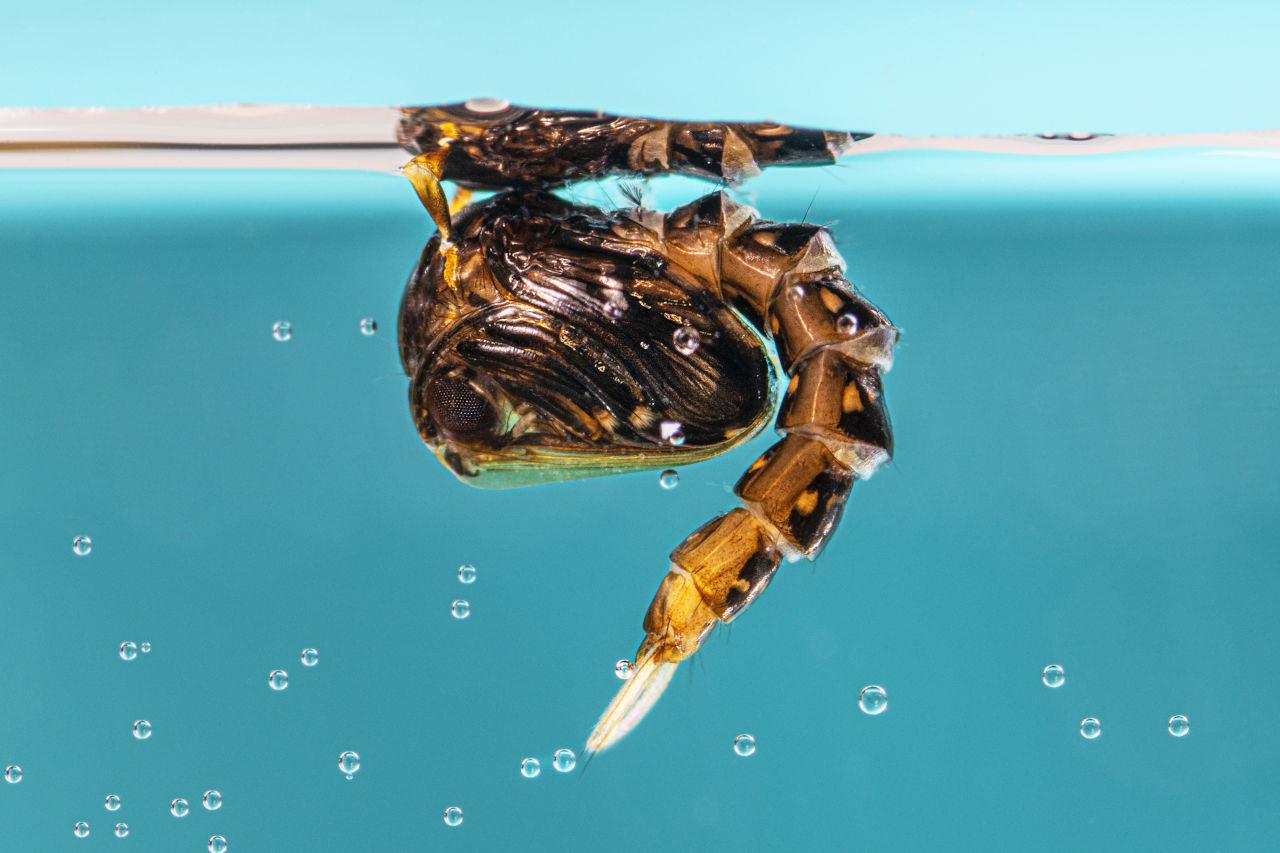
Tiger mosquito pupae—which will develop into adults capable of transmitting dengue and other diseases—live in aquatic environments.
CDC/ Amy E. Lockwood, MS / Lauren Bishop
The disease has also emerged in departments where it had never been detected before. While the number of infections will likely continue to rise in the coming days and weeks, which regions are affected? What are the most plausible causes of this unusual situation? Is this situation cause for concern?
[More than 80,000 readers rely on The Conversation’s newsletter to better understand the world’s major issues. Subscribe today]
In the Alpes-Maritimes, the largest outbreak ever identified in metropolitan France
Currently, of the five departments affected by the disease, three are located in the Occitanie region and two in the Provence-Alpes-Côte d’Azur (PACA) region.
In Occitanie, four cases were identified in the same household in the town of Salvetat Saint-Gilles, 20 km west of Toulouse, in Haute-Garonne; Three cases were reported in the town of Andrest and in the town of Rabastens-de-Bigorre, 15 km away, in the Hautes-Pyrénées; one case was detected in Perpignan, in the Pyrénées-Orientales. The dengue virus had never before been identified in these last two departments.
In the PACA region, the two affected departments are the Var, with six cases identified in Fayence, and, most notably, the Alpes-Maritimes, with 26 cases identified in three municipalities located less than 10 km apart: Saint Jeannet, Gattières, and La Gaude. The geographical and temporal proximity of these new cases—they emerged over the course of a month—suggests a single outbreak of the virus across these three municipalities. This outbreak is already the largest ever identified in metropolitan France. It remains active, with the most recent cases identified in early September. Additional cases will likely be identified in the near future.
Until now, the number of locally acquired dengue infections in metropolitan France had remained very low. It was estimated at fewer than 30 since the first case was reported in 2010, with often only a few infections identified each year. The number of cases reported this year has therefore already exceeded the total number of cases identified over the past 15 years.
It should also be noted that because dengue is often asymptomatic (in about 70% of cases), it can go largely unnoticed. Furthermore, with the COVID-19 pandemic, the diagnosis of other viral diseases has likely been underestimated over the past two years. This may have particularly affected various arboviral diseases, including dengue. The actual number of cases is therefore likely to be significantly underestimated.
Why such a surge? While it was difficult to predict a surge in dengue transmission like the one we are experiencing in 2022, several early warning signs in recent years pointed to an increase in vector-borne diseases.
The mosquito that carries the disease has invaded our territory
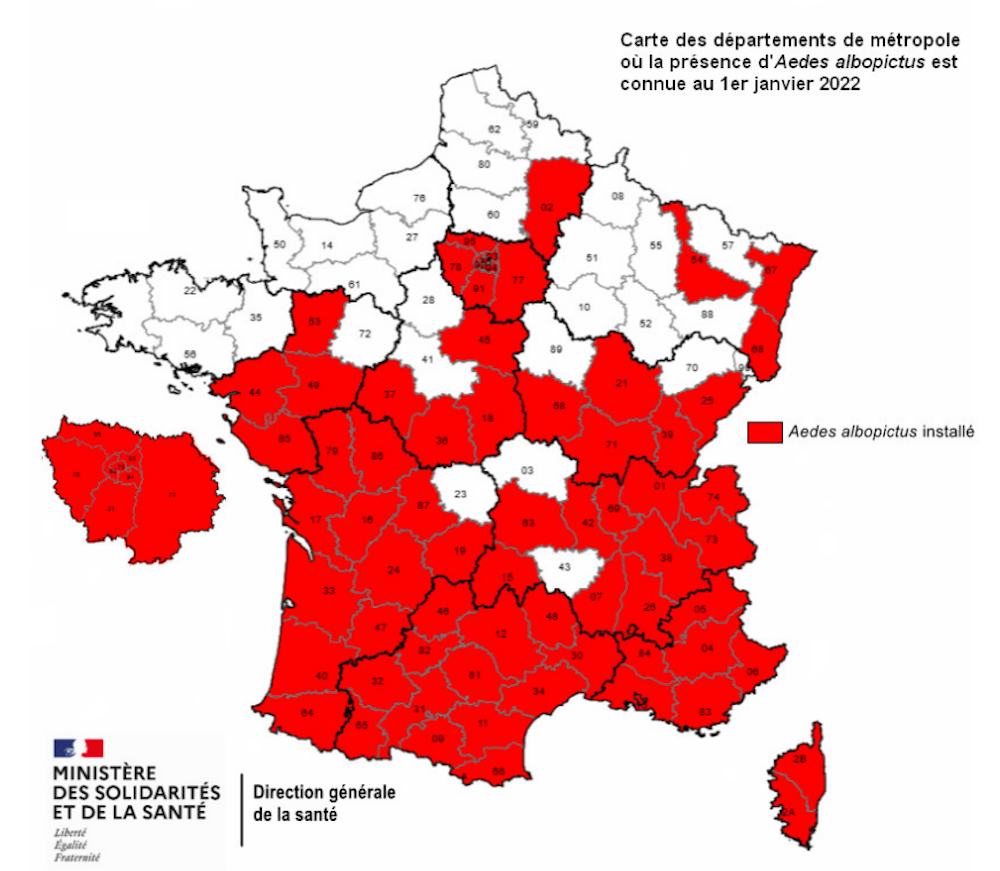
Ministry of Solidarity and Health
The virus that causes dengue fever is transmitted by mosquito species belonging to the genus Aedes, which includes the tiger mosquito (Aedes albopictus). However, since it was first detected in France in 2004 in Menton, this small black mosquito—with a white-striped body and legs—native to Southeast Asia and the Indian Ocean has continued to expand its range in France.
In less than 20 years, it has spread to 67 of the 96 metropolitan departments (compared to just 58 in 2020!). Its spread across the entire country is unstoppable.

Pxhere
A major nuisance during the summer months (some tourist areas are overrun with them), the tiger mosquito is capable of transmitting—in addition to the dengue virus— various viruses that cause diseases in humans, including the Zika virus and the chikungunya virus. Its spread across our territory increases the risk of these diseases spreading.
Currently, among these three viruses that cause tropical diseases, the dengue virus is the most prevalent in metropolitan France, particularly in the southern regions, where the density of tiger mosquitoes is highest.
A risk exacerbated by environmental and climate change
Weather conditions—particularly temperature, humidity, and precipitation—affect the geographic distribution and activity of mosquitoes. In some cases, these conditions can increase their population and extend their lifespan.
The summer we just experienced—which was exceptional for its alternating periods of scorching heat and intense rainfall, particularly in the southern regions—led to a significant increase in the number of mosquitoes.
In fact, while their eggs need water to complete their development, they are nevertheless highly resilient in the environment. In the event of a drought, they can remain viable for up to several years, allowing them to survive until conditions for hatching become favorable again.
This surge in mosquito populations has increased the risk of dengue virus transmission, a risk that was already heightened by the resumption of international trade and tourism.
Tourism and trade contribute to the spread of pathogens
Trade and tourism, which have been growing exponentially over the past few decades, can facilitate the spread of viral diseases, particularly those transmitted by vectors such as mosquitoes.
As evidence of the importance of these factors, during the COVID-19 pandemic, the number of dengue cases among people returning from travel outside the Caribbean decreased significantly, primarily due to the drastic decline in international air travel. With the sharp recovery in air travel this year, an increase in imported cases has been observed: from May1 to September 2, 2022, Santé publique France recorded 165 imported cases of dengue fever in France—already as many as in all of 2021…
These imported cases pose a risk of “local” outbreaks, provided that the mosquito that transmits the disease is present in the area. This is especially true given that dengue is the most common and widespread arbovirus disease in the world.
How is dengue transmitted?
Native to Africa, the dengue virus is an arbovirus—short for “ARthropod-BOrne VIRUS”—a virus transmitted by blood-feeding insects. It belongs to the genus Flavivirus, along with the Zika virus, the yellow fever virus, and the West Nile virus, which are also arboviruses.
When a mosquito bites an infected person, it ingests blood containing the dengue virus. The virus then multiplies in the mosquito’s body, and the mosquito transmits it to another person through a subsequent bite.
The first cases of dengue fever were recorded in the18th century on the American continent. This disease is well known in many tropical and subtropical regions around the world, from Africa to Asia and Latin America. France’s overseas territories are no exception: Réunion, Guadeloupe, and Martinique have experienced recurring epidemics in recent years.
A disease that is often asymptomatic, but can sometimes be serious
Dengue fever is sometimes referred to as the “tropical flu” because its symptoms are most often flu-like: patients experience fever, headaches, body aches, and so on. They may also sometimes develop a rash.
Symptoms of the disease appear between 3 and 14 days after the mosquito bite, with an average of 4 to 7 days. Patients generally recover spontaneously within a few days, but severe fatigue persists for several weeks.
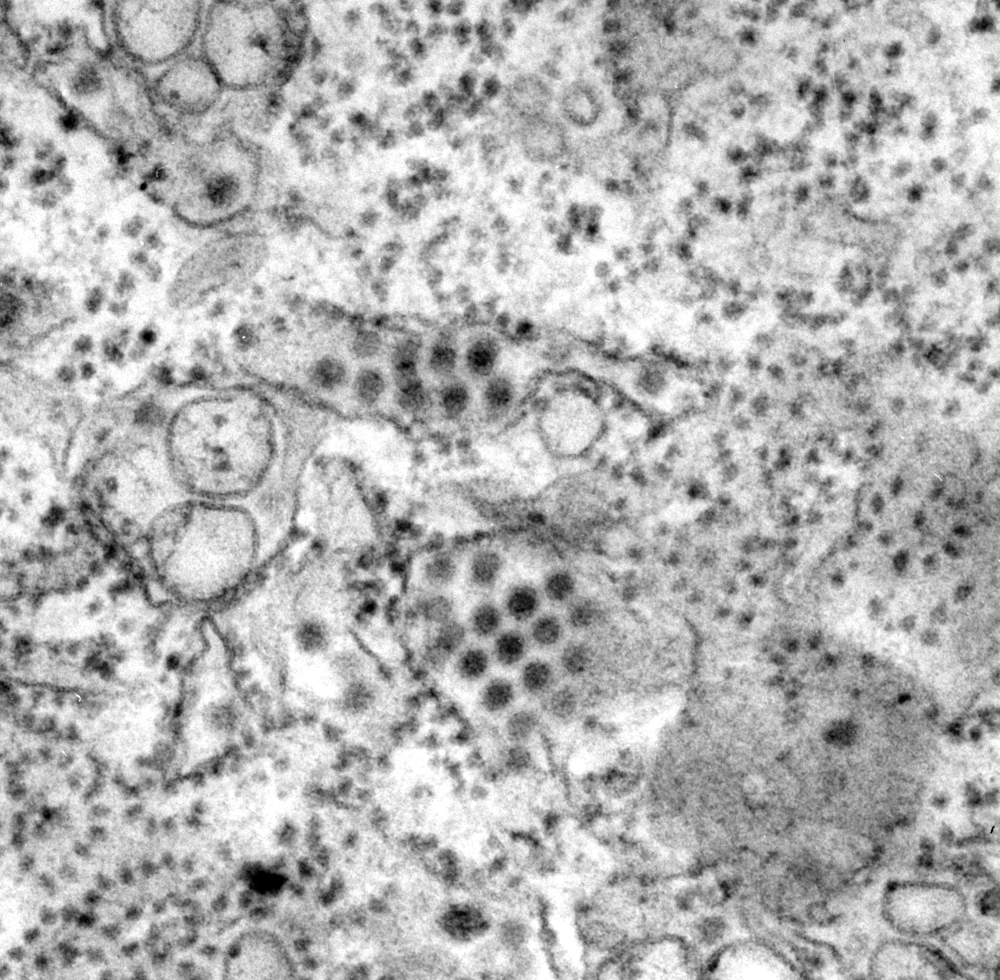
Frederick Murphy/CDC
At this time, there is no specific treatment for dengue fever. A vaccine is available (Dengvaxia), but it remains underused due to numerous restrictions on its use. This vaccine has the drawback of increasing the risk of hospitalization and severe dengue in people who have not previously been infected with the dengue virus. It is primarily prescribed to people living in endemic areas who have already been infected with the dengue virus.
Treatment of the disease consists primarily of managing symptoms, particularly pain and fever. Aspirin and nonsteroidal anti-inflammatory drugs are strictly contraindicated due to the risk of bleeding.
The main problem associated with dengue is the risk of developing what is known as severe dengue or dengue hemorrhagic fever, which can lead to shock—a condition that is often fatal. Dengue hemorrhagic fever is characterized, in particular, by respiratory distress associated with multiple hemorrhages.
Fortunately, this form of dengue affects only a small percentage of those infected: 1% to 5% of them are affected. In some cases, individuals may also develop severe neurological complications, such as encephalitis, but these complications are extremely rare.
Four different types of viruses, but no cross-immunity
There are four distinct types of dengue virus, which differ from one another by subtle changes in their antigens (antigens are structures that, when detected by the immune system, trigger an immune response and the production of antibodies—they can be proteins, lipids, sugars, etc.).
These four serotypes of the dengue virus—DENV-1, DENV-2, DENV-3, and DENV-4—are relatively similar but differ enough that they do not confer long-term cross-protection. In other words, while infection with one serotype confers immunity against that specific serotype, it does not provide protection against the other three. It is therefore possible to be infected consecutively with all four dengue serotypes over the course of one’s lifetime.
In metropolitan France, at least two serotypes—DENV-1 and DENV-3—have been identified this year. This means that the dengue virus was introduced into the country on several occasions this summer.
Mosquito Control as a Preventive Measure
After cases of infection are detected, the same procedure is followed: mosquito control operations are carried out near the detected cases, accompanied by awareness-raising efforts targeting the public and healthcare professionals (as well as during door-to-door surveys), conducted in collaboration with the ARS, Santé publique France, and mosquito control agencies such as Altopictus orthe Entente interdépartementale de démoustication.
Currently, the best ways to prevent the spread of viruses such as dengue, which are transmitted by mosquitoes, are to limit the proliferation of these insects and to protect yourself from their bites.
To reduce the breeding of mosquito larvae, it is recommended that you empty all containers of standing water—especially the saucers under flowerpots and watering cans—and cover rainwater containers, particularly during periods of heavy rainfall. To minimize the risk of being bitten, it is recommended that you use appropriate repellents and wear loose-fitting, long-sleeved clothing.
Strengthening surveillance networks remains one of the best strategies for combating these new threats, which are difficult to anticipate.
Fortunately, in our country, the threat of arboviruses—including dengue—remains sporadic for the time being, and the risk of an epidemic is limited.
Yannick Simonin, virologist, associate professor of surveillance and research on emerging diseases, University of Montpellier
This article is republished from The Conversation under a Creative Commons license. Readthe original article.