[LUM#2] Drugs Last
From the pharmacopoeias of the past to the medicines of the future: a journey into the little-known world of traditional medicine, which is currently experiencing a resurgence of interest. Welcome to the Montpellier herbalist’s shop.
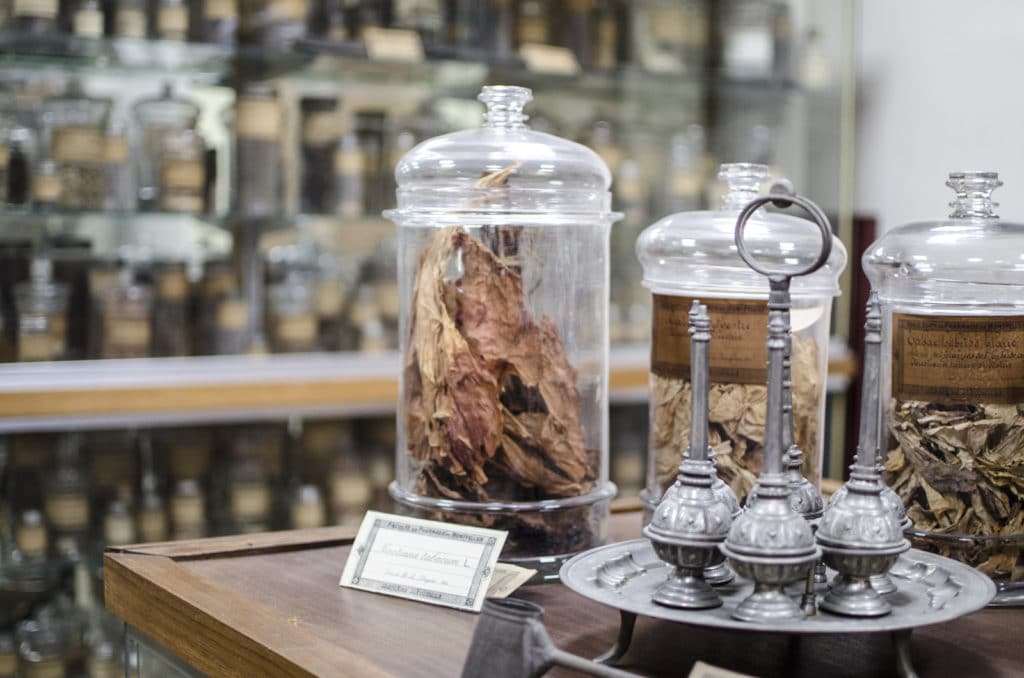
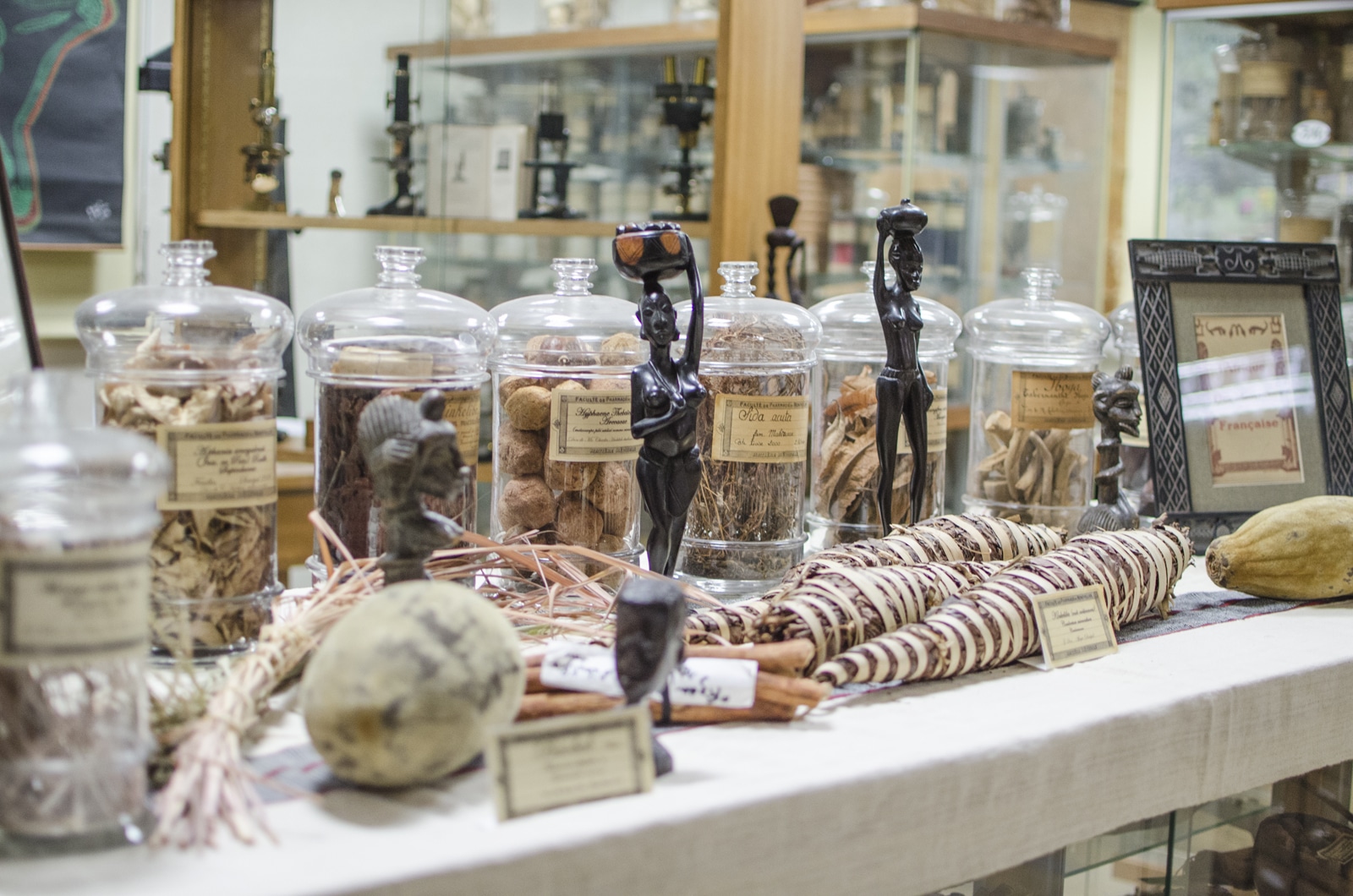
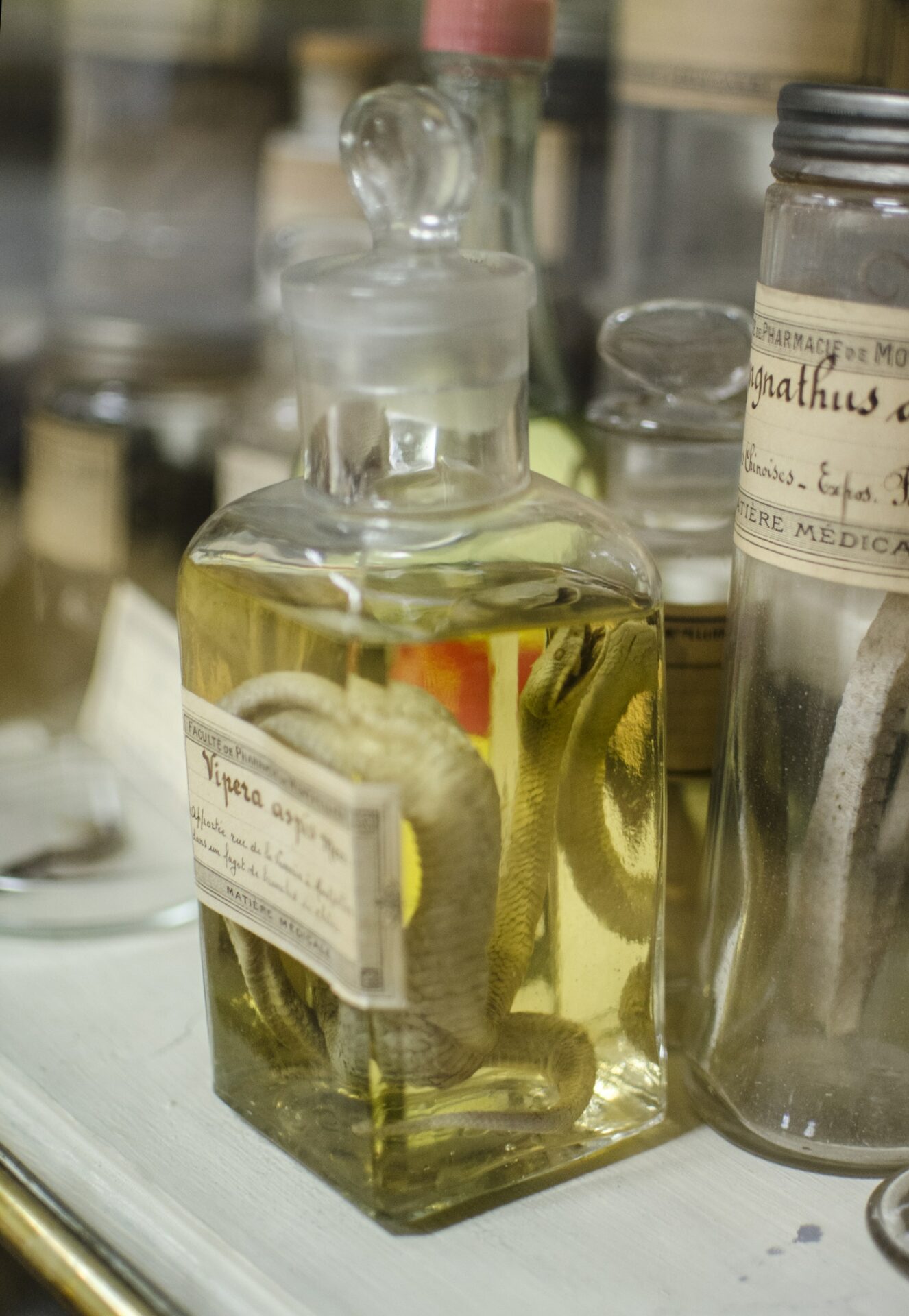
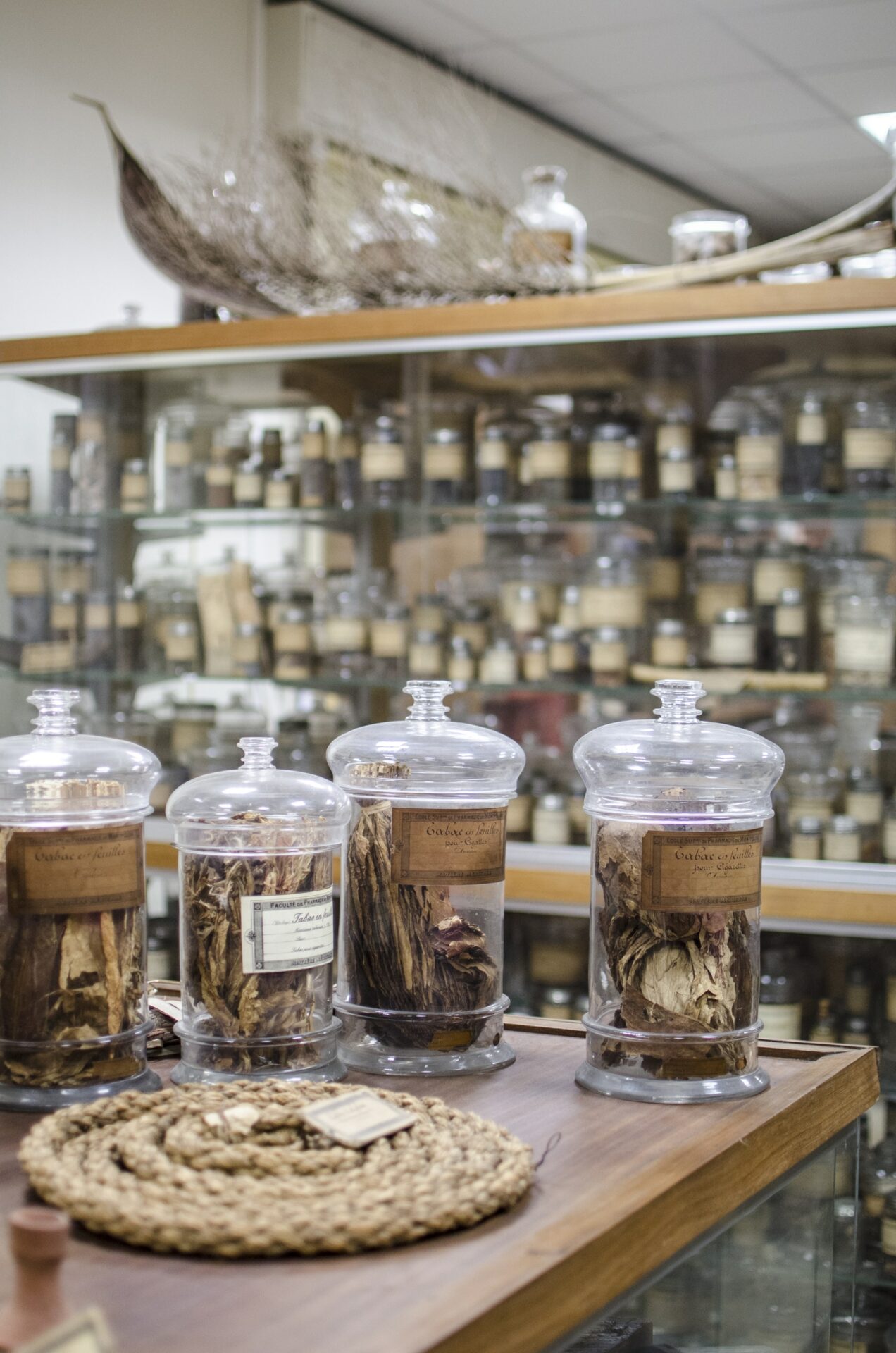
Antique jars, majestic cabinets, old glass panes reflecting the gazes of curious onlookers… Here you’ll find our grandmothers’ remedies—whether in their natural form or as dried stems—mixed in with traditional ingredients from Africa, Asia, and the Americas: from the blood-purifying dandelions of our scrublands to precious Chinese teas, including medicinal plants from Réunion, vipers in bottles and other dried centipedes, and even ambergris from distant seas…
Living Collections
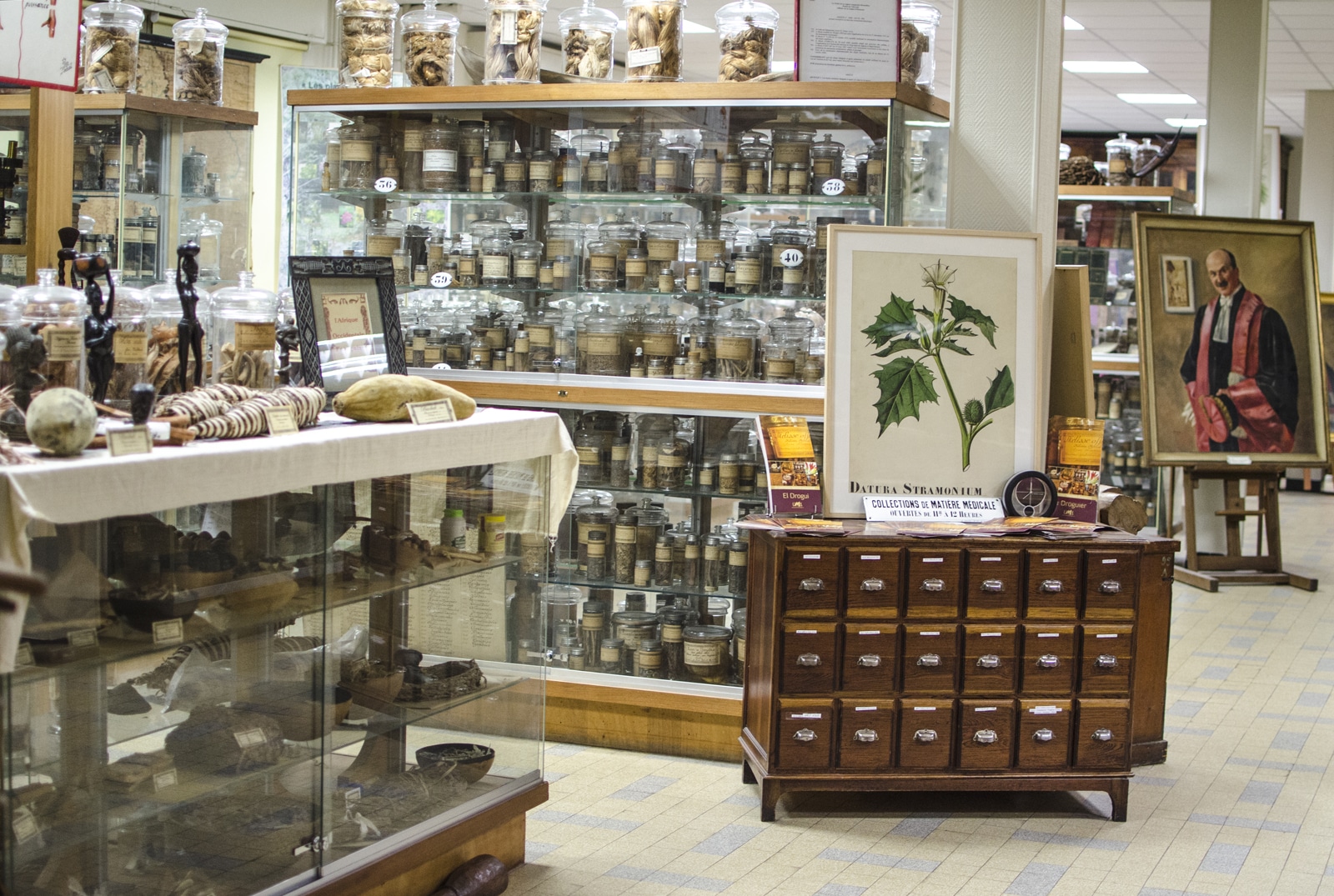
This astonishing treasure trove is hidden at the end of an unassuming hallway in the Montpellier School of Pharmacy. Yves Pélissier holds the keys. When he opens the doors to Montpellier’s venerable apothecary —heir to the very first apothecary established in 1588—visitors are welcomed into another world.
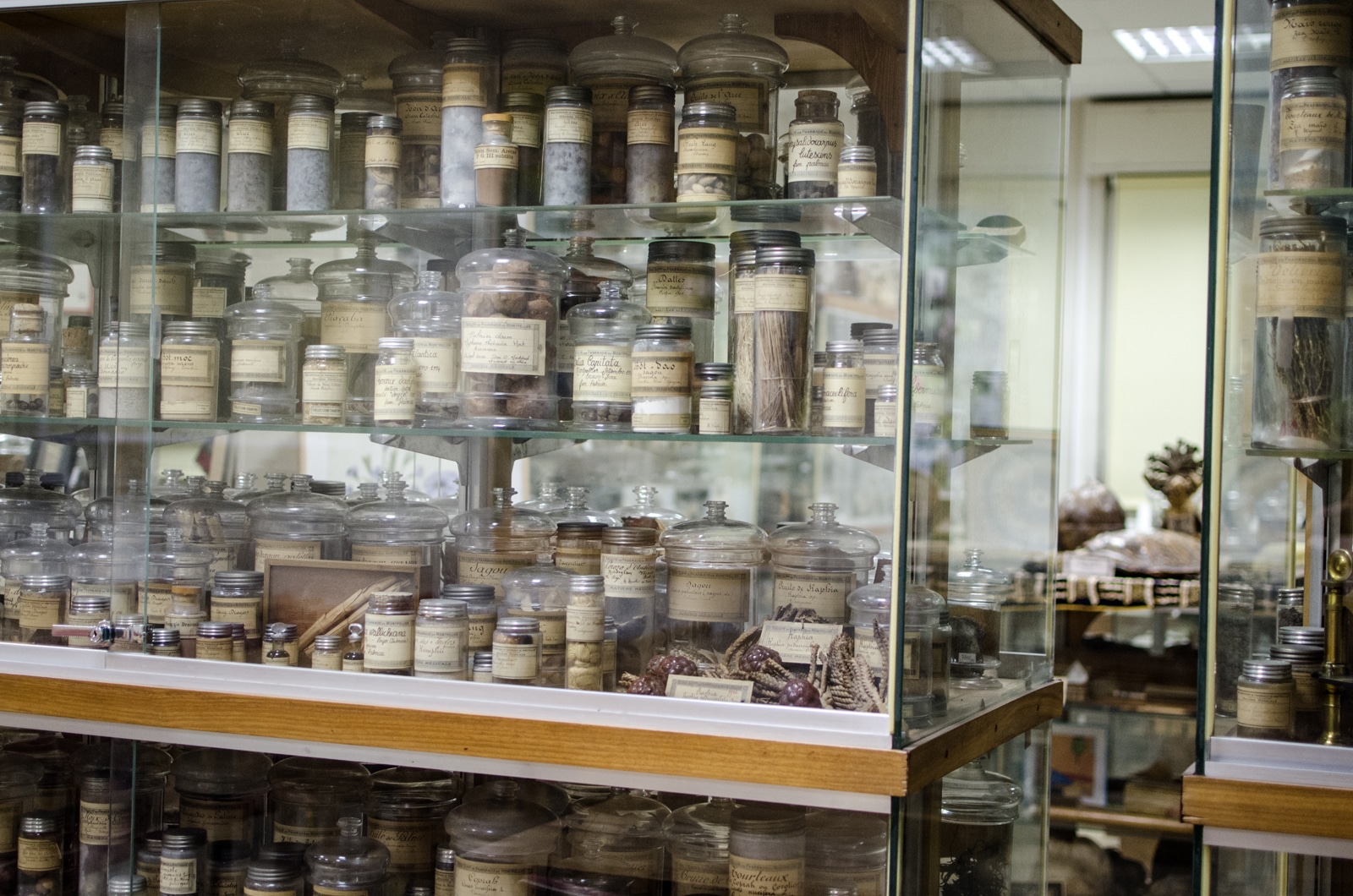
In its heyday, there were as many as 45,000 specimens here, recalls the man who, along with Chantal Marion, fought to preserve this place threatened by flooding, dust, and oblivion. In 2009, thanks to their efforts, the Montpellier Apothecary was designated a historic monument. Today, it houses nearly 10,000 specimens of “medicinal substances”: minerals, plants, and animal substances. These collections have been assembled over the centuries through travel and exchanges with the entire world.
A museum? Not exactly. Because this collection remains a living entity. It grows every day through donations and bequests. And through research as well: the herbarium has become a very active center for education and research. Since 2002, it has inspired more than 75 dissertations. As for the university degree in phytotherapy recently created by Yves Pélissier, it’s in high demand: 157 applications this year for 33 spots…
Ethnopharmacology
A growing interest that highlights the fascination with ethnopharmacologytoday: this science that examines traditional knowledge and what it has to teach us. Knowledge that is complex, to say the least. This is because a plant is a veritable cocktail of chemical compounds, which varies depending on numerous factors: the season, the soil, sunlight exposure…“Our ancestors knew very specific harvesting times and locations . Today, we often lack reliable information, as well as properly trained practitioners. There is therefore a real risk, particularly when it comes to self-medication via the Internet.”
This warning applies particularly to aromatherapy, a branch of herbal medicine based on the use of essential oils. Plants are not harmless. Just as their benefits have been known since time immemorial, so too has their toxicity.“They should only be prescribed according to best practices and by recognized specialists. There’s nothing harmless, for example, about a simple eucalyptus essential oil: in excessive doses, it can be toxic,” warns Yves Pélissier, a professor of pharmacognosy, phytotherapy, and aromatherapy.
With the advent of chemistry in the19th century, allopathic medicine gradually supplanted traditional medicines. Today, these traditional practices are making a major comeback. Their main appeal?“They don’t just treat symptoms. They offer a ‘holistic’—that is, comprehensive—approach.” In other words,“they have the merit of focusing on your well-being and offering a harmonious balance that doesn’t neglect any aspect—psychology in particular. Acupuncture, massage, energy, herbs: Chinese medicine, for example, incorporates all of these!”
Learning from the Past
Yves Pélissier does not, however, pit conventional medicine against traditional medicine. Instead, he speaks of “complementary approaches.”“Allopathic medicine—of which herbal medicine is, incidentally, an integral part—has proven its worth. Traditional therapies also have their place. When administered professionally and under medical supervision, they can be recommended in primary health care, to support patients’ well-being, or to mitigate the side effects of certain treatments.”
It is worth noting that in emerging countries,the WHO now recommends the use of“improved traditional medicines.”Inexpensive and effective, these derivatives of traditional medicine are ideally suited to addressing basic health issues—such as fever, hemorrhage, or dysentery. However, we must take care to preserve ancestral knowledge that is in danger of disappearing…
This neglect is not limited to our industrialized countries. Fortunately, research is now taking up the torch from tradition. As a repository for ancient pharmacopoeias and a resource center for educators, the Montpellier Herbarium is also a laboratory that brings together scientists from around the world.“Researchers are on the lookout. These days, many plants from traditional pharmacopoeias are the subject of scientific studies aimed at confirming their therapeutic applications.” After a lengthy process, these plants—hitherto unknown to modern science—may be included in the highly authoritative European Pharmacopoeia. Inclusion in the pharmacopoeia signifies recognition of their medicinal properties—a necessary condition for them to one day be prescribed by your doctor.
Far from being doomed to oblivion in our grandmothers’ cupboards, these plants represent a source of hope for the treatments of tomorrow, and the Montpellier Herbarium serves as a fabulous playground for researchers.“In the face of new technologies, the future of herbal medicine is not bleak,” concludes Yves Pélissier. “We have things to learn from the past— provided we apply today’s scientific methods to this ancestral knowledge.”
Check out theUM podcasts, now available on your favorite platform (Spotify, Deezer, Apple Podcasts, Amazon Music, etc.).