Audiocampus: When Walls Have Ears
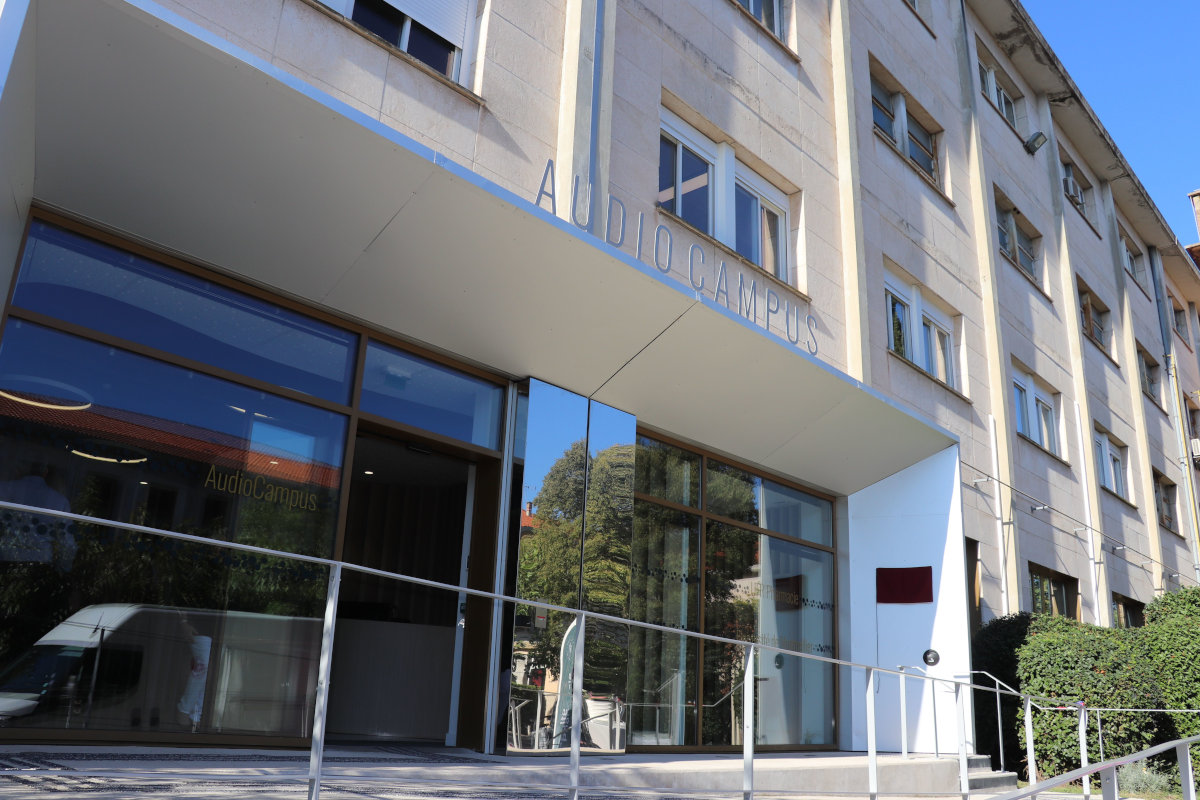
The Audiocampus facility, located in Building C of the School of Pharmacy, was inaugurated on Friday, October 11. This €2 million project, made possible by the “Opération Campus” initiative, will help address the national need for hearing loss care by increasing the number of students enrolled in programs for hearing aid technology and sensory neuroprosthetics.
25% of the French population and one in two people over the age of 65 suffer from hearing problems (hearing loss, tinnitus). With increasing life expectancy and greater exposure to noise among younger generations, these figures will only continue to rise. Once destroyed, the auditory sensory cells in the inner ear do not regenerate, and hearing aids are the primary solution. To address the national need for hearing loss care, it was decided to establish an Audiocampus facility in Montpellier—with national and international visibility—featuring premises specifically adapted for this purpose.
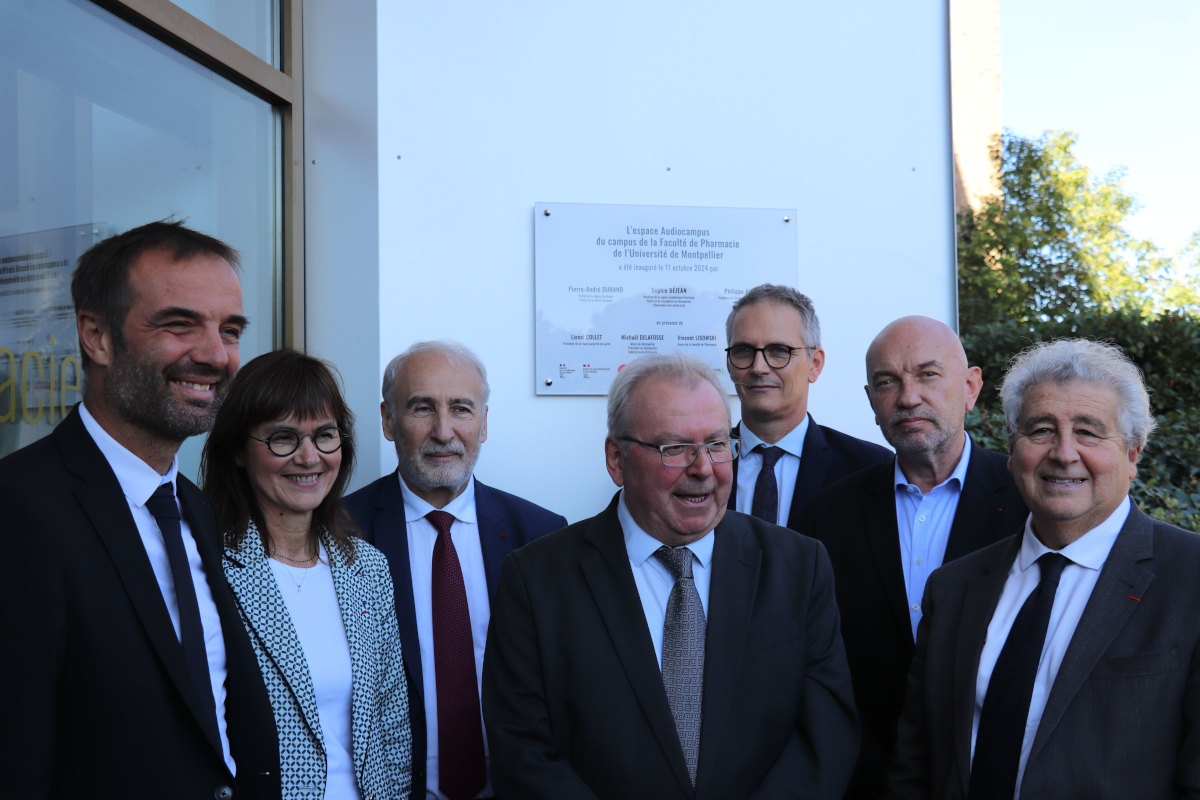
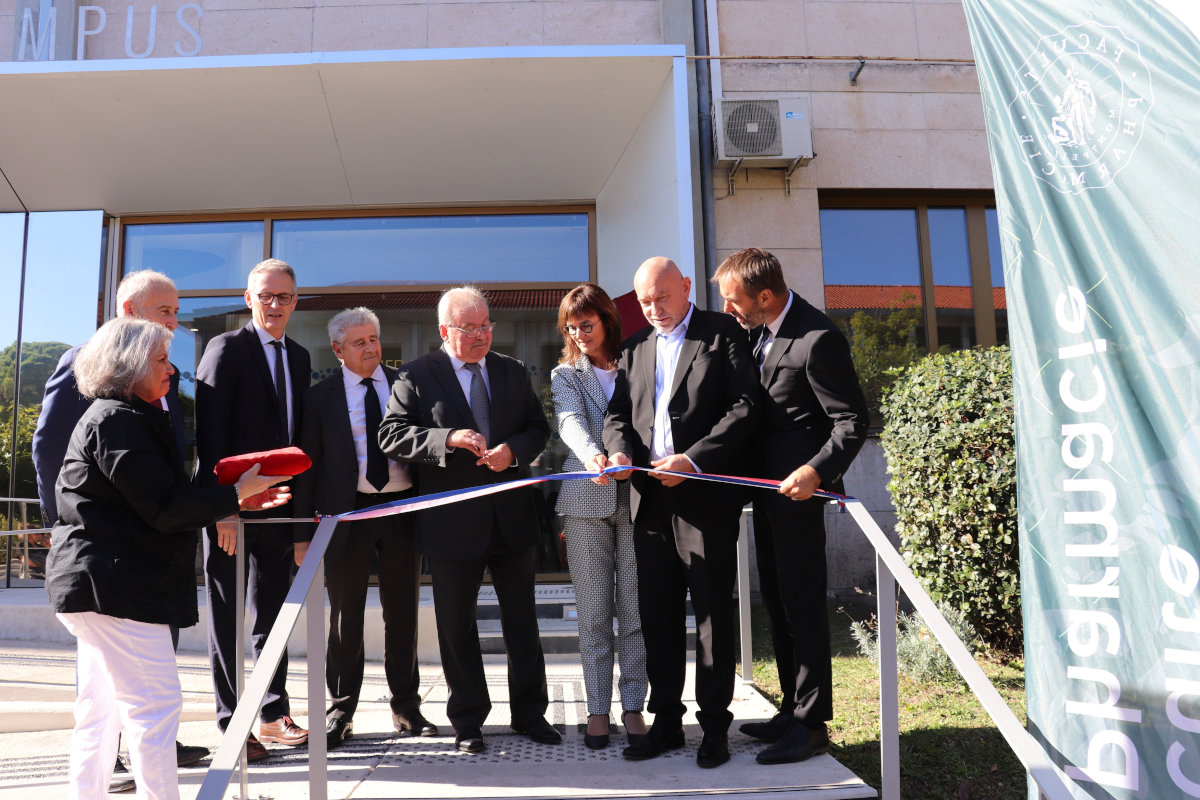
The project became a reality on October 11 in the presence of Pierre André-Durand, Prefect of the Occitanie Region and Prefect of Haute-Garonne; Sophie Béjean, Rector of the Occitanie Academic Region, Rector of the Montpellier School District, and Chancellor of the Universities; Philippe Augé, President of the University of Montpellier; Jean-Luc Puel, Director of Audiocampus; and Vincent Lisowski, Dean of the School of Pharmacy, who inaugurated the Audiocampus space. This 2-million-euro project, carried out in Building C of the School of Pharmacy, was made possible thanks to the “Opération Campus” initiative.
Train more professionals
The main objective of the Audiocampus is to increase the number of students in three programs. First, the state-certified hearing aid specialist program, which will expand from 30 to 50 students per year. This program is designed to train healthcare professionals capable of assessing hearing loss, recommending appropriate hearing aids, and adjusting them to suit patients’ lifestyles.
The second program, the master’s degree in “Sensory Neuroprostheses”—offered exclusively in Montpellier—is expanding from 30 to 60 students. It covers the fields of prosthetic fitting for children, implantable prostheses, and functional assessment of hearing and language. Finally, the institutional diploma in “Audioprosthetics Techniques” will now admit 40 students instead of 20 in response to increased demand within the profession. Audioprosthetics technicians welcome patients, perform maintenance, and repair hearing aids.
In addition, Audiocampus is affiliated with a joint research laboratory (Inserm/University of Montpellier) that collaborates with manufacturers of cochlear implants and hearing aids, as well as with the ENT department at Montpellier University Hospital and the Saint Pierre Institute in Palavas, which specializes in pediatric rehabilitation.
Patient Registration
In terms of facilities, this renovation involved the ground floor of Building C on the Faculty of Pharmacy campus, with the creation of three lecture halls for students in the Audiologist Diploma program and the Master’s program (which can be converted into e-learning rooms), as well as two computer labs dedicated to hands-on training and offices for faculty, researchers, and technicians. A 3D printer is now available there for manufacturing hearing aids, and the molding room is dedicated to the production of ear molds.
The Audiocampus facility also treats patients. It features seven audiometric booths for assessing hearing acuity, an “exercise lab” where patients can be fitted with hearing aids under the supervision of a healthcare professional, a waiting area for patients, and finally a “play” area where hearing care professionals can interact with the public.