[LUM#18] Arctic Mission
To determine whether the ranges of marine fish are changing as a result of climate change, Loïc Sanchez sailed across the Baffin Sea, collecting environmental DNA samples along the way.
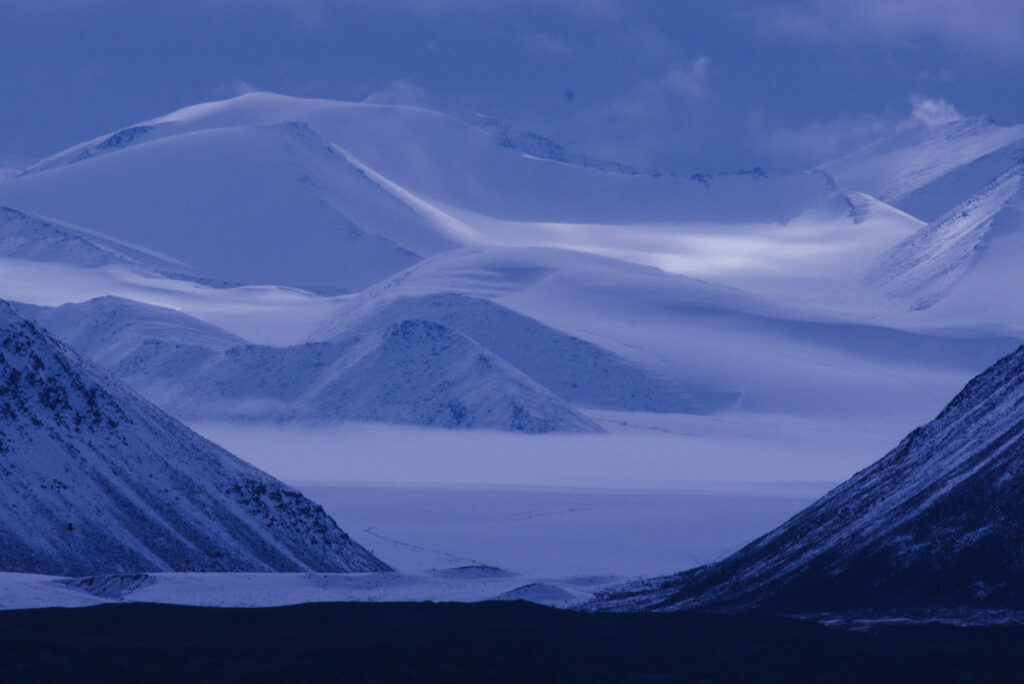
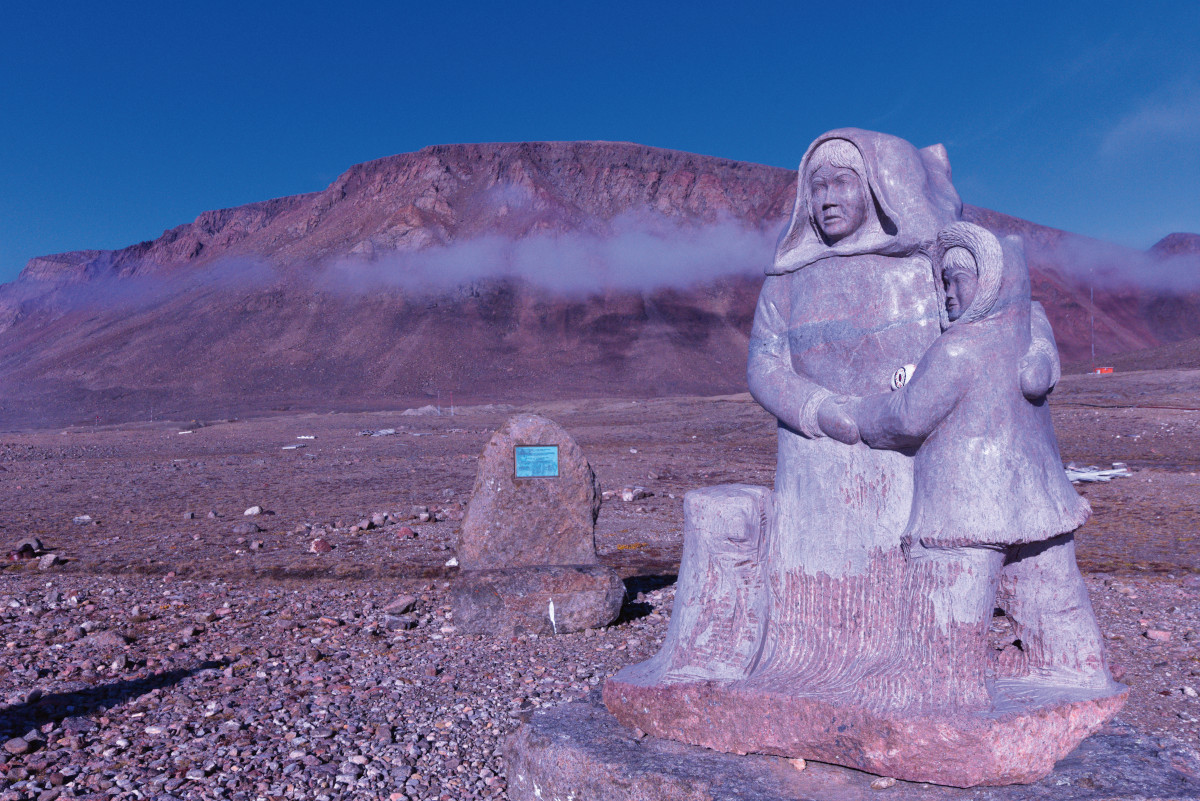
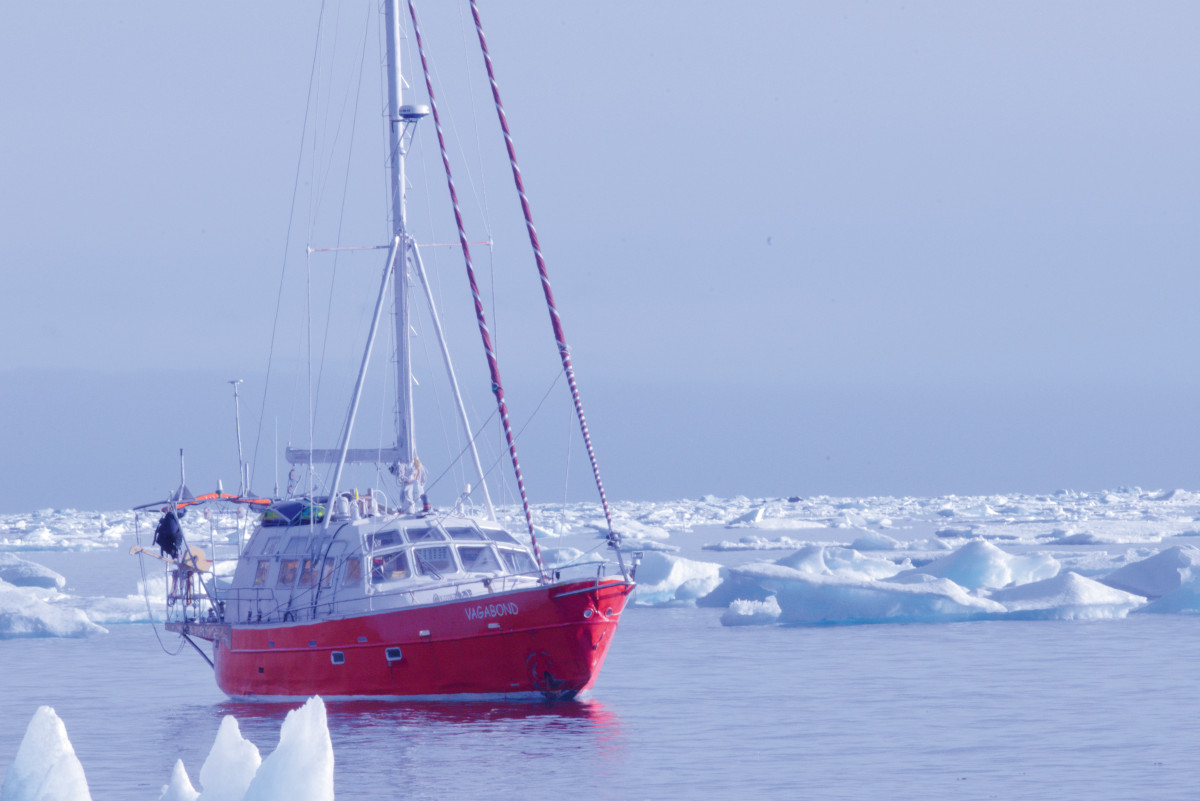
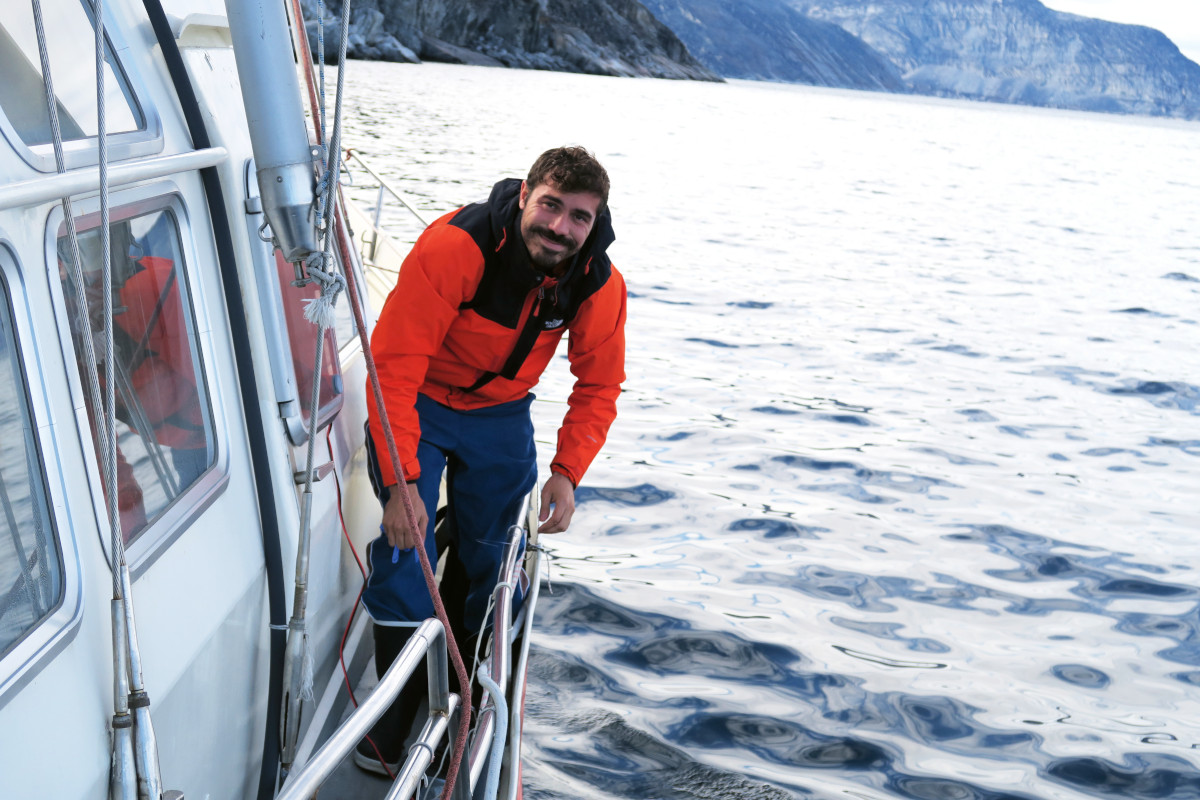
A 2,000-kilometer journey across the Baffin Sea to connect the Inuit community of Grise Fiord with Saint Pierre and Miquelon. This is the extraordinary voyage undertaken by Loïc Sanchez aboard the Vagabond, a 15-meter sailboat captained by seasoned explorer Eric Brossier.
A unique experience for the young doctoral student at the Marbec laboratory1. His mission? To predict changes in the distribution ranges of marine fish species. “We want to know if, with climate change, species that were previously found elsewhere are now present in this area,” explains Loïc Sanchez. While scientists already have a wealth of data, the young researcher points out that there are indeed “gaps in the data.”
“There are areas that are severely undersampled, and the poles are among them; yet this data is crucial because the effects of climate change are particularly intense there. ” And the data scientists have had access to so far comes mainly from direct observations made while diving. This is a method
that has its limitations: “For example, we might miss very shy species that hide from divers, or species that are too small to observe easily, ” explains Loïc Sanchez.
To track down these elusive creatures and fill in the gaps in the survey, Loïc Sanchez uses
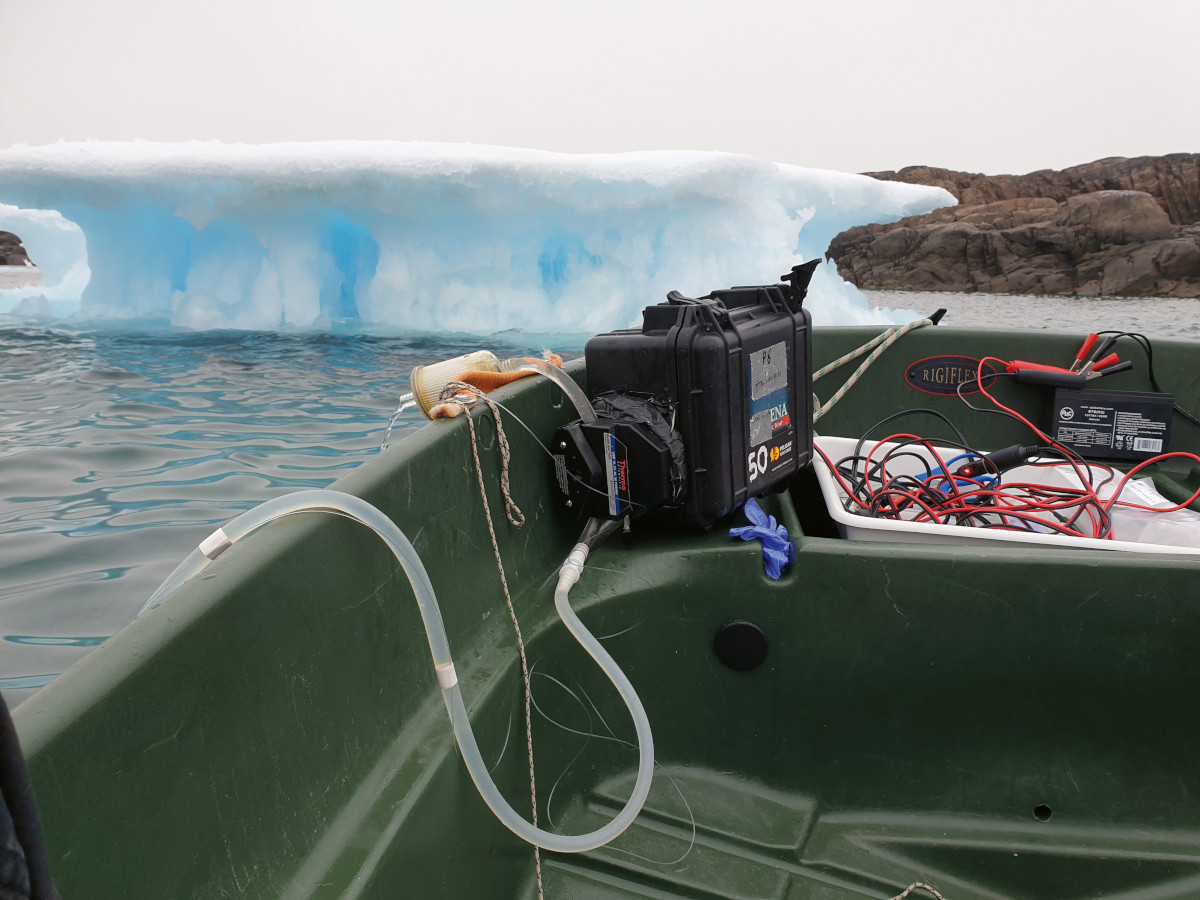
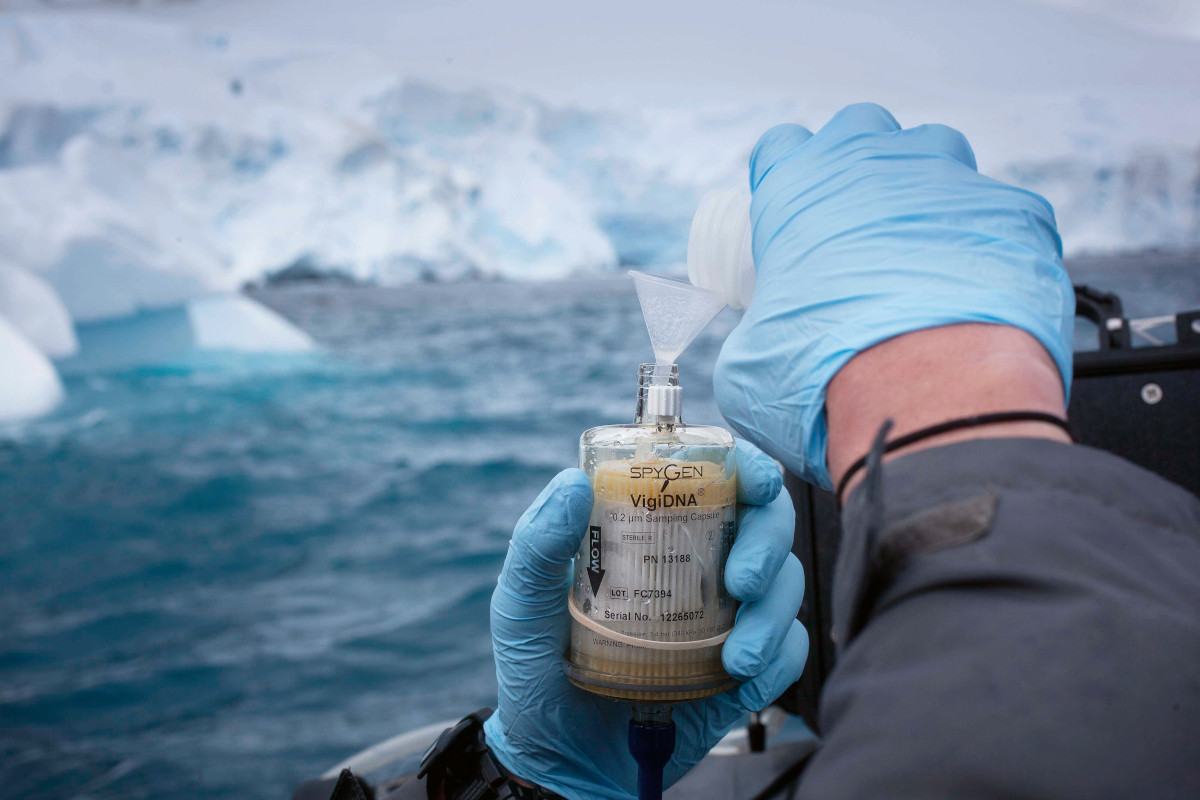
the environmental DNA technique, which involves filtering water samples to recover DNA left behind by living organisms. This DNA is then compared with data from a reference database to determine which species it belongs to. “This will allow us to assess the value of environmental DNA for detecting additional species, ” explains Loïc Sanchez.
The doctoral student collected around thirty samples along the way, “data that is worth its weight in gold, since no samples had ever been taken there before.” Back on land, the samples are sent to the startup Spygen for analysis to determine which species inhabit the waters of this sea bordering the Arctic Ocean. “This information will help predict changes in fish distribution and range under various climate change scenarios.”
UM podcasts areUM available on your favorite platform (Spotify, Deezer, Apple Podcasts, Amazon Music, etc.).
- Marbec (UM, IRD, CNRS, Ifremer) ↩︎