Montpellier Global Days 26: A Dialogue Among Cultures
On June 23 and 24, the University of Montpellier and its partners in the I-Site program of excellence organized the 2026 edition of Montpellier Global Days. Titled “Food, People, Planet,” this international event focused on quality standards in food and honored those around the world who contribute to the production, preservation, and promotion of sustainable food systems.
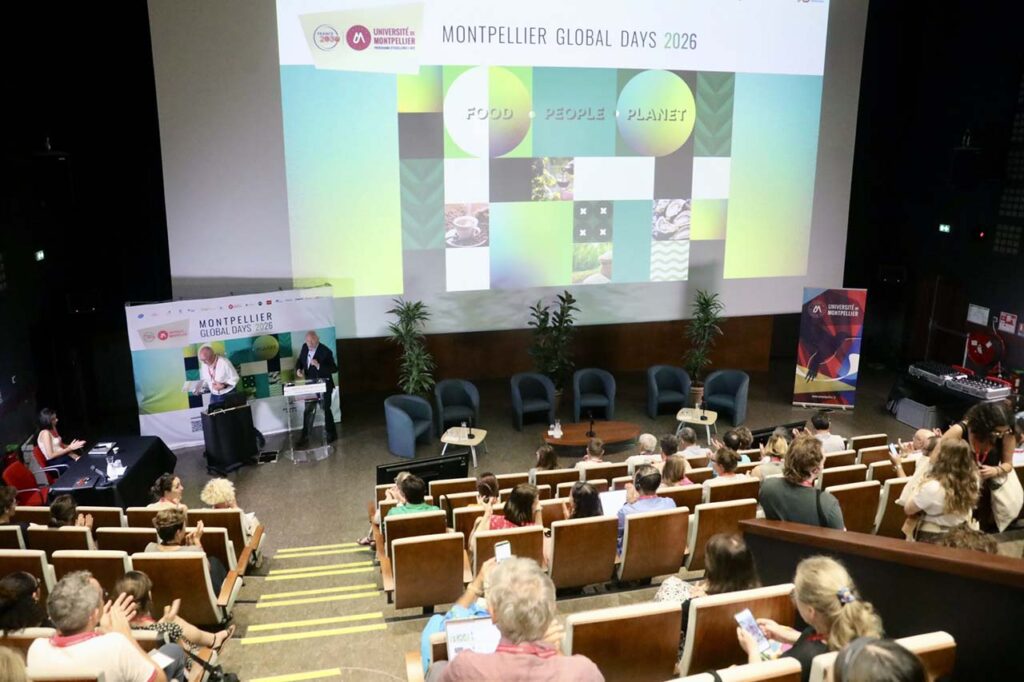
After focusing on collaborations between France and Africa in 2021, followed by a spotlight on the work of international expert groups in 2024, this year’s Montpellier Global Days offered a return to a human-centered perspective. It was an opportunity to take a comprehensive look at familiar aspects of our daily lives: food quality labels.
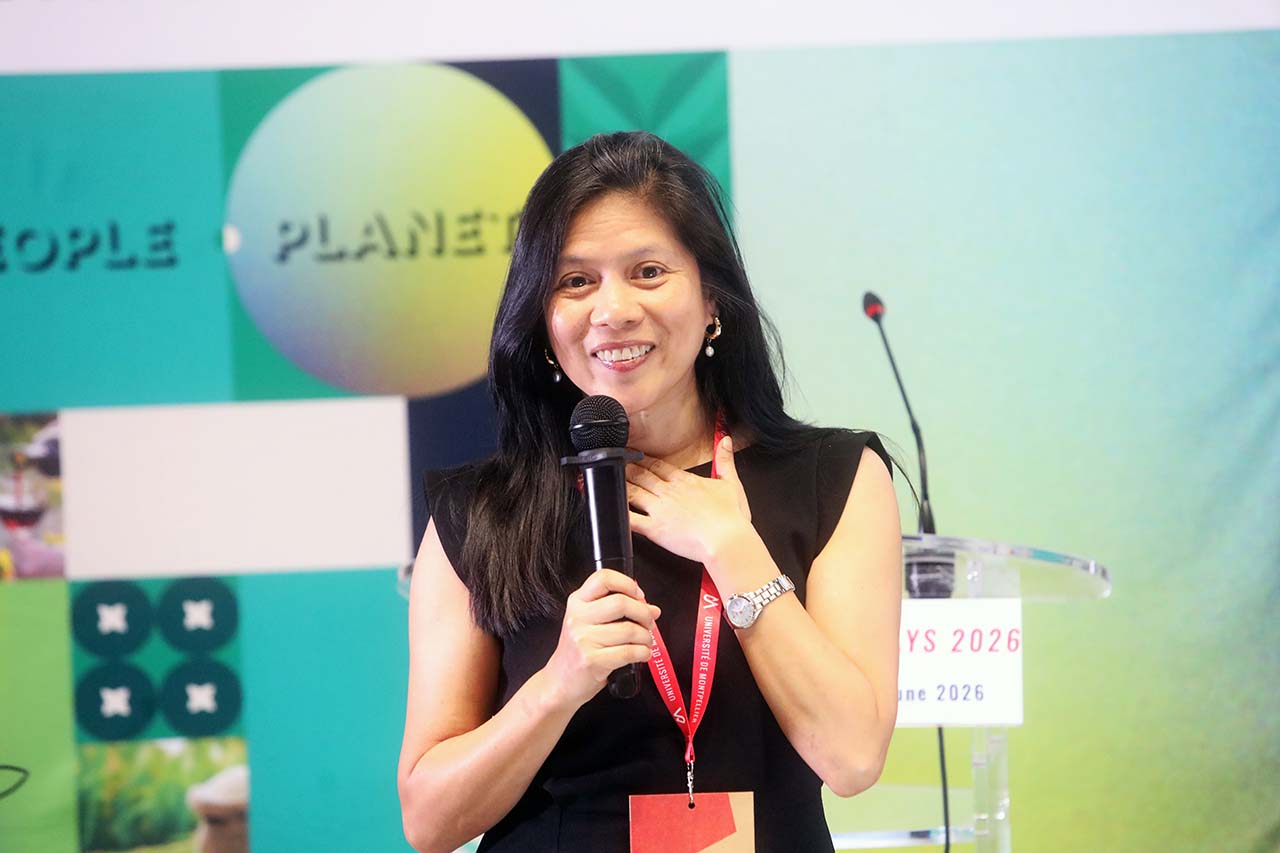
“From South Africa to the United States, from Japan to Costa Rica, the Montpellier Global Days transform Montpellier into a global hub for reflection on quality labels—more than 90 years after the creation of the AOCs—and their role in addressing environmental, climate, and nutritional challenges,” emphasized Philippe Augé, president of the University of Montpellier, during his opening remarks at the scientific conference on June 24.
From AOCs to Sustainable Food Systems
The concept of the appellation d’origine (AOC) originated right here in our region—in the Aveyron, to be precise. In 1925, Roquefort became the first French cheese to receive this distinction, a certification designed to protect it from poor imitations. A true founding act, this pioneering initiative paved the way for other wine-growing regions. Ten years later, the creation of the Appellation d’Origine Contrôlée (AOC) system opened a new chapter in the history of French winemaking. Since then, this commitment to recognizing and protecting locally rooted products has expanded to include numerous food quality certifications.
Today, these systems are an essential pillar of sustainable food systems, combining land protection, the promotion of traditional knowledge, the preservation of biodiversity, and product traceability… And in some cases, nutritional quality, with undeniable benefits for human health. But beyond labels, specifications, and certification programs, their vitality depends on the people who bring them to life. It is indeed the men and women around the world who have conceived, developed, championed, and protected them. This commitment is essential to safeguarding food security on a global scale.
Four Fields Addressing Global Challenges
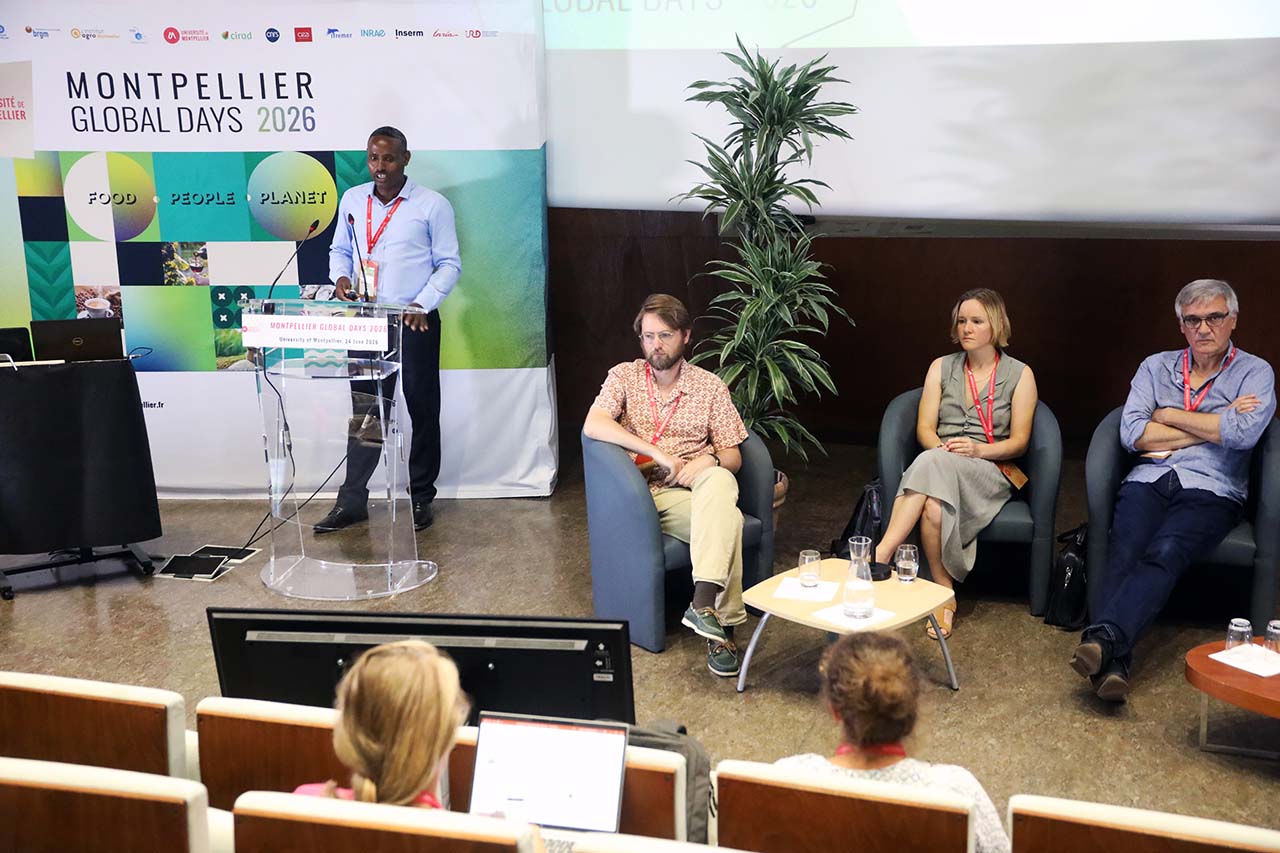
With this in mind, the University of Montpellier took advantage of the 2026 edition of Montpellier Global Days to bring together researchers, professionals, institutions, and partners from Europe, Africa, North America, Central America, and Asia around a common goal: to exchange perspectives and strengthen international cooperation in the fields of viticulture and wine, shellfish farming, coffee, and rice. Each of these four flagship sectors was the focus of a scientific session bringing together the scientific community, local governments, regional stakeholders, and international partners. Through real-world examples, the discussions addressed the scientific issues underlying certification standards: codification and regulation, nutrition and health, sustainable food systems, the impacts of global warming, biodiversity loss, and regional and community dynamics.
Regardless of the specific sectors and local characteristics, the discussions revealed shared concerns: natural cycles, adapting models, scientific experiments, environmental vulnerability, health risks, and climate dependencies. They also underscored the urgent need to act and innovate to contribute to regional resilience, help communities adapt, and preserve ecosystems. These questions offer a new perspective on major environmental and nutritional challenges at the intersection of disciplines, echoing the “Feed – Heal – Protect” pillars championed by the University of Montpellier and its partners.
Between Science and Local Terroirs
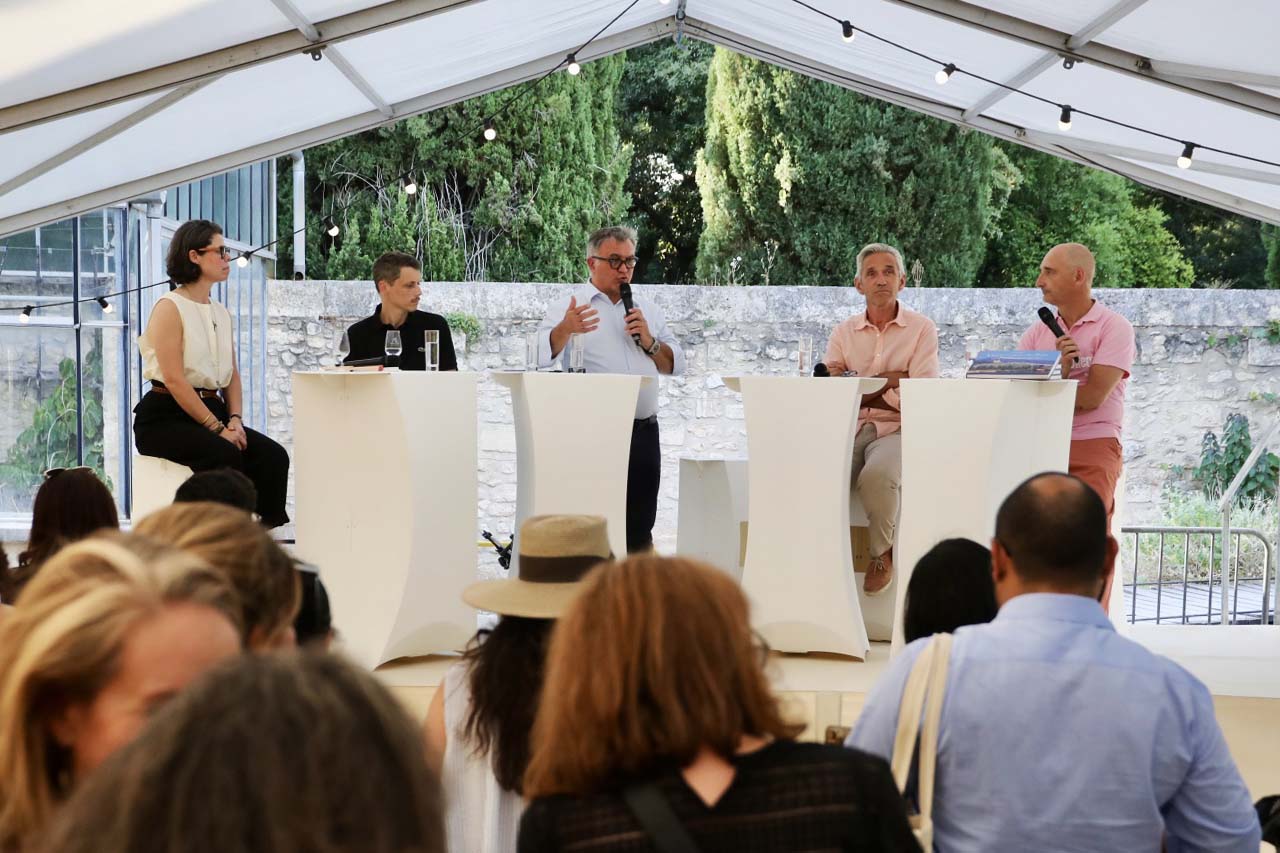
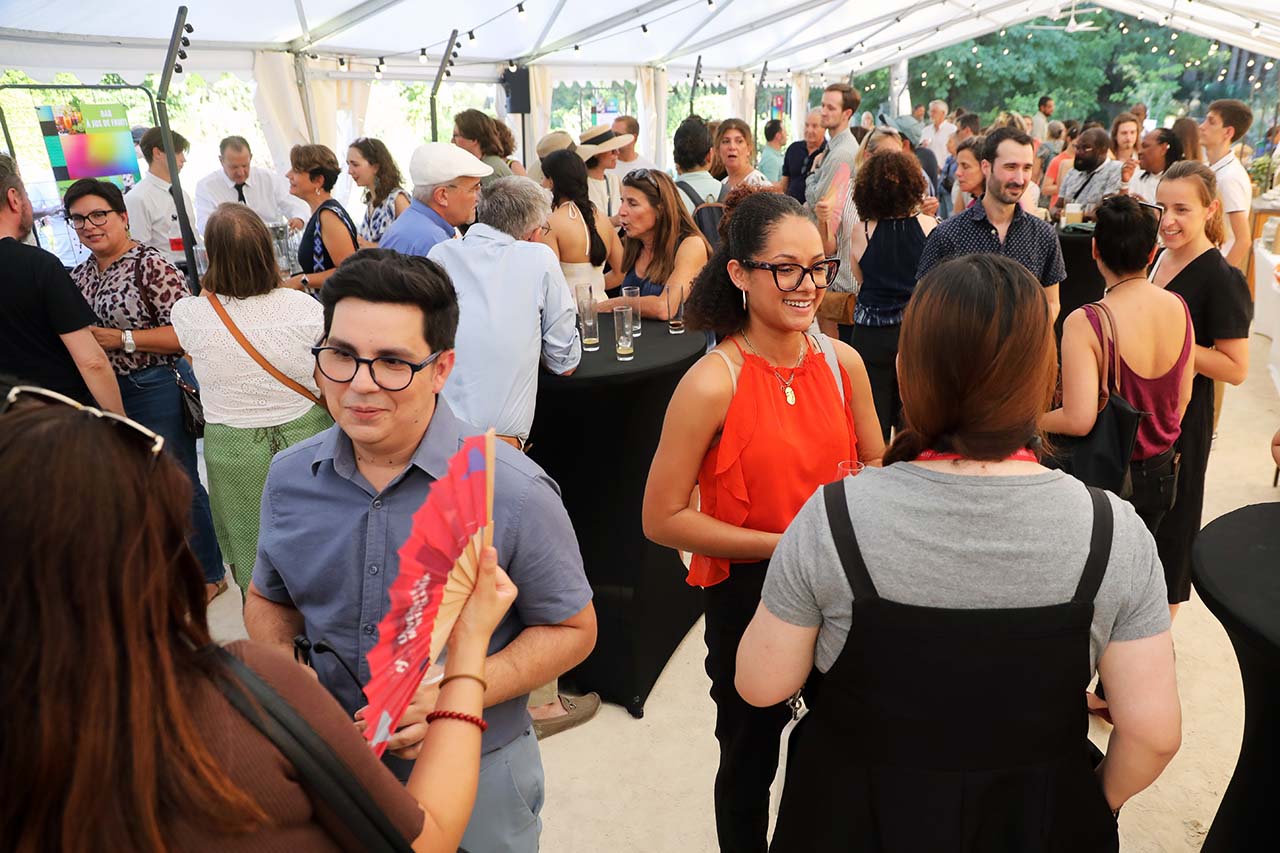
These discussions gave rise to a strong conviction: when faced with challenges that are at once scientific, environmental, and societal, an interdisciplinary approach is essential. This conviction also permeated the opening night, held on June 23 as a culinary prelude designed to foster dialogue between science, society, and local regions.
Moderated by Didier Thomas-Radux, a journalist at Midi Libre, a roundtable discussion featured four prominent figures from the worlds of gastronomy and agriculture: Gabriela Benicio, sommelier and co-founder of the restaurant Äponem in Vailhan; Michel Blanc, director of projects and development for the Châteauneuf-du-Pape Winegrowers’ Association; Laurent Cherchi, Michelin-starred chef at the restaurant Reflet d’Obione in Montpellier; and Florent Tarbouriech, oyster farmer at Maison Tarbouriech in Marseillan.
Through their stories, these professionals—who are passionate about both their work and their region—emphasized that certifications are neither an end in themselves nor a purely commercial selling point. They provide an opportunity to discuss expertise, biodiversity, nutrition, and raising awareness. This richness is passed down, shared, and brings people together.
A Sustainable Agora
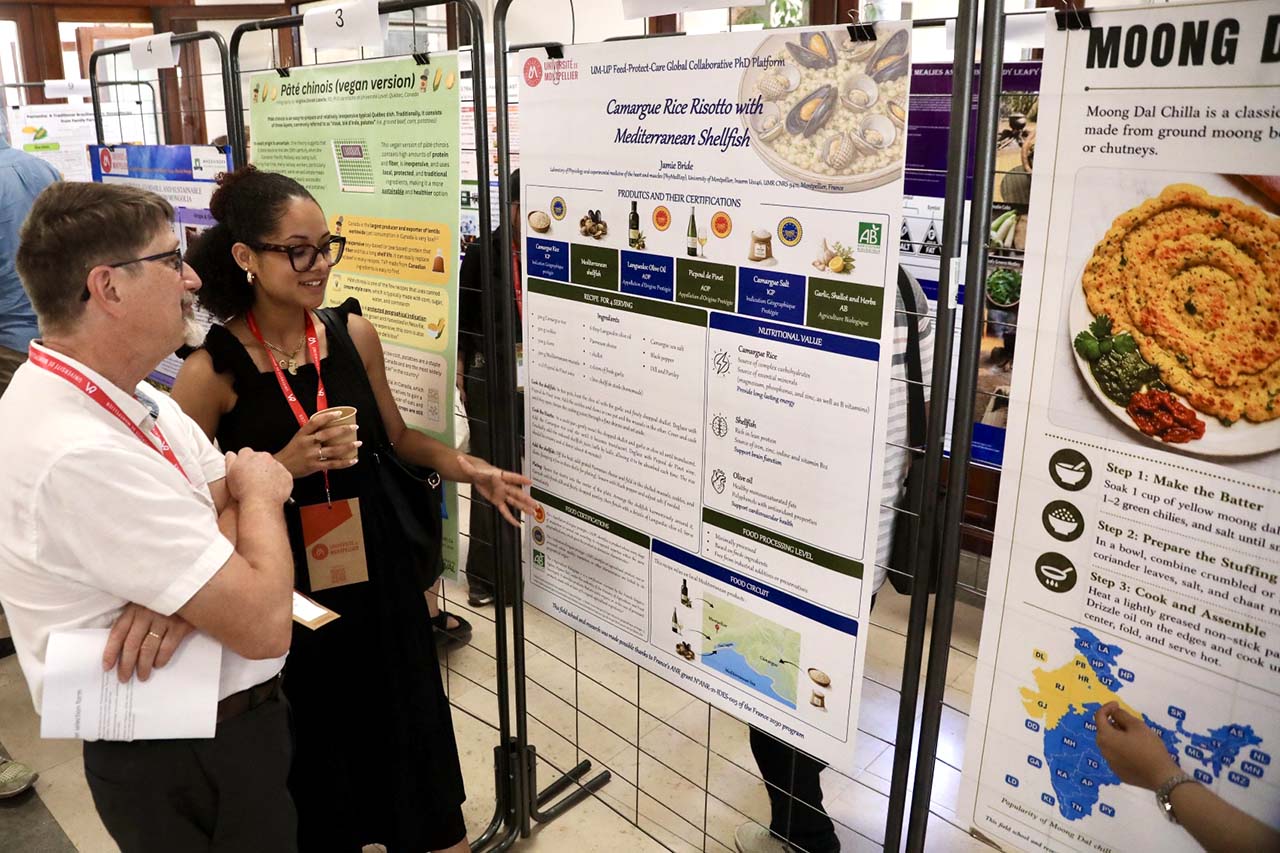
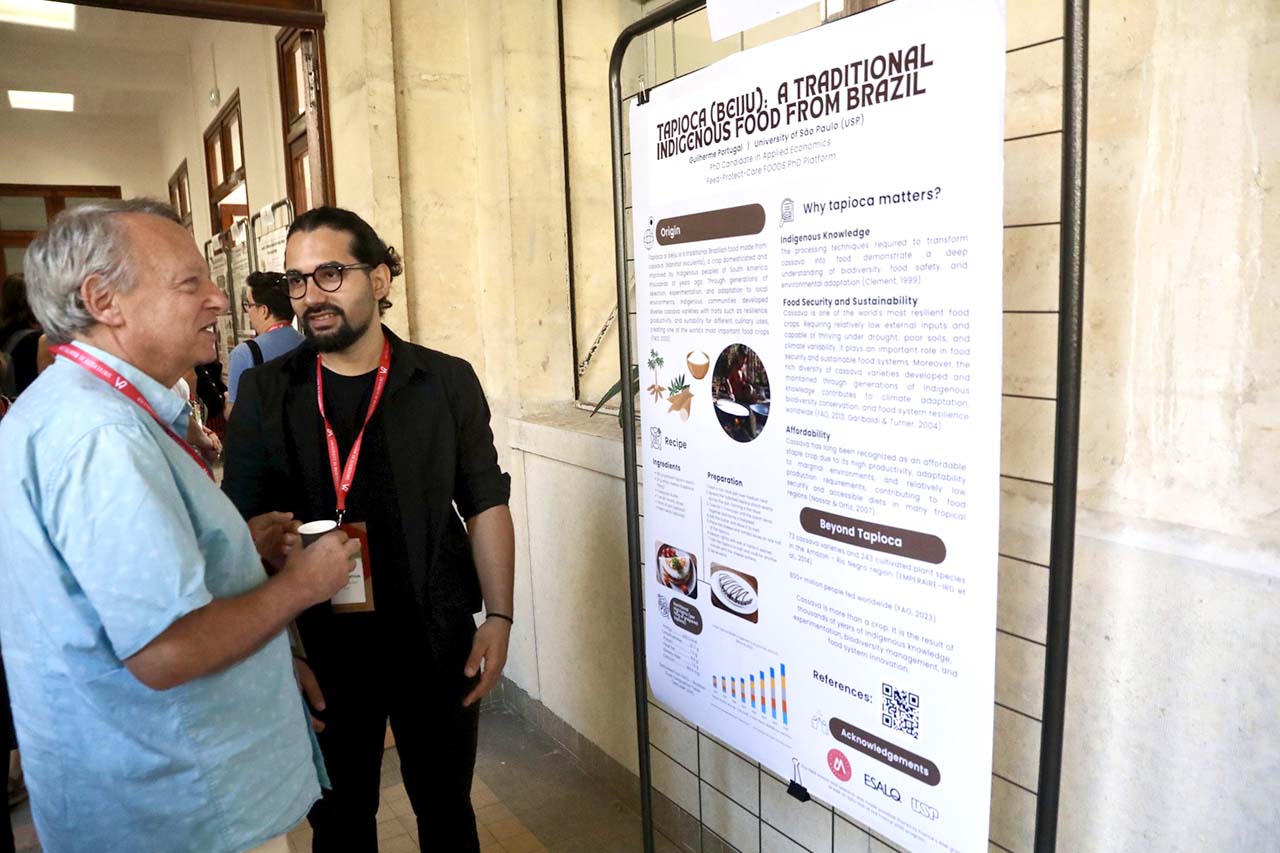
Under the theme “Food, People, Planet,” the need to foster dialogue between cultures permeated this edition of the Montpellier Global Days in many ways. For two days, Montpellier stood out as an international hub, bringing together partners committed to a shared spirit of cooperation, working for the benefit of both people and the planet. This dynamic was beautifully illustrated through the poster sessions dedicated to the work of the international “ doctoral researchers ” from the global doctoral platform “Foods,” founded by the University of Montpellier and the University of Pretoria in South Africa. This demonstrated that a simple recipe can serve as a starting point for discussing local traditions, food systems, and living together.
“The Montpellier Global Days are a forum where science and society come together to build sustainable solutions,” concluded Philippe Augé. A forum open to the world, where the contours of tomorrow’s food system are taking shape.