Montpellier-Sherbrooke: A Lasting Partnership
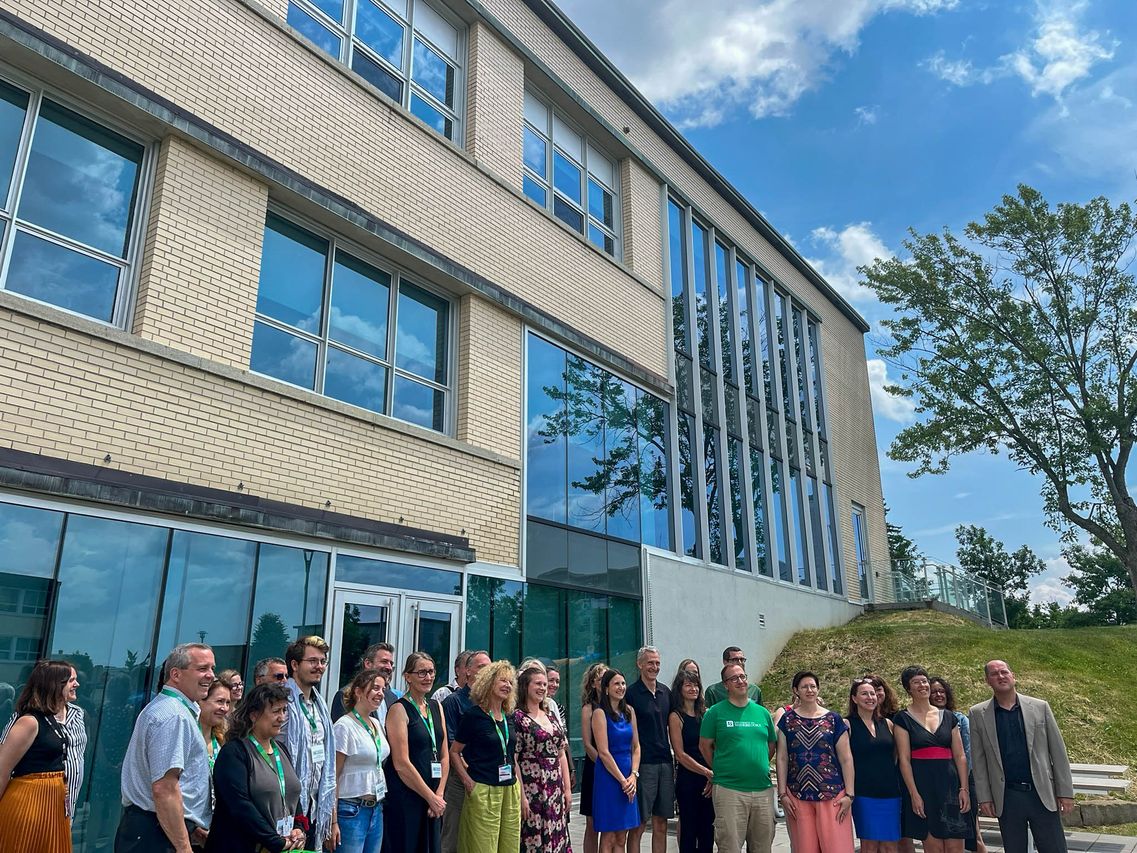
From June 18 to 21 in Sherbrooke, Quebec, the9th Montpellier-Sherbrooke Scientific Meetings brought together researchers, faculty members, and academic representatives from the University of Sherbrooke (UdeS), the University of Montpellier, and the University of Montpellier Paul-Valéry (UPVM3). The program included scientific conferences and institutional workshops, particularly on the central issue of sustainable development, which is of shared concern to all.
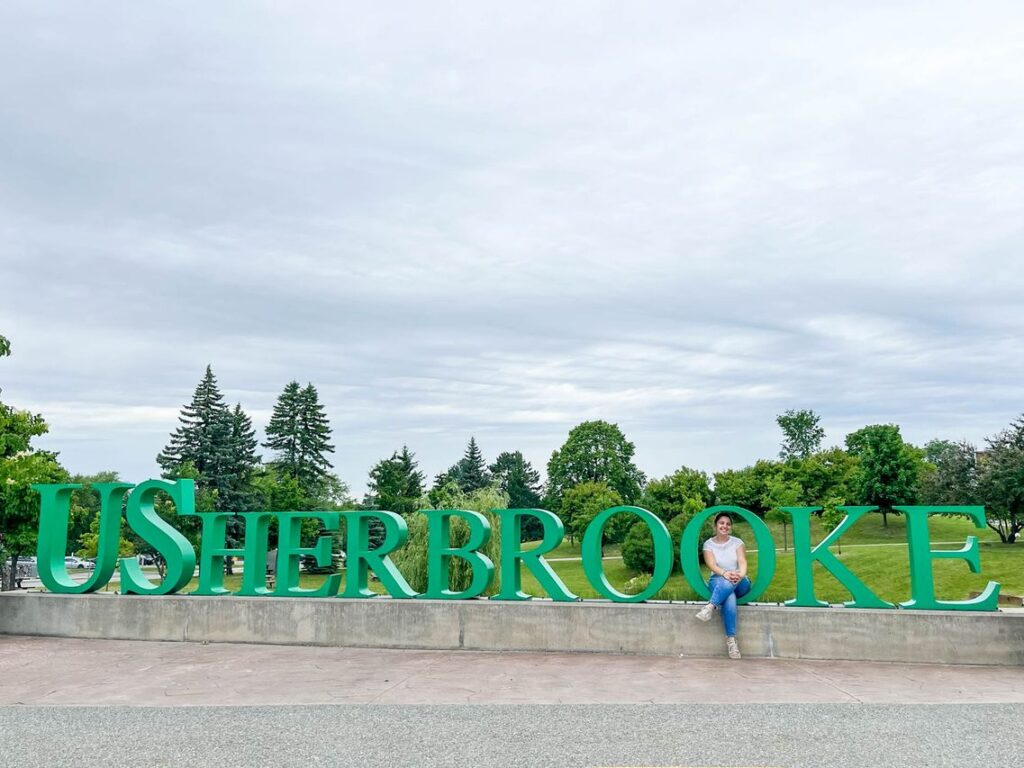
Transatlantic ties between Montpellier and Sherbrooke are in the spotlight, and this has been the case for nearly twenty years. At the opening of the9th Montpellier-Sherbrooke Scientific Meetings, held June 18–21 in Sherbrooke, Quebec, Pierre Cossette, the current president of UdeS, enthusiastically stated:“Virtual connections are great, but in-person meetings remain an opportunity to get to know one another, understand each other, explore new collaborations, and truly share.”
Since 2006, this event has been held every two years, alternating between Quebec and Montpellier, and is jointly organized by the international relations offices of the University of Sherbrooke (UdeS), the University of Montpellier, and the University of Montpellier Paul-Valéry (UPVM3). It was conceived as a forum for exchange designed to strengthen and develop research partnerships and joint training programs while forging new ties, both in the cutting-edge fields of the three universities and in the area of sharing best institutional practices. All of this takes place within a unique Francophone context.
A Shared Strategic Agreement
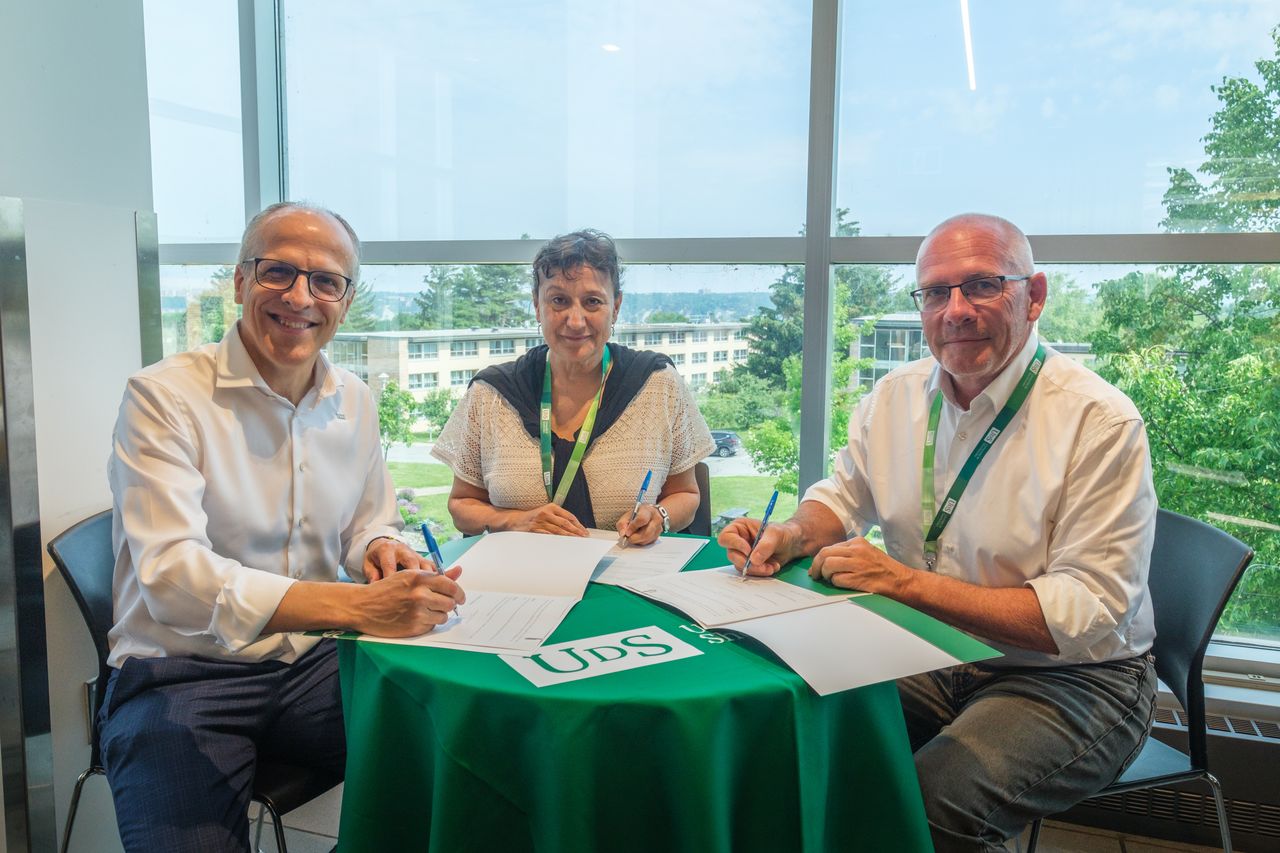
This year, the event marked the renewal of the strategic alliance framework agreement linking the three universities, signed by Pierre Cossette, François Pierrot, vice president for international relations at theUM , and Isabelle Launay, associate vice president for campus life at UPVM3.“This is a very important partnership,” says Pierre Cossette. “Over the years, there has been a great deal of student exchange—both from France and Quebec—faculty members have come here, and numerous scientific collaborations have taken place across a wide variety of fields: science, law, education, engineering, health sciences…”
François Pierrot confirms this:“Indeed, the partnerships and exchanges have been diverse. For the University of Montpellier, this involves virtually all of our units: faculties, schools, and institutes, of course, but also central administrative offices and laboratories. For a long time, the University of Sherbrooke was viewed by theUM as a benchmark for everything related to student life and educational innovations. Increasingly, we see it as an extremely powerful, motivating, and inspiring partner for research and innovation.”
Exchanging Perspectives Between France and Quebec
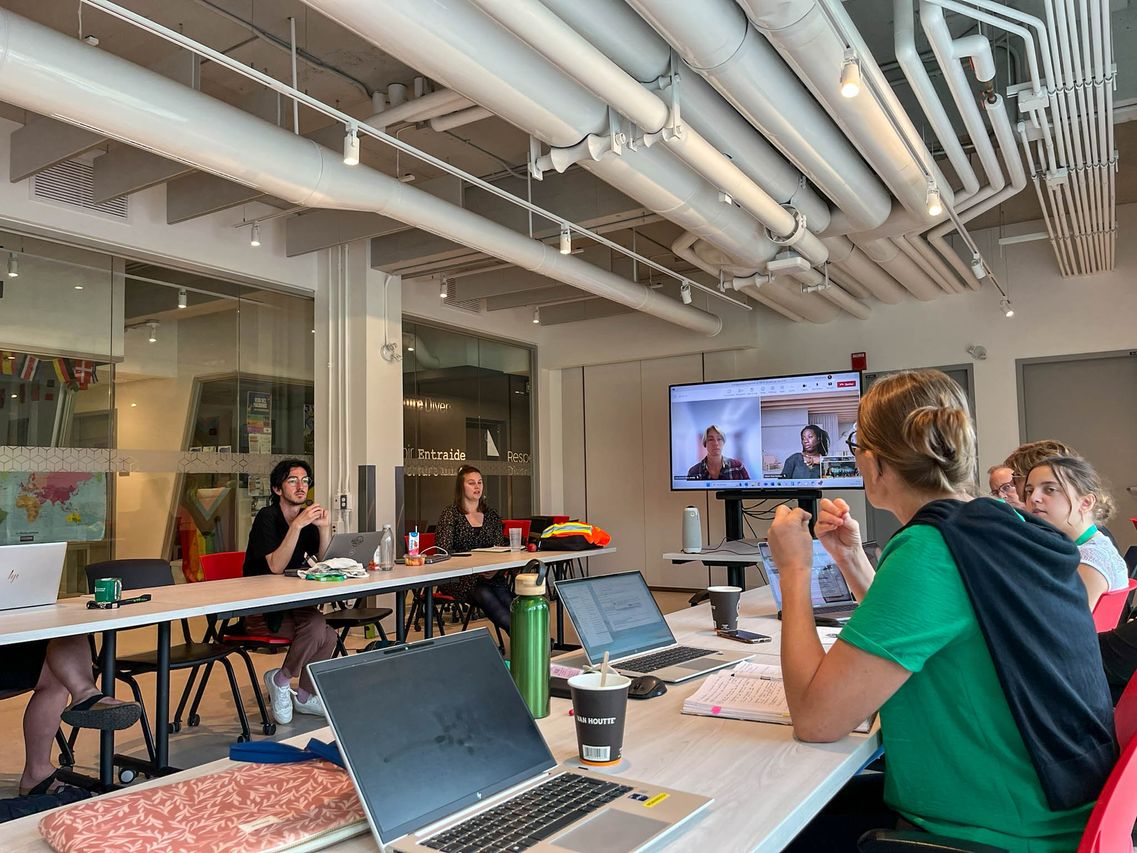
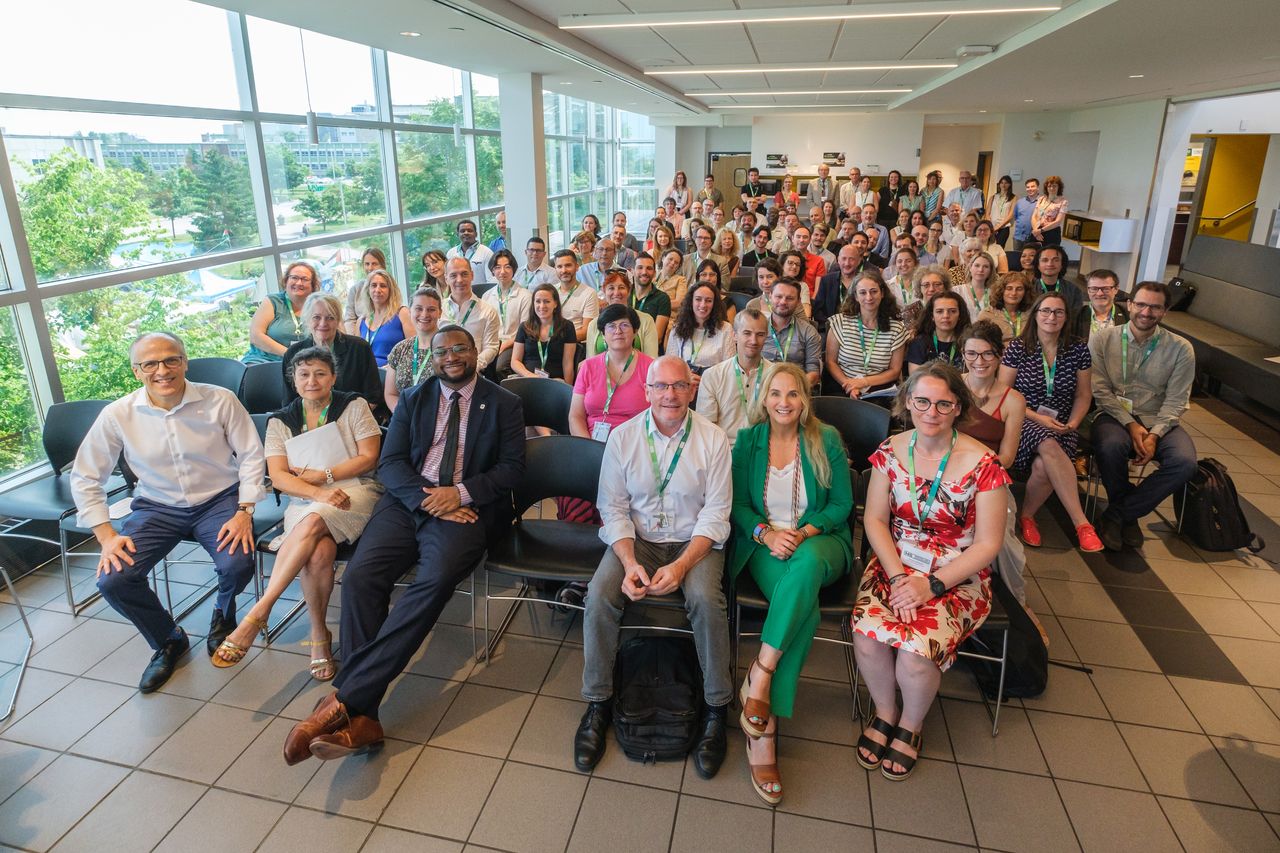
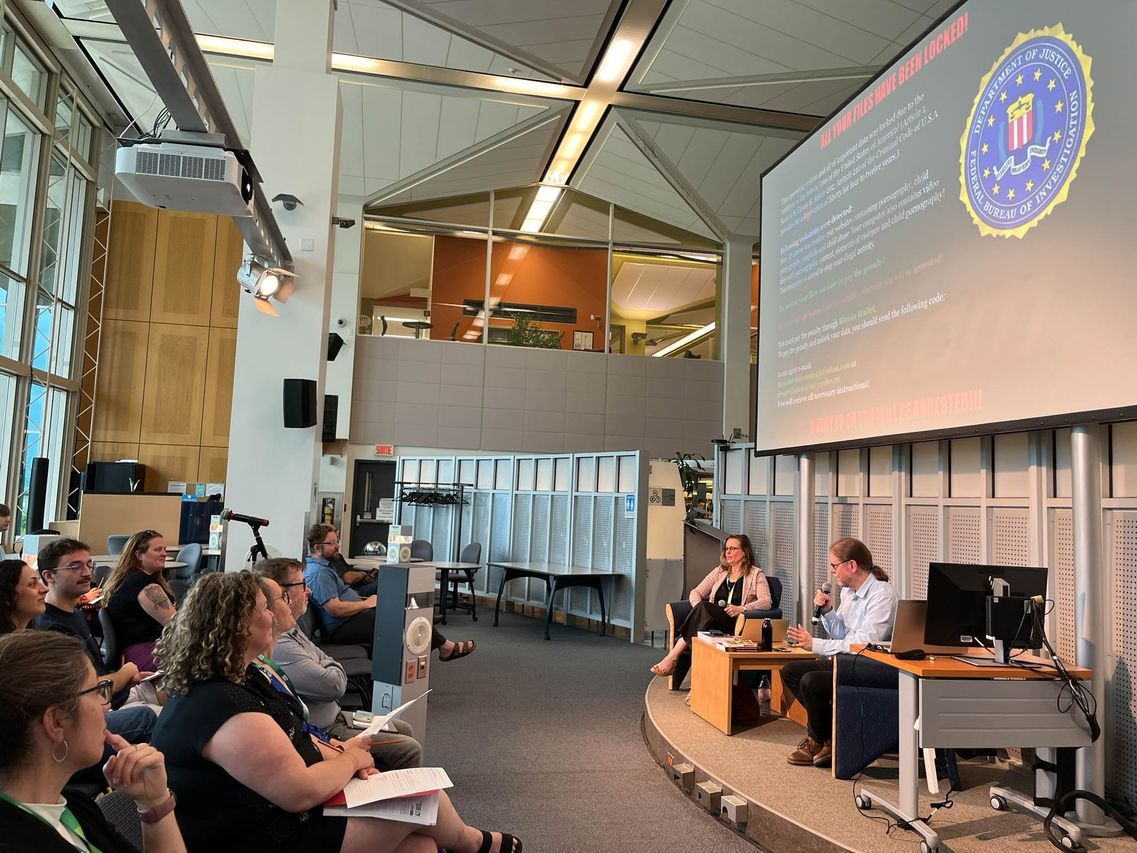
Over the course of three days, nearly 40 scientific and institutional workshops on the theme“Perspectives”brought together more than 200 participants, either in person on the University of Sherbrooke’s main campus or remotely. These workshops spanned a wide range of fields: law, business, engineering, arts and humanities, education, medicine and health sciences, the natural sciences, and physical activity sciences… These shared experiences allowed faculty members and researchers to meet, discuss their practices, take stock of their collaborations, and explore new avenues from both scientific and pedagogical perspectives.
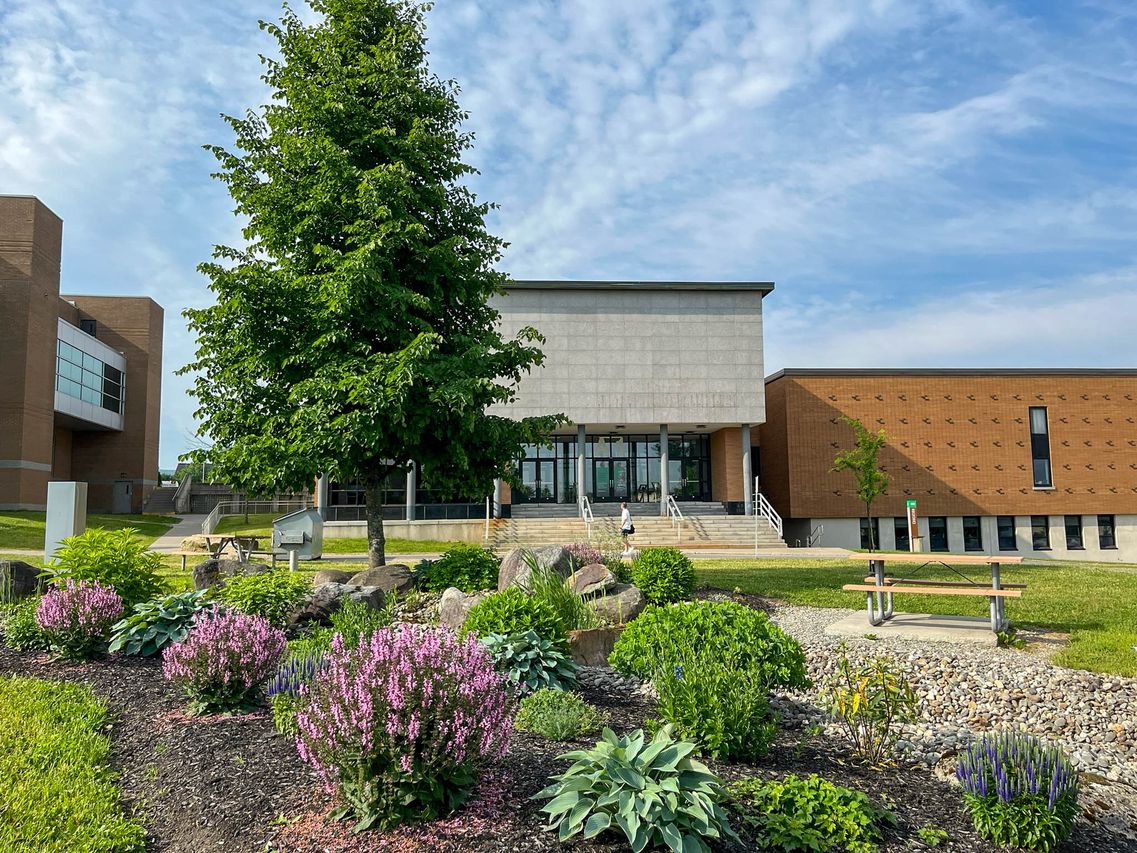
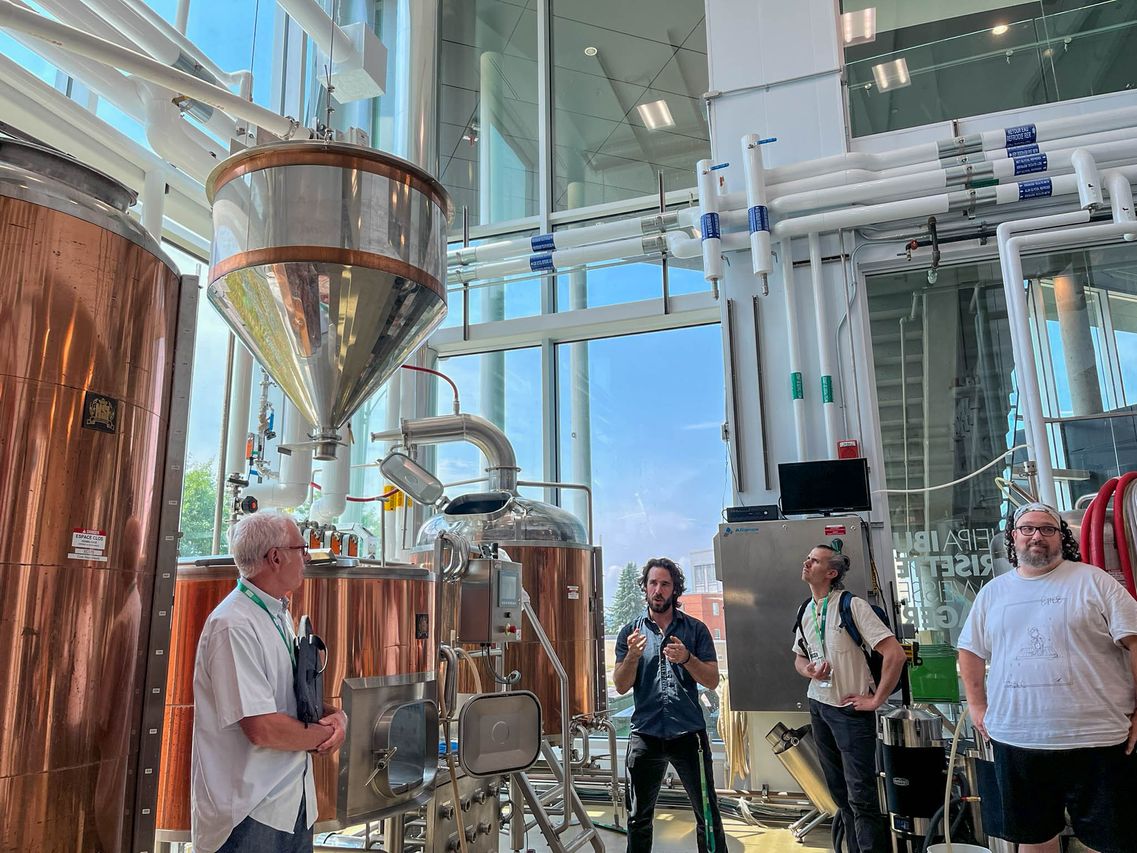
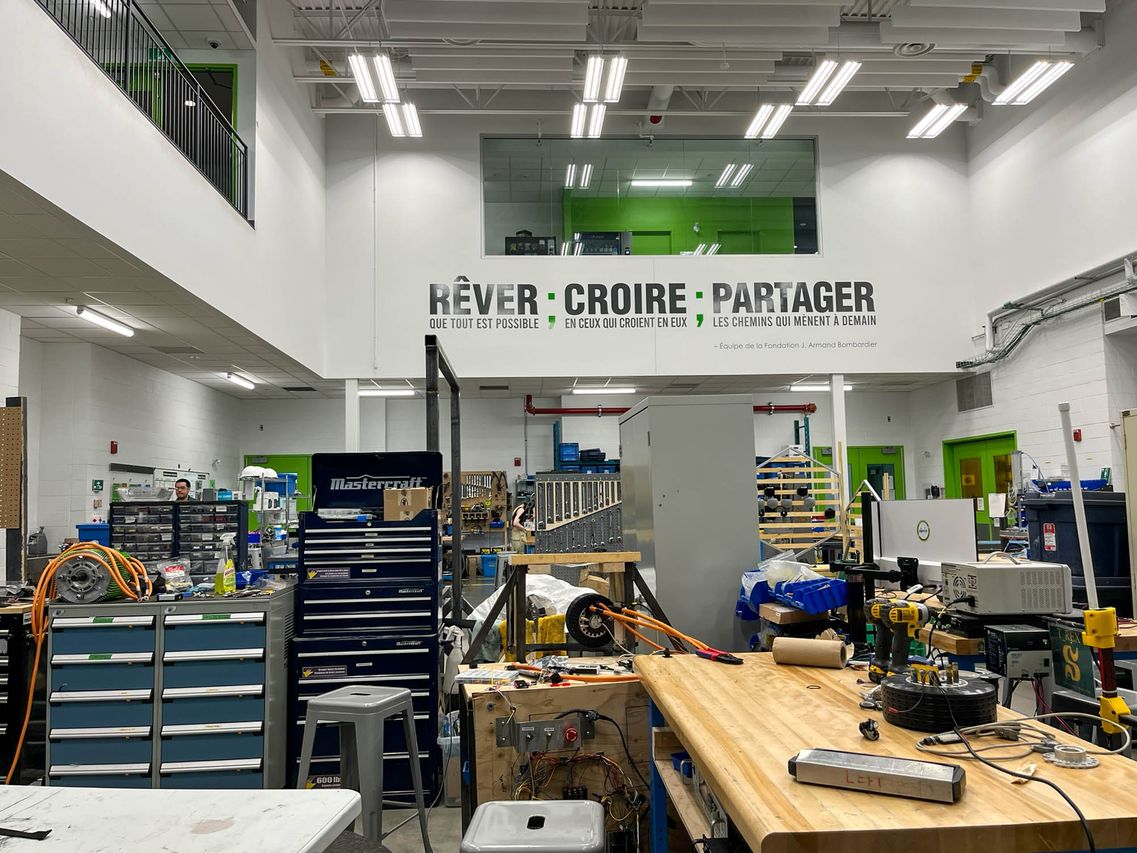
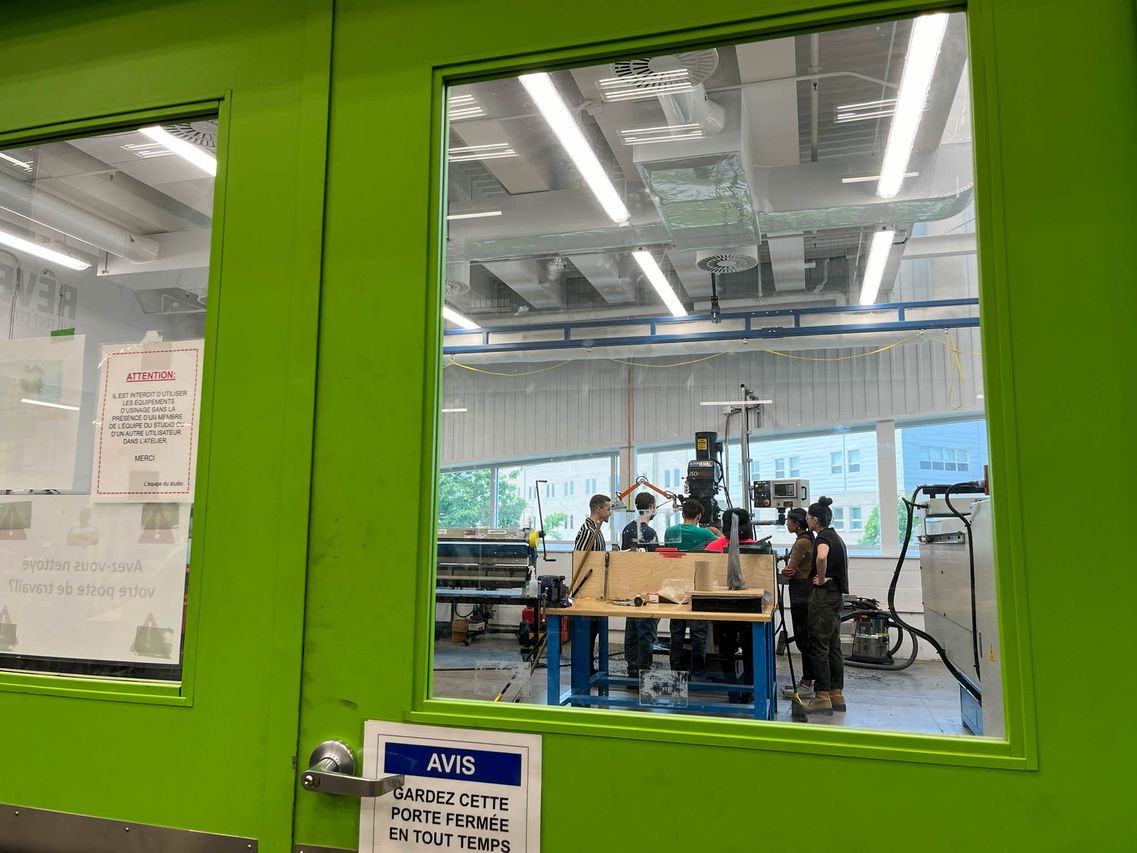
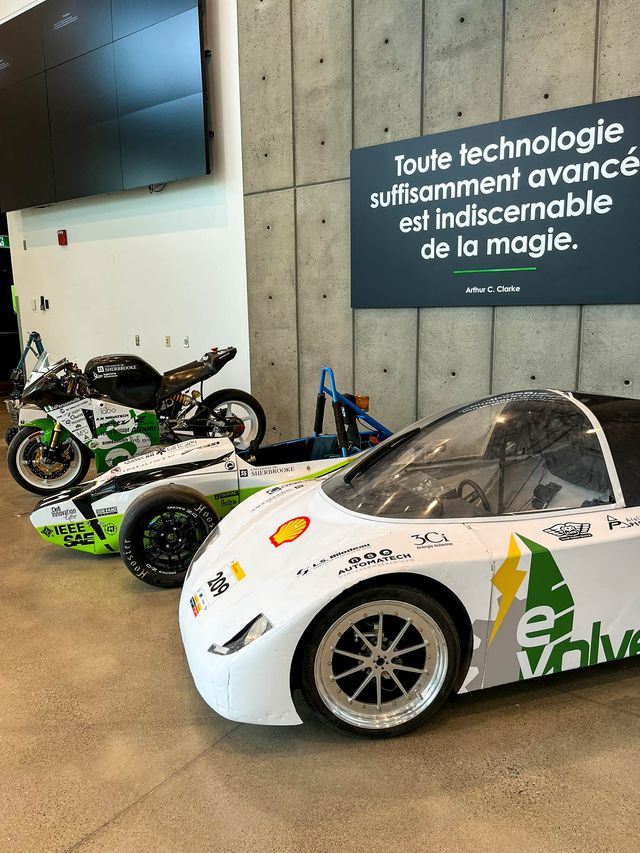
This provided an opportunity to take a behind-the-scenes look at two facilities on the UdeS campus—both inaugurated in 2023—that allow students to apply what they’ve learned with a high degree of autonomy while gaining direct exposure to the professional world. First up wasthe Usine-école Siboire, a nonprofit organization supported by the local microbrewery Siboire and a consortium of companies, where “all management positions—including general management, operations, and marketing—are held by students,”as explained by its coordinator, Steve Dussault. Participants even got a sneak peek at the collaborative beer brewed there in close collaboration with Polytech Montpellier as part of the Débryde project. As for the Creative Studio, supported by the Huguette and Jean-Louis Fontaine Foundation, it is a space for creativity, technological innovation, training, and entrepreneurship that is accessible 24 hours a day to the entire student community on campus.
Other components of theUM that were present at these scientific meetings includedthe Institut d’administration des entreprises (IAE) and Montpellier Management (MOMA), as well as research laboratories such as the LIRMM and the Icireward Center, which specializes in water sciences. This diversity was essential for addressing, over the course of three very intensive days, topics as varied as humanoid robotics, cybersecurity, mental health, and design thinking applied to education. Other meetings were held on the themes of innovation, technology transfer, and collaborative research between businesses and the university.“The University of Sherbrooke was thus able to highlight highly advanced initiatives designed, for example, to strengthen ties between researchers and small businesses, support the maturation of technologies, and—a mechanism currently lacking in Montpellier—accelerate the development of startups through a dedicated investment fund,” notes François Pierrot.
The Ecological Transition at the Center of Discussions
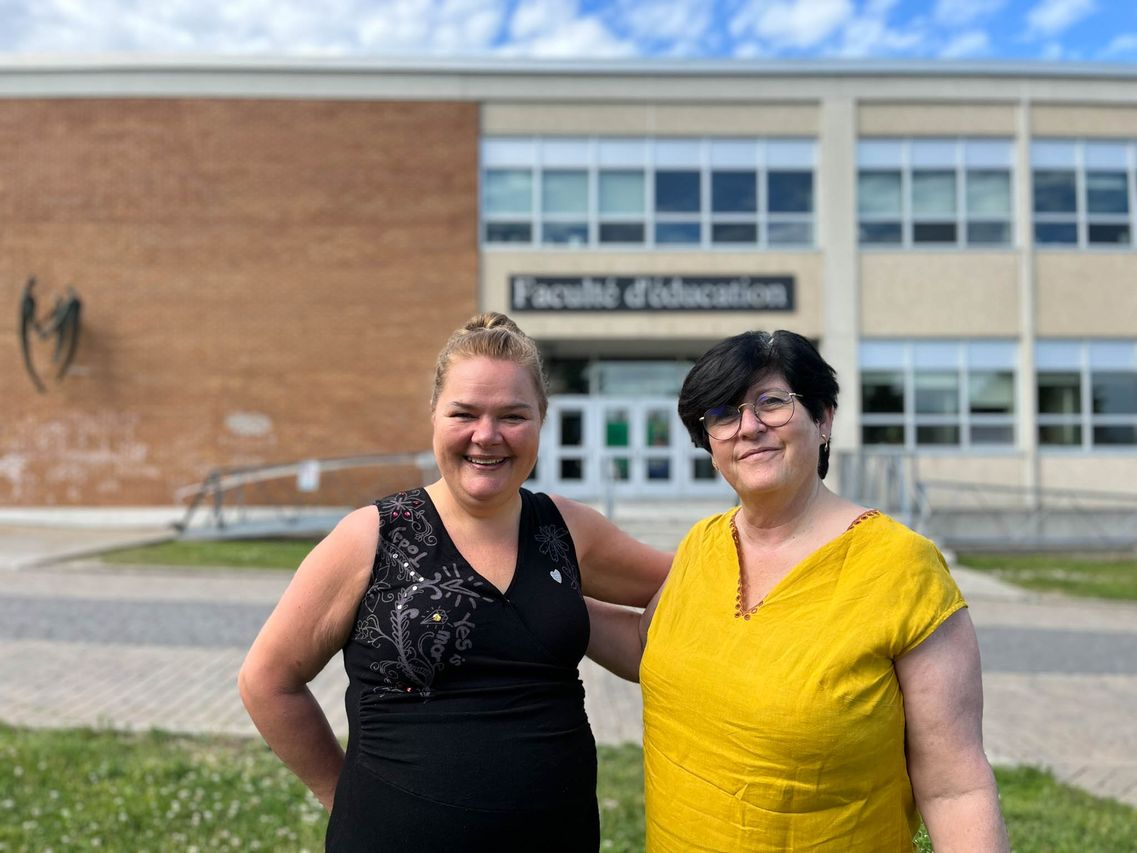
At the same time, institutional workshops were open to all members of the university community, with some focusing on sustainable development and student life. Frédérique Carcaillet, Vice President for Environmental Issues, presented the sustainable development strategy of theUM —including the Master Plan for Ecological Transition (SDTE), adopted last November—to her counterparts at the UdeS: Denyse Rémillard, Vice Rector for Administration and Sustainable Development, and her deputy, Patrice Cordeau. She was accompanied by Alexane Lequart, student vice president, who spoke about the role of environmental commitment within the Student Life Master Plan (SDVE).
"Our discussions revealed many commonalities, such as the need for a guiding document, like the SDTE at the University of Montpellier or the STARS certification framework at UdeS—to engage the entire university community, including staff and students,” emphasizes Frédérique Carcaillet. “It was also an inspiring moment with the presentation of the ‘sustainability hub,’ a sort of student green office that coordinates students’ initiatives related to the ecological transition—which is essential for ensuring the visibility and continuity of these efforts in the medium and long term.” The University of Sherbrooke, which is proud to have achieved carbon neutrality, has also shown great interest in the biodiversity mapping project launched on the Triolet campus. “We would also like to extend this mapping initiative to our other campuses,”the vice president adds.
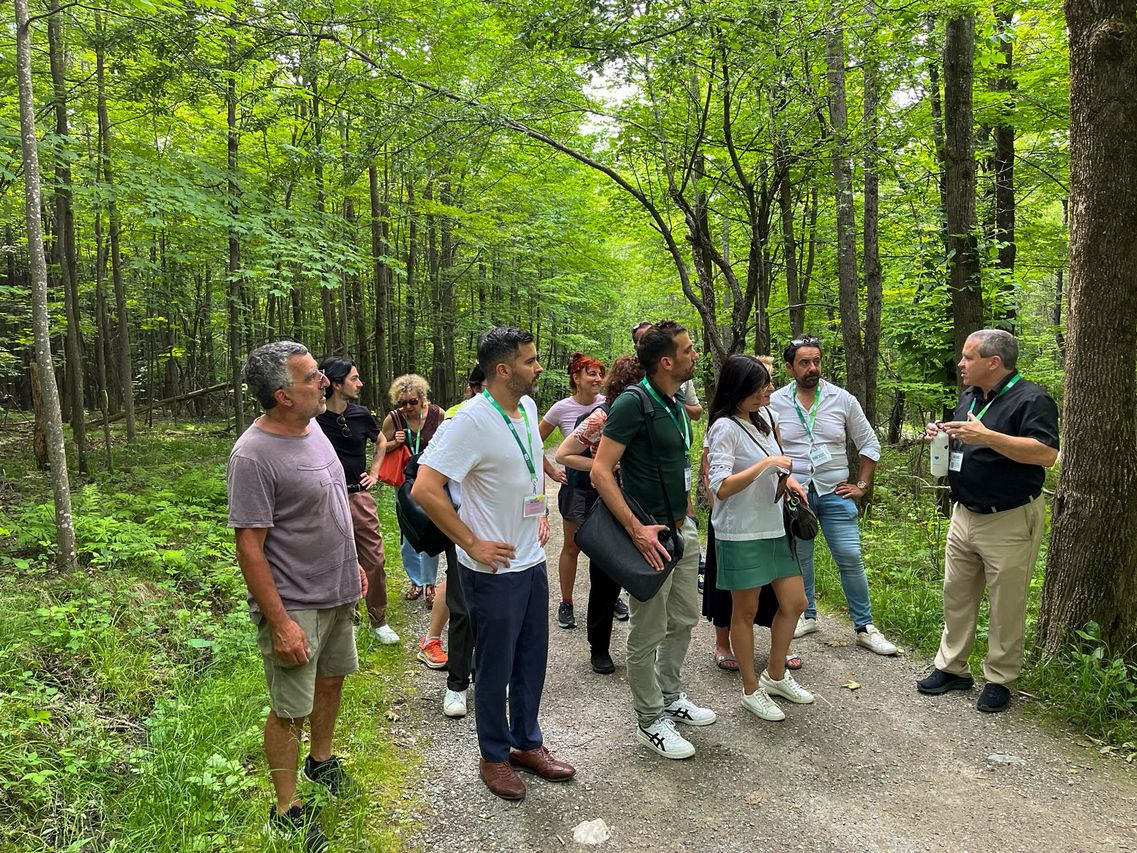
The delegation from Montpellier also discovered the extraordinary ecological richness of Mont-Bellevue Park, located on the university campus, which will soon be designated a nature reserve; 75% of its 200 hectares—primarily forested—belong to the UdeS. In two years, Montpellier will in turn welcome the Quebec university to its lush campuses. By then, there is no doubt that numerous scientific collaborations and institutional exchanges will have flourished on both sides of the Atlantic.